Every year, between June and November, I watch the same scene replay itself among the furnished-rental owners we support across the island: a depression forms off the Lesser Antilles, the prefecture raises its alert level, and the landlord discovers, contract in hand, that they don’t know exactly what their insurance covers. As a short-term rental manager based in Martinique, I can state it plainly: here, a cyclone isn’t a theoretical hypothesis, it’s a management variable. Choosing the right short-term rental insurance in Martinique is therefore not about paperwork, but about protecting your assets and your income. Here, item by item, is what a furnished rental needs to cover in a cyclone zone.
Why cyclone risk changes the insurance equation
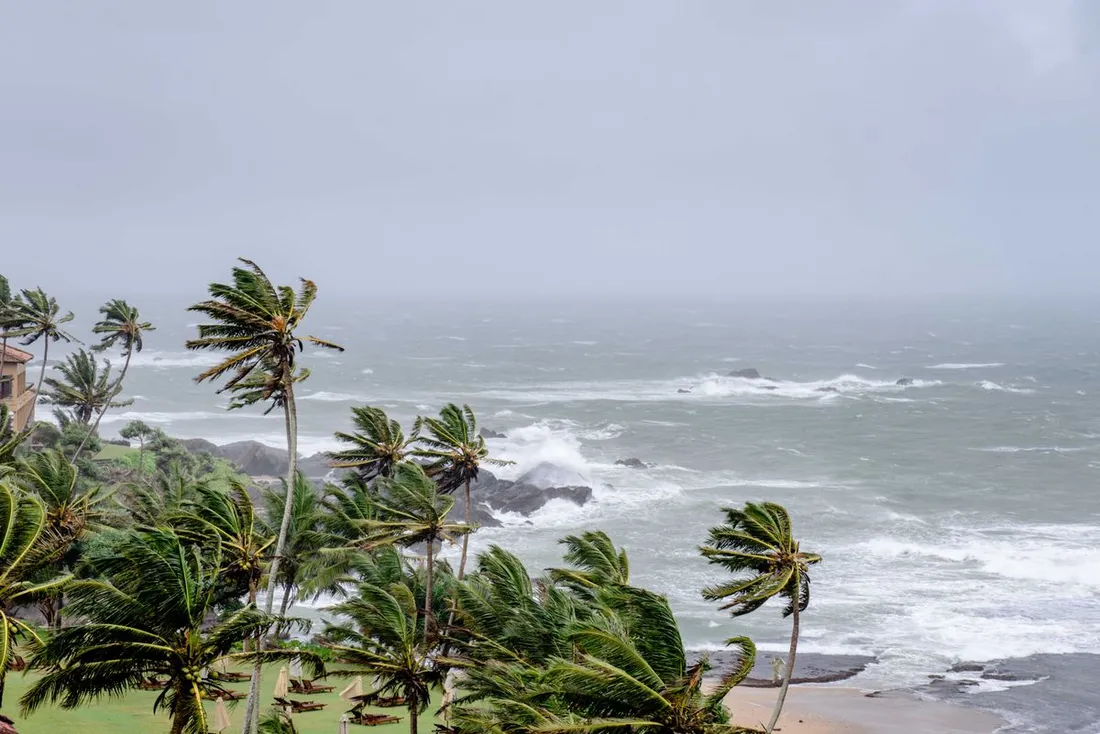
Martinique is a French overseas department of around 360,000 inhabitants, at the heart of the Antillean arc, on the potential path of Atlantic tropical systems. The dry season, the Carême, from December to April, is the calmest weather-wise; the summer hivernage, by contrast, concentrates the risk: heavy rain, cyclonic swell, storms or hurricanes capable of tearing off roofs and shutters.
For a landlord, this translates into damage of a particular kind, which not every contract covers in the same way:
- Direct wind damage to the roof, joinery, terrace and outdoor furniture.
- Water damage from seepage during torrential rain, even without flooding.
- Floods and mudslides in low-lying areas (Le Lamentin, the riverbanks of Le François or La Trinité).
- Prolonged outages of electricity and water, which render the property uninhabitable.
- Power surges and lightning, which fry air conditioning, internet boxes and appliances.
A cancelled stay, a property unusable for three weeks, a bad review: the real cost of a cyclone goes well beyond the repair bill. Hence the importance of reading your contract line by line.
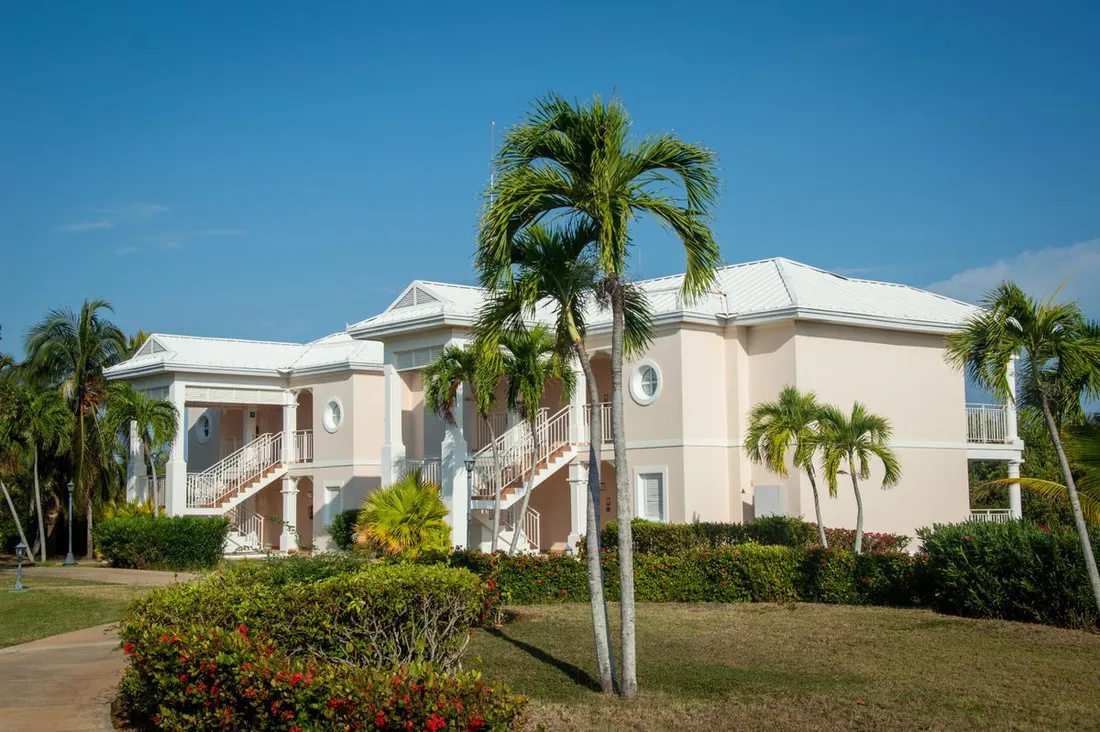
Landlord insurance in a cyclone zone: your foundation of protection
Non-occupying landlord insurance (PNO) is the baseline contract for any landlord. It covers the building, and depending on the formula the furniture provided, when the property is vacant or when the occupant’s insurance doesn’t apply. In Martinique, overseas Airbnb landlord cover has two specifics worth knowing.
A higher premium, but an unavoidable one
Because of cyclone exposure, landlord premiums are 15 to 30% higher than in mainland France. For a furnished seasonal rental, expect a landlord policy of €200 to €350 per year for a studio or one-bedroom, and €400 to €700 for a villa with a pool on the southern coast (Sainte-Anne, Le Diamant, Les Trois-Îlets). Skimping on this line means playing against yourself: this is exactly where the risk is highest.
Explicitly stating short-term rental use
A standard landlord policy may exclude seasonal rental. You must tell your insurer that the property is rented as a furnished tourist accommodation: otherwise, a claim arising during a rental could be denied. A “furnished tourist accommodation” extension (often €50 to €150/year) additionally covers civil liability towards your guests, accidental damage caused by travellers and theft by occupants.
Storm, cyclone, natural disaster: three guarantees not to confuse
This is the point many discover too late. A single cyclonic episode can fall under different guarantees depending on the type of damage, and each has its own rules.
The storm, cyclone and wind guarantee
Present in most comprehensive and landlord policies, the cyclone guarantee for furnished rentals covers direct wind damage: a lifted roof, torn-off shutters, a destroyed pergola, carried-away gutters. Check that the trigger threshold suits the Antillean context and that the deductible stays reasonable. This guarantee applies without waiting for any official decree, as soon as the wind event is established.
The natural-disaster guarantee (Cat’Nat)
The Cat’Nat guarantee, mandatorily attached to any property-damage contract, covers floods, mudslides and ground movement. It follows a strict mechanism:
- It applies only after publication of an interministerial decree recognising the state of natural disaster in your municipality.
- A statutory deductible, which cannot be bought back, applies (generally €380 for dwellings).
- Processing times can be long overseas: keep photos, videos and invoices from the moment of the loss.
- A property in a flood-prone zone (Risk Prevention Plan) may see its guarantees limited or its premium increased.
The distinction is crucial: wind damage falls under the storm guarantee (no decree), while rising water falls under the Cat’Nat regime (with decree). A torn-off roof and a flooded living room during the same cyclone can therefore follow two separate compensation channels.
The deductible, the real arbiter
Beyond the premium, it’s the deductible that sets your true out-of-pocket cost. Compare storm and water-damage deductibles across quotes: a low premium with a high deductible can leave you several thousand euros to pay. A controlled deductible is often worth more than a shaved-down premium.
Income continuity: the loss-of-earnings guarantee
This is the most neglected guarantee, yet the most strategic for a seasonal renter. The loss-of-earnings guarantee (or loss of rent) compensates the income lost when your property becomes uninhabitable after a covered loss.
In Martinique, its value is multiplied by two realities on the ground:
- Repair times are long. Overwhelmed tradespeople, imported materials that take weeks to arrive by freight: a property can stay out of service for one to two months.
- The loss often strikes in high season. A late hivernage event can encroach on the start of the Carême, the most profitable period.
Insist on compensation calculated on your actual rental income, not on a flat rate, and check the maximum duration (often 12 months). To estimate this loss municipality by municipality, our owners’ area can support you.
Reducing the risk before it strikes
Insurance compensates, but prevention protects your income and your guest reviews. A few habits make the difference:
- Install or check anti-cyclone shutters before June.
- Have the roof, fixings and gutters inspected every year before the hivernage.
- Fit the electrical panel with a surge protector to shield AC and appliances.
- Secure or bring in outdoor furniture as soon as an alert is issued.
- Keep a dated, photographed inventory, with invoices in the cloud, to speed up compensation.
These steps reduce claims, and therefore your premiums over time. To plan your interventions, our complete guide to Martinique details the seasons, from the Carême to the hivernage.
Delegating risk management to a local concierge
Managing a furnished rental from a distance while a storm approaches is a real challenge, especially with the time difference (-5h in winter, -6h in summer compared to Paris). This is where a team on site changes everything. At Hostel Toucan, a concierge and short-term rental management service in the French overseas departments, we live here, in the right time zone, as close to the ground as possible.
In concrete terms, we handle pre-season inspections, securing the property as soon as an alert is announced, photographic documentation of damage for your insurer, and coordination of tradespeople after the system passes. For guests, we offer direct booking with no platform fees, free cancellation up to 7 days before arrival, and WhatsApp assistance 7 days a week that proves invaluable during a weather alert. To locate your property, browse our rentals in Martinique.
Well insured and well supported, your furnished rental gets through the cyclone season without denting your profitability. In Martinique, it’s the combination of a solid contract and a local presence that turns a hazard into a managed risk.
FAQ
Is standard home insurance enough to rent out an Airbnb in Martinique?
No. A standard landlord policy may exclude seasonal rental. Tell your insurer about the short-term rental use and take out a “furnished tourist accommodation” extension covering civil liability towards guests, accidental damage and theft by occupants. Also check the storm-cyclone, water-damage, lightning and natural-disaster guarantees, which are particularly exposed in the Antillean zone.
What’s the difference between the storm guarantee and the natural-disaster guarantee after a cyclone?
The storm guarantee covers direct wind damage (roof, shutters, terrace) and applies as soon as the wind event is established, with no formalities. The natural-disaster guarantee covers floods and mudslides, but only after publication of an interministerial decree for your municipality. During the same cyclone, a torn-off roof and a flooded living room can therefore follow two separate compensation channels.
How much does insurance for a seasonal rental in Martinique cost?
Expect a landlord policy of €200 to €350 per year for a studio or one-bedroom, and €400 to €700 for a villa with a pool on the southern coast. The furnished tourist accommodation extension adds €50 to €150 per year. These rates include a 15 to 30% surcharge linked to cyclone risk. Beyond the premium, compare above all the storm and water-damage deductibles, which set your true out-of-pocket cost.
Is the loss-of-earnings guarantee really useful in Martinique?
Yes, it’s one of the most strategic for a seasonal renter. After a cyclone, repairs drag on for lack of tradespeople and quickly imported materials: a property can stay uninhabitable for one to two months. This guarantee then compensates the lost rent. Insist on compensation calculated on your actual income, not a flat rate, and check the maximum duration set in the contract.