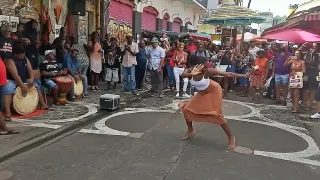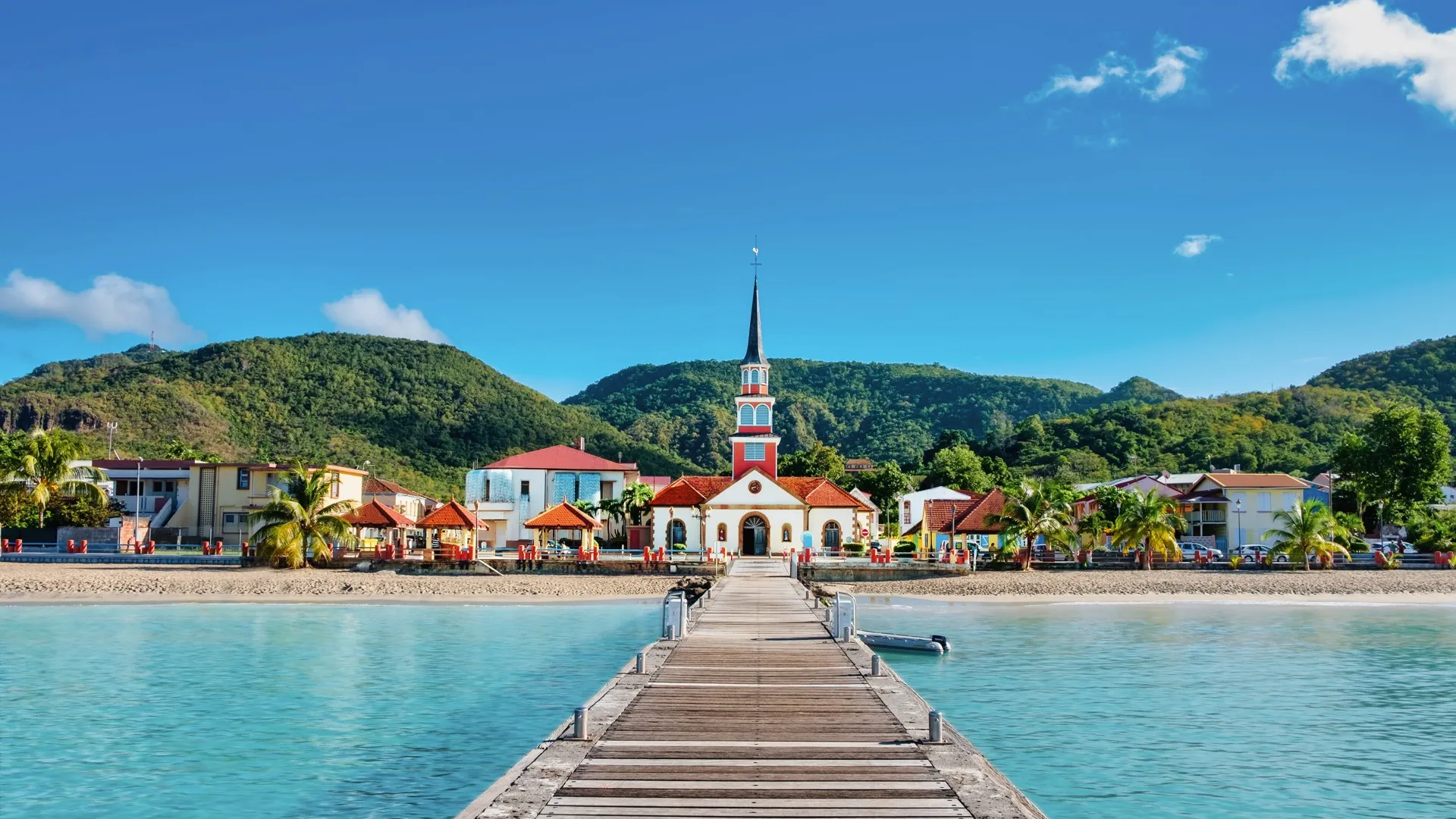
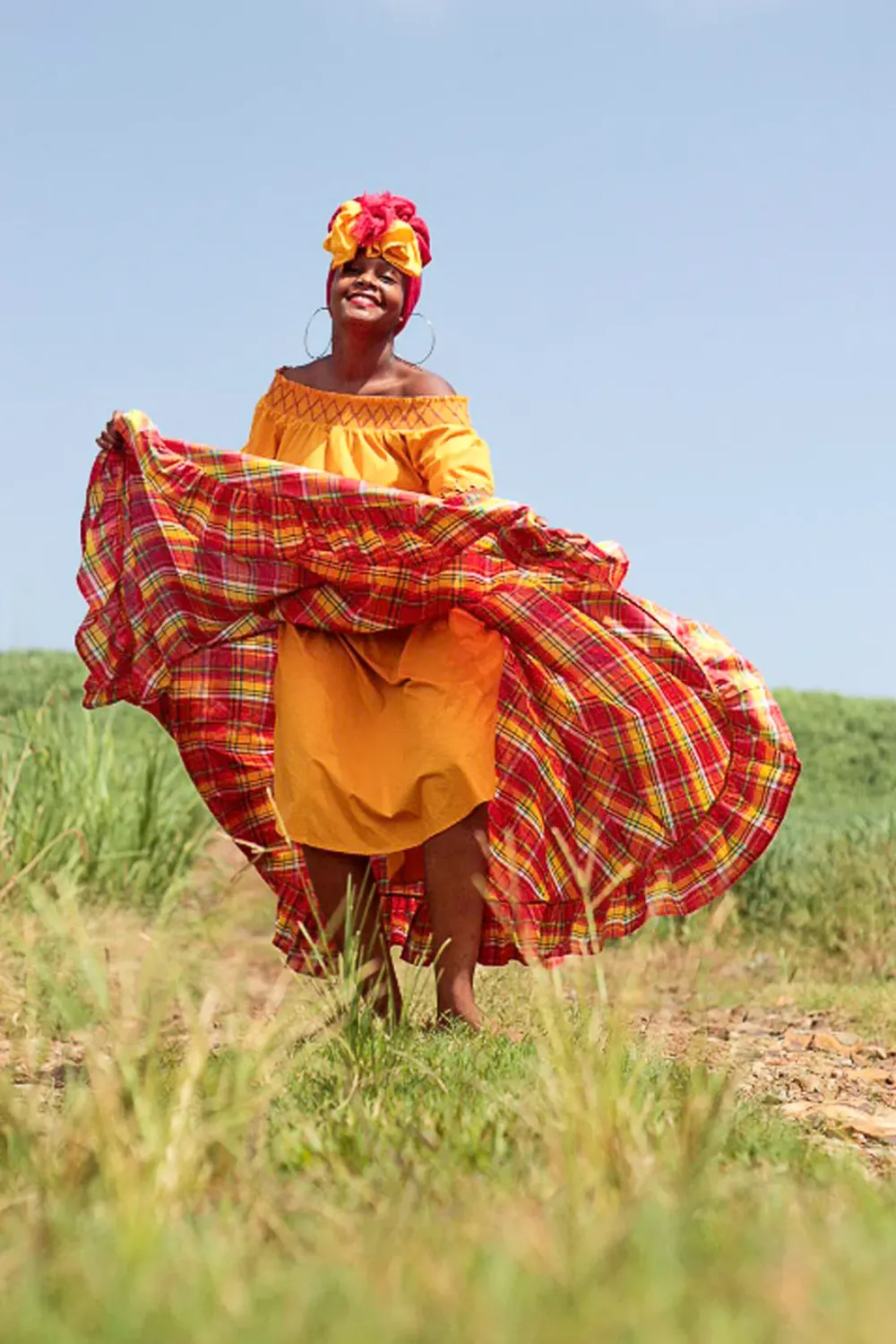
When you settle in for a few weeks in Martinique, you always end up hearing it before you see it: a deep, round drum that carries far into the tropical night, punctuated by the clack of wood and voices answering one another. This is bele, the beating heart of Martinican Creole culture. Far more than folklore for tourists, it is a living drum-and-dance tradition, passed down from generation to generation, and one of the finest gateways to understanding the island’s soul.
If you are planning your trip, bele deserves a place in your notebook just as much as the beaches of Les Salines or Mount Pelee. Here is everything you need to know to discover it authentically, far from the packaged shows.
So what exactly is bele?
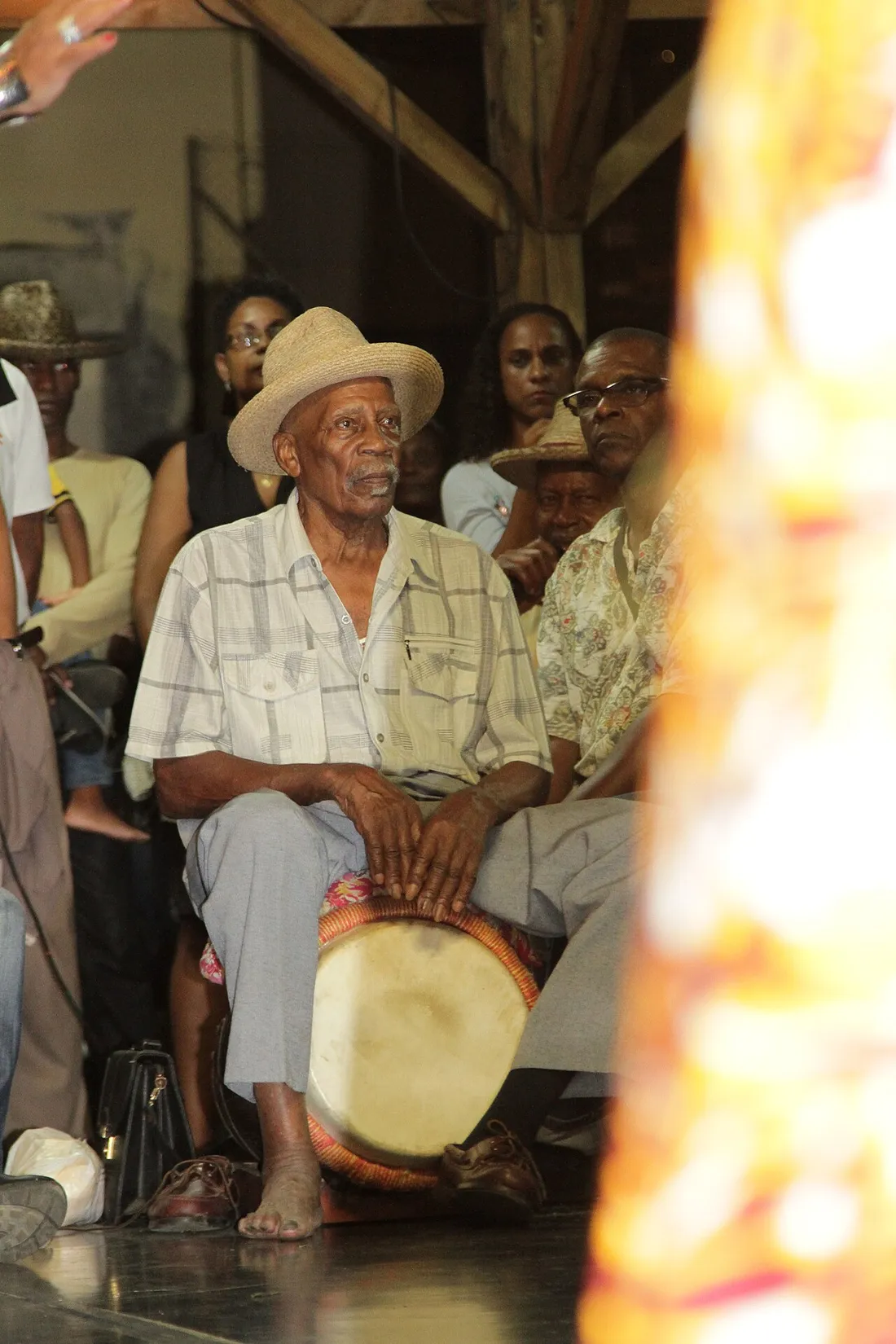
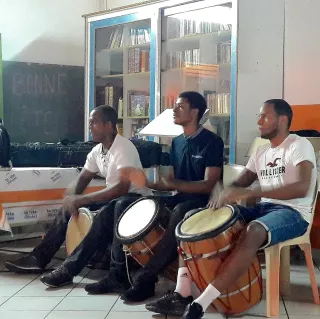
Bele (also spelled “belair” in old French) is a complete cultural practice that brings together music, song, dance and oral tradition. At the center of it all: the bele drum, a wooden barrel covered with a skin, which the tanbouye (the drummer) plays sitting astride the instrument, modulating the sound with his heels.
Three inseparable elements structure every performance:
- The tanbou (drum): it converses live with the dancer, “marking” each of their movements.
- The tibwa: two wooden sticks struck on the back of the drum or on a bamboo, setting the basic tempo, steady and hypnotic.
- The chante and the lavwa: a lead singer (the chantwel) calls out the lines, and the gathering answers in chorus (the reponde).
The dancer, for their part, does not follow the music: they provoke it. It is the dancer who challenges the tanbouye, and the drum follows. This body-instrument conversation is called the “kase” (the break). It is the very art of bele.
Roots anchored in the plantations
Bele was born on the habitations, the former sugarcane plantations, during and after the period of slavery. For the deported African populations, it was a space of freedom stolen from the system: people danced after work, during wakes, harvests or times of mourning. Bele survived despite the bans, constantly reinventing itself.
Several major families can be distinguished, depending on the towns and contexts:
- The northern bele (the region of Sainte-Marie, Le Marigot, Basse-Pointe), very much alive, often associated with the swares.
- The bele linò or salon bele, more codified, inherited from reworked European quadrilles.
- The danmye / ladja, a danced martial art that is a cousin of bele, spectacular and combative.
Understanding this history changes everything: when you attend a bele, you are watching an act of resistance that became a celebration.
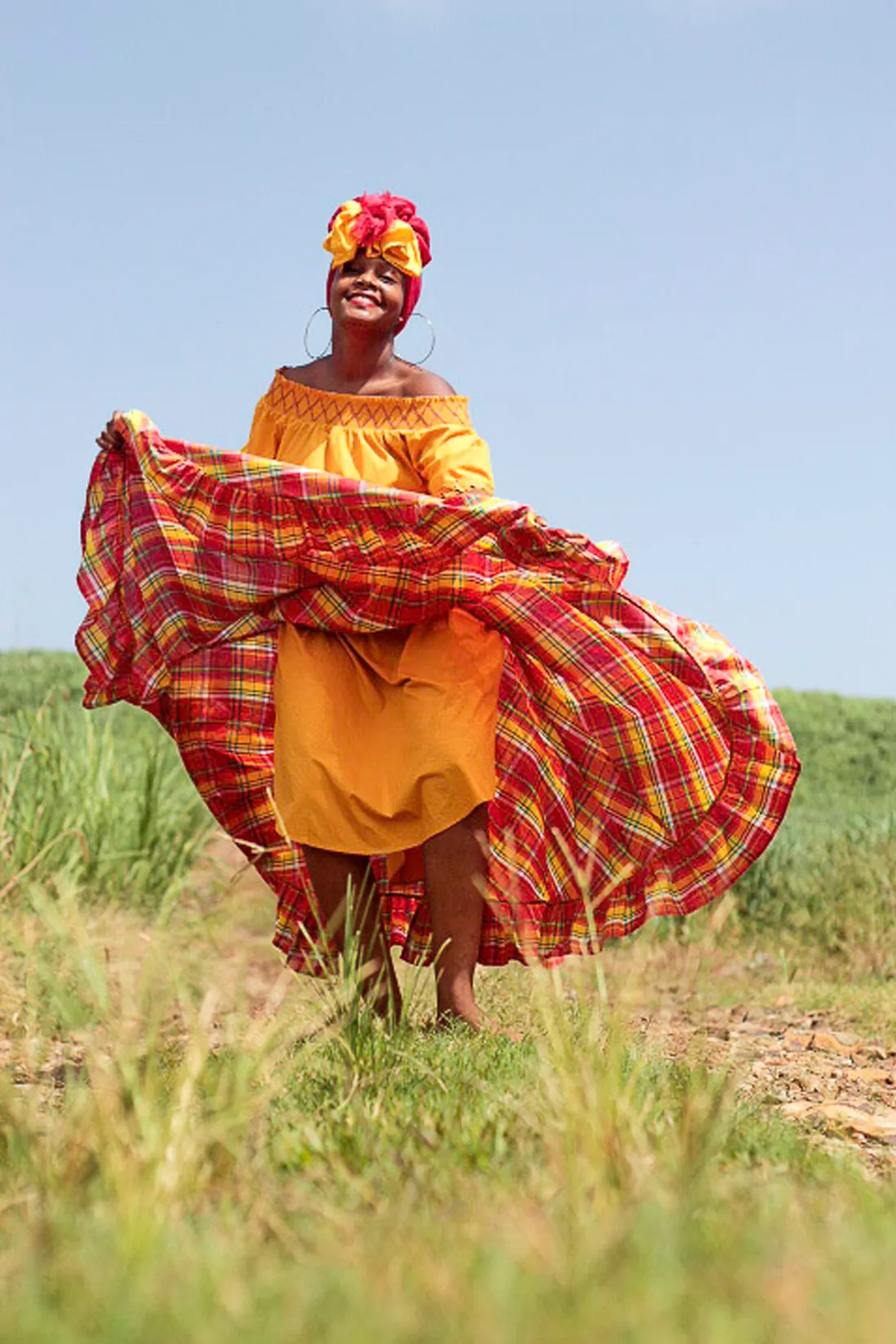
Bele swares: the experience not to miss
The phrase “swaré bele” (bele evening) refers to the traditional gathering where the community comes together in a circle, the lawonn, around the drummers. There is no stage: anyone can enter the circle to dance, sing or simply answer in chorus.
Here is how a typical swaré unfolds:
- The tanbouye settle in and launch a first rhythm.
- The chantwel strikes up a chant, and the gathering responds.
- Dancers enter in pairs, men and women, and converse with the drum.
- As the night goes on, the rhythms shift (bele, gran bele, Creole biguine) and the energy rises.
It is free, convivial, and deeply human. You will come across elders in their eighties and children learning by imitation. If you are lucky enough to stumble upon a real neighborhood swaré, do not hesitate: you will be warmly welcomed, provided you respect the circle and ask before filming.
Carnival and bele
During carnival (February-March), musical fervor takes over the whole island. While the Martinican carnival has its own rhythms (the “vidé,” the walking groups), it is a time when drum culture is everywhere. Combining a dry-season stay (the Careme, from December to April, the best time for the weather) with the February festivities offers an exceptional cultural concentration.
Where to see authentic bele in Martinique?
Bele is not found in resort hotels. You have to look a little, but the good spots exist. Here are our resident’s landmarks:
- Sainte-Marie and the Atlantic north: the historic cradle of bele. Local cultural associations (such as AM4, or the groups from Tracée) regularly organize workshops and swarés. This is where you find the purest expression.
- Fort-de-France, the main town: Tropiques Atrium (a national stage) regularly programs high-quality bele and danmye performances. Expect around 10 to 25 euros a ticket.
- Les Trois-Ilets and the touristy south: several cultural villages and night markets offer demonstrations, more accessible but sometimes more of a “showcase.”
- The towns’ patron saint festivals: each town has its annual celebration, often the occasion for spontaneous swarés. Inquire at the local tourist office.
To live the most genuine experience, the best thing is still to ask your concierge service or your hosts: bele is passed on by word of mouth, and a good local contact is worth all the guidebooks.
Good to know before you go
- A car is strongly recommended: swarés often take place in the evening in northern towns that are poorly served by public transport. Allow about 1 hour 15 minutes of driving between Fort-de-France and Sainte-Marie.
- Bring something to stay hydrated, and pack light, comfortable clothing.
- Respect the circle: you do not film everything, you do not photograph faces without permission. Bele is not a show, it is a sharing.
- A few words of Creole (“bonjou,” “mèsi”) are always appreciated. Martinique is a French overseas region where both French and Creole are spoken.