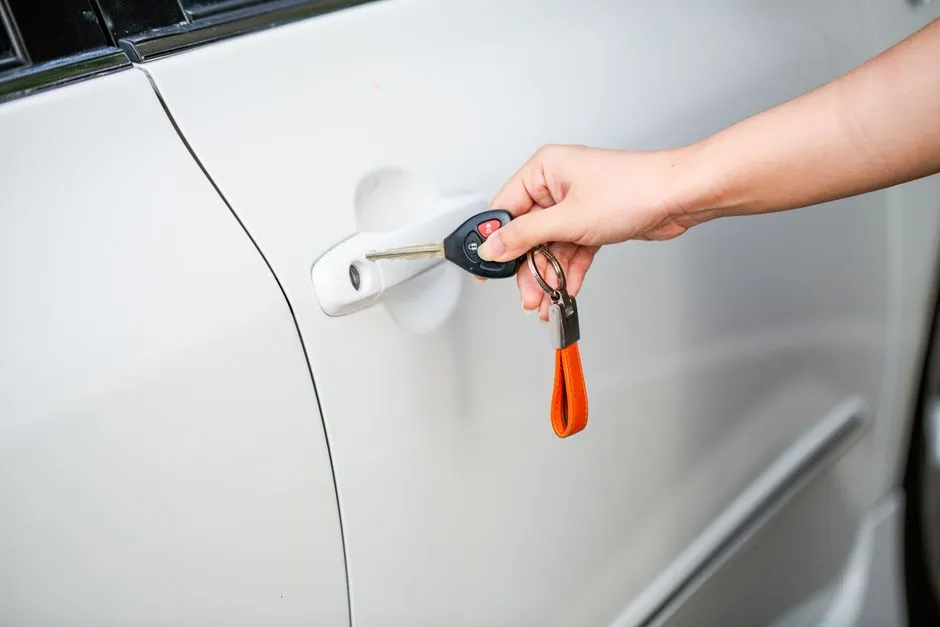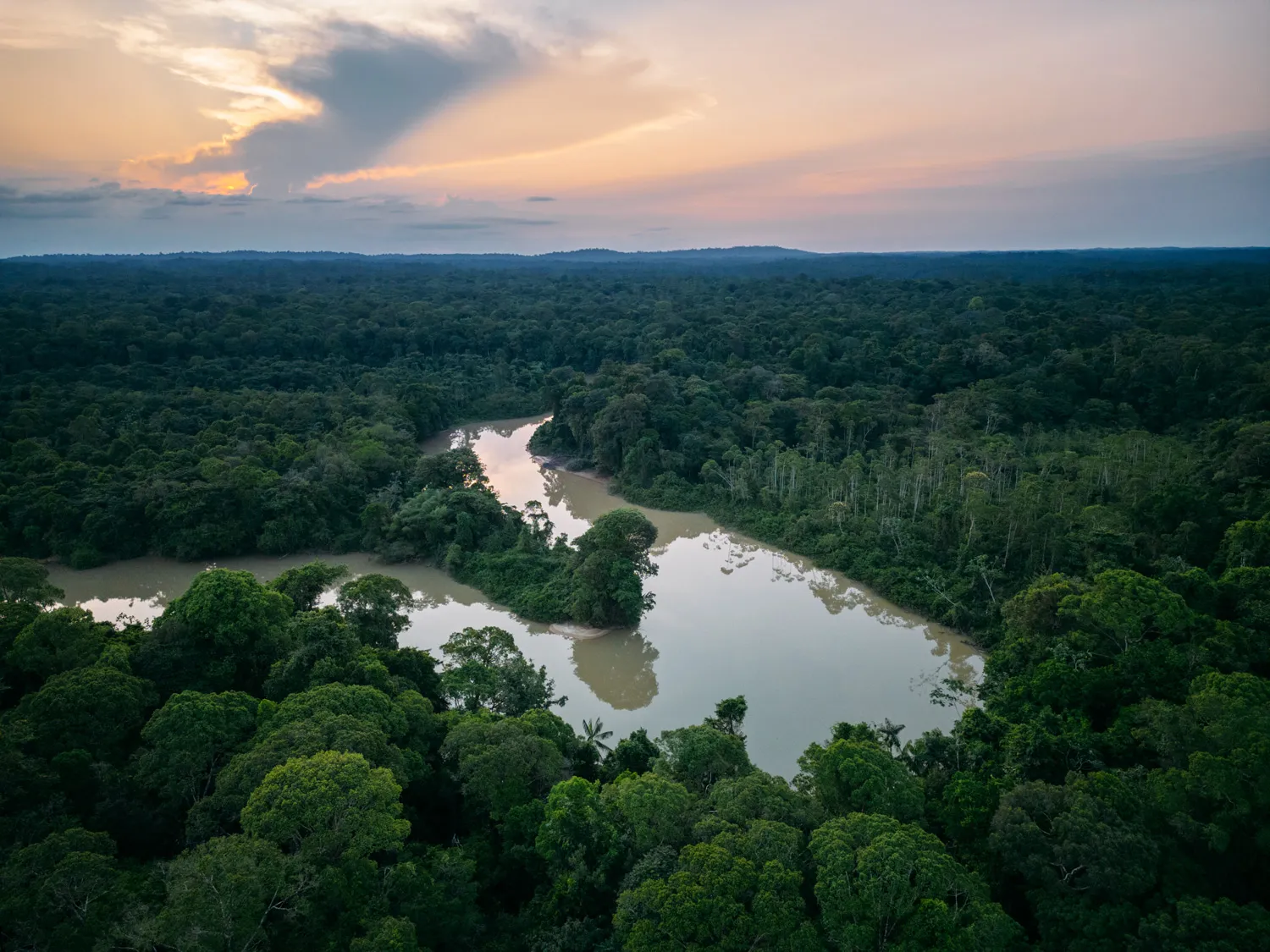
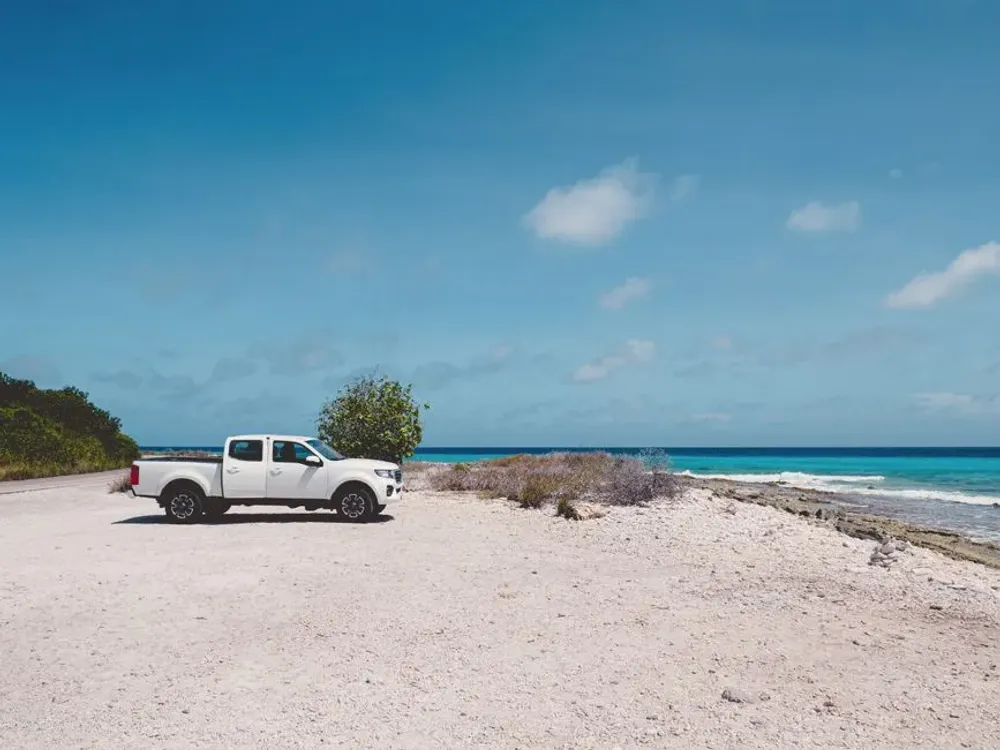
In the French Antilles and Guiana, a rental car is rarely a luxury: more often than not, it’s the key to your stay. Secluded beaches at the end of a dirt track, trailheads lost in the forest, village markets that open early in the morning, viewpoints over the Caribbean Sea or the river: almost everything is earned behind the wheel. This guide explains why you should rent a vehicle, how to choose the right category, what to watch out for when it comes to insurance and deposits, which documents to prepare, and what driving really looks like in each territory. The goal: to help you book with confidence, with no nasty surprises on arrival.
Why rent a car in the French Antilles and Guiana?
In these territories, having your own transport radically changes the experience. Public transport exists but remains limited in frequency and operating hours, and many major sites simply aren’t served at all. With your own vehicle, you set your own pace, you get to the most popular beaches before the crowds, and you can string together several spots in a single day.
- Total freedom: you’re not tied to bus schedules or the availability of taxis, which are often scarce outside town centres.
- Access to remote sites: many beaches, waterfalls and trailheads lie at the end of small roads or tracks that only a personal vehicle can reach.
- Savings over time: for a couple or a family staying more than a few days, renting often works out cheaper than the combined cost of taxis and organised excursions.
- Everyday convenience: market shopping, hauling beach gear, late returns after a sunset — everything becomes simpler.
If you’re staying in one of our accommodations spread across several towns, having a car also makes it easy to travel between the island’s different points of interest.
Which vehicle category should you choose?
The right vehicle depends on your itinerary, the number of passengers and the type of roads you’ll be taking. Here are the main categories offered by local agencies.
- City car / small category: ideal for two people, economical to run and easy to park in narrow town centres. Perfect for a beach-based stay without long drives.
- Compact or sedan: a good compromise for a couple with luggage or a small group, more comfortable on long distances and mountain roads.
- Minivan or estate: recommended for a family or a group of friends, with room for suitcases, a cooler and beach gear.
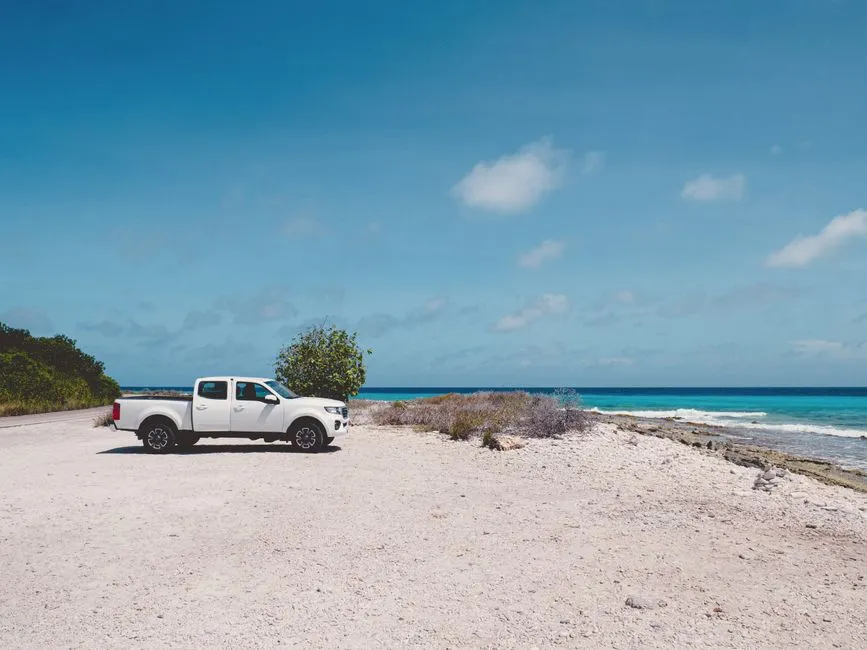
- SUV or 4x4: relevant mainly in French Guiana if you venture off the main roads, or to reach certain tracks. In the Antilles, a vehicle with normal ground clearance is enough in the vast majority of cases.
Don’t forget about air conditioning (all but essential at these latitudes) and the gearbox: manual is still the norm, while automatics need to be reserved and cost a little more. Book the category that truly matches your needs rather than oversizing: a big vehicle uses more fuel and is harder to thread through narrow streets.
Airport pickup: how it works
Most agencies offer pickup directly at the airport, which saves you precious time the moment you land. The three main airports are:
- Martinique: Aimé Césaire airport (Le Lamentin).
- Guadeloupe: Pôle Caraïbes airport (Les Abymes / Pointe-à-Pitre).
- French Guiana: Félix Éboué airport (Matoury, near Cayenne).
A few useful reflexes:
- Check the counter’s opening hours, especially for a flight arriving late at night: some agencies charge an after-hours surcharge or close their desk.
- Note the exact pickup location: airport car park, shuttle to a nearby depot, or a specific meeting point. Ask for written confirmation.
- Allow some buffer time after a long flight: baggage claim, formalities and the vehicle inspection all take time.
- Keep the agency’s direct contact details so you can let them know if your flight is delayed.
Insurance, excess and deposit: what to watch out for
This is the area that holds the most unpleasant surprises. Take the time to read the conditions before you sign.
- Basic insurance: third-party liability is generally included, but it leaves you responsible for an excess that can be high in the event of damage or theft.
- Excess waiver: this reduces or even eliminates the amount you would otherwise have to pay. It’s often the most reassuring option for a worry-free stay.
- Deposit / security hold: the agency pre-authorises an amount on your bank card. Check the amount blocked, the duration and the exact conditions for its release.
- Bank card in the driver’s name: the deposit almost always requires a credit card (not a debit card) in the name of the main driver.
- Common exclusions: unpaved tracks, driving on sand, under-inflation, and damage to tyres, rims and the underbody are often not covered. Ask what’s covered before you leave the tarmac.
Carry out a thorough inspection at both pickup and return: photograph every scratch, the fuel level and the dashboard. These time-stamped photos are your best protection in the event of a dispute over the deposit.