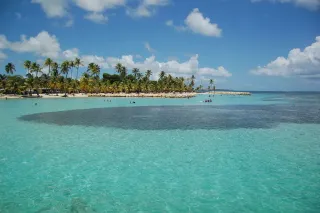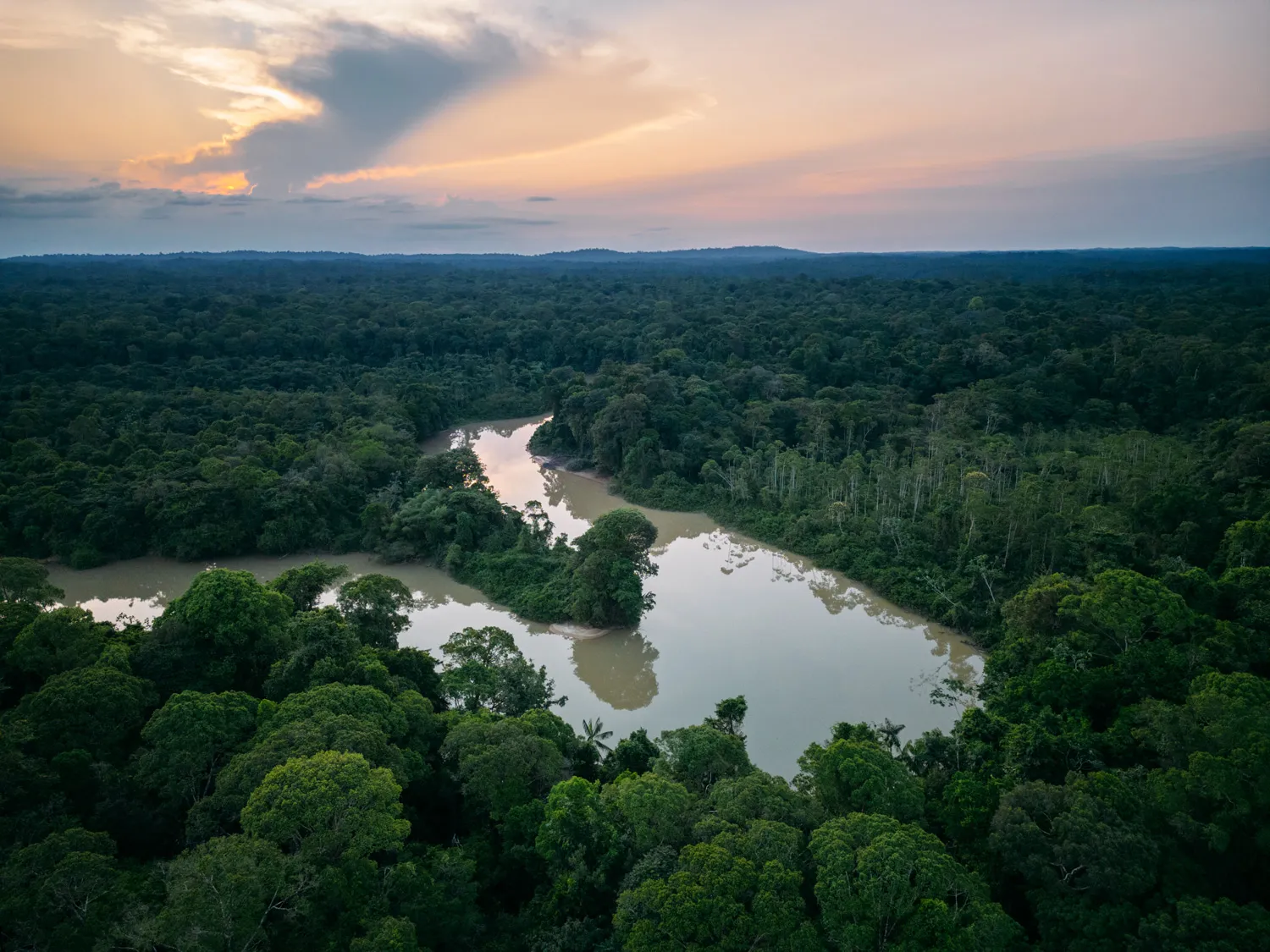
Leaving mainland France for French Guiana with children also means relearning how to fill your weekends. The rhythm is nothing like that of a big European city: there are no vast theme parks or ice rinks around the corner here, but rather an ever-present natural world, a blended culture and outings you invent according to the weather and the season. Many newly settled families wonder, from their very first weeks, what to do on a Saturday with the little ones. This article brings together concrete pointers, town by town, to keep children busy at the weekend during your settling-in period, while you are still discovering the territory, often from temporary accommodation, before your routines have taken shape.
The price and duration figures given here are indicative only: they vary with the season (rainy season roughly from December to July, dry season from August to November), school holidays and individual operators. Always check opening times before setting off, because in French Guiana an activity can close without notice after heavy rain or flooding.
Understanding the rhythm of weekends in French Guiana
The first thing to take on board is the climate. It is hot and humid all year round, with downpours that are sometimes violent but short. Outdoor outings are best planned for the morning, before the peak heat and the late-afternoon storms. Always pack plenty of water, hats, sunscreen, insect repellent and a change of clothes.
A weekend in French Guiana usually revolves around three poles:
- Water: coastal beaches, criques (freshwater rivers) and waterfalls in the forest.
- Nature and animals: trails, the zoo, nature reserves, wildlife watching.
- Culture and local life: markets, media libraries, community associations, village festivals.
Whether you settle on the Île de Cayenne (Cayenne, Rémire-Montjoly, Matoury), in the west (Kourou, Saint-Laurent-du-Maroni) or elsewhere, what is on offer changes a great deal. Most families arriving from mainland France start out in the Cayenne conurbation, where facilities are concentrated.
A reasonable weekend budget
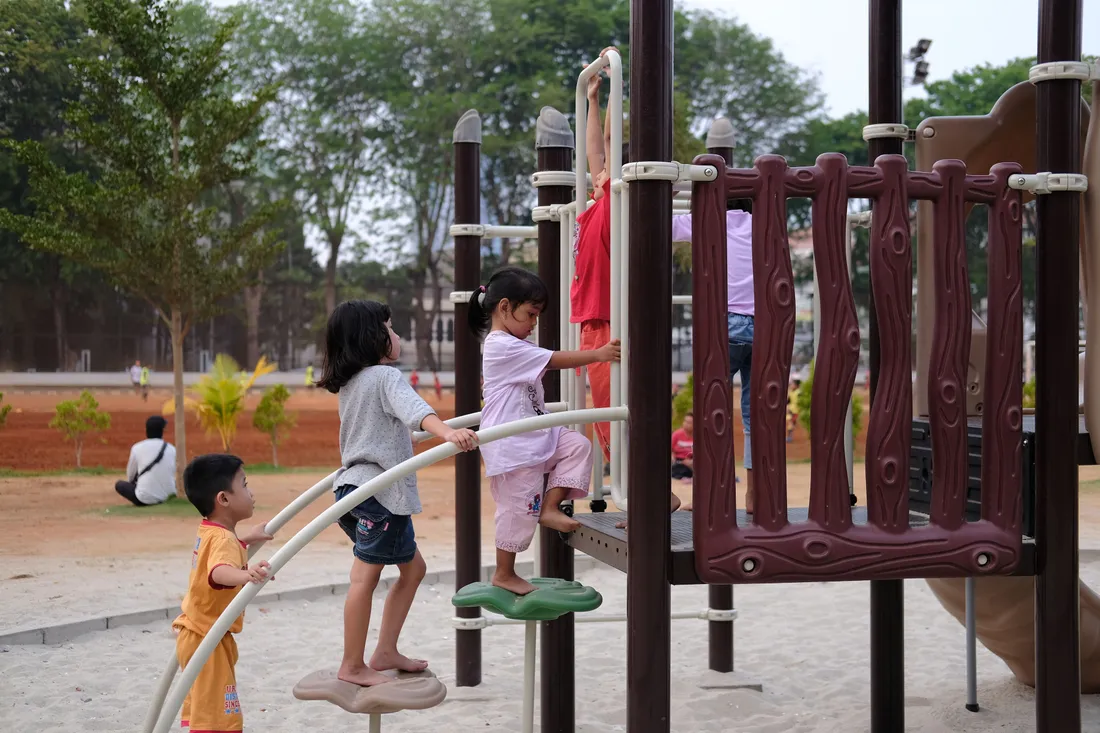
Many children’s activities in French Guiana are free or inexpensive: the beach, the criques, the markets, the playgrounds. Paid outings (the zoo, guided pirogue trips, treetop adventure courses) represent an occasional expense. As a rough guide, a paid family outing often falls within a range of a few tens of euros for a family, but this depends heavily on the operator and the number of children. The biggest single cost is often fuel, since distances can be long.
On the Île de Cayenne: the coastal essentials
The Cayenne conurbation concentrates most of the easy outings for recently arrived families.
The beaches of Rémire-Montjoly
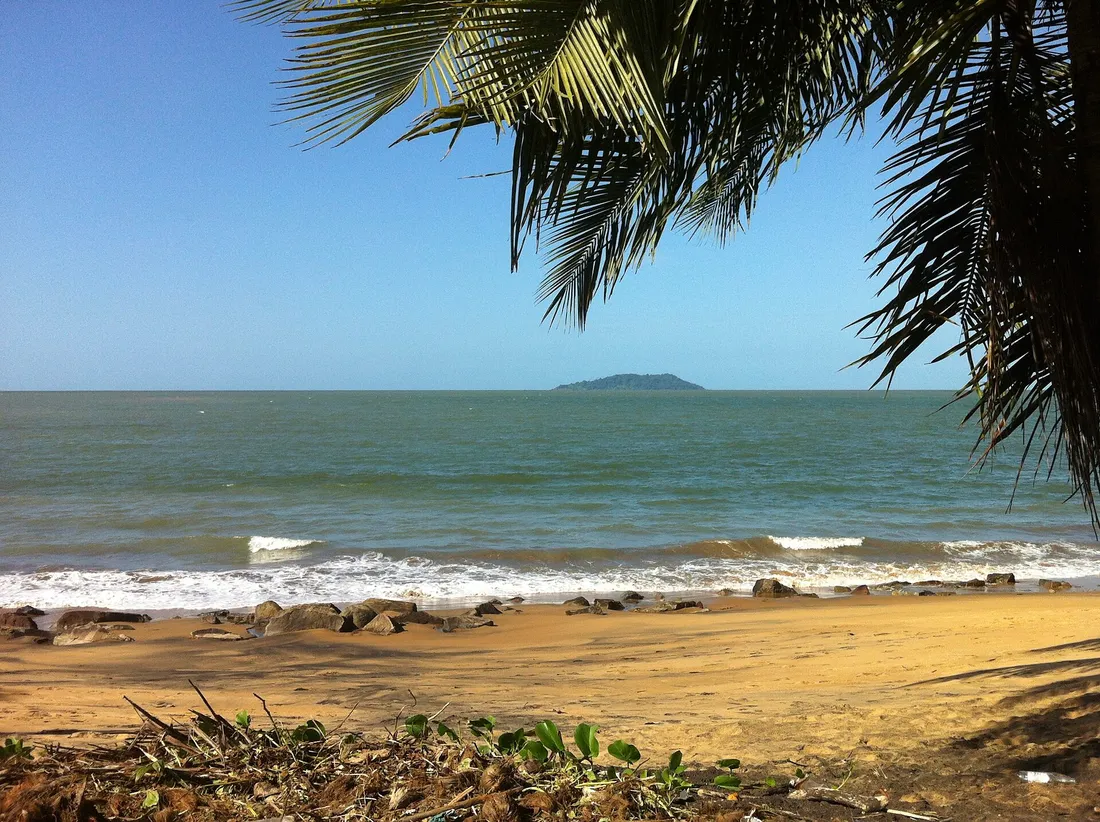
Rémire-Montjoly lines up several accessible beaches, such as Montjoly beach or Les Salines. The water is heavy with sediment (the Amazon is not far away), so it is ochre rather than turquoise, but children love playing in it. The Rorota trail, a family-friendly loop of about 6 km around a lake, is manageable at a gentle pace with children used to walking; shorter variants exist. You sometimes come across monkeys and plenty of birds.
Between roughly March and July, the Montjoly beaches become a nesting site for sea turtles. Local associations run supervised night-time observation outings: a memorable experience for children, provided the rules are respected (no lights, keep your distance, stay quiet).
Downtown Cayenne
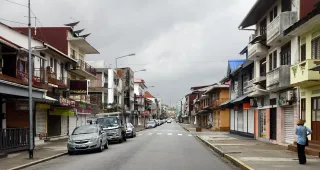
At the weekend, Cayenne market (Saturday morning in particular) is an outing for the senses: spices, fruit, bouillon d’awara, Chinese soup, Amerindian and Hmong crafts. For a family that has just arrived, it is also a good way to start understanding the cultural blend that defines French Guiana. The Place des Palmistes, with its tall palm trees, open spaces and evening food trucks, is a family meeting point.
The town has media libraries and a public library offering, depending on the time of year, story hours and free children’s activities. Contact the local authority and the cultural venues to find out the term’s programme.
The French Guiana Zoo (Macouria)
About thirty minutes from Cayenne, in the town of Macouria, the Zoo de Guyane presents Amazonian wildlife (jaguars, giant otters, monkeys, caimans, birds) along a forest trail with canopy walkways. It is one of the safest bets with children, and best planned for the morning. Allow half a day on site.
Criques and waterfalls: the nature weekend
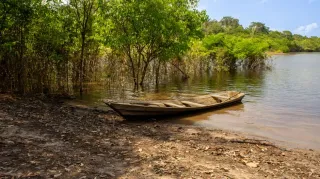
What mainland France does not offer is the crique: a freshwater river, often in the forest, where you swim in the shade. It is the great pleasure of a French Guiana weekend with children.
- Crique Gabrielle (the Roura area) and other inland criques are suitable for family swimming.
- The Fourgassié waterfalls (Roura) offer an easily accessible setting for a picnic.
- Towards Cacao, a village of Hmong origin about an hour from Cayenne, Sunday morning is famous for its market (soup, fritters, crafts); it is easy to combine market, swimming and sightseeing there.
A few safety rules to pass on to children as soon as you arrive:
- Never swim alone, and keep the youngest under constant supervision.
- Beware of the current after heavy rain (levels can rise fast).
- Avoid unfamiliar spots without a local’s advice.
Roura, Montsinéry, Kaw: wildlife as a family
The towns of Roura and Montsinéry-Tonnegrande offer supervised nature outings. The Kaw marshes are famous for watching caimans and birds at dusk, usually by pirogue with a guide. This kind of outing suits slightly older children better (patience, timings, mosquitoes), but it remains a powerful memory of a weekend in French Guiana.
Kourou and the west: other horizons
If you settle in Kourou, the town associated with the Guiana Space Centre offers tours of the space site (with access and age conditions to check) and the Musée de l’Espace, a great favourite with children. Kourou also has a beach and a jetty serving the Îles du Salut, a day trip that families enjoy (boat, trails, iguanas, and the penal colony’s history to recount depending on age).
Further west, Saint-Laurent-du-Maroni offers a riverside atmosphere (the Maroni, the border with Suriname), pirogue trips and heritage linked to the penal colony. The distances from the Île de Cayenne are considerable (several hours’ drive), so it is more of a full-weekend getaway.