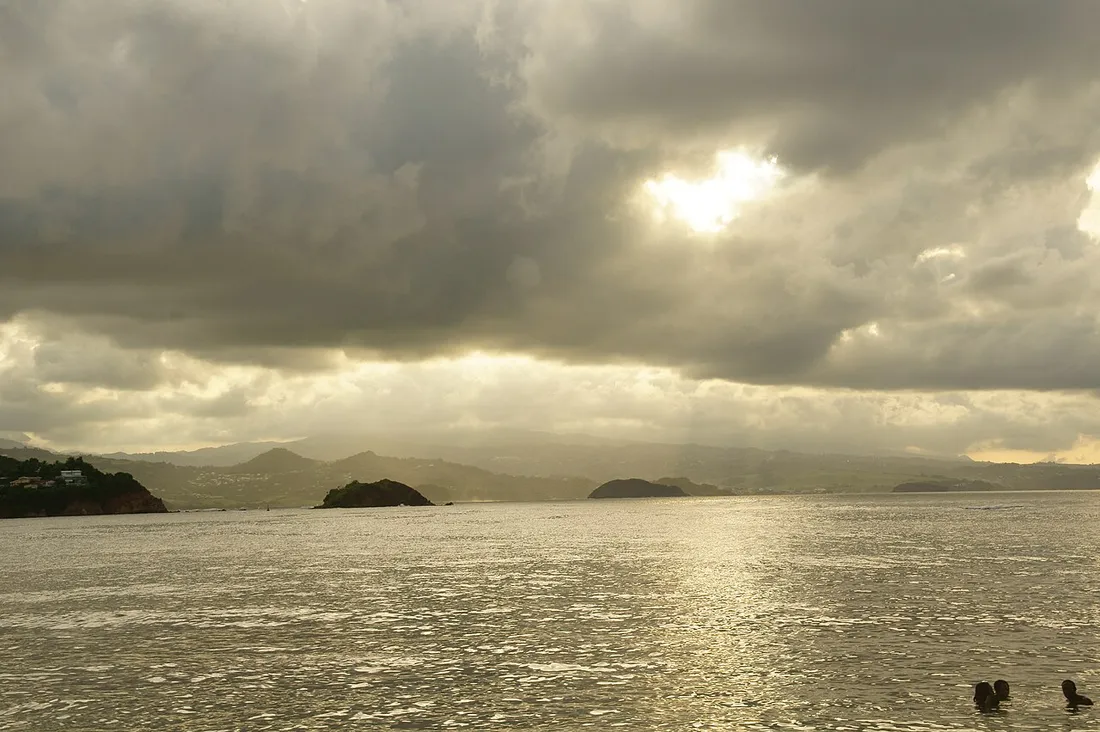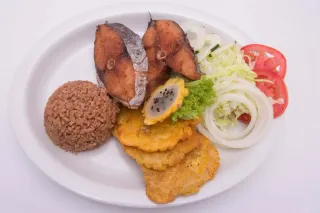
In Martinique, Easter is far more than a Sunday with the family: it kicks off a long weekend when the whole island heads for the sea. Tents pitched on the sand, transistor radios blasting biguine, pots simmering from early morning… and at the centre of it all, one dish: the crab matoutou. This land-crab stew over fragrant rice is to Martinique what turkey is to Christmas elsewhere. After several Easters spent on the southern beaches, here is everything you need to understand about this living tradition, and how to enjoy it without a misstep. If you’re looking to taste crab matoutou at Easter in Martinique, you’re in the right place.
Crab matoutou, the totem dish of Easter
Matoutou (also written matété depending on the town and the family) is a Creole dish based on land crab, rice, spices and chilli. The crab is first cleaned, blanched, then slowly simmered in a sauce flavoured with bay rum leaves (bois d’Inde), country onion, garlic and roucou, before being bound with rice cooked in the cooking juices. The result is hearty, spicy, and traditionally eaten by hand at a large communal table.
An Amerindian root turned Creole
The word itself betrays the island’s history. Matoutou comes from Tukusipan/Arawak-Carib: originally it referred to a wooden rack on which the Amerindians laid out their food. The dish is one of the rare direct culinary witnesses of the Amerindian heritage, reclaimed over the centuries by Creole cuisine. That is what makes it far more than a simple recipe: a piece of collective memory.
Why land crab, and why at Easter
Being a Lenten dish, matoutou is eaten after the long abstinence that precedes Easter. Land crab, abundant and accessible, was the meat of modest families: people hunted it themselves, for free, in the mangroves and the hills. Serving crab at Easter meant celebrating the end of privation without going broke. The tradition took root so deeply that it still shapes the entire Martinican Easter weekend today, then plays out again at Pentecost.
The calendar: hunting the land crab
It’s impossible to talk about Martinican culinary tradition around Easter without mentioning the crab hunt, a ritual in its own right that fills the weeks leading up to the holidays.
When and how the crabs are hunted
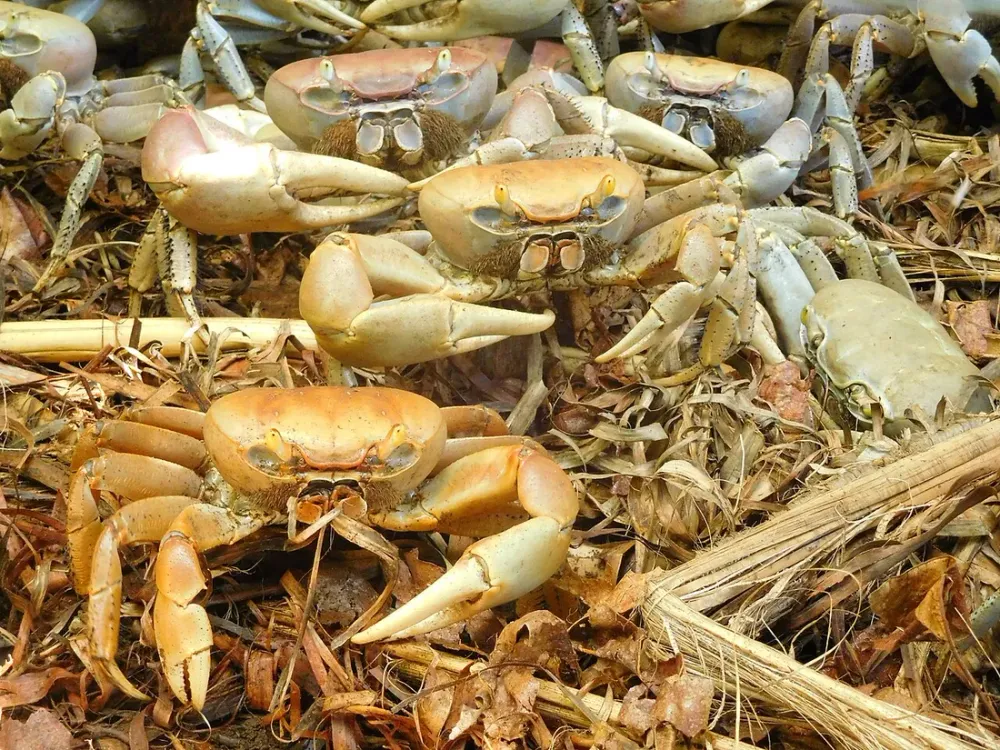
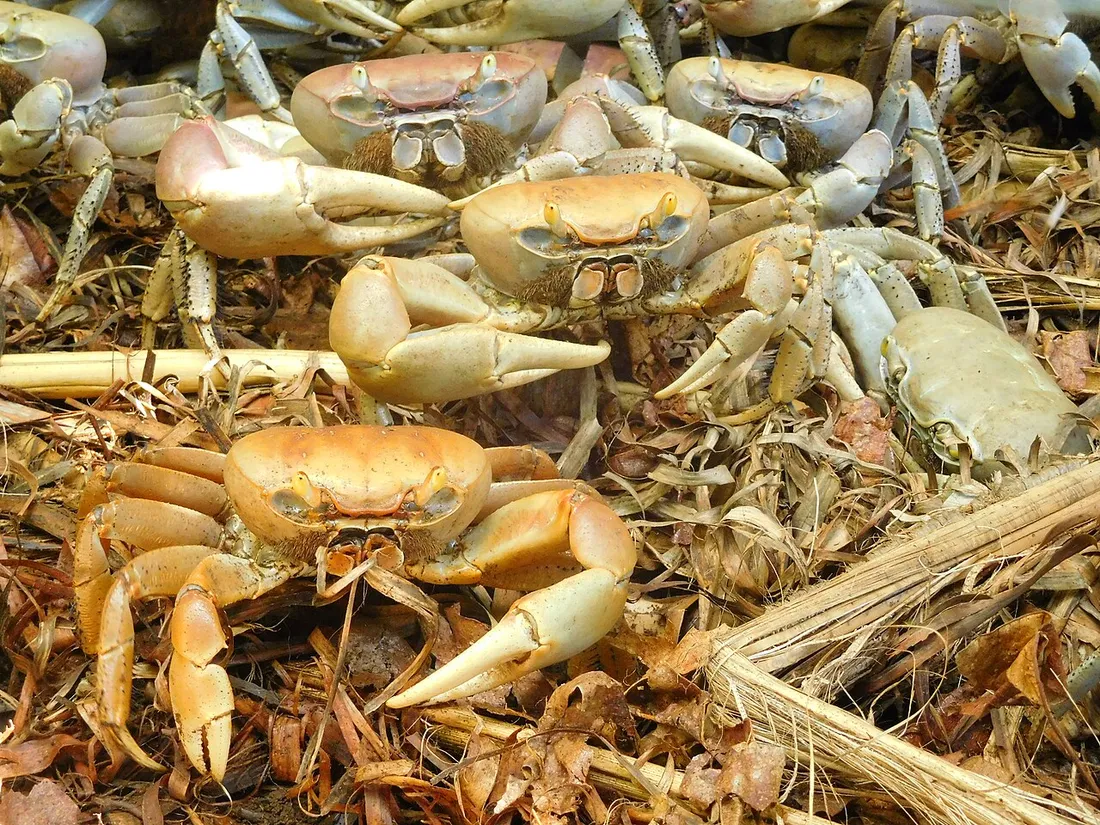
The land crab (Cardisoma guanhumi, the “white crab”, and the Gecarcinus, the red-and-purple “tourlourou”) comes out mainly after the first rains and during the spring tides. Hunters set z’attrapes (handmade traps of bamboo or bottles) along the holes, in the wetlands and the mangrove edges. In the weeks before Easter, it’s a flurry of activity: the live crabs are “purged” for several days in barrels, fed chilli, corn and leaves, to cleanse their flesh.
Buying your crabs rather than hunting them
Not everyone hunts. At the markets and roadsides of the South and Centre, live crabs are sold in tied bundles in the days before the holidays. A few price benchmarks observed over recent years:
- Live land crabs: €6 to €12 each depending on size and the year’s scarcity (prices soar when the season is dry).
- Ready-made matoutou, sold in a tray by a caterer or a lolo: €18 to €28 for a generous portion.
- Frozen or imported crabs: a cheaper alternative out of season, but purists swear only by fresh local land crab.
An important regulatory point: hunting the land crab is governed by prefectural decree (seasons, quotas, protected zones). As a visitor, it’s better to buy from registered fishers and hunters than to try your own luck.
The Easter outing on the southern beaches
The heart of the tradition isn’t only the dish: it’s the Easter camping. From Good Friday to Easter Monday, thousands of families set up tents by the water for several days.
Where to soak up the atmosphere
The Caribbean-coast and southern-tip beaches hold most of the buzz:
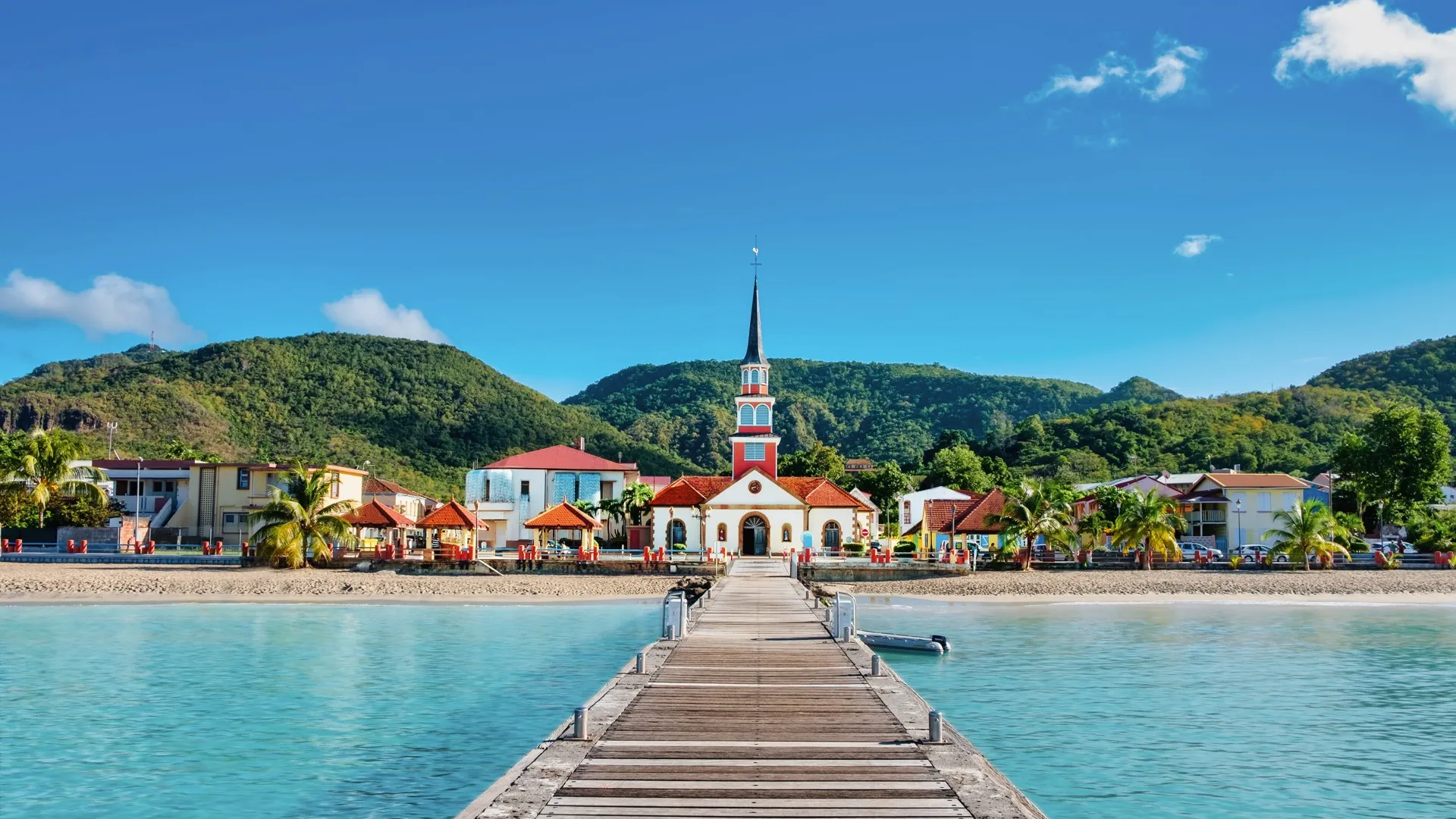
- Sainte-Anne: Pointe Marin beach and above all Grande Anse des Salines fill with encampments. A family vibe, music, games of dominoes and shared matoutou.
- Le Marin and the bay: jetty, bars and restaurants packed to the rafters, passing sailors.
- Le Diamant, Sainte-Luce, the Anses-d’Arlet: more scattered camps but just as convivial.
- On the Atlantic side, Cap Chevalier and Cap Macré draw those after a wilder setting.
Tasting matoutou when you’re just passing through
No tent or family on site? You can absolutely still enjoy the dish:
- At the lolos (beachside hut-restaurants), which put matoutou on the menu around Easter and Pentecost.
- From Creole caterers and the pop-up stands set up near the beaches over the Easter weekend.
- By booking ahead at a Creole restaurant in the South: many offer a special Easter menu, but tables go fast.
Our on-the-ground tip: order the day before or early in the morning. Matoutou is made in large batches and runs out during the day. To spot other specialities worth tasting on site, take a look at our complete guide to Martinique.