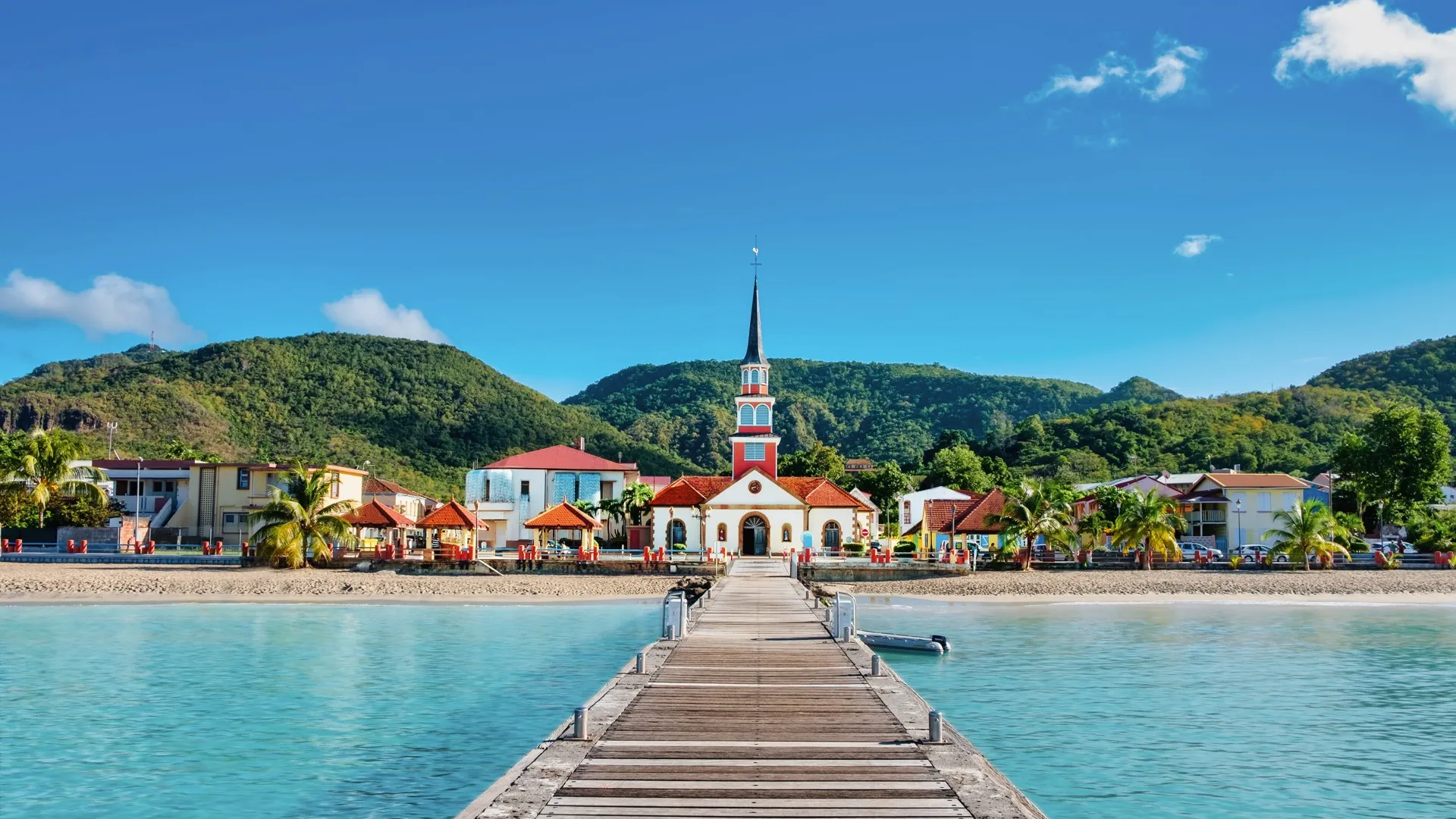
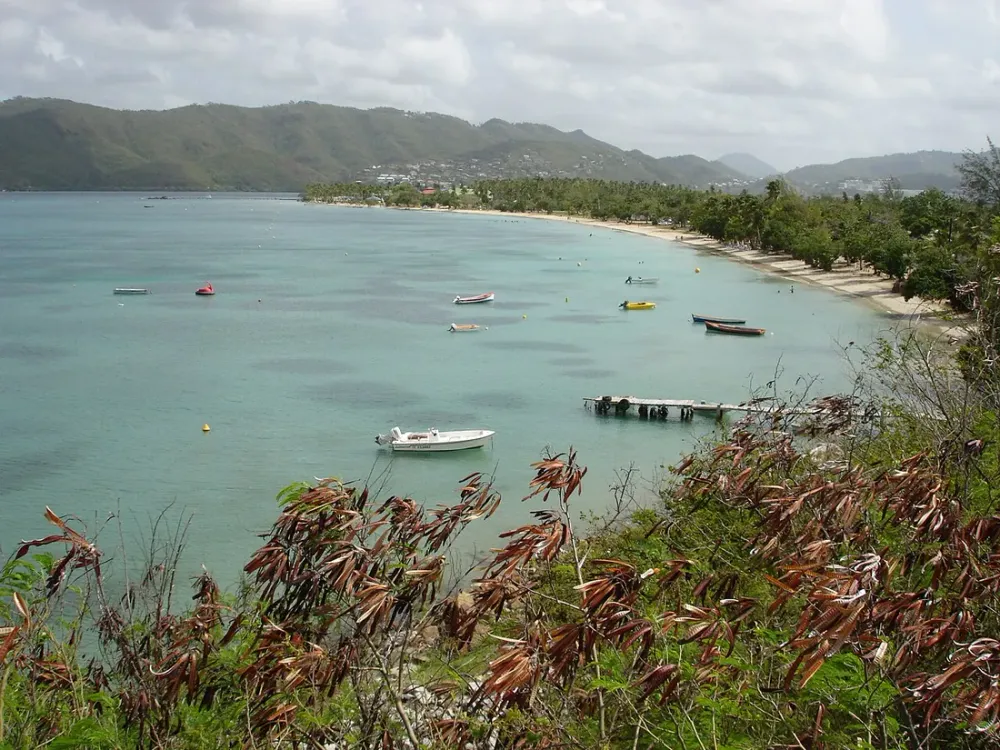
Nicknamed the island of flowers, Martinique packs into a compact territory everything that makes the Caribbean magical: white-sand beaches lined with coconut palms, a majestic UNESCO-listed volcano, lush tropical forest, colourful fishing villages and a vibrant Creole culture carried by rum, zouk and a generous cuisine. In just a few days, you can travel from the turquoise shallows of the South to the wild gorges of the North, never spending too long on the road. This complete guide helps you prepare your trip: when to go, how to get there, where to head according to your mood and, above all, how to make the most of every single day. Whether you come as a couple, with family or with friends, you’ll find here everything you need to build a holiday that’s truly your own.
When to go to Martinique?
Martinique’s tropical climate splits into two main seasons that you’ll want to understand when choosing your dates.
The dry season, known locally as the carême, runs from December to April. This is the most pleasant period: clear skies, refreshing trade winds, low humidity and a sea that’s often calm on the Caribbean side. It’s also the high tourist season, particularly around the end-of-year holidays and carnival, a time when it’s best to book your accommodation and your car well in advance.
The wet season (hivernage), from June to November, corresponds to the rainy season and the hurricane period. Don’t strike it off your plans, though: the showers are often short and intense, followed by bright sunshine, the vegetation is dazzling and prices are noticeably gentler. It’s an excellent window for travelling on a budget, provided you keep an eye on the weather and stay flexible.
Both air and water temperatures hover around 27°C all year round, which makes swimming pleasant at any time. For a first trip focused on relaxing and hiking, aim for February to April.
How to get there and get around?
Martinique Aimé-Césaire Airport (FDF), located in Le Lamentin, handles direct flights from mainland France and regional connections to the other islands of the Caribbean arc. Expect an average of 8 to 9 hours of flying time from Paris.
Once you’re there, a car is all but essential to explore the island freely. Public transport exists but remains limited for a traveller in a hurry. To roam between the southern beaches, the distilleries and the northern trails at your own pace, book your car rental as soon as your flights are confirmed, especially in high season when demand is strong. Drive carefully: the mountain roads are winding and the signage can be sparse.
A few distance markers
- Fort-de-France to Trois-Îlets: around thirty minutes by road, or a pleasant ferry crossing from the Pointe Simon.
- Fort-de-France to Les Salines (Sainte-Anne): allow around an hour heading to the far South.
- Fort-de-France to Saint-Pierre and Mount Pelée: a good hour along the Caribbean coast.
The wild North: Mount Pelée, Saint-Pierre and tropical forest
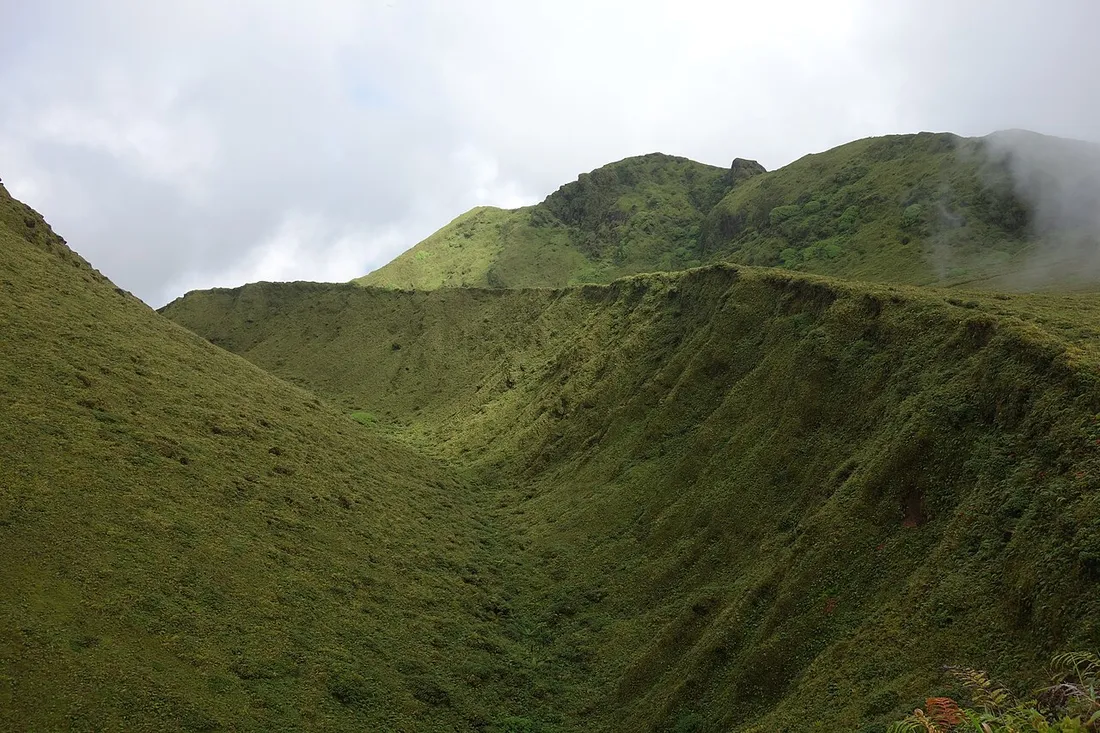
The North of Martinique is the realm of spectacular nature. This is where Mount Pelée rises, the island’s emblematic volcano whose northern volcanoes and forests are listed as a UNESCO World Heritage Site. The climb, demanding but accessible to fit walkers, rewards you with grandiose panoramas over the island and the Caribbean Sea. Set off early in the morning, bring sturdy shoes, plenty of water and a windbreaker, as the summit often clouds over during the day. To plan this outing well, take a look at our dedicated guide to Mount Pelée and the Route de la Trace.
At its feet, Saint-Pierre, the former “little Paris of the Caribbean”, preserves the memory of the 1902 eruption through its moving ruins and its museum. The Route de la Trace, which winds through the rainforest, leads to the famous Balata Gardens, a botanical jewel brimming with tropical flowers, and offers some of the island’s finest viewpoints. The harsher Atlantic North appeals to lovers of coastal hikes, such as the Caravelle peninsula.
The seaside South and the Trois-Îlets peninsula
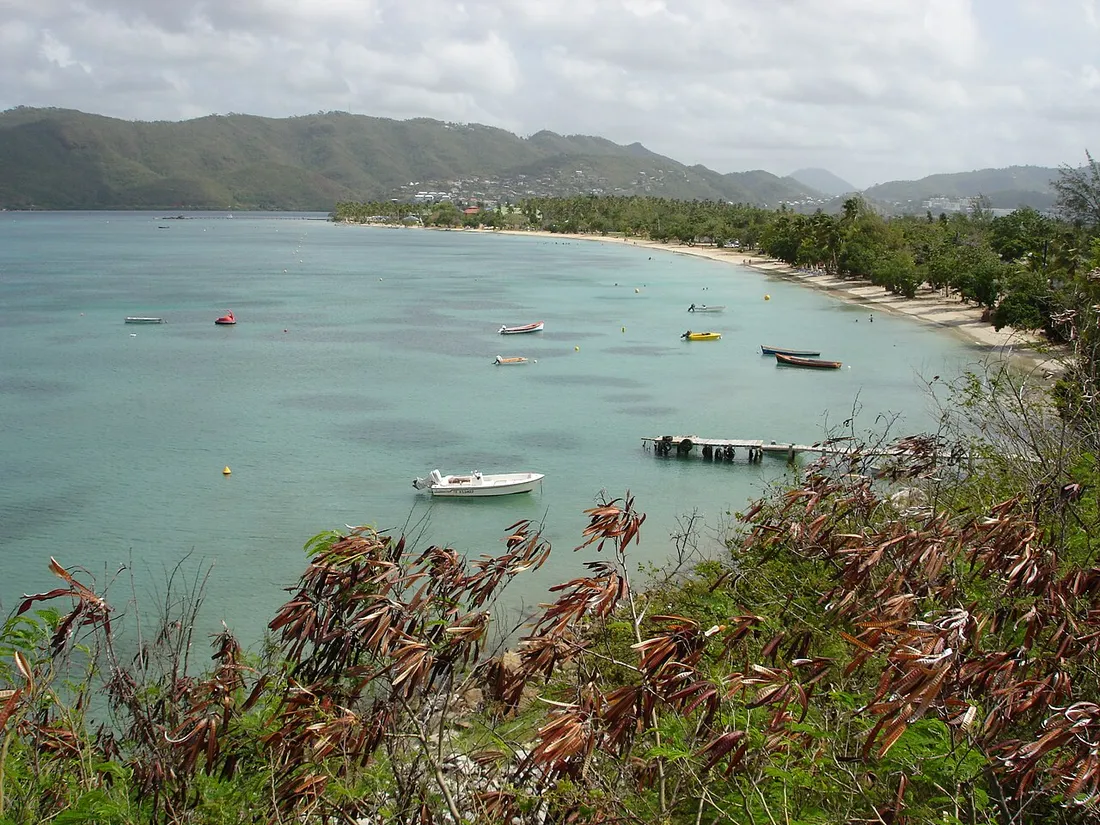
The South is Martinique’s seaside postcard. This is where you’ll find the most renowned beaches and the most translucent waters. The Trois-Îlets peninsula, facing the bay of Fort-de-France, is the tourist heart of the area: a lively marina, a golf course, a Creole village, museums and a string of family-friendly beaches. So you don’t miss a thing, browse our article on what to do in Trois-Îlets.
Further south, Sainte-Anne and Le Marin unfurl a dream coastline, while the Caribbean coast alternates between secluded coves and dive spots. This part of the island is ideal for settling in for several days and venturing out to the beaches as the mood takes you.
What are the most beautiful beaches?
It’s hard to rank Martinique’s beaches, they’re so varied. Here are our must-sees, from paradise-white sand to black-sand coves.
- Les Salines (Sainte-Anne): the island’s most famous, a vast stretch of white sand fringed with coconut palms and lapped by shallow water. Arrive early at the weekend to enjoy the calm and park your car easily.
- Anse Dufour & Anse Noire: two neighbouring coves linked by a path, perfect for snorkelling. Anse Noire, with its dark volcanic sand, contrasts beautifully with its lighter neighbour; you’ll often come across sea turtles there.
- Anse à l’Âne (Trois-Îlets): a family-friendly, sheltered beach facing the bay of Fort-de-France, with a handy ferry to the capital.
- Cap Macré: on the Atlantic coast, a wild, windy beach for those who love tranquillity and wide-open spaces.
For a complete overview with access and safety tips, read our selection of the best beaches in Martinique.