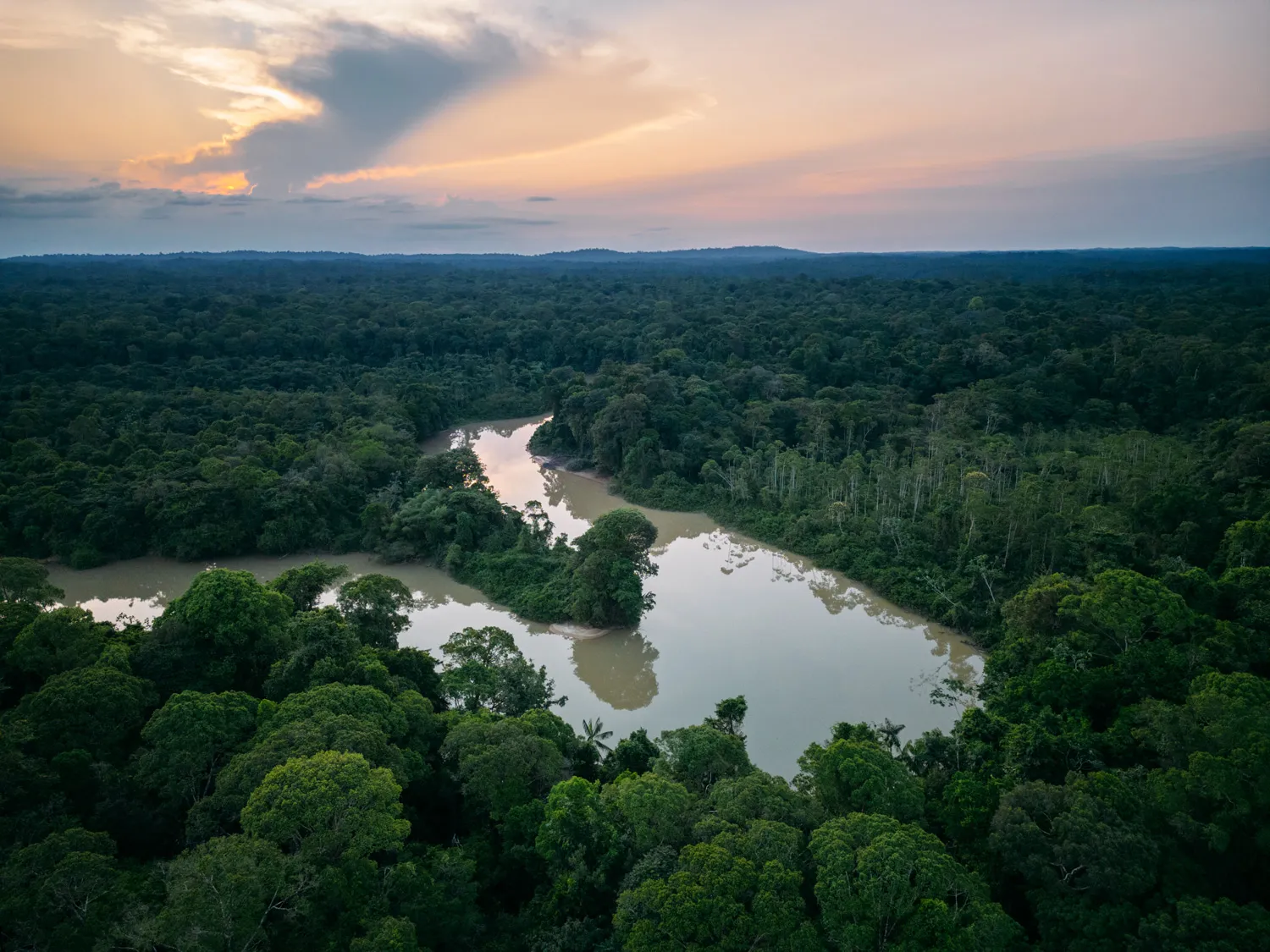
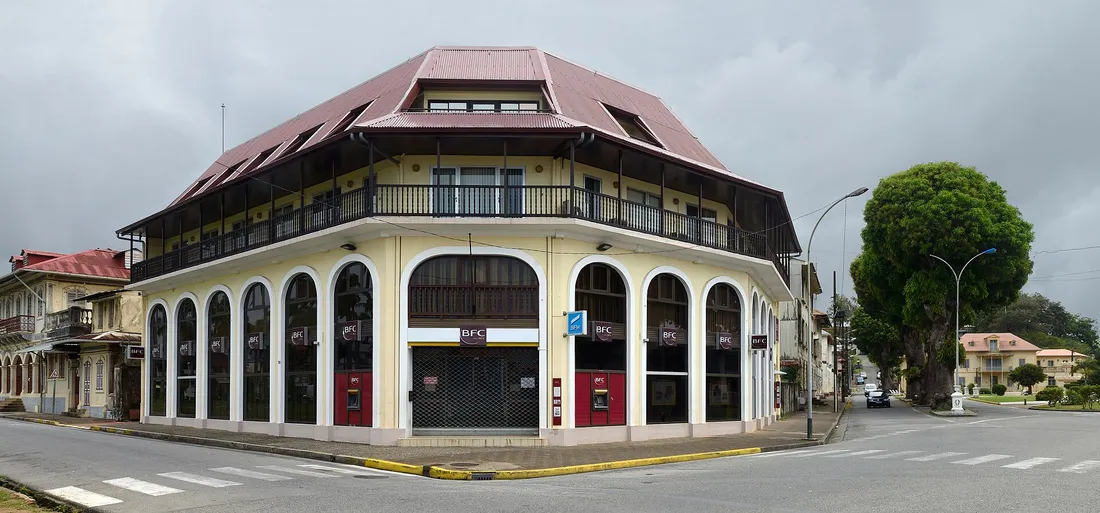
When you land from mainland France to settle in French Guiana, your first thoughts go to housing, schools, work and paperwork. Health usually comes second. Yet it is one of the few areas where a handful of simple habits genuinely transform your first few months. The equatorial climate, the ever-present forest and above all the mosquitoes call for a small adjustment. Nothing insurmountable: hundreds of families settle every year in Cayenne, Kourou, Rémire-Montjoly, Matoury or Saint-Laurent-du-Maroni and live very well. But it is far better to arrive informed than to learn the hard way. This guide covers what a newcomer really needs to know: the compulsory yellow fever vaccination, mosquito-borne diseases, protection habits and how the local healthcare system works.
Yellow fever: the compulsory vaccination you must not forget
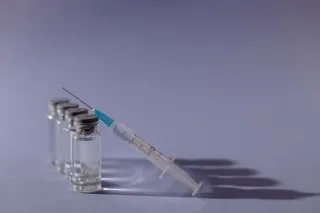
This is the most important point, and often the first one overlooked. French Guiana is the only French territory where yellow fever vaccination is compulsory for anyone residing or staying in the territory, from the age of 12 months (with a few medical exceptions).
In practice:
- The vaccine is administered in an approved international vaccination centre. In mainland France, these can be found in most large cities (hospital infectious diseases departments, travel medicine centres).
- A single injection provides protection now considered long-lasting, even lifelong, for most adults.
- The vaccine should ideally be given at least 10 days before arrival to be fully effective.
- Proof is recorded in the international vaccination certificate (the famous yellow book). Keep it safe: you may be asked for it, particularly for certain regional trips (Brazil, Suriname, etc.).
What if I am already there and not vaccinated?
This happens regularly with slightly rushed arrivals. You can still get vaccinated locally, in French Guiana, at authorised facilities. The best approach is to contact the Regional Health Agency (ARS) of French Guiana or your future family doctor to find the centre closest to your town. Do not put this off: it is both a legal obligation and genuine protection.
Understanding Guianese mosquitoes
In French Guiana you should not talk about “the” mosquito but about “the mosquitoes”, because several species coexist, bite at different times of day and transmit different diseases. This is the key to adapting your protection.
- Aedes aegypti: the urban mosquito, the one that lives near homes. It bites mainly during the day, peaking in the early morning and late afternoon. This is the one that can transmit dengue, chikungunya and Zika.
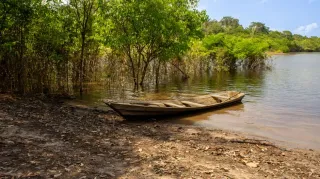
- Anopheles: more common in forest areas and along the rivers (inland sectors, western and southern communes such as Maripasoula, Grand-Santi, Camopi). It tends to bite at night and can transmit malaria.
This day/night distinction explains why protection never comes down to simply putting up a mosquito net at bedtime. On the coast, in Cayenne or Rémire-Montjoly, the everyday risk mainly comes from daytime bites.
Where do mosquitoes breed?
Mosquitoes lay their eggs in standing water, even in tiny amounts. Around a home, the classic breeding sites are:
- Flowerpot saucers and vases.
- Blocked gutters and poorly covered rainwater butts.
- Old tyres, buckets, tarpaulins and outdoor toys that hold water.
- Air conditioners and fridges that drain water.
Emptying and cleaning these containers once a week is the most effective, and cheapest, way to reduce the mosquito population around your home.
The main mosquito-borne diseases
Do not panic: being bitten does not mean falling ill. But you need to know the warning signs and how to react. The figures and frequencies below are given as an indication only; intensity varies considerably with the season (the rainy season, roughly from December to June, is often more favourable to mosquitoes) and with epidemic episodes.
Dengue
This is the most common mosquito-borne infection on the coast. French Guiana experiences cyclical epidemic waves. Common symptoms: sudden high fever, headaches, pain behind the eyes, muscle and joint pain (“tropical flu”). Most cases resolve on their own within one to two weeks, but some forms become complicated. If you develop a fever, see a doctor and avoid self-medicating with anti-inflammatories (such as ibuprofen) and aspirin, which are not recommended where dengue is suspected.
Chikungunya and Zika
Transmitted by the same urban mosquito as dengue. Chikungunya causes severe joint pain that can sometimes persist. Zika, often mild, calls for particular vigilance in pregnant women because of risks to the foetus: if you are pregnant or planning a pregnancy, talk to a healthcare professional as soon as you arrive.
Malaria
Malaria mainly concerns the interior of the territory: river communes, gold-mining sites, forest. On the urbanised coast, the everyday risk is low. If you are planning stays in the forest, on the Maroni or the Oyapock, ask a doctor beforehand about possible prevention (chemoprophylaxis). The golden rule: any fever after returning from a forest area calls for prompt medical attention and you should mention where you have been.
Everyday protection: the right habits
The best strategy combines personal protection and home protection. Here is a realistic routine, to be adapted to your commune and the season.
Protecting your skin and clothing
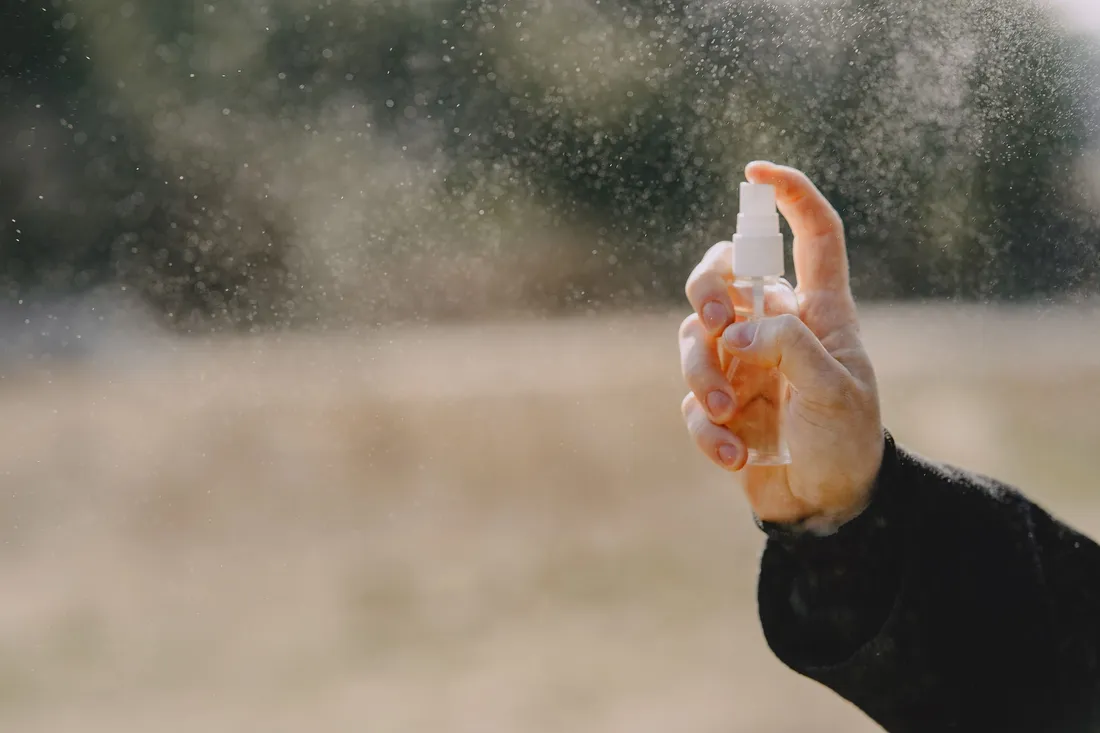
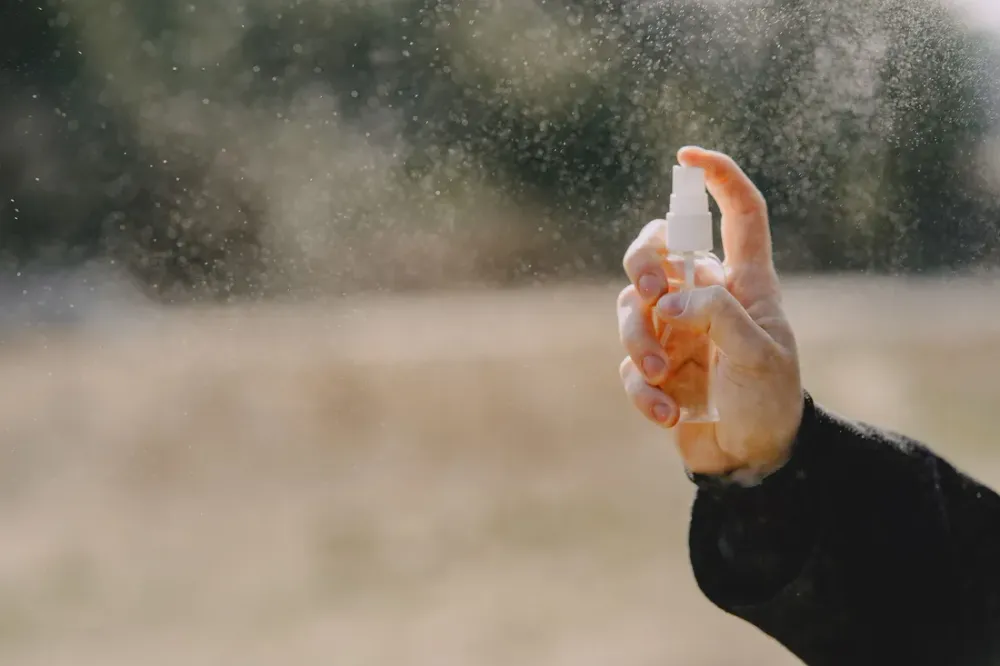
- Apply a skin repellent suited to tropical areas (check the concentration of active ingredient and follow the usage precautions, especially for children and pregnant women).
- Favour covering, light-coloured clothing in the early morning and at the end of the day.
- Reapply repellent after swimming or heavy sweating.
Protecting your home
- Fit mosquito screens on windows and, for bedrooms, a bed net (especially useful in forest areas).
- Use air conditioning or a fan: moving, cool air bothers mosquitoes.
- Use plug-in diffusers or coils in living areas in the evening, then air the rooms afterwards.
The newcomer’s checklist
- Get or check your yellow fever vaccination (yellow book up to date)
- Update your standard vaccinations (DTP, hepatitis, etc.) before departure
- Plan for repellents, mosquito nets and plug-in devices from day one
- Locate the health centre, pharmacy and doctor closest to your home
- Take out or check your health cover (see dedicated section)
- Remove standing water around the home every week
- Put together a small first-aid kit (thermometer, paracetamol, antiseptic)