Preparing a move or a professional transfer to Martinique, Guadeloupe or French Guiana involves far more than a plane ticket and a shipping container. Health tends to arrive far too late on the priority list, when in fact it deserves to be handled several weeks before departure. The French West Indies and French Guiana do not share the same health profile at all: you can arrive in the Caribbean islands almost as you would travel to the south of France, whereas French Guiana, an Amazonian territory, imposes genuine obligations, starting with yellow fever vaccination. This guide lays out, factually and concretely, what to prepare on the health front before leaving mainland France, with a clear distinction between each territory.
Three territories, three health realities
The first mistake is to treat “the overseas territories” as one homogeneous block. The differences matter.
Martinique and Guadeloupe: tropical islands of the Lesser Antilles, with a good level of healthcare infrastructure (the Fort-de-France teaching hospital at La Meynard, the Guadeloupe teaching hospital at Pointe-à-Pitre / Les Abymes). No vaccine is compulsory to travel there from mainland France. The main issue is preventing mosquito-borne diseases, dengue in particular.
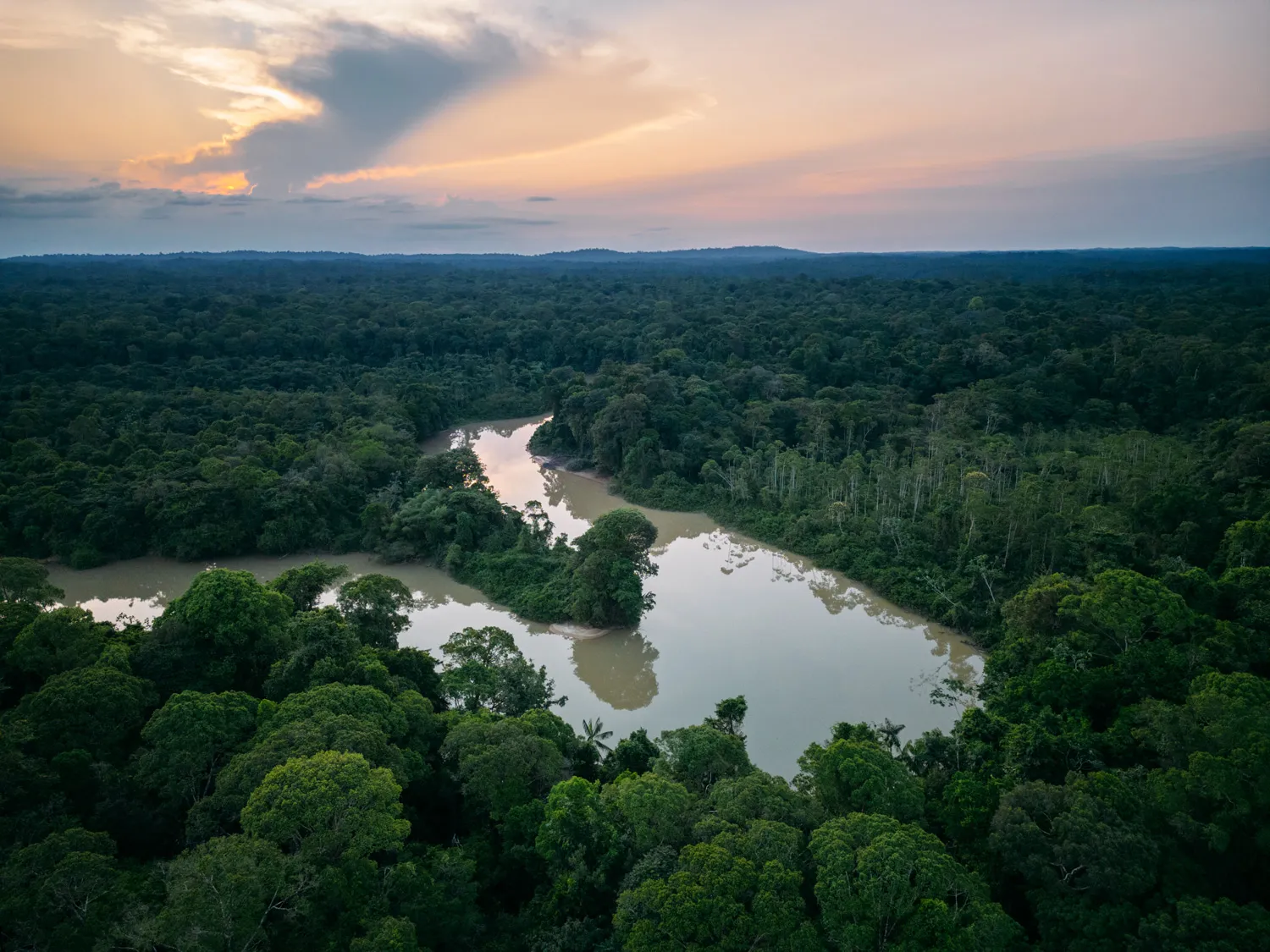
French Guiana: an Amazonian department bordering Brazil (Oyapock, Saint-Georges) and Suriname (Maroni, Saint-Laurent). Yellow fever vaccination is compulsory there for anyone over one year of age. Malaria is still present in some inland areas, along the rivers and in gold-mining zones.
In other words: for the West Indies, it is mostly a matter of common sense and prevention; for French Guiana, there are real steps to take before you go.
Yellow fever: the requirement not to forget for French Guiana
This is the most important section of this article if French Guiana is your destination.
A compulsory, lifelong vaccination
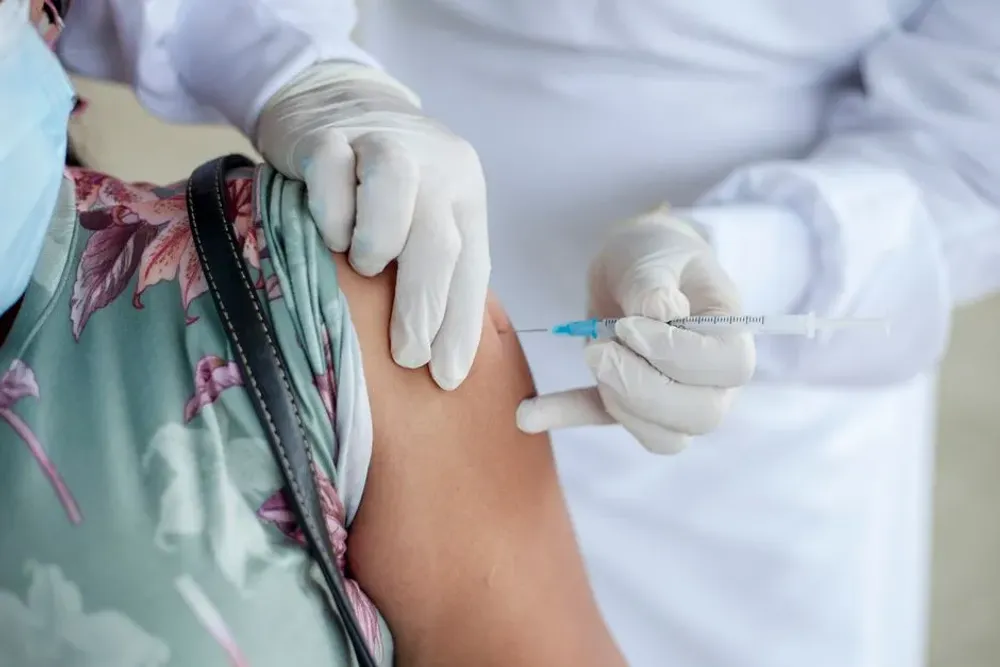
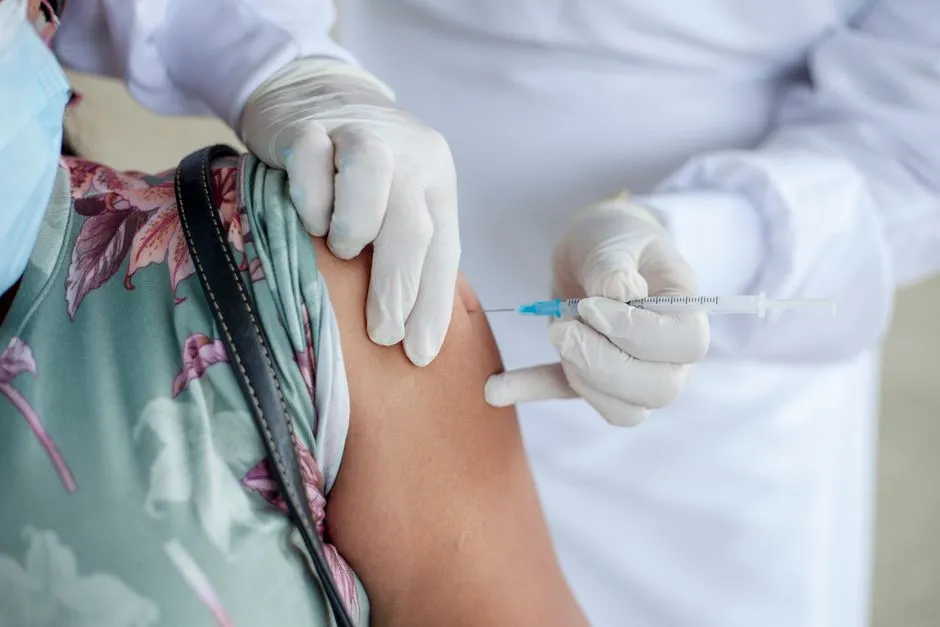
Yellow fever vaccination is compulsory in order to live in French Guiana from the age of one. It is administered in an approved international vaccination centre, because this vaccine cannot be given by just any medical practice: it requires an accredited centre, which issues the international certificate of vaccination (the famous yellow card) that serves as official proof.
Since 2016, international guidance has held that a single dose confers lifelong protection in the vast majority of cases. If you have already been vaccinated in the past (an earlier trip to the tropics, military service, and so on), check your record: a previous dose may be enough. If in doubt, the international vaccination centre will settle the question.
Plan ahead for the lead time
The practical point to remember: the vaccine should ideally be administered at least 10 days before arrival to be fully effective, and appointments at accredited centres can be in high demand. Book several weeks in advance, especially during busy periods. Do not leave this to the last week before the move.
Contraindications
The yellow fever vaccine is a live vaccine, so contraindications exist (immunosuppression, certain allergies, pregnancy depending on the case, infants under 6 to 9 months). These situations must be discussed with a doctor, who can issue a certificate of contraindication if necessary. Never decide on your own to skip it.
Vaccines to bring up to date (all three territories)
Beyond yellow fever, which is specific to French Guiana, moving overseas is an excellent opportunity to bring the standard vaccination schedule up to date, for the whole family and for all three destinations.
Diphtheria, tetanus, polio (DTP): check your booster, an essential baseline everywhere.
Hepatitis A: recommended, as it can be transmitted through water and food; relevant for a long-term move.
Hepatitis B: recommended, particularly for extended stays and depending on your exposure.
Measles, mumps, rubella (MMR): make sure children and young adults are up to date.
Typhoid: to be discussed depending on your lifestyle, especially in French Guiana for stays in remote areas.
Rabies: worth raising with your doctor for French Guiana if you plan activities in the forest or far from medical facilities.
The best approach is to book an appointment with your regular doctor in mainland France before departure, vaccination record in hand, to sort out what is already up to date and what needs completing. An international vaccination centre can then fine-tune the plan according to your exact territory and your life plans on the ground.
Mosquitoes: the real day-to-day issue in the West Indies
In the West Indies there is no compulsory vaccine, but there is a permanent companion: the Aedes aegypti mosquito, the vector of dengue, chikungunya and Zika. Dengue circulates regularly in both Martinique and Guadeloupe, with epidemic surges in some years and above all during and after the rainy season (broadly from summer through to the end of the year, as a rough guide).
Day-to-day prevention
Protection is above all behavioural and environmental:
Use skin repellents suited to tropical areas.
Eliminate standing water around your home (saucers, gutters, buckets, tyres): that is where mosquitoes lay their eggs.
Fit mosquito nets and screens on openings, particularly in bedrooms.
Wear covering clothing in the evening in exposed areas.
There is no specific treatment for dengue: care is symptomatic. The best strategy therefore remains to avoid being bitten. The same reflex applies in French Guiana, where the same diseases circulate.
Contrary to a widespread belief, malaria is not a uniform risk across the whole of French Guiana. The coastal strip, where most of the population lives (Cayenne, Rémire-Montjoly, Matoury, Kourou, Saint-Laurent-du-Maroni), carries a very low to negligible risk in everyday life.
The risk is concentrated inland: along the Maroni and Oyapock rivers, in the interior communes (Maripasoula, Camopi, Grand-Santi) and in gold-mining areas.
Do you need preventive treatment?
That depends entirely on your lifestyle on the ground. For a standard move to the coast (working in Cayenne, living in Rémire or Matoury), systematic antimalarial treatment is generally not the rule. On the other hand, if your work takes you regularly into the forest or onto the inland rivers, the question should be put to a doctor or an international vaccination centre, who will tailor the approach. As a general guide, mosquito protection (repellents, treated bed net) remains the first line of defence in every case.
Social security, top-up insurance and access to care on the ground
Health before departure is not just about vaccines: it is also about the administrative side, which is often underestimated.
You stay in the French system
Good news: Martinique, Guadeloupe and French Guiana are French departments. You therefore fall under French social security exactly as in mainland France, with the same carte Vitale. There is no change of coverage to arrange as there would be for a foreign country.
In practice, remember to:
Report your move to your health insurance fund so you are transferred to the local CGSS (Caisse Générale de Sécurité Sociale), which manages health insurance overseas.
Notify your top-up health insurer of your change of department.
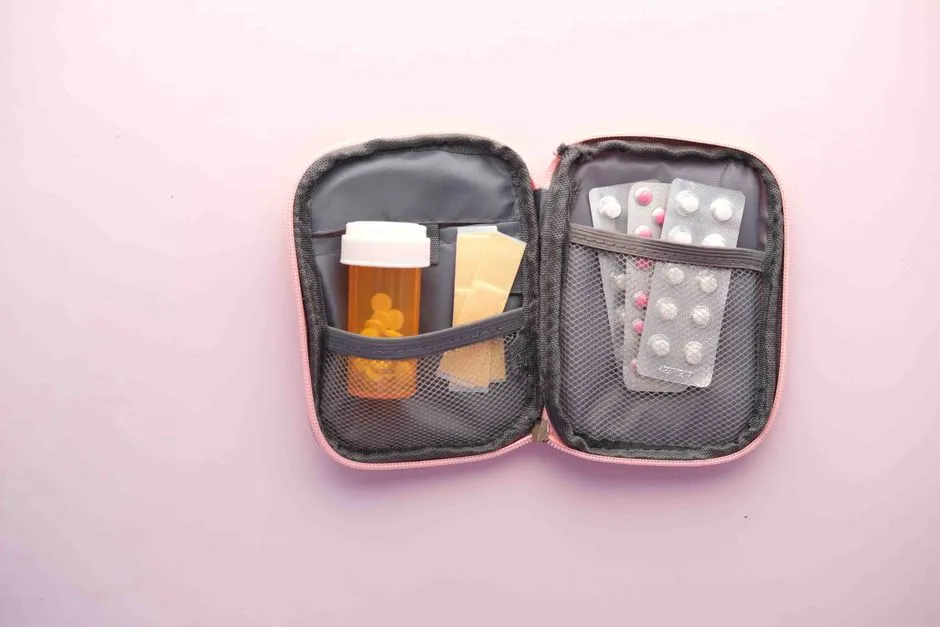
Collect your medical file and current prescriptions before leaving, along with a reasonable supply of your long-term medication to cover the time it takes to find a doctor locally.
The question of medical staffing
The West Indies and, above all, French Guiana experience varying degrees of pressure on medical staffing: quickly finding a regular doctor or certain specialists can take time, especially outside the main urban centres. Plan ahead: arrive with up-to-date prescriptions and a complete health record for the whole family.
Where do you get treatment?
Martinique: the Martinique teaching hospital (La Meynard site, Fort-de-France), plus facilities spread across the island.
Guadeloupe: the Guadeloupe teaching hospital (Pointe-à-Pitre / Les Abymes), and facilities in the various communes of the archipelago (Grande-Terre, Basse-Terre).
French Guiana: the Cayenne hospital (Andrée Rosemon), the Western French Guiana hospital in Saint-Laurent-du-Maroni, plus the decentralised prevention and care centres serving the interior communes.
Putting together a kit and managing your medication
Moving requires planning for a transition phase, sometimes several weeks, between arrival and the moment when all your everyday logistics are in place (doctor, local pharmacy, updated insurance). So travel with what you need.
The health checklist before departure
Book an appointment at an international vaccination centre (essential for yellow fever if you are heading to French Guiana), several weeks in advance
Bring the whole family’s vaccination schedule up to date (DTP, hepatitis, MMR, etc.)
Collect the international certificate of vaccination (yellow card) for French Guiana
Have prescriptions for long-term medication renewed and take a transitional supply with you
Request a copy of your medical file and any important reports
Report your change of address to your health insurance fund and your top-up insurer
Check any vaccination contraindications with a doctor where relevant
A few practical benchmarks
Take enough medication to last several weeks, giving you time to get organised locally.
High sun protection is essential all year round at these latitudes.
Keep the yellow card with your important documents (it may be requested).
Frequently asked questions
Are any vaccines compulsory for Martinique and Guadeloupe?
No, no vaccine is compulsory to settle in Martinique or Guadeloupe from mainland France. It is simply recommended to be up to date with the standard vaccination schedule (DTP, MMR, hepatitis) and to protect yourself against mosquitoes (dengue).
Is yellow fever vaccination really compulsory for French Guiana?
Yes. Yellow fever vaccination is compulsory in order to live in French Guiana from the age of one. It is given only in an approved international vaccination centre, which issues the international certificate. One dose generally confers lifelong protection; check your record if you have already been vaccinated.
Do I keep my French social security and my carte Vitale?
Yes. Martinique, Guadeloupe and French Guiana are French departments: you remain covered by French social security with the same carte Vitale. Just remember to report your move so you are transferred to the local CGSS, and to notify your top-up insurer.
Do I need antimalarial treatment in French Guiana?
Not systematically. The malaria risk is very low along the coast (Cayenne, Rémire-Montjoly, Kourou), where most residents live. It is concentrated inland, along the rivers. If you plan to spend time there regularly, discuss it with a doctor or an international vaccination centre.
How far ahead of departure should I get started?
Ideally several weeks. The yellow fever vaccine must be administered at least ten days or so before arrival to be effective, and appointments at accredited centres can be in high demand. Planning ahead avoids leaving with an incomplete health file.
Arriving with peace of mind: sort out your accommodation too
Health is prepared before departure, but a successful move also hinges on those first weeks on the ground. Between arriving, searching for permanent housing and the time it takes to update your doctor, your pharmacy and your insurance, it is often more comfortable to have temporary accommodation that is furnished and ready to live in.
Discover our properties in Martinique, Guadeloupe and French Guiana to settle in calmly while you get established, and do not hesitate to contact us: our team knows the ground and can point you in the right direction depending on the commune you are transferring to. To go further on moving overseas, browse the blog, and if you own property locally, discover our property management service.
Nous utilisons des cookies de mesure d'audience et de publicité pour améliorer votre expérience
et nos campagnes. Vous pouvez accepter ou refuser. Voir notre
politique de confidentialité.