Every year, healthcare facilities in Martinique, Guadeloupe and French Guiana call on professionals from mainland France or another territory to fill staff vacancies, provide cover or carry out one-off missions. Locum doctors, reinforcement nurses, midwives, self-employed physiotherapists, nursing managers on audit missions, laboratory technicians: they all share the same often underestimated logistical need, that of being properly housed for several weeks to several months. Yet, between the hotel that weighs down the budget of a long mission, the classic holiday rental that does not issue a usable invoice and informal subletting without any guarantee, finding accommodation that is at once comfortable, available over the long term and, above all, compliant with an employer’s accounting requirements can sometimes be a real headache.
It is precisely this need that the para-hotel offering meets. Halfway between the hotel and the furnished rental, it combines the comfort of a genuine self-contained home with the administrative rigour expected by a company: invoice in the company’s name, recoverable VAT where applicable, payment by bank transfer, degressive rates for long stays. This article explains how to organise accommodation for a healthcare mission in the French Antilles and Guiana without any nasty surprises, what to check on the invoicing and expense-claim side, and the points to watch specific to each territory.
Why healthcare missions overseas have particular accommodation needs
A locum mission in a hospital or private practice is nothing like a tourist stay. The duration generally ranges from two weeks to six months, sometimes longer for a renewed temporary doctor’s post. The hours are irregular: night shifts, on-call duty, very early starts. The professional needs to rest in peace and quiet, to prepare their own meals so as not to depend on catering, and often to have a space to work or take remote training between shifts.
On top of these constraints comes a financial dimension. In most cases, the accommodation is covered by the employing establishment, by a medical staffing agency or reimbursed via an expense claim. This changes everything: the accommodation must generate a proper accounting document. A handwritten receipt or a simple platform statement is not always enough for the accounting department of a hospital or a private practice.
The duration factor and the budget factor
Over a three-month mission, the difference in cost between a hotel and long-stay para-hotel accommodation becomes considerable. As a guide, a night in a mid-range hotel in the centre of Fort-de-France, Pointe-a-Pitre or Cayenne often falls within a range of 90 to 160 euros. Over three months, the bill largely exceeds several thousand euros and weighs heavily on the mission’s budget. Conversely, a self-contained home rented by the month with a degressive rate frequently reduces this cost significantly, while offering greater comfort: fitted kitchen, separate bedroom, living space.
These figures are given purely as a guide and vary according to the season, the location and the duration. In the Antilles, the high tourist season from December to April tends to push prices up; in French Guiana, demand linked to vaccination campaigns, public health missions or election periods can also tighten the supply.
The para-hotel advantage: invoicing in the company’s name
This is the point that fundamentally distinguishes an offering designed for professionals from an ordinary holiday rental. Para-hotel accommodation can issue an invoice in the name of the company or establishment, with all the legally required particulars. For an accounting department, an HR director or a staffing agency, this invoice is the document that makes it possible to allocate the expense to the right budget line and to justify it in the event of an audit.
What appears on a compliant invoice
A usable professional accommodation invoice generally includes the following elements:
- the corporate name and address of the client company;
- the SIREN or SIRET number of the accommodation provider;
- the exact period of the stay and the number of nights;
- the details of the services (accommodation, and where applicable cleaning, linen, associated services);
- the amount excluding tax, the VAT rate and amount, and the total including all taxes;
- the payment terms, in particular bank transfer.
The question of VAT
One of the advantages of the para-hotel regime is that it opens up, under the conditions provided for by the regulations, the possibility of invoicing with VAT. The para-hotel regime requires that the accommodation be accompanied by a base of hotel-type services (among them the provision of linen, cleaning, welcome or reception, breakfast). When these conditions are met and the provider is liable for VAT, the service is invoiced with VAT, which may allow the client company to recover it depending on its own tax situation.
Please note: the applicable rate, eligibility for deduction and the precise rules depend on the situation of each party. A furnished rental without associated services falls under a different regime and does not open the same rights. It is therefore prudent to have the tax treatment validated by the accounting department or the chartered accountant of the establishment before contracting. The information above is indicative and does not constitute personalised tax advice.
Expense claim and reimbursement: the right reflexes
When the professional advances the costs themselves before reimbursement, putting together a solid expense claim determines the smooth handling of the file. Here are the reflexes to adopt from the moment of booking.
- Request the invoice in the employer’s name, and not the employee’s, as soon as the booking is confirmed.
- Check that the invoiced period corresponds exactly to the dates of the mission.
- Keep proof of payment (transfer advice, bank statement).
- Have ancillary services (cleaning, linen) listed separately if they are rechargeable.
- Obtain a legible VAT document if the company intends to recover it.
- Archive all the documents in a single file for the accounting department.
Payment by bank transfer, rather than by personal card, considerably simplifies the reimbursement circuit and reassures financial departments. It avoids the professional having to front the cash and provides full traceability.
Choosing the right home according to the territory
The three territories present different profiles. Adapting the choice of accommodation to the geography of the mission avoids many unnecessary journeys.
In Martinique
Missions are often concentrated around Fort-de-France and the central conurbation, where the main technical facilities are located. Accommodation close to the main roads makes it possible to reach establishments in the centre as well as those in the south or the north. For a locum in a private practice, immediate proximity to the place of work and the availability of private parking count more than the view.
In Guadeloupe
The archipelago requires taking into account the connections between the islands and between Grande-Terre and Basse-Terre. A mission at the hospital centre straddling the two main islands means anticipating travel times carefully. Central accommodation, well connected to the main roads, remains the most versatile for a professional called upon to work across several sites.
In French Guiana
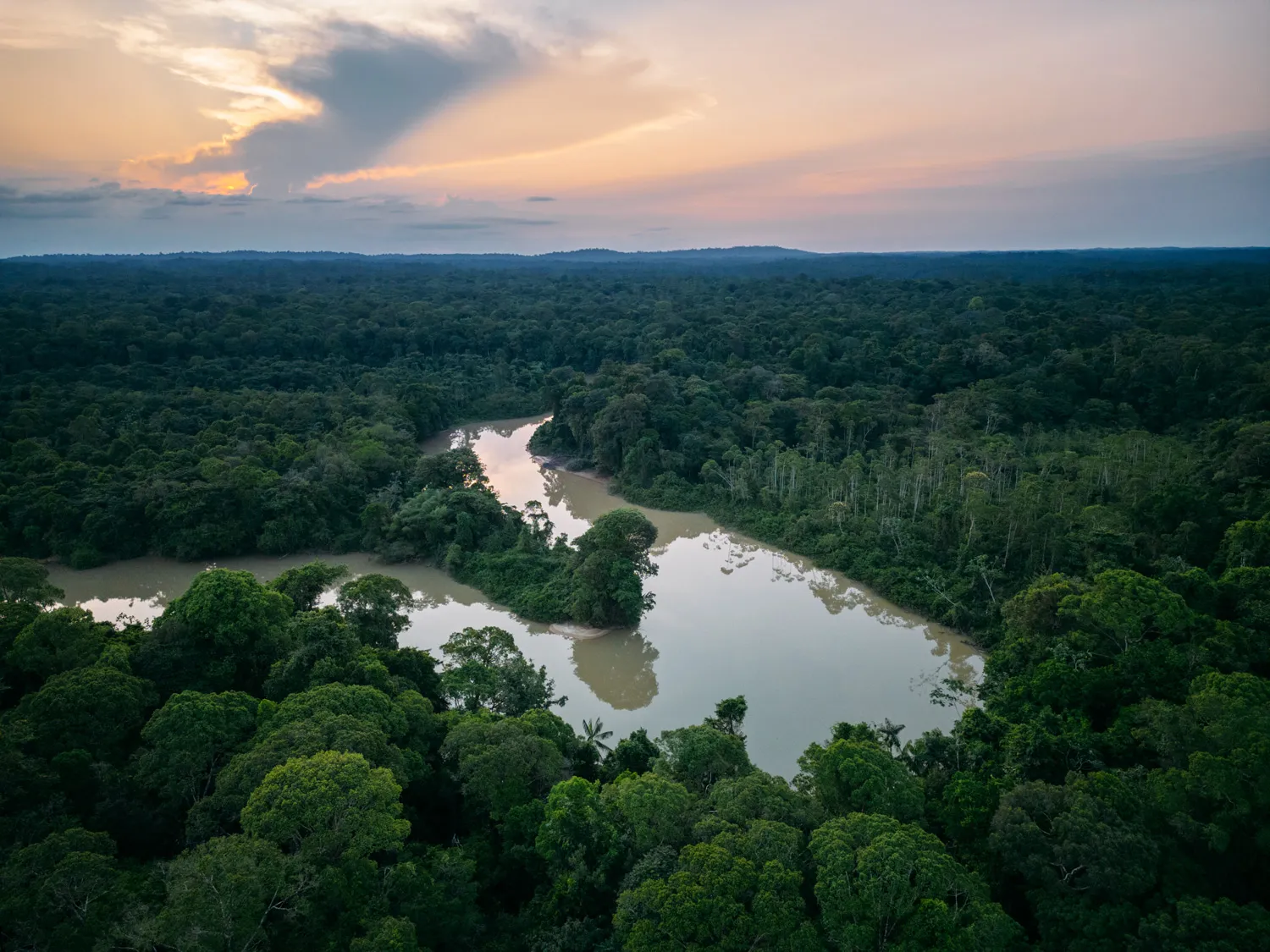
French Guiana has marked specificities. Public health missions, locum work in the health centres of the interior and prevention campaigns can require long journeys, including by river, from Cayenne, Kourou or Saint-Laurent-du-Maroni. For a mission based on the coast, accommodation in Cayenne or its conurbation offers the widest access to services and transport. The equatorial climate and the importance of air conditioning for restful sleep are criteria not to be overlooked for a professional working back-to-back shifts.