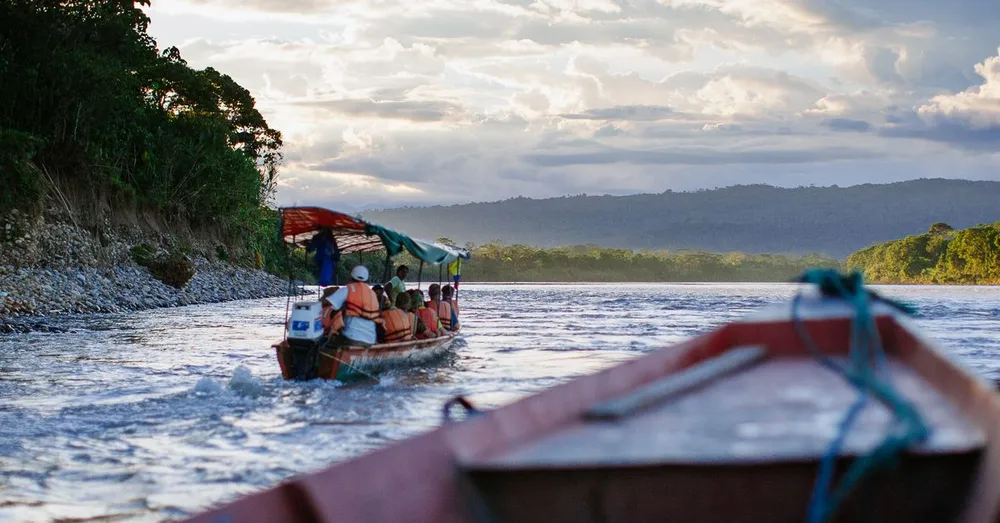
French Guiana has to be earned. This French department in South America, the size of Portugal and 95% covered by Amazon rainforest, can’t be seen in just a few days. After several years criss-crossing the territory between ocean, savannahs and rivers, I’ve refined a 10-day French Guiana itinerary that captures the essentials without rushing: the beaches of Cayenne, the Kaw marshes, the Salut Islands, the Space Centre and a pirogue trip up the Maroni River. Here’s the day-by-day plan, with my accommodation bases, real distances and concrete on-the-ground prices.
Before you go: what you need to know
French Guiana is a French overseas department: you pay in euros, people speak French (plus Creole, Bushinenge and Amerindian languages), and the dialling code is +594. The time difference is -5h in winter and -6h in summer compared with Paris. Félix-Éboué international airport is in Matoury, 15 minutes from Cayenne.
Three non-negotiables:
- A car is essential. No public transport network serves the natural sites. Budget €45 to €70 a day for a rental, to be booked well ahead in high season.
- The yellow fever vaccine is mandatory to enter the territory. Also plan for antimalarial medication depending on the areas (rivers).
- The best period runs from mid-July to mid-November, the dry season. Tracks are passable, mosquitoes ease off, and the sky is clear enough to watch an Ariane 6 or Vega launch.
To prepare the formalities in detail, our complete guide to French Guiana covers health, budget and seasons.
Days 1 to 3: Cayenne and the coast
Day 1 — Arrival and the heart of Cayenne
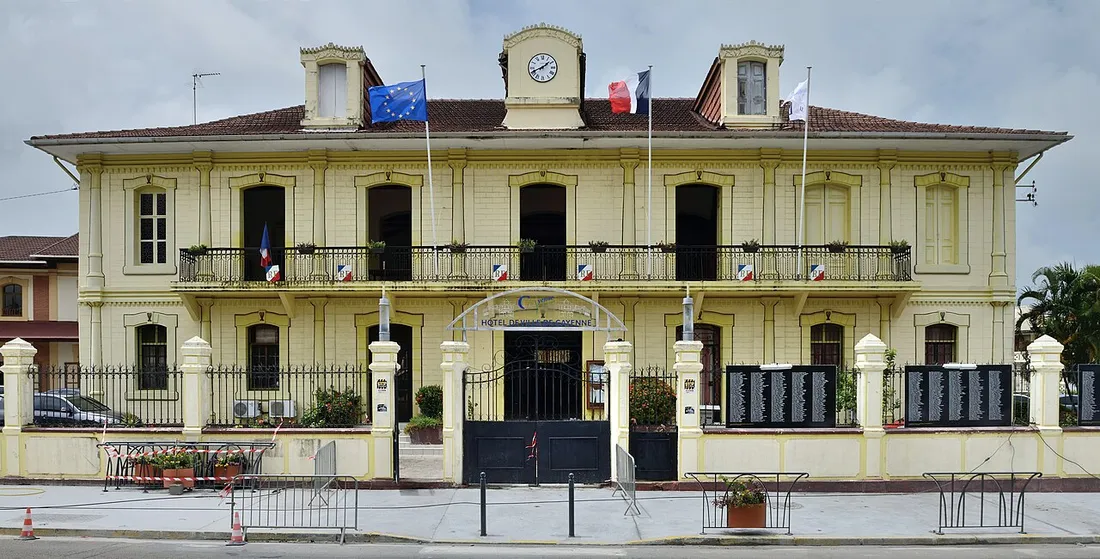
Drop your bags in Cayenne or along the coast of Rémire-Montjoly, quieter and more seaside. Pick up the car right at the airport. In the afternoon, stroll across Place des Palmistes beneath the royal palms, then through the colourful Creole lanes of the centre. In the evening, soak up the carbet vibe and grilled fish.
Day 2 — Market and beaches of Rémire-Montjoly
The Cayenne market (Wednesday, Friday and Saturday mornings) is a must: Hmong pho soup, awara broth, spices, Amazonian fruits. In the afternoon, work your way along the beaches of Rémire-Montjoly. The Rorota trail (a 2-hour loop, free) offers lovely viewpoints over the bay and, in season, the green turtles that nest at night.
Day 3 — Cacao and the Hmong community
Head south towards Cacao (about 75 km, 1h30 of driving via Roura), a Hmong village settled in the 1970s. A renowned Sunday morning market, authentic pho soup, embroidered crafts and forest trails. Return to Cayenne at the end of the day.
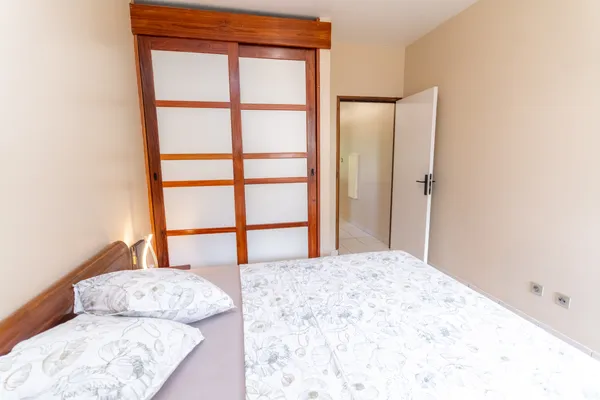
Accommodation base (D1-D3): a place in Cayenne or Rémire-Montjoly, ideal for branching out. See our rentals in French Guiana.
Days 4 to 5: The Kaw marshes
Day 4 — Down to Kaw
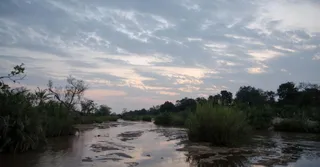
Head to Roura then the road to Kaw (allow 2h from Cayenne, including an unpaved track at the end). The Kaw marshes, a vast protected wetland, are home to black caimans, scarlet ibises and exceptional birdlife. Settle into a stilt carbet at the river’s edge.
Day 5 — Pirogue and black caimans
Book a night pirogue outing (around €40 to €60 per person) to spot, with a headlamp, the red eyes of the caimans at the surface. Sunrise over the marshes the next morning: one of the most beautiful moments of the trip. Book your guide and your carbet ahead — availability is limited.
Days 6 to 7: Kourou, the Space Centre and the Salut Islands
Day 6 — The Guiana Space Centre
Drive up towards Kourou (about 60 km from Cayenne, 1h). The visit to the Guiana Space Centre is free by reservation (ID required): you’ll discover the launch pads for Ariane 6 and Vega-C. If a launch is scheduled during your stay, don’t miss it for anything — it’s a striking spectacle, visible for miles.
Day 7 — The Salut Islands
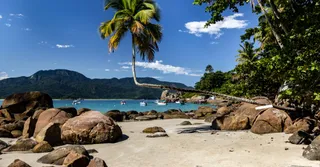
Set sail from Kourou (catamaran, about €60 to €75 round trip, 1h crossing) for the Salut Islands: Île Royale, Île Saint-Joseph and the legendary Devil’s Island. A former penal colony, ruins steeped in history, turquoise waters, monkeys and agoutis roaming free. You can stay overnight on Île Royale to extend the magic at sunset.
Accommodation base (D6-D7): a base in Kourou or Macouria to be as close as possible to the jetty and the space centre.
Days 8 to 10: The Maroni River and the West
Day 8 — Road to Saint-Laurent-du-Maroni
A long west-bound crossing: from Kourou to Saint-Laurent-du-Maroni, count on about 190 km (2h30 to 3h on the RN1). A border town facing Suriname, Saint-Laurent lives to the rhythm of the river. Visit the Camp de la Transportation, the former penal colony from which the condemned set off; the guided tour (around €8) tells a dark and fascinating chapter of penitentiary history.
Day 9 — The Maroni by pirogue
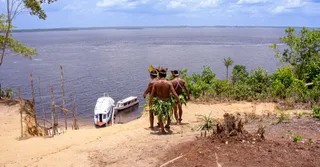
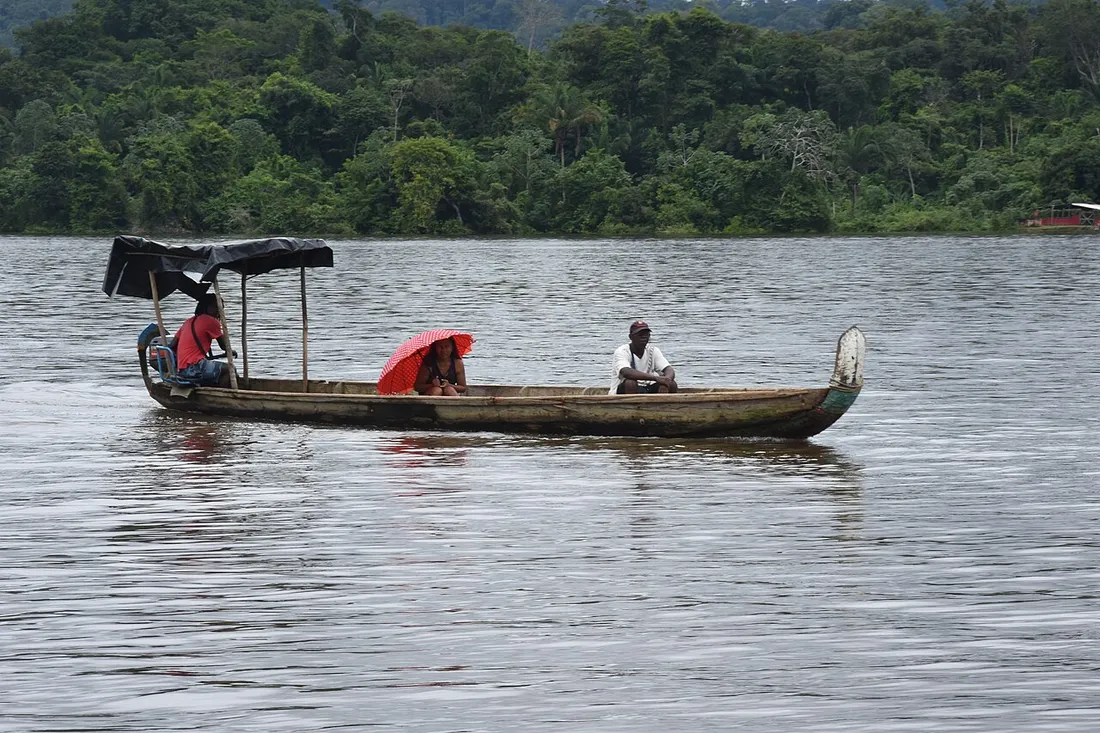
Now for the highlight: a pirogue trip up the Maroni River (half-day, €50 to €80 per person). You’ll skirt Bushinenge and Amerindian villages, ride a few small rapids and discover life along this natural border between French Guiana and Suriname. A cultural immersion as much as a natural one.
Day 10 — Awala-Yalimapo and the return
Make for Awala-Yalimapo (about 45 km to the north-west), at the mouth of the Maroni. From March to July, the beaches host the nesting of leatherback turtles, the largest marine turtles in the world. Out of season, the Kali’na Amerindian site and Hattes beach are worth the detour. Drive back up to Cayenne for the return flight (about 250 km), or add an extra night if the schedule allows.
Accommodation base (D8-D10): a place in Saint-Laurent-du-Maroni, a perfect base for the river and the West.
Going further: the Nouragues reserve
If you have extra days, the Nouragues nature reserve, reached by pirogue then on foot, offers an immersion deep in primary forest with a scientific station. An exceptional experience to book long in advance.
Indicative budget for 10 days
- Car rental: €450 to €700
- Accommodation (3 bases): depending on standard
- Guided outings (Kaw, Maroni, Salut Islands): €200 to €300/person
- Fuel: French Guiana is vast, budget generously
- Space Centre: free
Book smart with Hostel Toucan
For a smooth 10-day French Guiana itinerary, I recommend lining up three accommodation bases: Cayenne/Rémire-Montjoly, Kourou and Saint-Laurent-du-Maroni. With Hostel Toucan, you book direct, with no platform fees, with free cancellation up to 7 days before arrival and WhatsApp support 7 days a week to adjust your road trip in real time — a local guide on the line changes everything when a track becomes impassable.
Browse our rentals in French Guiana to put together your stay. And if you own a property in the territory, discover our dedicated concierge service for owners.
FAQ
How many days do you need to visit French Guiana?
Ten days strike a good balance for seeing the essentials: Cayenne and its beaches, the Kaw marshes, the Kourou Space Centre, the Salut Islands and the Maroni River in the West. Under 7 days, you’ll have to sacrifice either the coast or the Maroni, because the distances are long.
What is the best time for a French Guiana itinerary?
The dry season, from mid-July to mid-November, is ideal: passable tracks, fewer mosquitoes and better visibility. To watch the leatherback turtles nesting at Awala-Yalimapo, aim instead for March to July.
Is a car essential for this road trip?
Yes, absolutely. No public transport serves the natural sites like Kaw, Cacao or Awala-Yalimapo. Budget €45 to €70 a day for a rental, to be booked early in high season.
Do you need a vaccine to enter French Guiana?
The yellow fever vaccine is mandatory to enter the territory. Depending on the areas visited, particularly along the rivers, antimalarial treatment may be recommended: consult your doctor before departure.