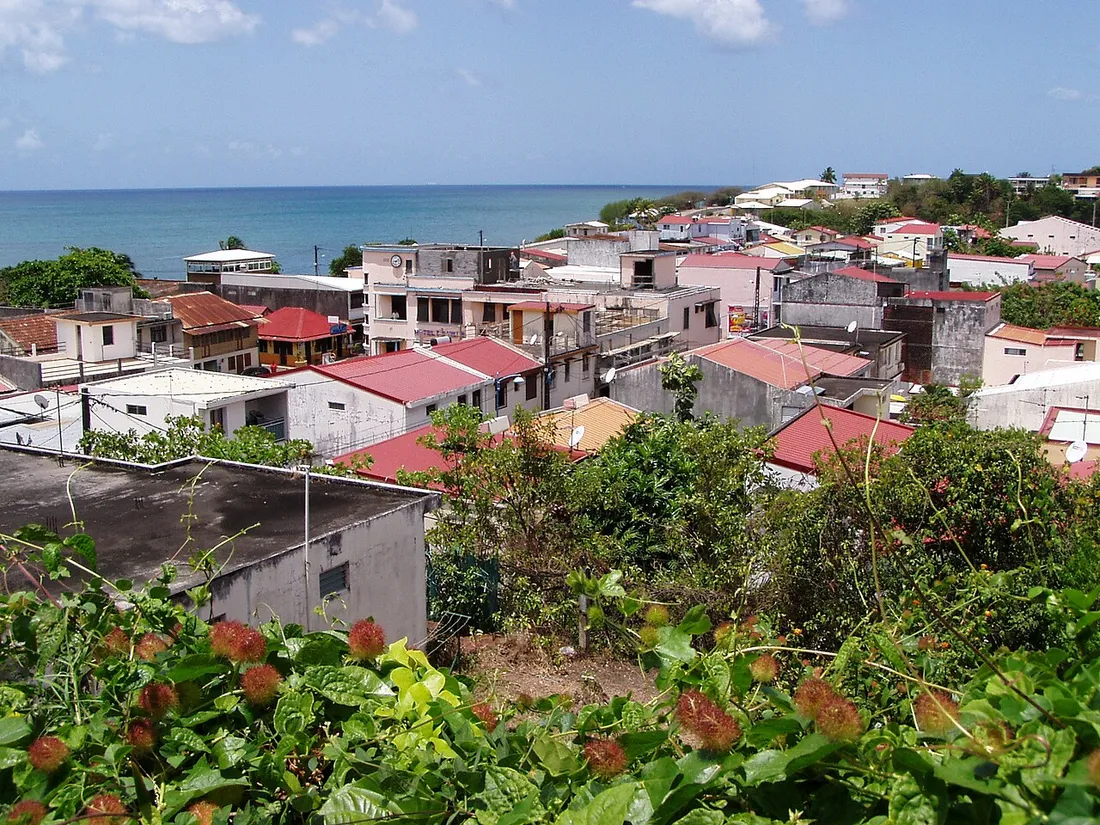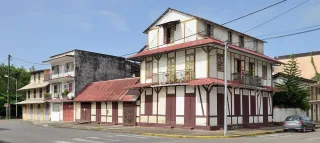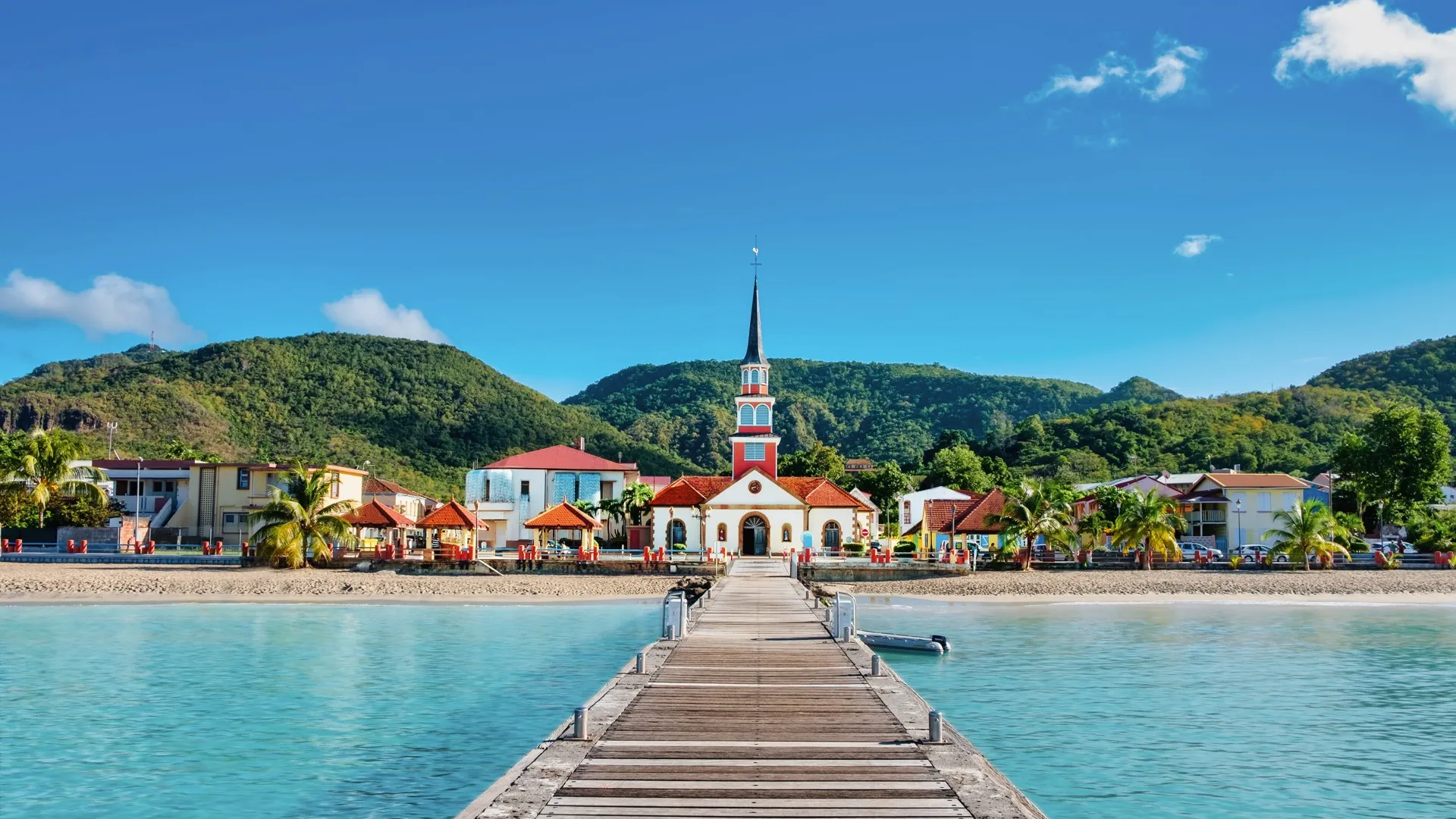
“Le Marin or Sainte-Luce?” I get asked this question almost every week. Two neighbouring towns in southern Martinique, barely ten kilometres of road apart, yet two radically different investment logics. On one side, the largest pleasure marina in the Caribbean and its endless flow of skippers; on the other, family beaches of pale sand where holidaymakers return as a tribe each winter. Before signing a purchase agreement, it pays to understand what sets these two markets apart. After several years managing furnished rentals across the whole Grand Sud, here is my field-tested comparison to help you invest in Le Marin or Sainte-Luce without backing the wrong horse.
Two neighbouring towns, two opposite markets
Southern Martinique concentrates most of the tourist demand, thanks to its more reliable dry season (the Carême, from December to April) and its proximity to the big beaches. Aimé Césaire Airport (Le Lamentin) is a 35- to 45-minute drive from both towns: an asset for travellers who want to drop their bags quickly after an eight-hour flight from Paris (a -5h time difference in winter, -6h in summer).
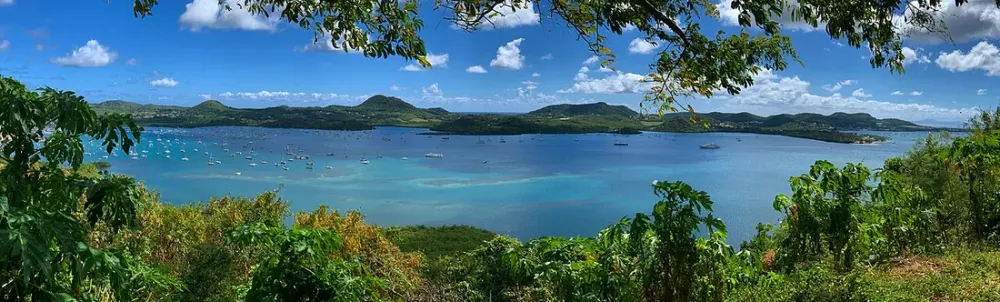
But the resemblance stops there. Le Marin lives to the rhythm of its marina, the largest in the Caribbean with more than 800 berths. It is a nautical economy: yacht charters, provisioning, boatyards, crews in transit before or after an ocean crossing. Sainte-Luce, its neighbour to the west, is a classic seaside resort: a string of pale-sand beaches (Corps de Garde, Gros Raisin, Anse Mabouya), a lively seafront promenade and a clientele of families and couples.
For a seasonal rental project in Le Marin or in Sainte-Luce, this contrast changes everything: the traveller’s profile, the length of stays, the seasonality of income and, ultimately, the type of property to buy.
Le Marin: the marina and the sailing crowd
Le Marin draws a particular clientele: sailors, charter crews, divers and travellers fanning out toward the white sandbanks and the islets. The advantages for a host:
- Demand spread across the year: the sailing scene doesn’t follow only the mainland school calendar. Charter departures and returns generate overnight stays even in the shoulder season.
- Short, flexible stays: a night or two before boarding, ideal for a well-located studio or one-bedroom near the port.
- Services and shops: supermarkets, provisioning, restaurants, and the Le Marin market on Wednesdays and Fridays. A convenience that reassures travellers.
- Heritage and rum: the church of Le Marin and, nearby, the Trois-Rivières and La Mauny distilleries on the Rum Route (AOC agricultural rum).
The downside: Le Marin is less “postcard” than its neighbours. No spectacular urban beach, a bay crowded with masts, and part of the town turned toward harbour activity rather than swimming.
Sainte-Luce: the beaches and the families
Sainte-Luce ticks all the boxes for the ideal seaside holiday. The town lines up several beaches reachable on foot or a few minutes by car, generally calm Caribbean-side water, and a friendly village atmosphere. The traveller profile:
- Families and couples staying one to two weeks, who often book several months ahead for the Carême.
- Strong loyalty: people come back to Sainte-Luce, which fuels repeat bookings and word of mouth.
- Activities nearby: beaches, snorkelling, distillery outings, the Sainte-Luce market and the local seafront eateries.
The downside: seasonality is more pronounced. The high season (December–April, plus the February–March carnival) is booming, but September–October, at the height of cyclone season, stays quiet. You have to know how to smooth your income across the year.
Purchase price: what to budget for in 2026
The ballpark figures below reflect what I see on the ground. The seaside south remains pricier than the centre or north of the island, and being right by the sea pushes the bill up.
- Le Marin: expect around €2,800 to €3,800/m² for an apartment, more for a new build or one overlooking the marina. A villa with land often sells for between €350,000 and €600,000 depending on size and location.
- Sainte-Luce: a slightly tighter market along the coast, in the order of €3,000 to €4,200/m² for an apartment near the beaches. Villas with a pool and sea view frequently top €500,000, and waterfront properties reach dizzying heights.
For the same budget, you often get a slightly larger property in Le Marin than in front-line Sainte-Luce. Conversely, a well-located studio in Sainte-Luce rents for a high nightly rate in high season.
Rental yield: the real comparison
Yield depends less on the price per m² than on the actual occupancy rate over the year. That is where the two towns diverge:
- Le Marin targets a steadier occupancy rate thanks to the sailing scene, with a moderate average nightly price but short stays that follow one after another. A well-managed one-bedroom near the port can count on 120 to 180 nights a year.
- Sainte-Luce banks on a higher nightly rate in high season (a villa with a pool easily rents for €180 to €320/night during the Carême), but with sharp troughs out of season. The challenge: filling May–June and November.
In both cases, aiming for a gross yield of 5 to 8% is realistic for a well-positioned, well-managed furnished rental, provided you don’t overpay at purchase. For the detail of the tax regimes (LMNP status, the enhanced micro-BIC allowance for a classified furnished rental, and the schemes specific to the French overseas departments), the complete Martinique guide goes deeper.
Which property to buy depending on the town
The choice of property must match the traveller profile, or the occupancy rate collapses. Here is my rule:
- In Le Marin, favour a functional studio or one-bedroom near the port and shops. A parking space, Wi-Fi and air conditioning are decisive. The “Airbnb marina sailing Martinique” target looks for practicality before luxury: flexible check-in, proximity to provisioning, and ideally a view of the masts.
- In Sainte-Luce, aim instead for a villa or family apartment with outdoor space (terrace, garden, ideally a pool) within walking distance of a beach. Three bedrooms rent better than a studio in this long-stay market. Air conditioning in the bedrooms and a well-equipped kitchen for cooking market produce make all the difference in the reviews.
The pitfalls to avoid in the south
A few reflexes learned the hard way, both at my own expense and that of the owners I support:
- Sargassum: it mainly hits the Atlantic coast. Le Marin, at the back of its bay, and certain coves can experience strandings. Check the property’s exposure before buying.
- Salty air: by the sea, air conditioners, locks and patio doors wear out fast. Budget for maintenance.
- Remote management: most owners invest from mainland France. Without a local contact for cleaning, check-in and the unexpected, the project quickly runs out of steam.
- Cyclone seasonality: from June to November, demand drops and cancellations rise. Dynamic pricing and a clear cancellation policy are essential.