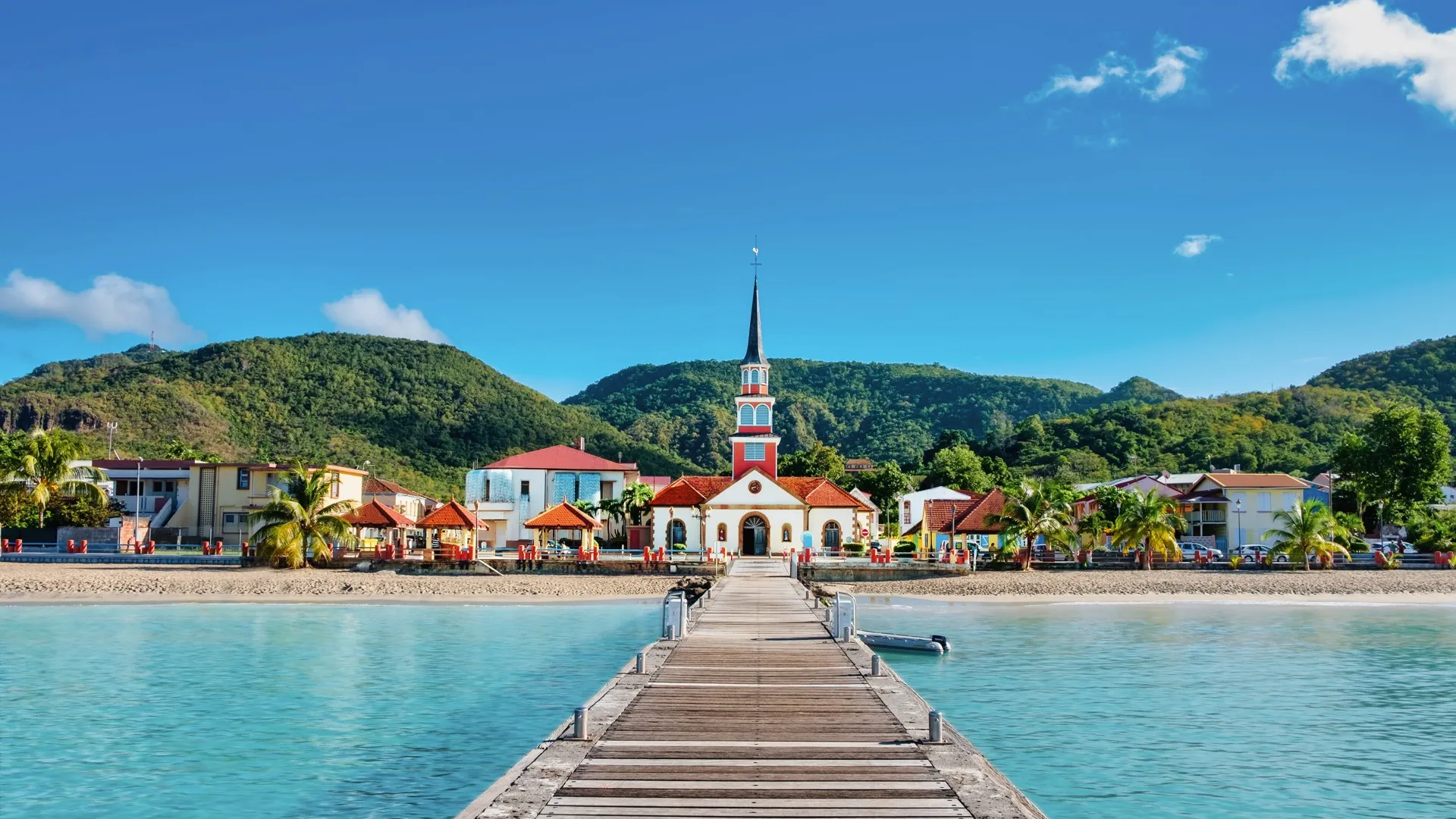
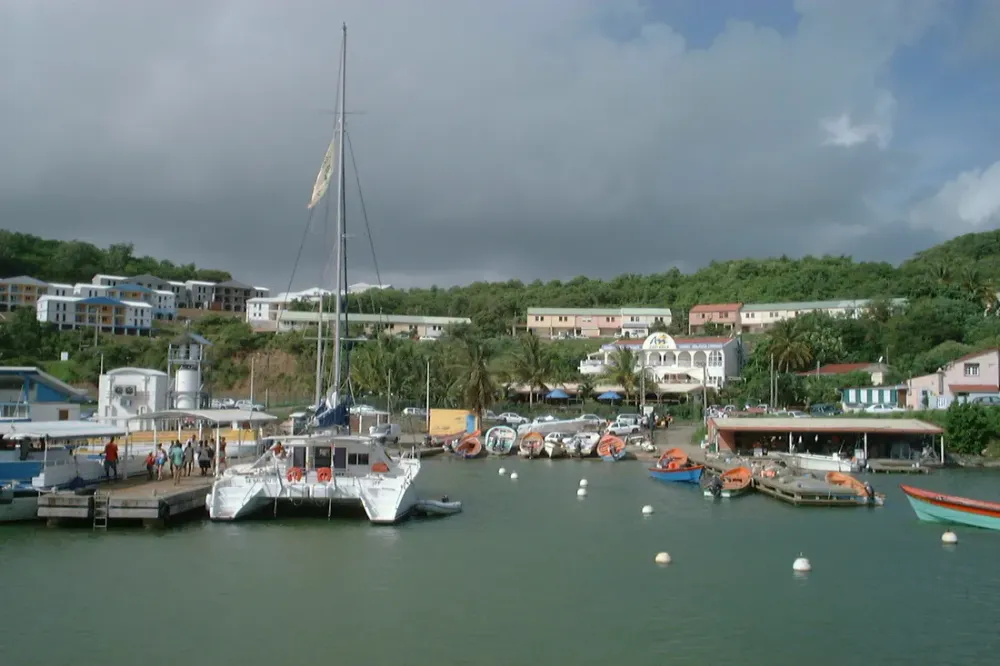
Are you preparing a job transfer, a professional project or a new life in Martinique, and does the Atlantic coast appeal to you? Le François and Le Robert, two neighbouring towns in the centre-east of the island, attract more and more newcomers looking for an authentic way of life, between turquoise sea, the famous white sandbanks and villages still spared by mass tourism. Far from the bustle of Fort-de-France and the tourist beaches of the South, this windward coast offers a calmer art of living, turned towards the sea and nature. This practical guide brings together the essentials for a smooth relocation: understanding the neighbourhoods, finding housing, estimating your budget and organising your daily life. The figures quoted are indicative and vary with the season, the property and the moment of your search.
Why choose the centre-east Atlantic coast?
Le François and Le Robert form a natural pair on Martinique’s Atlantic side. People here speak of the leeward coast on the Caribbean side and the windward coast on the Atlantic side: Le François and Le Robert belong to the latter, breezier side, where the trade winds cool the air. That is a considerable advantage for coping with tropical heat day after day.
Several features set this area apart:
- Bays sheltered by a coral reef, creating shallow lagoons and iconic islets (the fonds blancs, or white sandbanks).
- A strong maritime identity: yoles rondes, fishing, boating and water sports set the rhythm of local life.
- A genuinely Martinican fabric of daily life, far less focused on tourism than Sainte-Anne or Les Trois-Îlets.
- A central position on the island: Fort-de-France, the airport or the South are all within reasonable reach.
Le François, the town of the fonds blancs
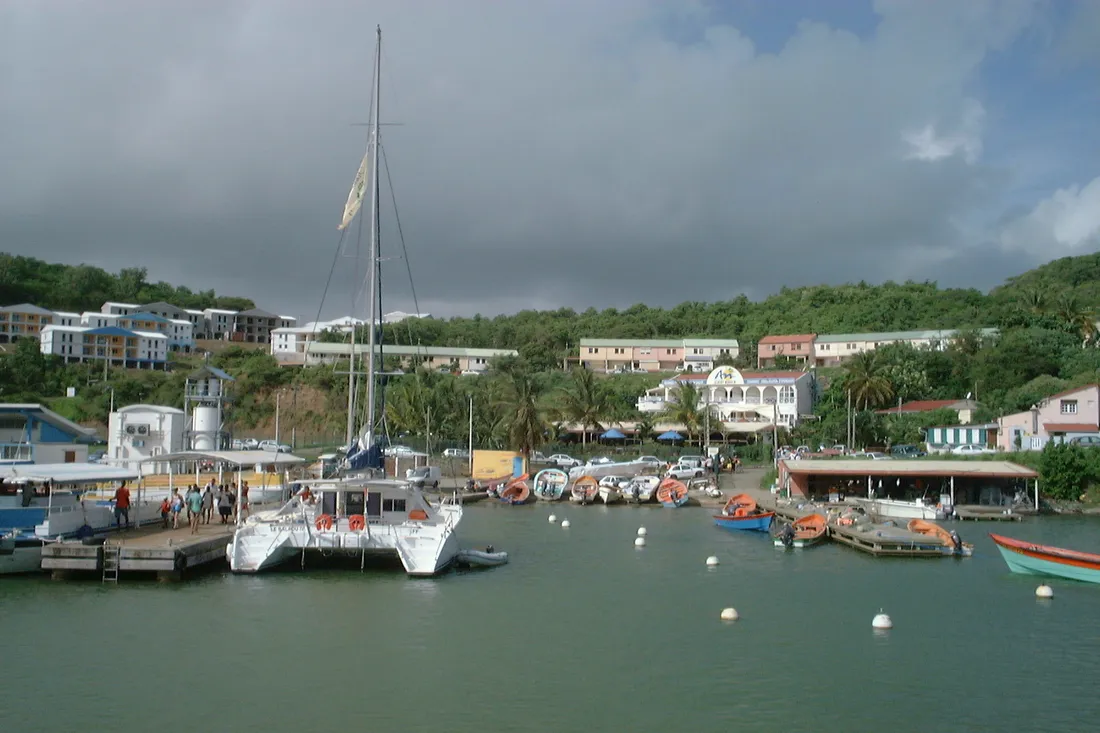
Le François is famous worldwide for its fonds blancs: those submerged sandbanks in the middle of the bay, where the water comes up to your waist, reached by boat and firmly part of the Martinican imagination. The town has several islets (Oscar, Thierry, Métrente, Long, Frégate and more) and a deeply indented bay. The lively town centre offers shops, a market, schools, a marina and many residential neighbourhoods spread across the hills.
Le Robert, the bay of ten islets
Its neighbour to the north, Le Robert, is built around a vast bay dotted with about ten islets. The town combines a lively centre, business zones and residential neighbourhoods perched on the heights, often with a view over the bay. Le Robert is also known for its water-sports spots and for the fishing-village atmosphere that endures despite population growth.
Understanding the neighbourhoods before choosing
In both towns, housing is very scattered: people rarely live in the centre, but rather in a hillside neighbourhood, sometimes several minutes’ drive from the town centre. Knowing the main clusters will help you target your search.
In Le François
- The town centre and its surroundings: close to shops, the harbour and services, ideal if you do not want to depend entirely on a car.
- Hillside neighbourhoods (Dostaly, Bois Soldat, Pérou, Simon, Chopotte and others): detached houses, quiet, often with bay views, but far from the shops.
- The Cap Est area: known as more residential and sought-after, close to the coastline and the lagoons.
In Le Robert
- The town centre: the heart of local life, shops, schools and quick access to the RN1.
- Pointe Savane, Vert-Pré, Four à Chaux, Mansarde: residential neighbourhoods on the heights, family atmosphere.
- Areas close to the bay: sought after for the view and proximity to water activities.
One piece of on-the-ground advice: before signing a long-term lease, test the home-to-work commute at rush hour. The RN1, which links Le Robert, Le François, Le Lamentin and Fort-de-France, can suffer major slowdowns in the morning and at the end of the day.
Finding housing: renting, buying and market realities
The Atlantic coast property market remains more affordable than the tourist South, while offering a highly sought-after living environment. Here are indicative benchmarks, to be refined according to the condition of the property, the view and the exact location.
Rent before you buy
For an arrival from mainland France, renting first is almost always the best decision. It lets you:
- Discover the neighbourhoods in real conditions (noise, commutes, neighbours, exposure to the wind).
- Avoid a rushed purchase you might regret.
- Take the time to understand the local market, which often runs on word of mouth.
As a rough guide and depending on the season, rents for a furnished or unfurnished home vary noticeably with floor area, sea view and proximity to the town centre. Properties with a bay view or sea access naturally sit at the top of the range. Expect additional charges for water, electricity (air conditioning) and sometimes the upkeep of outdoor space.
Buying: points to watch in the overseas territories
If your relocation plan is confirmed, buying involves local specifics worth knowing:
- Land and joint ownership: many plots are held in family indivision, which can complicate or lengthen a transaction. Work with a local notaire.
- Natural hazards: always check the natural risk statement (seismic, cyclonic, ground movement, coastal erosion). Martinique lies in a seismic zone.
- Cyclone-resistant standards: check that the construction complies (roof, openings, anchoring).
- Exposure: on the windward coast, sea air and spray accelerate corrosion; choose suitable materials.
Allow plenty of time: transaction times in the overseas territories are often longer than in mainland France.
Budget and cost of living
The cost of living in Martinique is structurally higher than in mainland France, especially for imported goods. Here are the main items to plan for, given as indicative benchmarks.
- Food: imported products (mainland brands) cost noticeably more; favouring markets, local produce and local market gardening helps keep the bill down.
- Energy: air conditioning can be a significant expense; a well-ventilated house (through-draught, exposed to the trade winds) sharply reduces that need, a real advantage of the windward coast.
- Fuel and car: a car is all but essential in these spread-out towns; factor in buying or renting a vehicle plus a fuel budget.
- Housing: more affordable than in the South, but variable depending on sea view and proximity to services.
Certain territorial continuity schemes or mobility grants may exist depending on your situation (job transfer, return, training); check with the relevant bodies before departure, as conditions change.