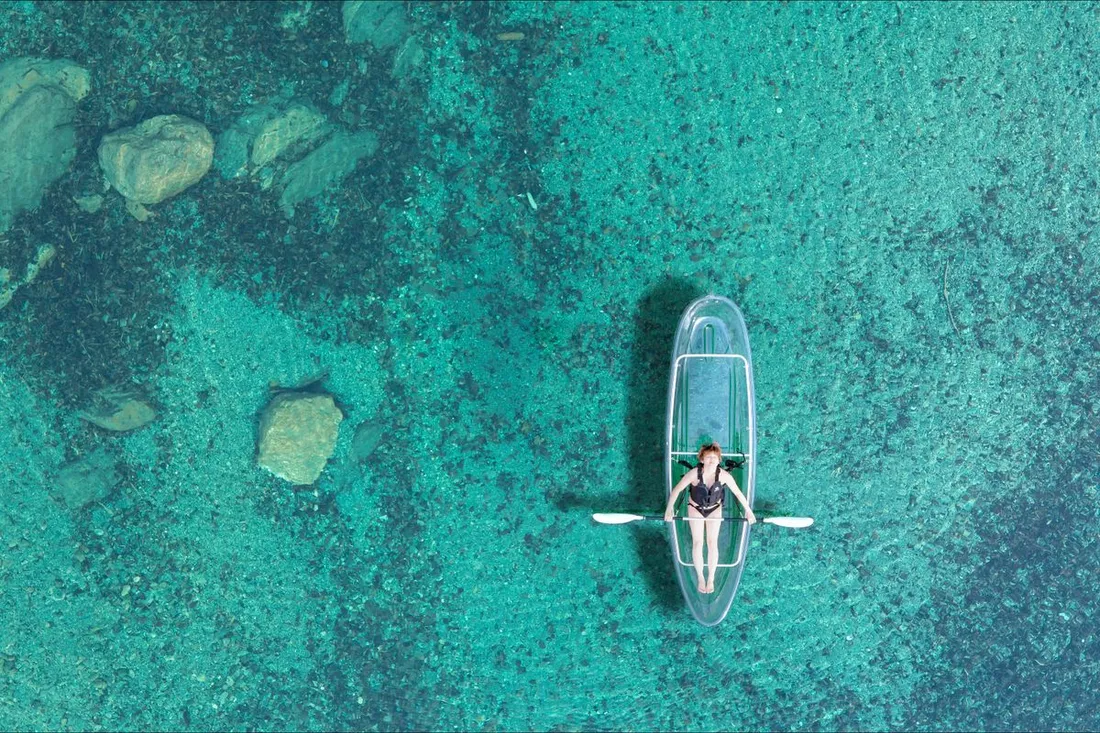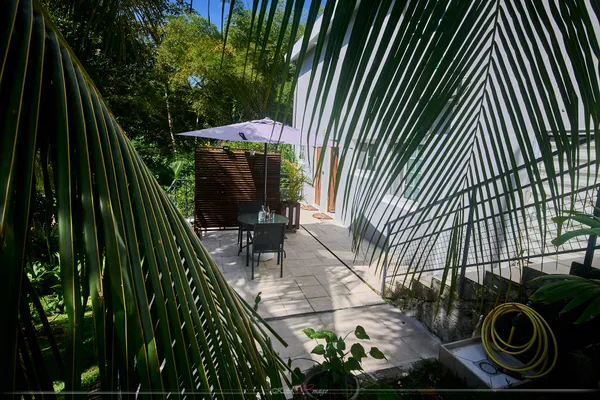
When people picture Martinique, they first imagine the white-sand beaches of Les Salines or the silhouette of Mount Pelée. Yet at the heart of the island, between Ducos, Rivière-Salée and Les Trois-Îlets, lies a far more discreet and equally spectacular ecosystem: the mangrove of Génipa Bay. It is the largest mangrove forest in the Lesser Antilles, and discovering it at water level, from a clear-bottom kayak, remains one of the most memorable experiences I recommend to the travellers I welcome.
In this guide, I share what I know about this mangrove after years of paddling through its channels: the best season, the night-time bioluminescence outings, the wildlife to look out for and, above all, the rules to respect in what is now a protected area.
Génipa Bay, the largest mangrove in Martinique
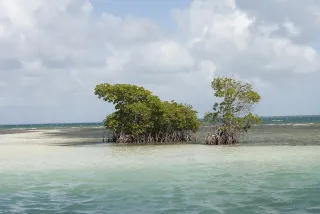
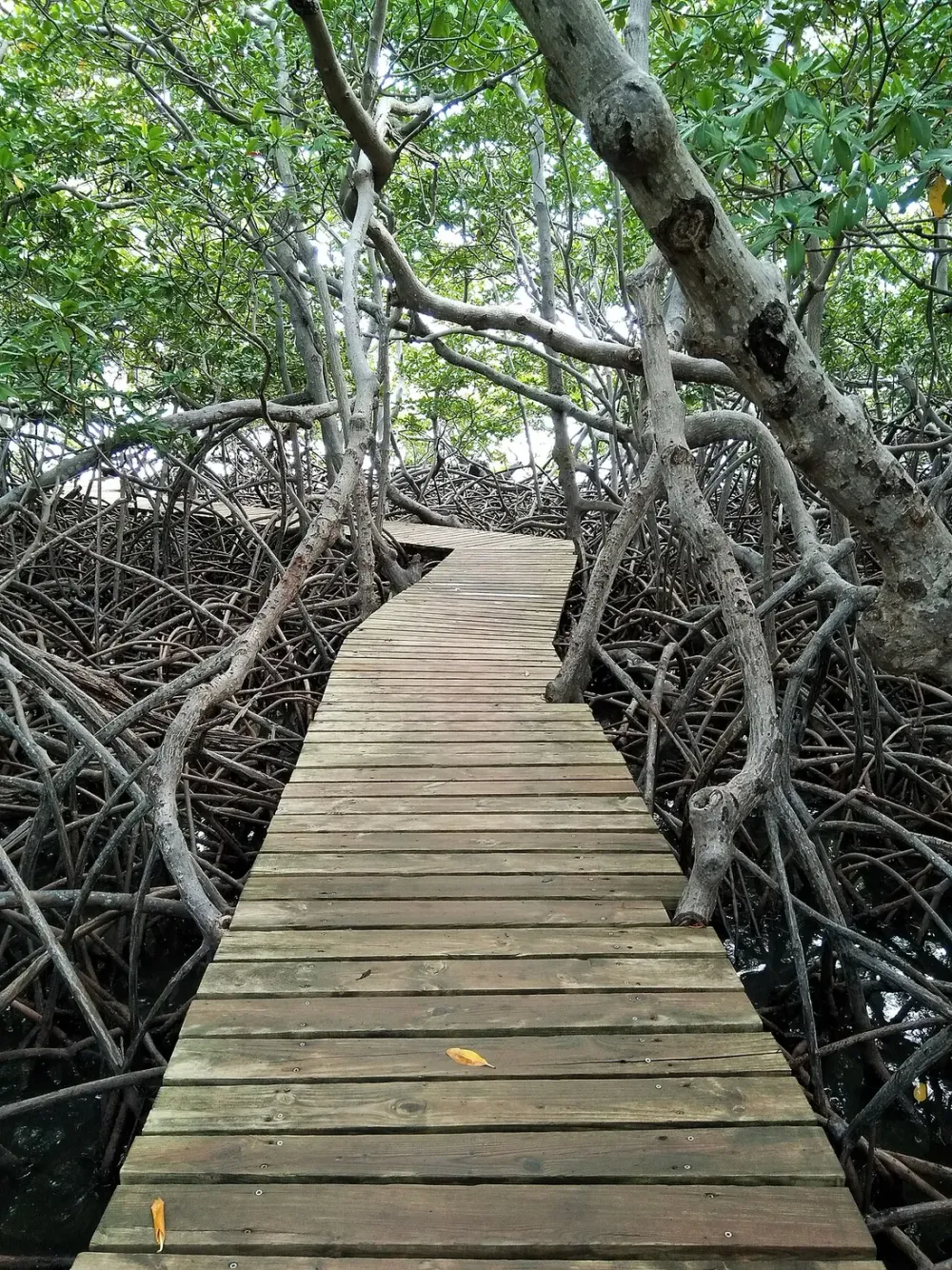
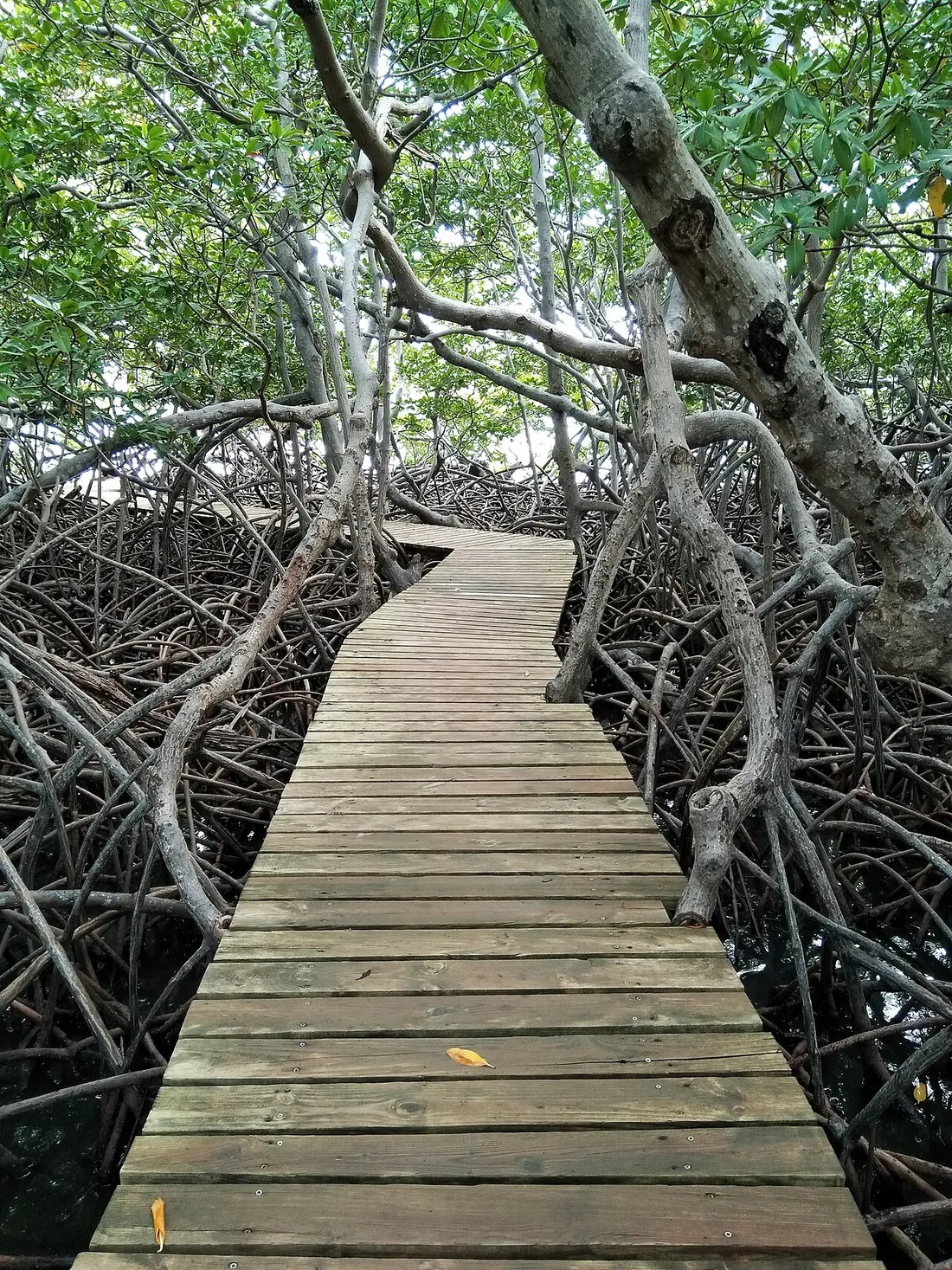
Génipa Bay stretches over nearly 1,800 hectares at the head of the Fort-de-France inlet, bordered by the towns of Ducos, Rivière-Salée, Sainte-Luce and Les Trois-Îlets. It is a labyrinth of brackish-water channels where four species of mangrove take root: red, black, white and grey. These amphibious trees, perched on their stilt roots, form a true nursery for marine life.
Why is this mangrove so precious?
- It filters the waters flowing down from the hills before they reach the bay.
- It protects the coastline from cyclonic swell and erosion.
- It serves as a breeding ground for many fish, crabs and birds.
- It stores enormous amounts of carbon, far more than a typical land forest.
Part of the bay is subject to protection measures and conservation-listing projects. In practice, this means you do not come here to gather, fish at random or make noise: you come to observe it with respect.
Where is the starting point?
Most outings depart from the Ducos or Rivière-Salée side, about twenty minutes’ drive from Fort-de-France and roughly 25 minutes from Les Trois-Îlets. From Aimé Césaire airport in Le Lamentin, allow 20 to 25 minutes by car. As is often the case in Martinique, a vehicle is strongly recommended: the launch points lie at the end of small roads that public transport does not serve.
Clear kayak or paddleboard: which option to choose?
Two types of craft dominate in the mangrove, and the choice mainly depends on how comfortable you are on the water.
The clear-bottom kayak
This is my recommendation for a first time, and especially for families. The translucent bottom lets you watch the roots, schools of fish and sometimes a ray gliding beneath the hull, all without ever leaving the comfort of your seat. Stable and easy to steer, it suits children from 6 or 7 years old when accompanied by an adult.
The paddleboard (stand-up paddle)
More athletic, the paddleboard offers a top-down view from the standing position, ideal for spotting birds. It requires a minimum of balance and is best suited to teenagers and adults who are comfortable in the water. Some operators also offer transparent paddleboards: the best of both worlds.
A few concrete points about guided outings:
- Duration: 1.5 to 2.5 hours for a classic daytime tour.
- Indicative price: €35 to €50 per person by day, €45 to €65 for a night outing with bioluminescence.
- Level: no particular fitness required for the clear kayak.
- Group size: favour small groups (8 to 12 people) to preserve the peace of the place.
Always book an outing with a naturalist guide: they know the channels, read the tides and explain the ecosystem far better than any map.
Night bioluminescence: the highlight of the show
If you only remember one experience, it should be the night outing. Under the right conditions, the mangrove water lights up at the slightest movement: every paddle stroke lifts a trail of bluish stars. This phenomenon, bioluminescence, is produced by micro-organisms (dinoflagellate plankton) that emit light when stirred.
To maximise your chances:
- Aim for a moonless night or a waning moon: less stray light, more contrast.
- Choose a warm, calm evening with no recent rain.
- Avoid lamps: let your eyes adjust to the darkness for 10 to 15 minutes.
- Run your hand through the water to wake the plankton; the effect is immediate.
It is a timeless, almost unreal experience that my travellers often cite as their finest memory of Martinique, ahead even of the southern beaches. Remember to book early: night slots are limited and fill up fast, especially in high season.
The mangrove’s wildlife: what you will observe
The mangrove is a sanctuary of biodiversity. As you paddle slowly, keep your eyes open:
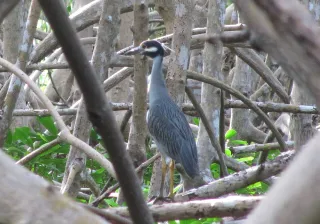
- Birds: herons (green heron, snowy egret), kingfishers, ospreys, frigatebirds soaring above the bay.
- Crustaceans: mangrove crabs, fiddler crabs waving their large claw over the mud.
- Fish: juvenile barracudas, mullets, silvery tarpons making surprising leaps.
- Underwater life: colourful sponges and mangrove oysters clinging to the roots, sometimes a small ray or a boxfish.
The best time for observation is early morning or late afternoon, when the heat eases and wildlife becomes active. The low light of early morning is also a treat for photography.