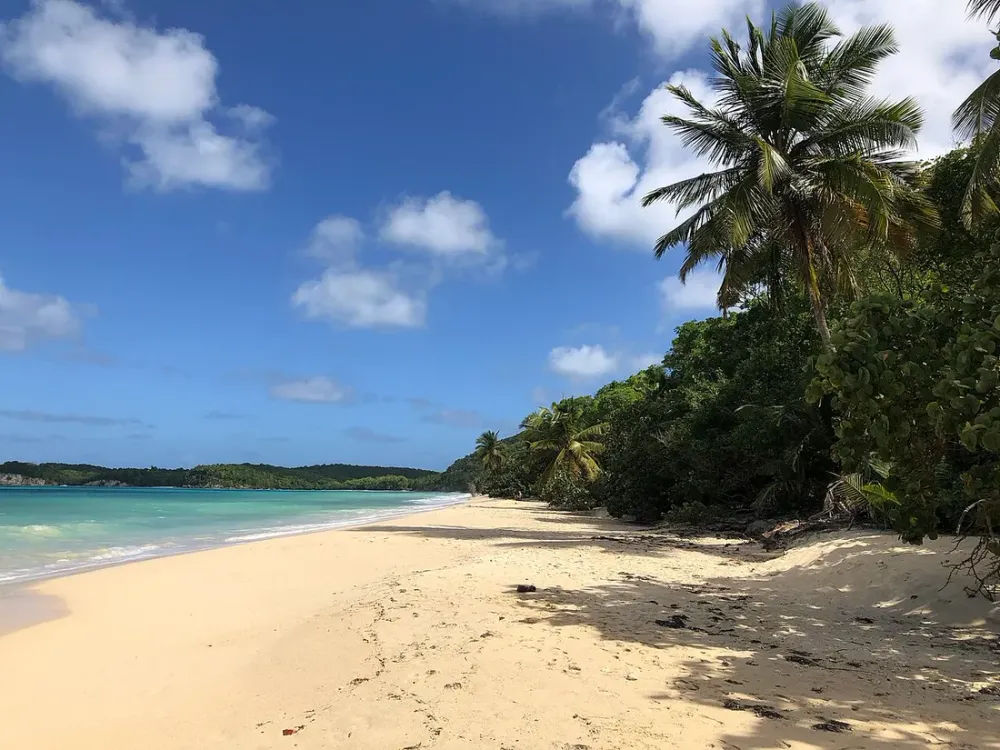
I get the question almost every month, from Sainte-Anne or Le Gosier where I manage properties: “And Marie-Galante, is it worth it?” The island of a hundred windmills makes investors dream with its price per square metre twice as low as on Grande-Terre, its deserted beaches and its preserved authenticity. But investing in Marie-Galante for short-term rental is nothing like buying one more villa in Saint-François: it means dealing with double insularity, marked seasonality, and logistics that discourage anyone who isn’t well prepared. After several years watching this market from mainland Guadeloupe, here is an honest analysis, free of commercial wishful thinking, of the real potential and constraints, to help you decide whether your project matches what the island truly demands.
Marie-Galante at a glance: a market apart in the archipelago
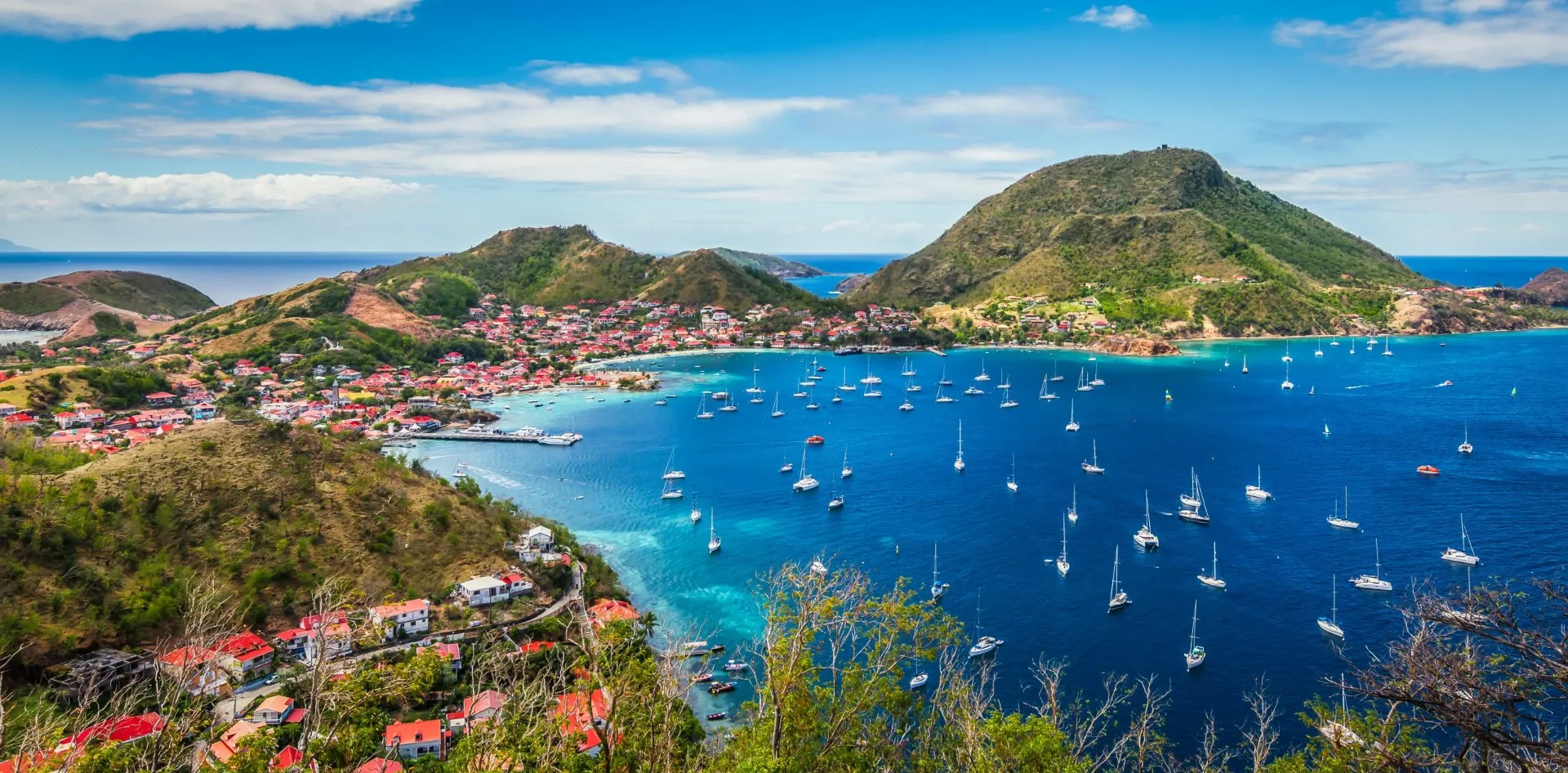
Guadeloupe is a French overseas region shaped like a butterfly, with limestone Grande-Terre (turquoise beaches, seaside life) and volcanic Basse-Terre crowned by La Soufrière at 1,467 m. Marie-Galante is a round dependency some thirty kilometres south-east of Grande-Terre, well away from the heavy tourist flows.
A few markers to set the scene:
- An agricultural economy. The island lives off sugar cane and rum: the Bielle, Bellevue and Père Labat distilleries produce a renowned agricultural rum, sometimes bottled at 59° proof.
- A small population. Around 10,000 inhabitants across three towns: Grand-Bourg, Capesterre-de-Marie-Galante and Saint-Louis. Off season, the island lives to an unapologetically rural rhythm.
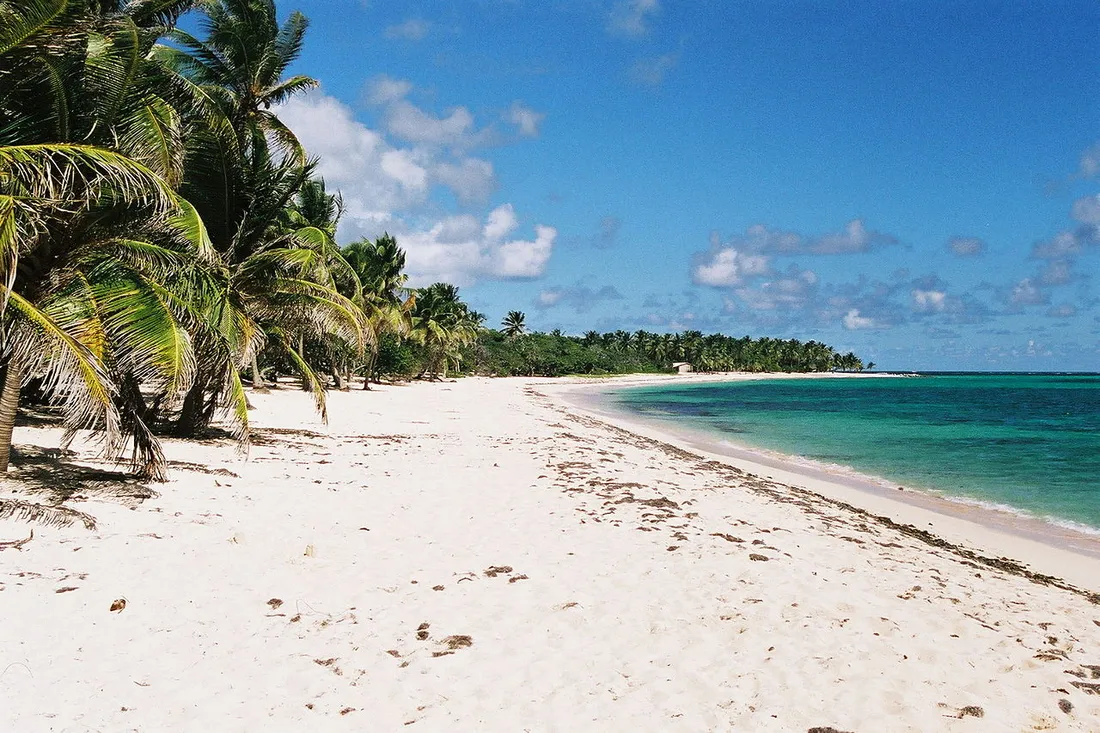
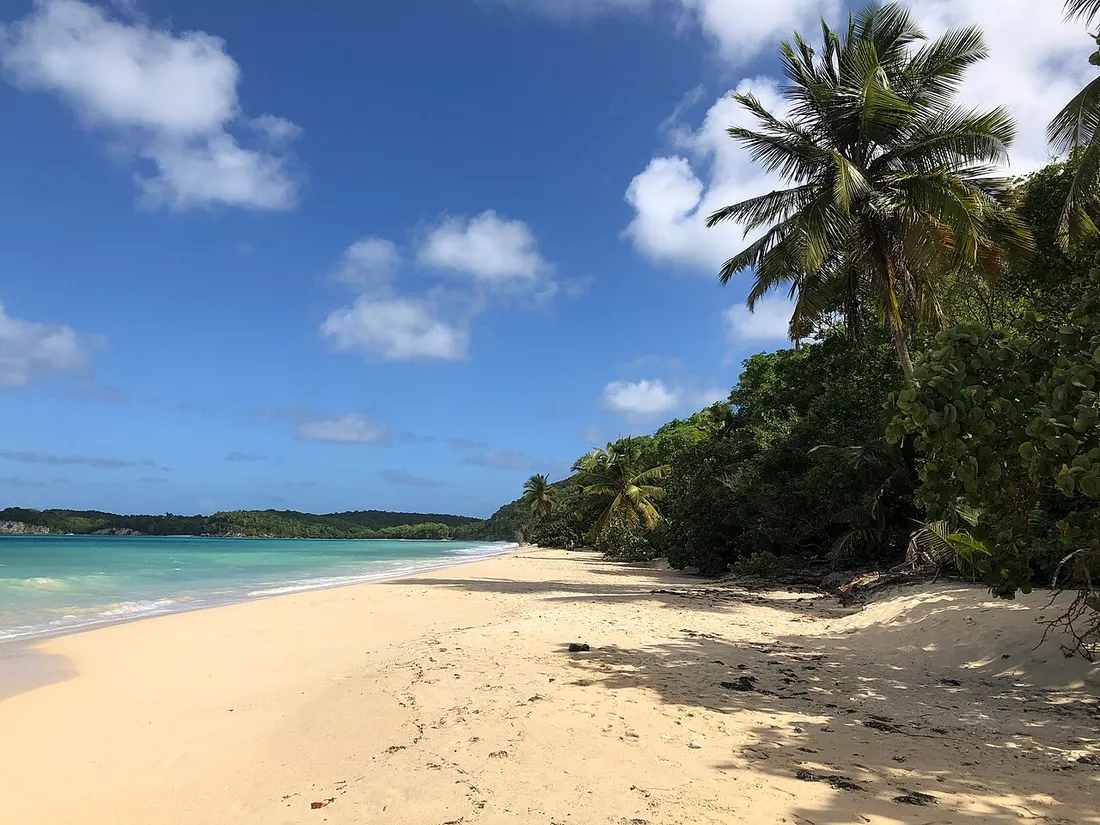
- Some of the finest beaches in the archipelago. La Feuillère in Capesterre with its turquoise lagoon, Anse Canot on the Saint-Louis side: the postcards your future travellers are looking for.
- Event-driven footfall. The Terre de Blues festival, around Pentecost, draws thousands of visitors every year and saturates the available lodging.
This identity is precisely what makes a short-term rental in Marie-Galante attractive: you’re not selling a room, but a step outside of time. It’s a strong selling point on the authentic-island Airbnb niche, but a niche all the same, with narrower demand than in Sainte-Anne.
The potential: why the island appeals to investors
An affordable entry ticket
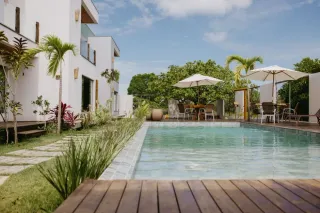
This is the number one asset. Where a beachfront villa on Grande-Terre easily tops €500,000, Marie-Galante still offers Creole houses to renovate between €120,000 and €200,000, and buildable plots at prices with no equivalent on the seaside wing. For the same budget, you buy bigger, with land: €250,000 will target a small renovated character house with a pool, where the same amount only covers an apartment in Le Gosier.
Nightly rates that hold up
With limited supply and a sought-after experience, nightly rates hold up. On a well-kept registered holiday rental, you’ll see realistic ranges of:
- €80 to €120 a night for a studio or a small two-person house in the dry season;
- €150 to €250 a night for a family villa with a pool in high season;
- peaks well above that during Terre de Blues and between Christmas and New Year.
The famous double-island yield
To be handled with care. The double-island yield is the idea that, because the island is hard to reach and short on lodging, a well-positioned property captures captive demand at a good price. It’s partly true: there’s less competition than in Sainte-Anne, where hundreds of listings fight over travellers. But that same insularity is the source of the constraints detailed below. The yield is no gift: it’s the flip side of a real logistical effort.
The constraints: the honest other side of the picture
Double insularity, both strength and burden
Your travellers must first reach Guadeloupe (Pôle Caraïbes airport in Pointe-à-Pitre), then board for Marie-Galante. The crossing by ferry takes about 45 minutes to 1 hour, for a round trip of €50 to €60 per adult, with only a few sailings a day and seas that can get rough on the Atlantic side.
The direct consequence for you, the owner:
- One- or two-night stays are rare. Nobody crosses over for so little. This favours longer durations, comfortable to manage, but it reduces booking volume.
- In-person check-in is complicated. You won’t make the round trip from Grande-Terre for every arrival: an on-site concierge service or a self-sufficient solution (key box, remote check-in) becomes essential.
- The slightest hitch is magnified. A broken water heater can’t be fixed within the hour: the tradesperson and the parts travel by boat.
Very pronounced seasonality
The dry season, December to April, concentrates the bulk of demand: it’s the best time to visit Guadeloupe, and Marie-Galante benefits. Conversely, the wet season (June to November) opens an air pocket: rain, cyclone risk at the August–September peak, and an island that empties out.
A prudent projection of annual occupancy often sits between 45 and 60%, where a very good property on Grande-Terre aims higher thanks to more continuous clientele. Building your financing plan on 75% year-round would be a beginner’s mistake.
Hidden costs tied to remoteness
The octroi de mer (dock dues) and transport fees inflate everything: materials, furniture, appliances. Shipping a fitted kitchen all the way to Capesterre costs more than to Pointe-à-Pitre. The salty, humid climate also speeds up the wear of air conditioners, locks and outdoor furniture near the shore. Plan an annual maintenance budget higher than for a mainland property.