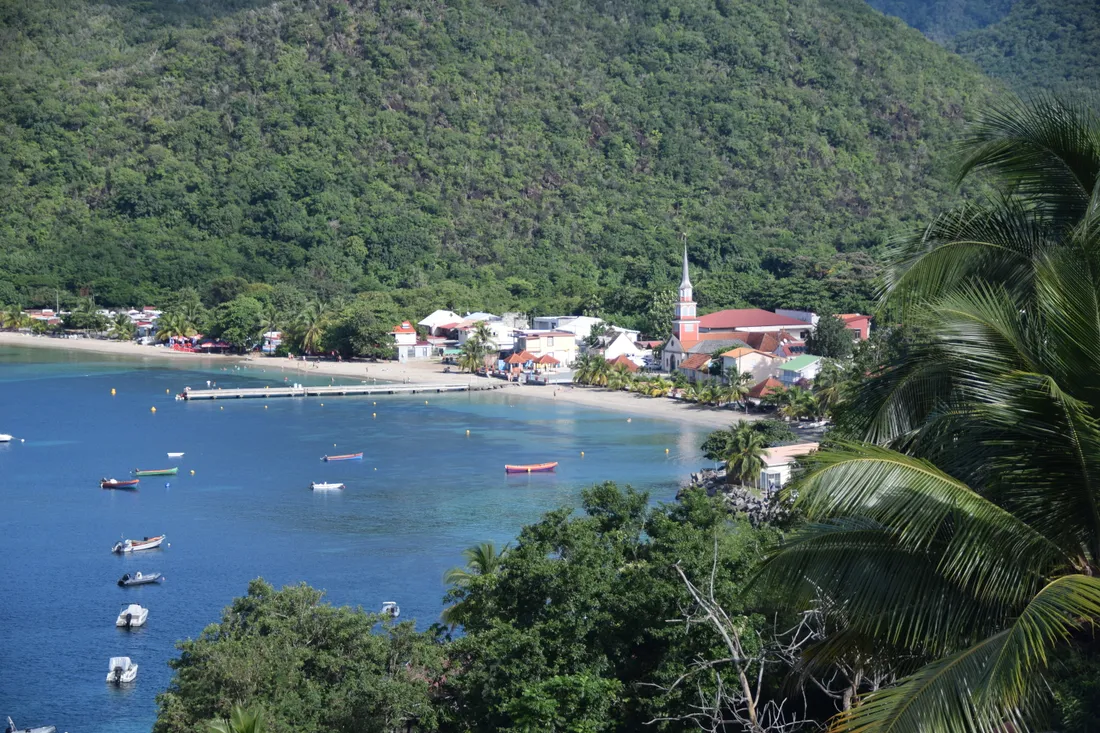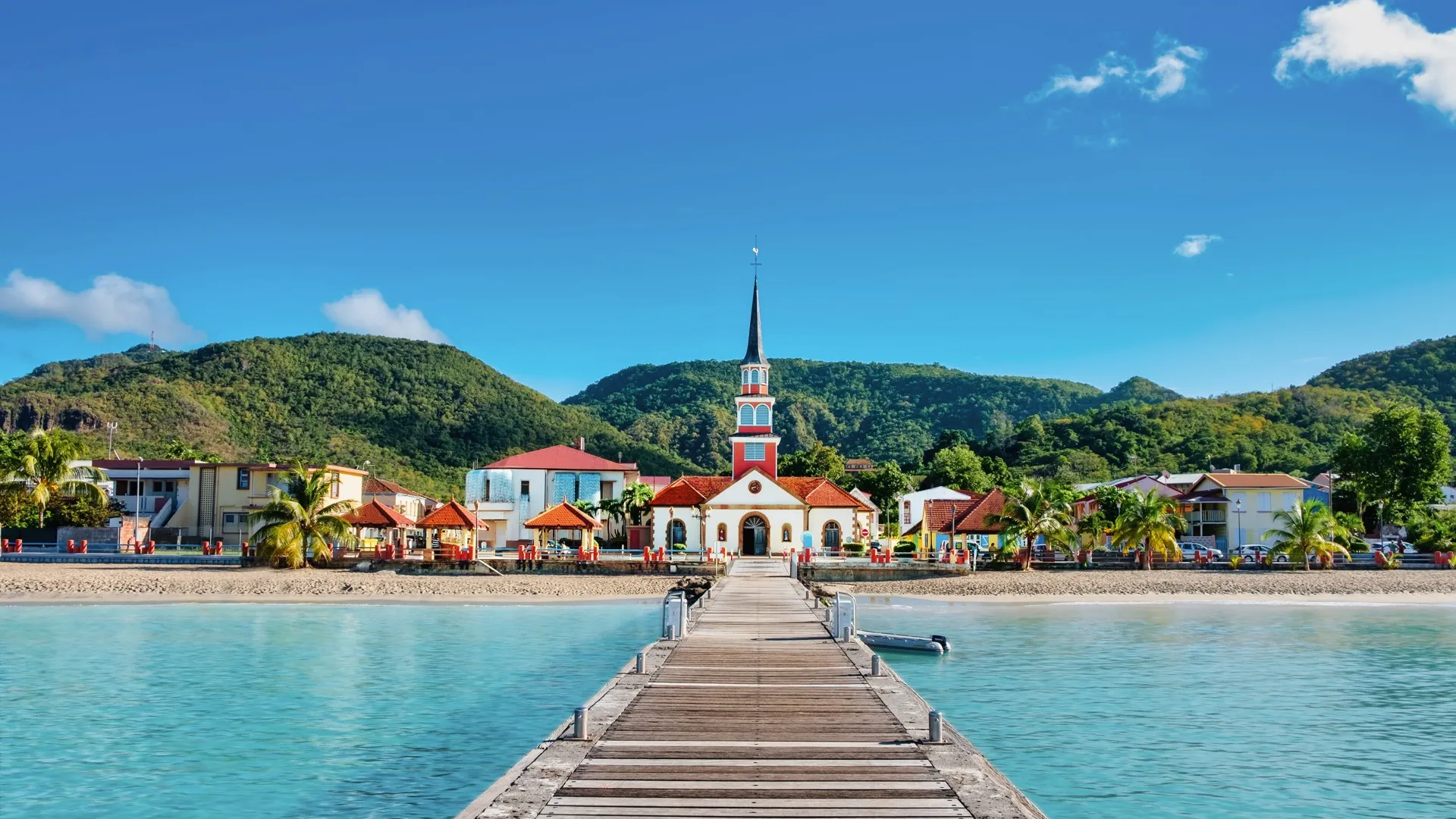

You’ve just collected your first rental income for a studio in Sainte-Anne, a one-bedroom in Trois-Îlets, or a villa facing the Diamond Rock: should you stay on the micro-BIC scheme or switch to the actual-expenses regime? It’s the most profitable decision of your year as a landlord, and yet the one most often made carelessly. When it comes to micro-BIC and actual expenses in Martinique, the tax gap between the two regimes isn’t measured in tens of euros, but in thousands, every year.
As an island resident and manager of furnished tourist rentals, I see both scenarios play out for every property we look after. Because Martinique is a French overseas department and region (DROM), the taxation of furnished rentals follows national rules — but local realities often tip the scales. Here is a numbers-based comparison, up to date for 2026, that remains educational: only a chartered accountant can validate your specific case.
Micro-BIC and actual expenses: two opposite logics for the same rent
A short-term furnished rental falls under Industrial and Commercial Profits (BIC), not property income. If it isn’t your full-time job, you fall under the LMNP status (Non-Professional Furnished Landlord), and two regimes are available to you.
Micro-BIC: a flat rate, zero paperwork
Micro-BIC applies a flat-rate allowance to your gross income: the tax authorities assume a fixed percentage covers your costs, with no supporting documents. Since the reform known as the “Le Meur law,” effective on 2025 income declared in spring 2026, the micro-BIC allowance for a furnished tourist rental depends on classification:
- Classified furnished rental: 50% allowance, income cap of €77,700 per year.
- Unclassified furnished rental (most of the island’s seasonal Airbnbs): 30% allowance, with the cap lowered to €15,000.
You declare a single figure, your collected rents, and the administration applies the allowance. No financial statements, no bookkeeping.
The actual-expenses regime: the precision that erases the tax
Under the actual-expenses regime in LMNP in the overseas departments (DOM), you forget the flat rate: you deduct your actual costs and, above all, you depreciate the property and the furniture. Depreciation is an accounting expense that doesn’t leave your cash flow but wipes out most of the taxable profit. Deductible items include loan interest, property tax, insurance, concierge services, and most importantly the depreciation of the building (excluding land, 2 to 3% per year) and of the furniture (5 to 10 years).
The trade-off: mandatory bookkeeping, often entrusted to a chartered accountant (€250 to €600 per year in Martinique, deductible) and an annual 2031 tax return.
The decisive factor: your costs versus the allowance
The rule fits in one sentence. If your actual costs exceed the flat-rate allowance, actual expenses win. And several Martinican realities inflate actual costs and often tip the decision toward actual expenses:
- Tropical climate: the air conditioning runs almost year-round, and restoring the property after the cyclone season (June to November) comes around regularly.
- Octroi de mer: imported furniture costs more than in mainland France, which increases the depreciable base.
- Ongoing loan: loan interest is heavy in the early years and can only be deducted under the actual-expenses regime.
Conversely, micro-BIC still makes full sense if you rent without a loan, with few costs.
A numbers-based comparison: three realistic Martinican rentals
Let’s take three credible cases from the island’s market (rounded figures, social levies of 17.2% included, marginal tax bracket assumed at 30%).
Case 1 — Classified studio in Sainte-Luce, no loan
- Income: €9,000/year (seasonal, Caribbean coast). Property bought outright, modest actual costs ≈ €3,000/year. Classified furnished rental, 50% allowance.
Micro-BIC: taxable base = €4,500. Actual expenses: 9,000 − 3,000 = €6,000 before full depreciation; even when optimized, you stay close to micro-BIC, which wins on simplicity. Verdict: micro-BIC.
Case 2 — Mortgaged one-bedroom in Sainte-Anne, 15 min from Les Salines
- Income: €16,000/year (seven full weeks during the Lent high season at €110–130 a night). Actual costs: loan interest €5,200, property tax and CFE €1,100, insurance and concierge €1,800, building + furniture depreciation ≈ €6,500. Total ≈ €14,600/year. Classified furnished rental, 50% allowance.
Micro-BIC: taxable base = €8,000 → tax + social levies ≈ €3,776. Actual expenses: 16,000 − 14,600 = €1,400 of profit → ≈ €661. Saving under actual expenses: more than €3,100 per year. Verdict: actual-expenses regime.
Case 3 — Unclassified villa in Le François, near the white sandbanks
- Income: €24,000/year (strong demand for large rentals in the South Atlantic area). Unclassified furnished rental: micro-BIC cap of €15,000 exceeded.
Above €15,000 for an unclassified furnished rental, micro-BIC is no longer available: the actual-expenses regime becomes mandatory. With cleaning, concierge services, and depreciation, the taxable profit often drops near zero in the early years. Verdict: actual-expenses regime (imposed by the caps).