When you think of French rum, the Martinique or Guadeloupe come to mind right away. Yet at the far end of the arc, on the South American mainland, French Guiana produces its own agricultural rum too. And it is like no other. Settled here for several years welcoming our travellers, we have learned that French Guiana rum tells a story all its own: that of a single surviving distillery, of cane born between river and Amazon forest, and of a craft that endures through time. Here is everything you need to know before slipping a bottle of Belle Cabresse into your suitcase.
Saint-Maurice: the last distillery in French Guiana
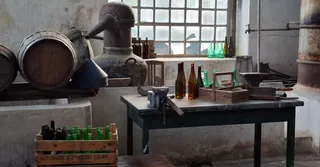
In the early twentieth century, French Guiana had several distilleries spread along its rivers. Today only one remains in operation: the Saint-Maurice distillery, located in the town of Saint-Laurent-du-Maroni, on the border with Suriname. It is the producer of the famous Belle Cabresse brand, which has become the liquid symbol of an entire territory.
An extraordinary location
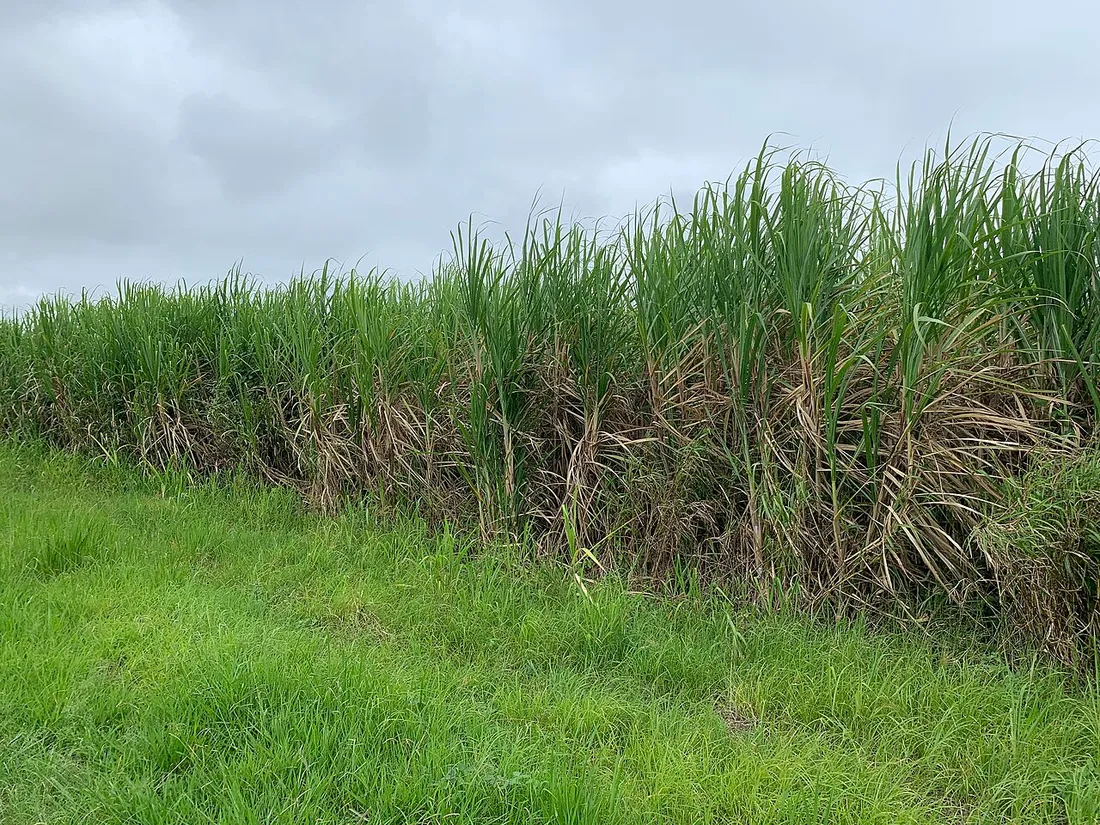
Saint-Maurice sits on the banks of the Maroni river, about 250 km from Cayenne, nearly 3 hours’ drive along the RN1. This positioning is no minor detail: cane grows here on alluvial soils, in a hot and humid equatorial climate where rainfall far exceeds that of the Caribbean. This abundance of water and sun yields cane that is especially loaded with sugar, harvested during the dry season (from mid-July to mid-November), the period that also marks the best time to visit French Guiana.
Why only one distillery?
French Guiana has never had the agricultural scale of the Caribbean islands. With a population of around 290,000 inhabitants and an economy long oriented toward gold, timber and then the space industry, cane cultivation has remained artisanal. Saint-Maurice has therefore absorbed what remained of the local rum tradition and continues to produce a modest but identity-defining volume. It is precisely this rarity that makes Guianese rum a sought-after discovery for enthusiasts.
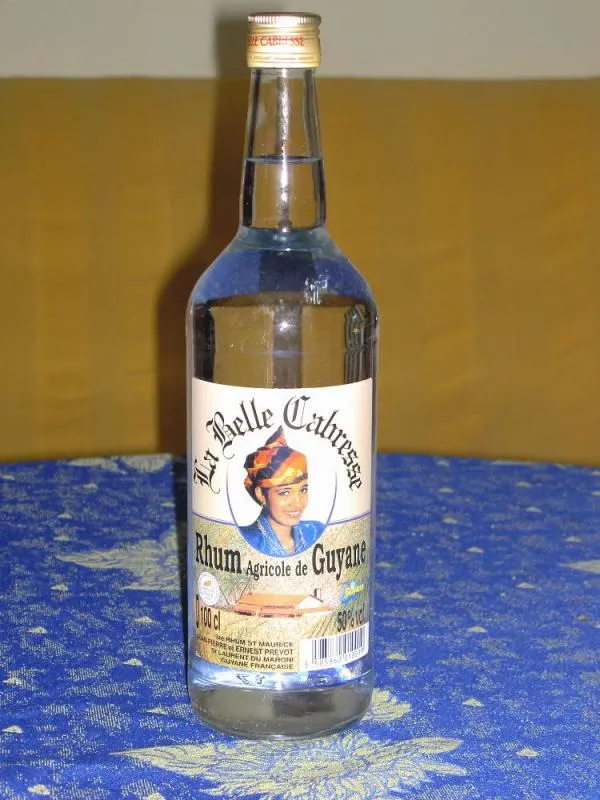
Belle Cabresse: a taste that is not Caribbean
The great misconception is to believe that all French agricultural rums taste alike. Taste Belle Cabresse blind after a Martinique rum and the difference leaps to the palate.
What sets Guianese rum apart
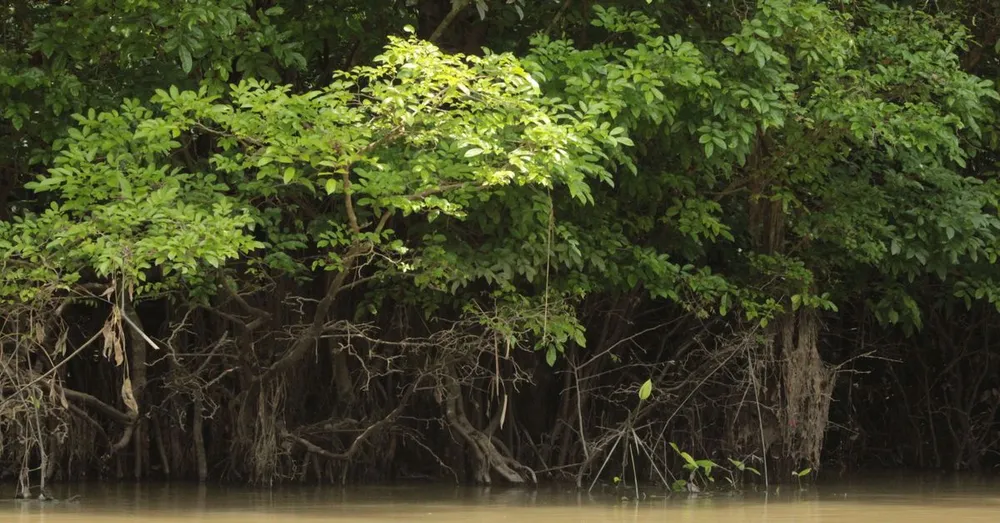
- The Amazonian terroir: the cane grows on the edge of primary forest, on soils different from the volcanic ones of the Caribbean. The aromatic profile is more vegetal, sometimes herbaceous.
- The absence of an AOC: unlike Martinique’s agricultural rum, protected by a strict Appellation d’Origine Contrôlée, French Guiana rum enjoys greater freedom of production. This gives blends that are more direct, often more powerful.
- The proof: Belle Cabresse is easily found in white versions at 50°, 55° or even higher, traditionally used in the legendary local ti’punch.
- The Creole connection: here, rum is drunk in a mixed cultural context, blending Creole, Bushinenge, Amerindian and Hmong influences. Infused rum reigns supreme.
Infused rum, the Guianese art of living
If you were to remember just one thing, it would be rhum arrangé (infused rum). Passion fruit, maracudja, pineapple, ginger, vanilla or local barks are macerated for weeks. Every family has its own recipe. It is the souvenir gift par excellence, far more meaningful than an industrial bottle. In the markets and grocery stores of Cayenne, you will come across dozens of variations.
Visiting Saint-Laurent-du-Maroni and rum country
The Saint-Maurice distillery is best discovered within the broader setting of a stay in the west, a region of French Guiana too often skipped by hurried visitors.
What to see around Saint-Laurent
Saint-Laurent-du-Maroni is best known for its penal past:
- The Camp de la Transportation, the former penal colony where convicts disembarked, can be explored on a guided tour (allow about 1h30, often priced around €10).
- A descent of the Maroni river by pirogue toward the Bushinenge and Amerindian villages, an unmissable experience (from half a day to several days).
- Further west, Awala-Yalimapo and its beaches where leatherback turtles come to nest between April and July.
Combining the distillery visit, the penal colony and a pirogue outing easily makes a full weekend of two to three days from Cayenne.
Planning the trip
A car is essential in French Guiana: little public transport, long distances. Allow about 3 hours from Cayenne (or from Félix-Éboué airport in Matoury) to Saint-Laurent along the RN1. Bring water and fuel and set off early to enjoy the relative cool. To go further with your planning, our complete guide to French Guiana details itineraries, seasons and formalities.
Buying and bringing home French Guiana rum
Rum is undoubtedly the most emblematic souvenir to bring back. You just need to know where to buy it and how much to take.
Where to stock up
- The Cayenne market (mornings, notably Wednesday, Friday and Saturday) for artisanal infused rums.
- Local supermarkets and grocery stores for Belle Cabresse in standard bottles, at very affordable prices (often €12 to €20 a bottle depending on proof and format).
- Directly to Saint-Laurent-du-Maroni to buy as close to the source as possible.
What to know for the trip home
As French Guiana is a French overseas department using the euro, there is no international customs to return to mainland France. However, keep in mind the airline’s rules for liquids in checked luggage (alcohol over 24° and up to 70°: generally 5 litres per person maximum). Pack your bottles well: the flight is long.
A local’s tasting tips
To enjoy French Guiana rum the way we do here, a few pointers:
- The ti’punch: white agricultural rum at 50°, a dash of cane syrup, a wedge of lime. No ice in the purist version.
- The ‘ti sec: the same, but downed in one shot, as an aperitif, among friends.
- The infused rum: to sip slowly, as a digestif, on the terrace after nightfall.
A word of caution: these white rums are powerful. The equatorial heat accelerates the effects of alcohol. Stay hydrated, and never get behind the wheel after tasting, especially as Guianese roads demand your full attention.
Why rum sums up French Guiana so well
Ultimately, French Guiana rum mirrors the territory itself: discreet, singular, little-known and endearing. A single distillery, an emblematic brand, an Amazonian terroir without equal. Where the Caribbean shines through mass production and a prestigious AOC, French Guiana cultivates rarity and authenticity. To taste Belle Cabresse is to taste a piece of this mixed identity, between river, forest and Creole culture.
Plan your stay with Hostel Toucan
Discovering the Saint-Maurice distillery, the Saint-Laurent penal colony or the Cayenne markets calls for a comfortable, well-located base. At Hostel Toucan, we offer accommodation for rentals in French Guiana with direct booking and no platform fees, free cancellation up to 7 days before arrival and 7-day WhatsApp support to guide you, including the best places to buy your infused rum. Do you own a property in French Guiana? Discover our concierge service on the owners page. Book your stay and let us give you a taste of the real French Guiana.
FAQ
How many rum distilleries are there in French Guiana?
Only one distillery is still in operation today: the Saint-Maurice distillery, located in Saint-Laurent-du-Maroni on the banks of the Maroni river. It produces the emblematic Belle Cabresse brand, making Guianese rum a rare and identity-defining product.
What is the difference between French Guiana rum and Caribbean rum?
French Guiana rum comes from cane grown in an Amazonian terroir, on the edge of primary forest, which gives it a more vegetal profile. Unlike Martinique’s agricultural rum protected by a strict AOC, Guianese rum enjoys greater freedom of production, yielding blends that are often more powerful and direct.
Where can you buy French Guiana rum and at what price?
Belle Cabresse is found in local supermarkets and grocery stores, generally between €12 and €20 a bottle depending on the proof. For artisanal infused rums, head to the Cayenne market in the morning. As French Guiana is a French overseas department using the euro, no international customs is required to return to mainland France.
Can you visit the Saint-Maurice distillery?
The distillery is discovered as part of a stay in Saint-Laurent-du-Maroni, about 3 hours’ drive from Cayenne along the RN1. A car is essential. The visit is usually combined with the Camp de la Transportation (former penal colony) and a descent of the Maroni river by pirogue for a full weekend.