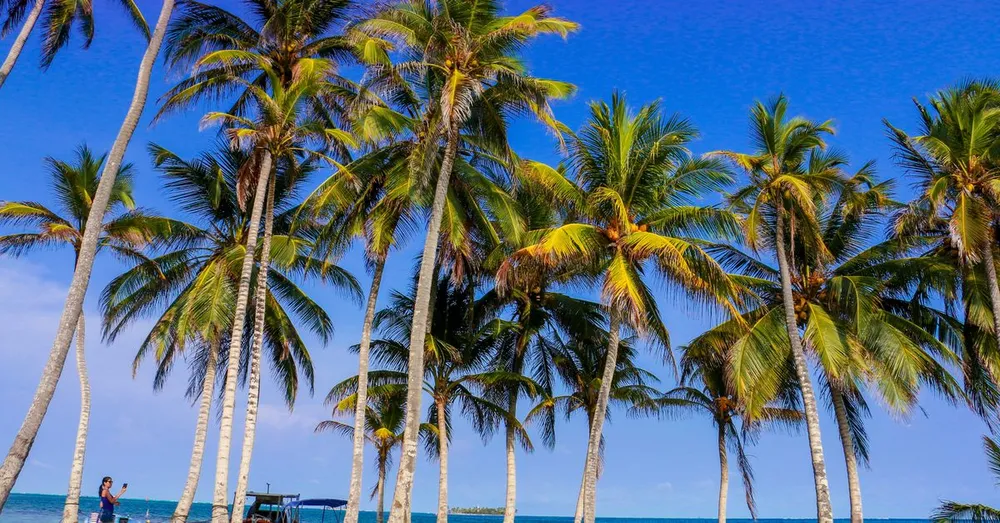
Most travelers book in the South, around Sainte-Anne or Les Trois-Îlets. But if you come first for nature, hiking and an intimate atmosphere, a stay in Le Carbet, Martinique changes everything. Sitting on the North-Caribbean coast, between Saint-Pierre and Fort-de-France, the town offers black volcanic sand, Mount Pelée as a backdrop and direct access to the island’s most beautiful trails. After several years advising travelers here, here is our honest take on what it really means to base your holiday in this area: its strengths, its climatic constraints and the type of accommodation to aim for.
Why choose Le Carbet as a nature base camp
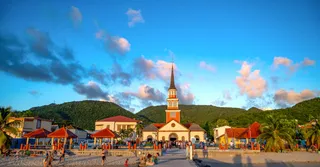
Le Carbet (around 3,500 inhabitants) stretches at the foot of Pelée’s first slopes, along a shoreline of fishing boats and small Creole cottages. It is a quiet town, with no massive hotel complex, perfect for anyone who wants to wake to the sound of roosters and the sea rather than to seaside bustle.
To set the scene: Martinique is a French overseas department and region (DROM), with Fort-de-France as its capital and around 360,000 inhabitants. You pay in euros, people speak French and Creole, the dialing code is +596 and the time difference with Paris is -5h in winter, -6h in summer. The North, more mountainous and winding, is best experienced by car.
Choosing a rental in Le Carbet for a nature getaway means betting on three things:
- A central location on the Caribbean coast: you are halfway between Fort-de-France and the far North, so well placed to explore without spending your days on the road.
- Quiet and authenticity: here, no crowds on the sand, grilled-fish lolos along the shore and west-facing sunsets that set the Caribbean Sea ablaze.
- Immediate proximity to the North’s must-sees: Saint-Pierre, Mount Pelée, the distilleries and the waterfalls are all within easy driving reach.
Who should stay in the North-Caribbean?
This base is best suited to hikers, heritage lovers (Saint-Pierre is a designated City of Art and History) and travelers seeking peace and quiet. If your itinerary revolves mainly around large white-sand beaches and shallow turquoise waters, the South remains a better fit — or plan a two-base arrangement.
A North-Caribbean coast made for hiking
This is the main argument for a stay in Le Carbet: no other part of the island packs so much accessible nature within less than 30 minutes’ drive.
- Mount Pelée (1,397 m): the iconic volcano can be climbed via several trails (the Aileron route from Morne-Rouge being the most classic). Allow 4 to 5 hours round trip, a start before 7 a.m. to avoid the clouds, and good shoes.
- The tropical rainforest: the Canal des Esclaves, the Trace des Jésuites and the trails of Fonds-Saint-Denis plunge into lush vegetation, tree ferns and gum trees, 15-20 minutes from Le Carbet.
- The waterfalls: the Saut Gendarme at Fonds-Saint-Denis is one of the easiest to reach on the island, perfect for a freshwater dip after the effort.
- The ruins of Saint-Pierre and the Rum Route: 10 minutes away, the “martyr city” destroyed in 1902 and the Depaz distillery, at the foot of the volcano, round off a nature day with a dose of history and AOC agricultural rum.
Distances from Le Carbet
- Saint-Pierre: ~7 km, 10 min
- Aimé Césaire Airport (Le Lamentin): ~35 km, 35-40 min via the N2
- Fort-de-France: ~25 km, 30 min
- Mount Pelée (Aileron): ~20 km, 30-35 min
- Balata Garden: ~20 km, 30 min
- Southern beaches (Les Salines): ~75 km, 1h30 — which is why it’s worth setting aside a full day for the South, or splitting the stay.
Black sand rather than white sand
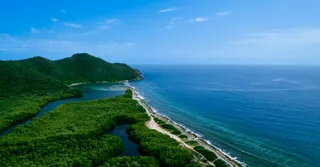
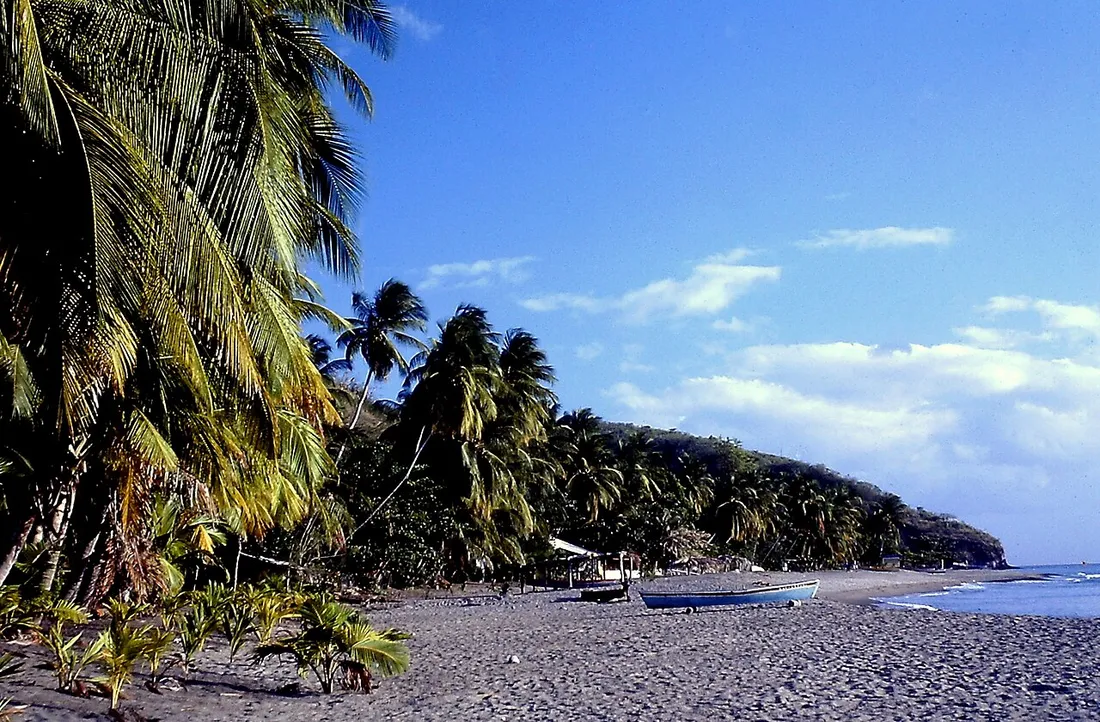
On this coast, forget the turquoise postcards: here, black sand beaches dominate, inherited from Pelée’s ash and rock. La Plage du Coin, in Le Carbet, unfurls a long dark-grey ribbon, with calm shallow water, ideal for cooling off after a hike. Further north, Anse Couleuvre (at Le Prêcheur) is a wild black-sand beach at the end of a road then a trail, prized by lovers of raw nature.
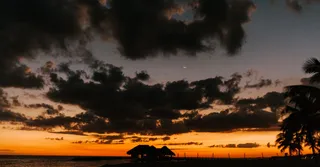
This dark sand heats up fast: water shoes are welcome in the middle of the day. And since the coast faces due west, the end of the day is spectacular here — an asset the South does not always offer as clearly. Fans of Martinique’s black sand beaches are right at home here.
A more humid climate: plan for it without dramatizing
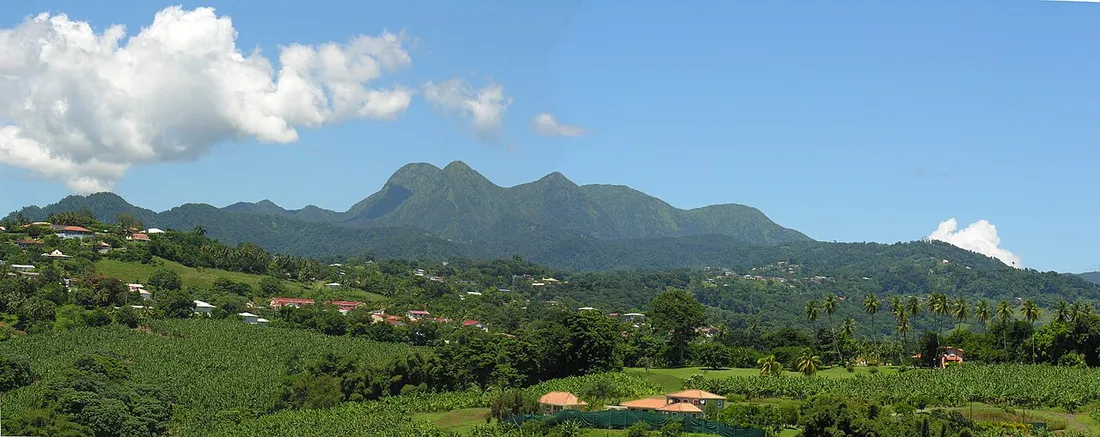
Let’s be transparent, since guides often forget to say it: the North-Caribbean gets more rain than the South. Pelée’s relief catches the clouds, and a brief late-afternoon shower is not rare, even in the dry season. That is precisely what keeps the vegetation so green.
How to plan for it:
- Favor the Carême (dry season), from December to April, for a nature getaway: clearer skies, less muddy trails, clearer sea. Carnival livens up the island in February-March.
- Schedule hikes in the morning, when the sky is most stable and the summits clear.
- Slip a light windbreaker and quick-drying shoes into your bag: a shower often passes in 15 minutes.
- Ideally avoid the heart of the wet season (June to November, the cyclone season) if you want to string together trails; otherwise, keep your program flexible.
This humidity is not a flaw, it is the North’s identity: as long as you keep it in mind, it spoils nothing and feeds the forest and waterfalls that are the region’s spice.
What type of accommodation to aim for in Le Carbet
The rental stock of the North-Caribbean differs from that of the South: fewer large residences, more typical, human-scale lodgings. In practice, you will mostly find:
- Renovated Creole cottages and bungalows with a tropical garden, often on the heights with a sea view.
- Seafront apartments in the village of Le Carbet, handy for walking to the beach.
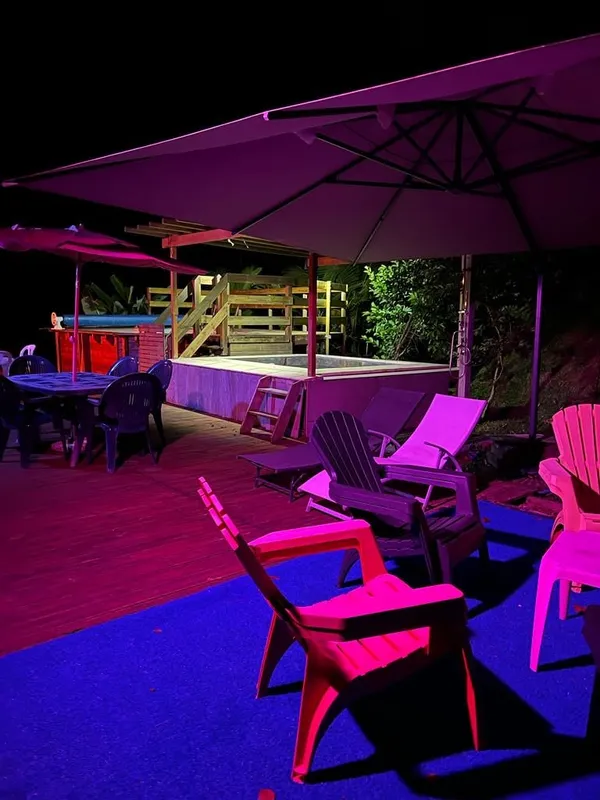
- Villas with a pool on the hillside, ideal for families or groups of friends, to enjoy the cool of late afternoon.
The criteria to prioritize for a nature getaway: a terrace for the evenings, parking (essential with a car), good mosquito netting or air conditioning (humidity attracts mosquitoes) and somewhere to dry hiking gear. As for budget, expect an indicative range of €70 to €130 per night for a two-person lodging in season, more for a family villa with a pool.
Also think about the rental car (€35 to €50 per day), truly essential here: public transport does not allow you to string together the North’s sites. Book it in advance during high season.
Booking your stay in Le Carbet with Hostel Toucan
Finding the right lodging in the North-Caribbean takes a little local know-how: not all “sea views” are equal, and some gems perched on the hills are hard to spot online. That is where our local roots make the difference.
At Hostel Toucan, we select holiday rentals all over the island, with direct booking with no platform fees, free cancellation up to 7 days before arrival and WhatsApp assistance 7 days a week. Very useful in the North, where you like to know in real time whether Pelée is clear for the next day’s hike.
- Browse our accommodations on the Martinique rentals page.
- Plan your whole trip with our complete guide to Martinique.
- Do you own a property in Le Carbet or the North? Our concierge service for owners manages your rental from A to Z, from cleaning to welcoming guests.
A stay in Le Carbet doesn’t mean missing out on Martinique: it means discovering its most natural side, that of the volcano, the forest and the sunsets over the Caribbean Sea — with the South within excursion reach whenever the urge for golden sand strikes.
FAQ
Is Le Carbet a good base for a first stay in Martinique?
Yes, if your trip is geared toward nature, hiking and heritage: Le Carbet places Saint-Pierre, Mount Pelée, the distilleries and the Centre-North waterfalls within less than 30 minutes. For a 100% white-sand-beach stay, the South remains more practical; over two weeks, a two-base arrangement (North and South) is ideal.
Does it really rain more in Le Carbet than in southern Martinique?
Broadly yes: Pelée’s relief catches the clouds and short showers are frequent in the late afternoon. That is what keeps the forest so green. By booking during the dry season (December to April) and planning hikes in the morning, the impact on your stay stays minimal.
Do you need a car for a nature getaway in Le Carbet?
Yes, it is strongly recommended. The Pelée trails, the waterfalls and the distilleries are not efficiently served by public transport. Budget €35 to €50 per day, and book early in high season (Carême and school holidays).
What budget should you plan for a lodging in Le Carbet?
As a guide, expect €70 to €130 per night for a two-person lodging (Creole cottage, bungalow or apartment) in season, more for a villa with a pool. Booking directly, with no platform fees, helps optimize the overall budget of the stay.