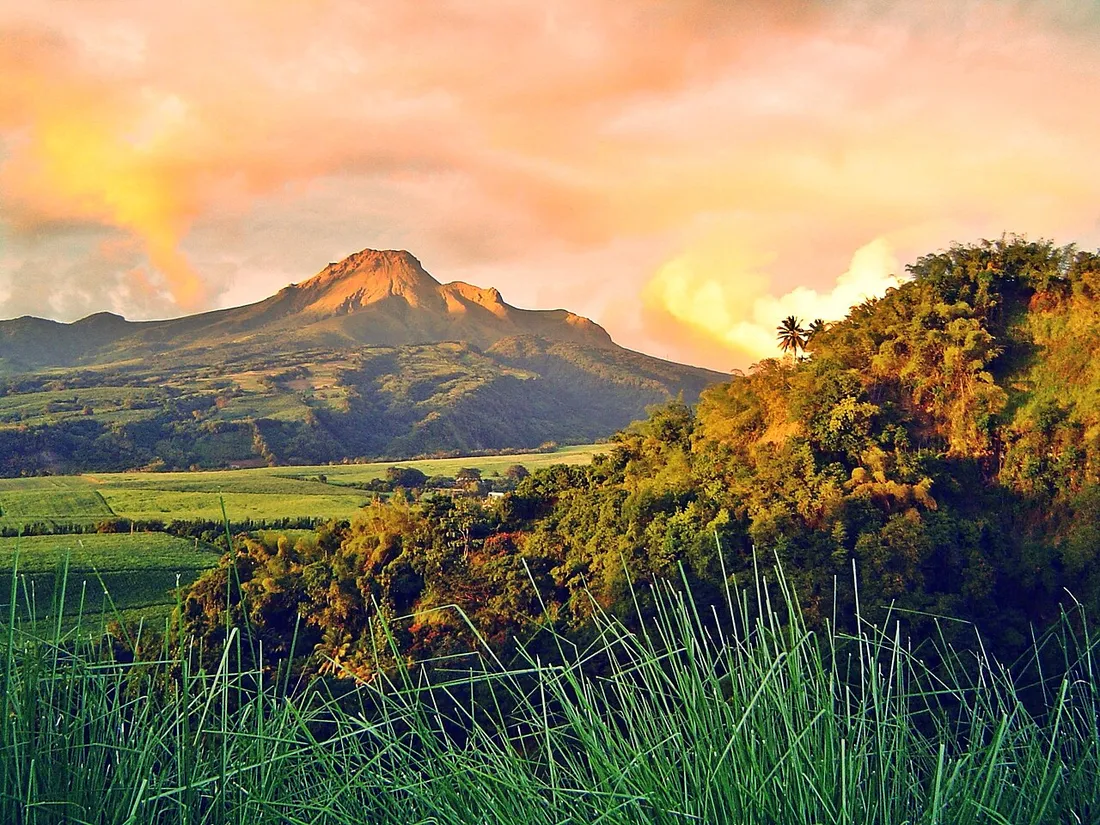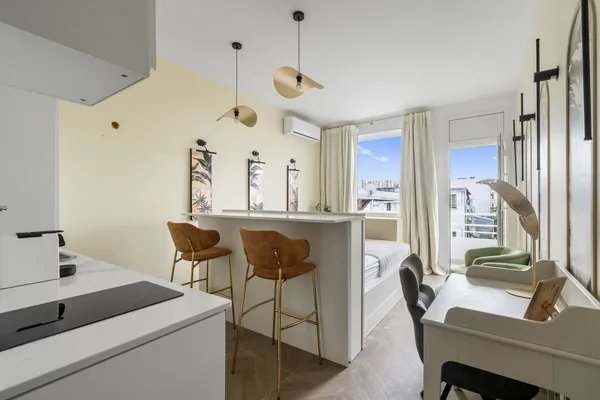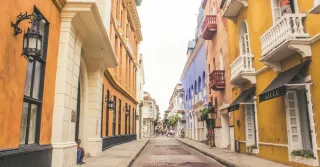
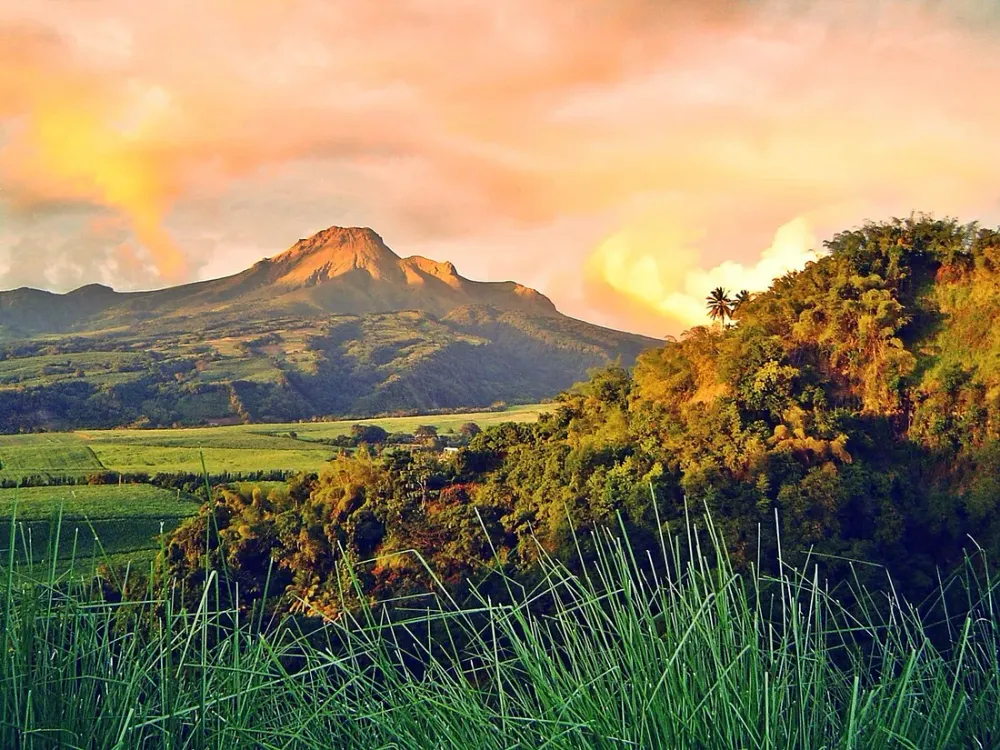
Most travelers choose the South of Martinique for its postcard beaches. Yet after several years guiding our clients across the island, I see more and more people doing the opposite: making Saint-Pierre their home base. And few ever regret it. Staying here means waking up at the foot of Mount Pelée, in the island’s former cultural capital, a stone’s throw from the 1902 ruins and at the trailhead of the North’s finest hikes. A stay in Saint-Pierre, Martinique is unlike any other: neither all-beach nor club hotel, but a base steeped in history. Here is my on-the-ground take to help you decide whether this base is right for you, what kind of lodging to find here, and how to explore the North.
Why choose Saint-Pierre as your home base
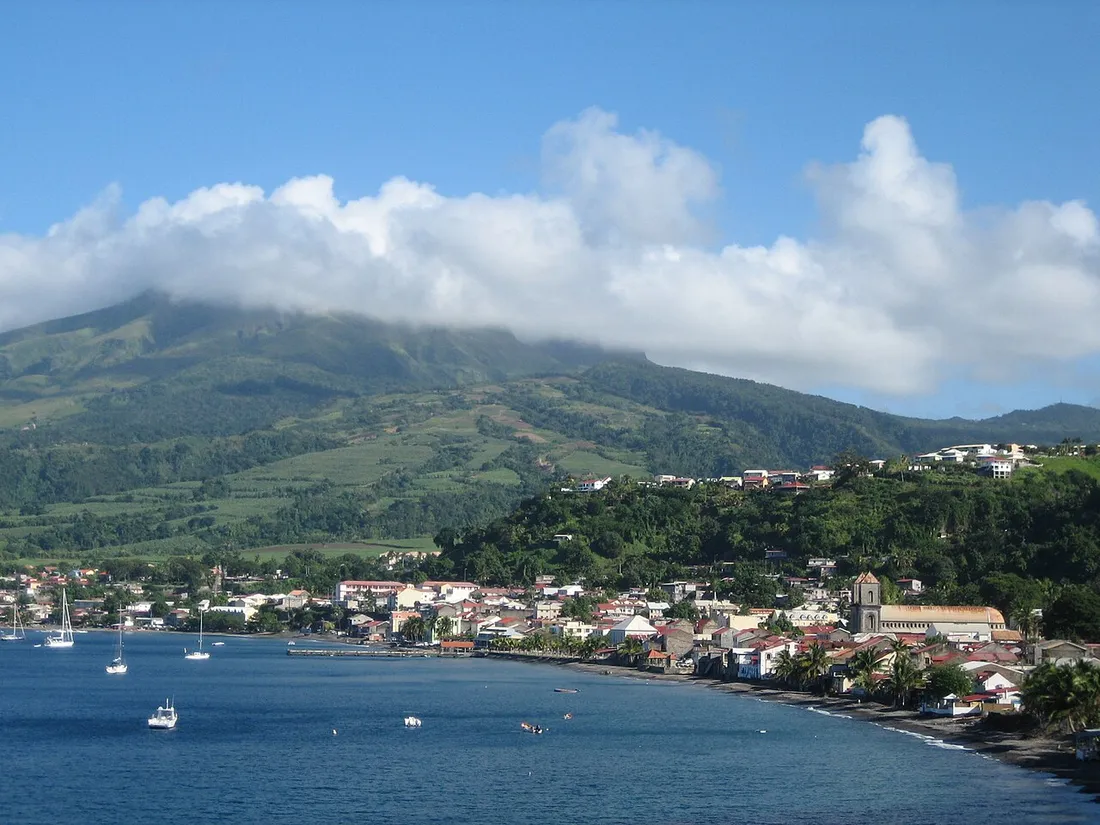
Saint-Pierre, home to around 4,000 people today, was once the “Little Paris of the West Indies” and remains the first town in Martinique to earn the Town of Art and History label. Its singularity: you don’t sleep facing a manicured beach, but in a living heritage setting, between the waterfront, sloping lanes and ruins on every street corner.
To set the scene: Martinique is a French overseas department and region (DROM), with Fort-de-France as its capital and around 360,000 inhabitants. The currency is the euro, French and Creole are spoken, and the time difference with Paris is -5h in winter, -6h in summer. The island is 80 km long and the North is best explored by car.
Choosing Saint-Pierre as your base camp brings three concrete advantages: a strategic location (Mount Pelée, Balata, Le Carbet, Le Prêcheur and the Rum Route all under 40 minutes away); authenticity over crowds, with lolos, the market, fishermen and real village life at a Creole pace; and good value for money, as rentals here are often more affordable than in the popular beach resorts of the South (Sainte-Anne, Les Trois-Îlets).
Who a stay in Saint-Pierre is really for
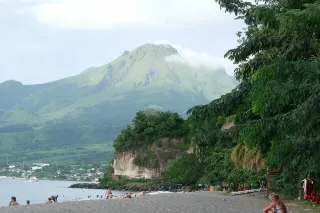
Let’s be honest: Saint-Pierre isn’t for everyone. It’s an ideal base if you’re a history and heritage lover, a hiker drawn to Mount Pelée, a traveler seeking authenticity, or on a North-South road trip. On the other hand, if your priority is a white-sand beach within walking distance of your lodging, the South will suit you better: Saint-Pierre’s beaches are volcanic, with black sand.
How to get there and find your way around
From Aimé Césaire Airport (Le Lamentin), allow 50 minutes to 1 hour via the N2 along the Caribbean coast (about 35 km); from Fort-de-France, 45 minutes to 1 hour depending on traffic; and Le Carbet is just 10 minutes away. My local tip: a car is essential here, as public transport poorly serves the north coast. Budget around €35 to €55 per day for a rental, to be booked early in high season.
Saint-Pierre’s heritage, your daily playground
The advantage of a base in Saint-Pierre is exploring the ruins of Saint-Pierre without pressure, over several visits, in the best light of day. On May 8, 1902, the pyroclastic cloud of Mount Pelée razed the town in minutes. Saint-Pierre’s heritage is now listed as a Historic Monument, and the volcano towering above it has been a UNESCO World Heritage Site since 2023.
When you stay on site, you experience these landmarks differently: the ruined theater at dawn, when the raking light enhances the grand staircase; Cyparis’s cell, where the famous survivor of the eruption was held, just steps away; the Frank Perret Volcanological Museum (admission around €8-10, about 1 hour); and the lanes, the former cathedral and the Fort district, best strolled in the cool of late afternoon.
Staying here also lets you try wreck diving: a dozen ships sunk in 1902 rest in the bay, between 30 and 90 m deep. Expect €50 to €70 for a guided outing with a local club, with the legendary Roraima reserved for experienced divers.
Exploring the North from Saint-Pierre
This is where the Saint-Pierre base makes full sense: in a single week, you tick off the North’s must-sees without ever driving more than 40 minutes.
- Mount Pelée: trailhead at l’Aileron (the Ajoupa-Bouillon road) 30-40 minutes away; a strenuous 4 to 6 h round-trip climb, best early in the morning under clear skies.
- Depaz Distillery: 5 minutes away, at the foot of Mount Pelée amid its cane fields, for a tasting of AOC agricultural rum.
- Balata Garden: about 35 minutes toward Fort-de-France, with its suspended rope bridges and botanical collection.
- Le Carbet: 10 minutes, a black-sand beach, the Martinique Zoo set in the ruins of Habitation Anse Latouche, and Anse Turin where Gauguin once stayed.
- Le Prêcheur and Anse Couleuvre: 20 to 30 minutes, a wild black-sand beach and a trail toward Grand-Rivière. Further on, the Rum Route (Saint-James, Clément, La Mauny, Trois-Rivières) rounds out the circuit.