
Receiving your posting order for French Guiana is often a mix of excitement and vertigo. Between the moment you discover your assignment (Cayenne, Kourou, Saint-Laurent-du-Maroni, Maripasoula, Grand-Santi and so on) and the first day back at school, you sometimes have only a few weeks to organise a transatlantic move, get to grips with a housing market you don’t know, and settle in without stress. This guide is aimed at primary and secondary school teachers, tenured and contract staff alike, who are joining the Guiana education authority and looking to find housing intelligently before term starts. The aim: to spare you the classic pitfalls of arriving “blind”, to give you concrete reference points (always presented as indicative) and to show you why temporary accommodation on site is often the best way in before signing a long-term lease.
Understanding French Guiana before choosing your housing
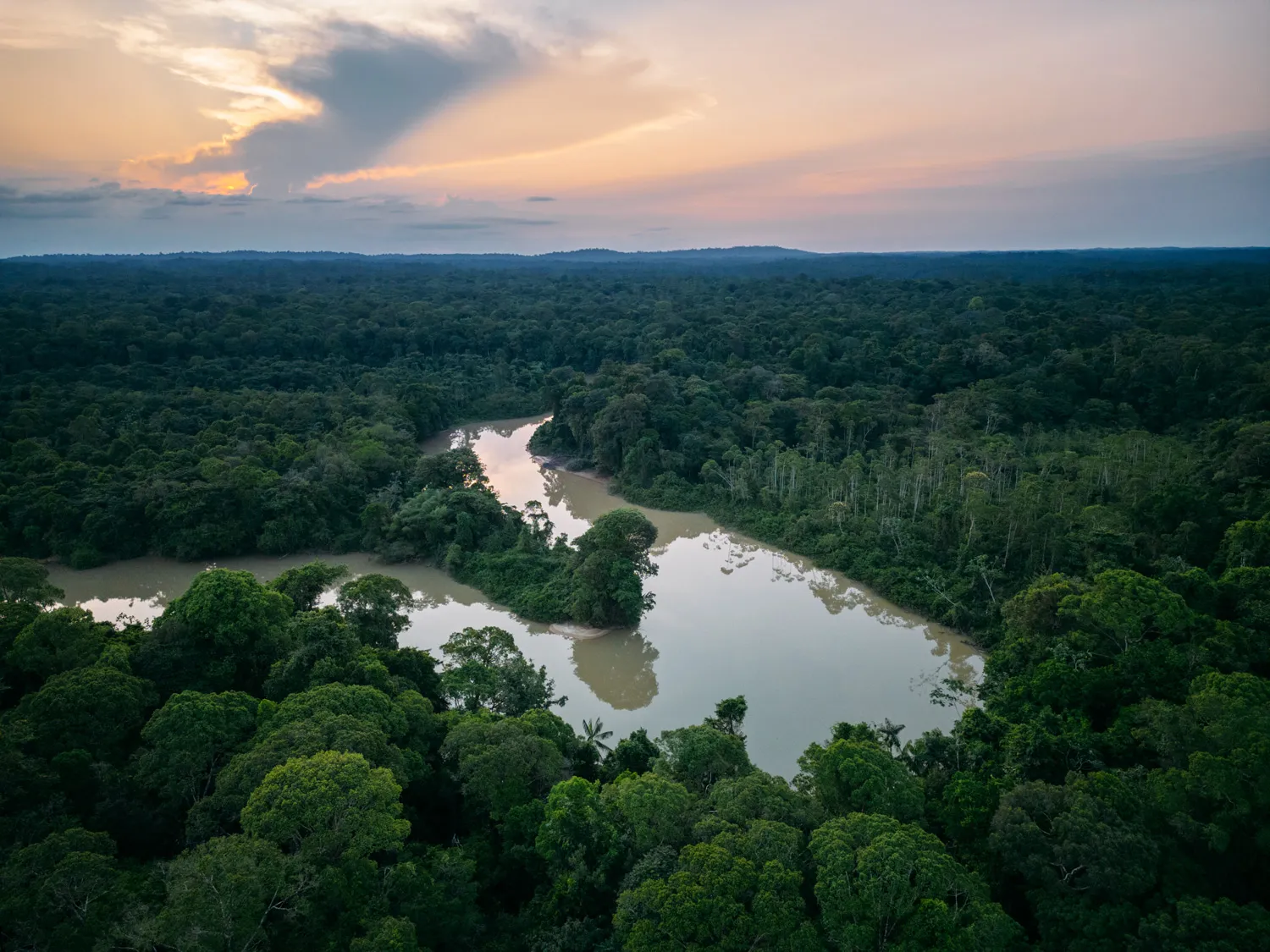
French Guiana is not a small island: it is the largest French department, roughly the size of Portugal, with a coastline where most of the population is concentrated and a vast forested interior accessible mainly by river or by air. Your place of assignment determines almost everything about your housing strategy.
- Cayenne and its urban area (Rémire-Montjoly, Matoury): the densest catchment for rental supply, shops and services. It is also the most sought-after, and therefore the tightest market at the start of term.
- Kourou: a town shaped by the Guiana Space Centre, with a housing stock sometimes linked to the organisations present, and demand that fluctuates with launch campaigns.
- Saint-Laurent-du-Maroni: the department’s second city, with strong population growth, on the border river with Suriname; many teaching posts are filled there, but rental supply is more limited than in Cayenne.
- Interior communes (Maripasoula, Grand-Santi, Papaïchton, Saül and others): reached by pirogue or small plane, with housing often tied to the school or arranged locally, and very specific realities.
Before committing, pin down exactly which school you have been assigned to and the realistic commuting time — distances and road conditions change everything, and there is no public transport network comparable to mainland France.
Tenured, TZR or contract teacher: what difference does it make?
If you are tenured in a fixed post, you know where you will be teaching all year and can aim for a standard lease. If you are a TZR (tenured teacher on a replacement zone) or a contract teacher, your assignment may change during the year: in that case, flexible housing at the start of the year keeps you from locking yourself into a long commitment before you have all the information about your actual post.

The back-to-school calendar: planning every step
The teacher’s main enemy after a posting is time. Here is an indicative framework so nothing is left to chance between the posting order and the first day back.
- As soon as you receive the posting order: confirm the school and the commune you are assigned to.
- 6 to 8 weeks before: start the housing search and book a temporary solution for the first days and weeks.
- 4 to 6 weeks before: organise freight or the removal, book flights.
- 2 to 3 weeks before: prepare the administrative documents (see below).
- Arrival week: pick up a vehicle, set up utility accounts, view properties on site.
- First day back: be settled at least temporarily, and calmly, before meeting your colleagues.
The common mistake is trying to sign a definitive lease from mainland France, based on photos, without having visited or understood the neighbourhood. In French Guiana perhaps more than anywhere else, the reality of a home, a street and a commute is measured on the ground.
Renting on site: what you need to know
The Guianese rental market has a few particularities worth knowing before you start searching.
The climate shapes the housing
French Guiana has an equatorial climate: constant heat and humidity, and a pronounced rainy season (roughly December to June, with variations from year to year). In practice, that shapes your priorities: the presence of air conditioning or at least ceiling fans, good natural ventilation, mosquito screens, exposure to the trade winds, and vigilance about damp (mould) in poorly ventilated homes. A property that is pleasant in the dry season can become trying in the rainy season if it is badly designed.
Furnished or unfurnished?
When you arrive from mainland France with a removal that can take several weeks to cross the Atlantic by sea freight, a furnished home — even a temporary one — solves the problem of the first few weeks without a bed or a fridge. Many teachers combine the two: a temporary furnished place on arrival, then an unfurnished home on a standard lease once the container has arrived.
The rental application
Prepare a solid, digitised application in advance. As a civil servant or public sector employee, your status is an asset with landlords, who appreciate stable income.
- ID and appointment order or proof of assignment.
- Your last three payslips or, failing that, your contract and an employer’s certificate.
- Bank details and proof of your current address.
- Contact details for a guarantor if required.
Budget benchmarks (indicative only)
Rents vary widely depending on the commune, the neighbourhood, and the condition and fittings of the property. Purely as an indication, with no contractual value, expect the Cayenne urban area to sit generally at the upper end of the departmental range, while some communes offer more affordable rents but with scarcer supply. Also budget for start-up costs: the security deposit, home insurance, setting up utility accounts and basic equipment. These amounts change with the season and how tight the market is: ask locally, from colleagues already on site, rather than relying on a national average.
Choosing your neighbourhood around Cayenne
If you are assigned to the urban area, here are a few pointers on the zones where many newcomers settle.
- Cayenne centre and Montabo: close to services, urban atmosphere, with the Montabo district prized for its elevated setting and seafront.
- Rémire-Montjoly: a residential commune popular with families, with the Montjoly and Rorota beaches, greener surroundings and often a bit more peace and quiet.
- Matoury: close to Félix-Éboué airport, a central position for getting around the urban area, and often more affordable.
The right neighbourhood depends above all on your school: aiming to live close to your workplace greatly reduces daily fatigue, because rush-hour journey times can be surprising. Also take into account the presence of shops, how safe the neighbourhood feels (ask colleagues already on site) and access to a school if you have children.