On the butterfly-shaped island of Guadeloupe, sugar cane is far more than scenery. It is the beating heart of a culture, an economy and an AOC craft that ranks the archipelago among the world’s references for agricole rum. Visiting a rum distillery in Guadeloupe isn’t about ticking a tourist box: it’s about understanding how freshly pressed cane juice becomes a spirit at 50, 55, sometimes 59 degrees, steam-distilled and bottled just a few kilometres from the fields.
After several years roaming the roads between Grande-Terre and Basse-Terre, here is the circuit I recommend to our travellers: four emblematic distilleries, realistic opening times to see the machines in action, and above all tips for tasting smart and responsibly.
Why Guadeloupean agricole rum is unique
Unlike traditional (or molasses-based) rum produced elsewhere in the world, agricole rum is made from pure cane juice that is pressed and then fermented, never from a by-product of sugar. This method, shared with Martinique, yields vegetal, herbaceous and fruity aromas of great finesse.
Timing matters enormously. The sugar harvest season (the cutting and distillation) generally runs from February to June, peaking in March-April. It’s the only period when distilleries actually crush the cane: you see the distillation columns steaming, you smell the heady scent of fermented cane juice, you hear the mills. Outside the harvest, you visit a museum and a shop, which remains interesting but far less alive.
Good news: this harvest season overlaps with the end of the dry season (December to April), the best time to stay in Guadeloupe. March-April is therefore the ideal window to combine fine weather and fully active distilleries.
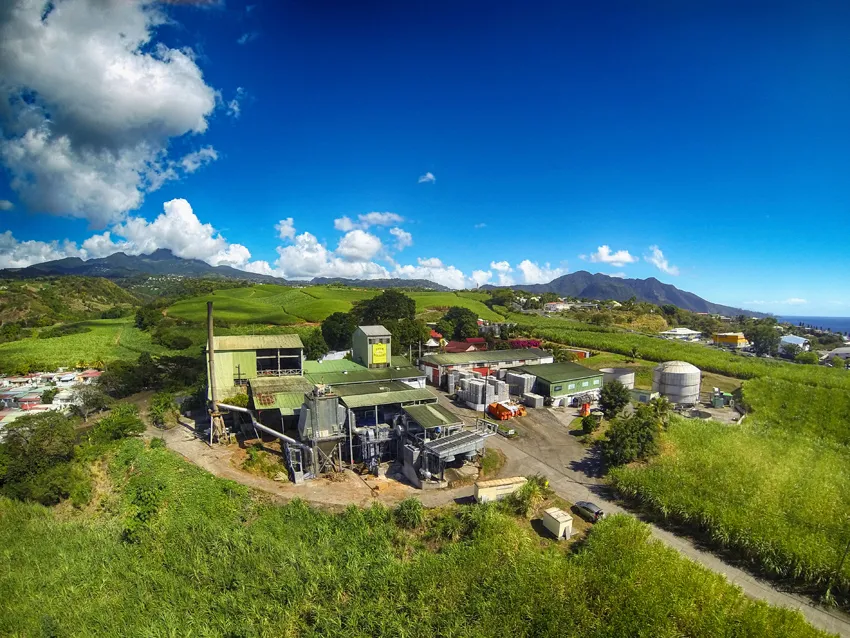
The circuit of 4 must-see distilleries
I built this route to be realistic over 2 to 3 days, alternating between Grande-Terre and Basse-Terre. The prices and durations below are rough orders of magnitude observed on the spot; always check before you set off.
1. Damoiseau (Le Moule, Grande-Terre)
The archipelago’s largest distillery by volume, Damoiseau is an easy stop from Pôle Caraïbes airport (about 35 km, 40 min) or the beaches of Sainte-Anne and Saint-François.
- Access: Le Moule, in the east of Grande-Terre
- Visit: free, self-guided access to the site and shop; paid guided tours depending on the season (budget 8 to 12 €)
- What to see during harvest: the great distillation column in operation, the procession of cane carts
- What to taste: the famous 50° white rum, the Subprime cuvée, the cask-aged old rums
Tip: arrive in the morning (doors open around 8:30-9 am on weekdays), the light over the fields is beautiful and the crowds are thinner.
2. Longueteau (Capesterre-Belle-Eau, Basse-Terre)
Heading to the volcanic wing. Longueteau, nestled at the foot of La Soufrière on the Marquisat de Sainte-Marie estate, is a family distillery renowned for its single-plot, almost “single field” rums.
- Access: Capesterre-Belle-Eau, on the road to the Carbet waterfalls
- Visit: a pleasant site with a well-stocked shop; a more intimate atmosphere than Damoiseau
- What to taste: the single-plot whites (red cane, blue cane), a real exercise in comparative tasting
Its immediate neighbour, Karukera/Espérance, is worth a detour if you have time: two distilleries for the price of one trip.
3. Bologne (Basse-Terre, at the foot of La Soufrière)
One of the oldest distilleries in the archipelago, Bologne spreads across the volcanic slopes just above the town of Basse-Terre, capital of the overseas department.
- Access: 10 min from Basse-Terre, perfect when combined with the climb up to La Soufrière (1,467 m)
- What sets it apart: volcanic terroir, and a local rarity, rum made from black cane
- What to taste: the Black Cane white, the well-balanced ambers
The panorama over the bay of Basse-Terre from the estate is worth the detour on its own.
4. Reimonenq / Rum Museum (Sainte-Rose, Basse-Terre)
On the leeward coast, Reimonenq is home to the Rum Museum, perfect for families and for understanding the history of cane, from slavery to the modern AOC.
- Access: Sainte-Rose, in the north-west of Basse-Terre (ideal before or after the Cousteau Reserve at Malendure)
- Visit: paid museum (around 10 € adult, reduced rate for children), rich in vintage machinery and insect collections
- What to taste: the Coeur de Chauffe range and the old rums
This is the most educational stop: you come as much to learn as to taste.
Planning your itinerary (distances and logistics)
The archipelago is compact but driving is slow (winding roads, frequent roundabouts). Here is a realistic breakdown:
- Day 1 (Grande-Terre): Damoiseau in the morning, La Caravelle beach in Sainte-Anne or Pointe des Châteaux in the afternoon
- Day 2 (southern Basse-Terre): Bologne + Longueteau, with a break at the Carbet waterfalls
- Day 3 (northern Basse-Terre): Reimonenq/Rum Museum + snorkelling at the Cousteau Reserve (Pigeon islets, Malendure)
Allow about 1h30 of driving between Le Moule and Capesterre-Belle-Eau, and the same between Basse-Terre and Sainte-Rose. A rental car is essential: the distilleries are not efficiently served by public transport.
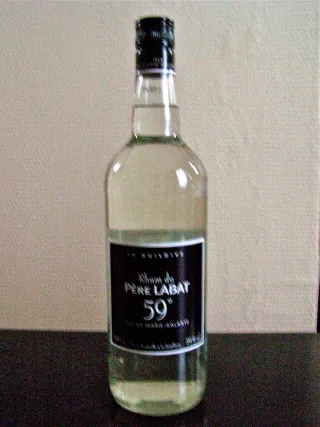
To go further, Marie-Galante (35 min by ferry from Pointe-à-Pitre or Saint-François) is home to three cult distilleries: Bielle, Bellevue and Père Labat (Poisson). A full-day excursion, to be booked separately. Find all our pointers in our complete guide to Guadeloupe.