Every week, a traveler messages us on WhatsApp with the same line, suitcase half-open on the bed: “We’re heading to Martinique, what exactly should we bring?” And every time, we see the same two mistakes: a suitcase crammed with useless clothes (we live in shorts and flip-flops here) and forgetting the three items that genuinely make or break a stay, the ones you’ll hunt for in vain once you arrive. Knowing what to pack for Martinique isn’t about piling up belongings, it’s about anticipating the terrain: a French tropical island where you hike through the volcanic mud of Mount Pelée in the morning and step on sea urchins in the afternoon. As residents and rental managers, here’s our field list, with what to bring and what’s better bought once you’ve arrived.
The essentials to understand before zipping up your suitcase
Two or three reference points keep you from going wrong. Martinique is a French overseas territory (DROM): you travel using the euro, with the same electrical outlets as mainland France, no adapter or currency exchange, and no vaccine is required. The climate is tropical year-round (26-31 °C), with two moods: the dry season, the Carême, from December to April, more comfortable, and the rainier hivernage the rest of the year.
The upshot for your luggage: pack light and breathable, but it rains in short showers even in the dry season, and evenings at altitude (Pitons du Carbet, the slopes of Pelée) can catch you off guard. Above all, the island is lived outdoors and a rental car is all but essential: your suitcase needs to cover the beach, the hiking, and the drives, not just lounging around.
How many clothes to really bring
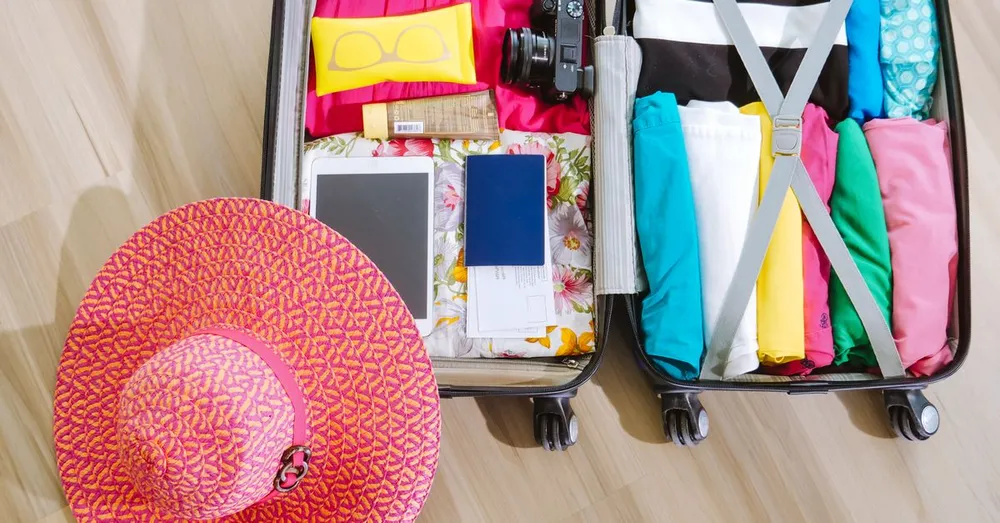
The answer always surprises: far fewer than you’d think. You sweat, you swim, and most Hostel Toucan rentals have a washing machine, so there’s no need to plan an outfit per day. For one to two weeks, pack generously but sensibly:
- 5 to 7 t-shirts or tank tops in light cotton or quick-drying material;
- 2 to 3 shorts and 1 pair of light trousers (handy against mosquitoes in the evening and for hiking);
- 2 swimsuits (one dries while you wear the other);
- 1 light dress or 1 slightly dressier shirt for a seaside restaurant;
- 1 light waterproof jacket or a thin windbreaker, never a heavy coat;
- 1 sweatshirt or thin sweater for evenings at altitude and the occasionally chilly air conditioning.
Leave at home: thick jeans, evening wear, dress shoes. Nobody dresses like that here, and you’ll save room for the rum on the way back.
Clothing and accessories suited to the tropical climate
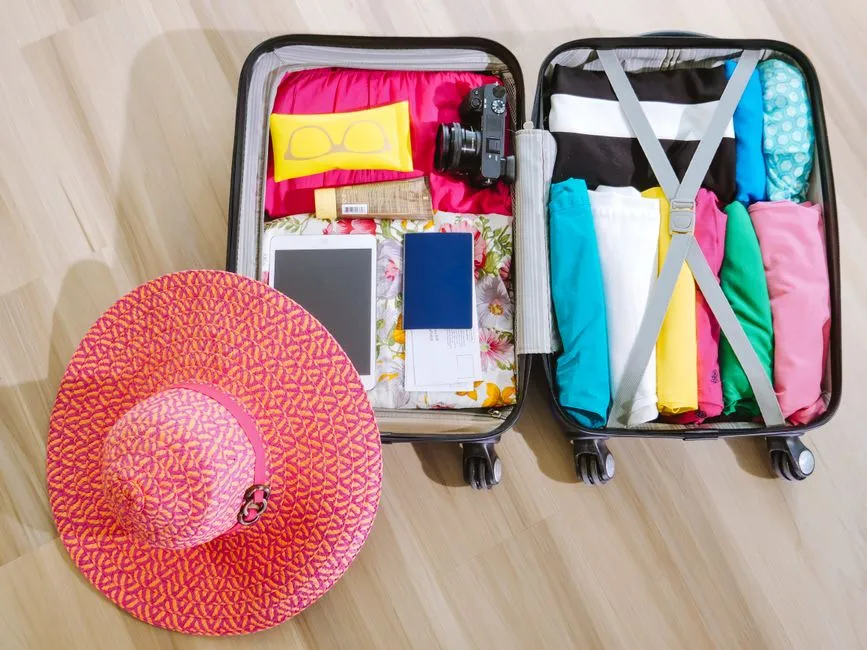
The watchword for Martinique clothing: light, covering when needed, and quick-drying. The tropical sun beats down hard, even under a sky hazed by Saharan sand dust, common in summer.
- Wide-brimmed hat and UV sunglasses: the sun is directly overhead.
- High-protection sunscreen, ideally a reef-safe formula for snorkeling (pack it in your suitcase, it’s expensive locally).
- Sarong or microfiber towel that dries fast and takes up little space.
- An anti-UV garment (lycra) if you do a lot of snorkeling: it prevents a sunburned back while watching the turtles at Anse Dufour or Anse Noire.
- A light waterproof jacket that folds away: the tropical shower is brief but intense, and it’ll save you while visiting the ruins of Saint-Pierre or the Jardin de Balata.
The winning trio everyone forgets
Here’s the heart of our field report: three categories of items that 9 travelers out of 10 overlook and that make all the difference.
Hiking shoes for Mount Pelée and the traces
This is mistake number one. Many assume they’ll only hit the beach and end up giving in to the climb up Mount Pelée, the Caravelle peninsula at Tartane, or the Trace des Caps in the south. But these trails are steep, slippery, often muddy from the volcanic clay: flip-flops have no grip and city sneakers come back destroyed. Bring real hiking shoes with a lugged sole that supports the ankle, and 2 or 3 pairs of sports socks (walking wet for several hours guarantees blisters). Accept that they’ll come back caked in ochre mud: that’s the normal souvenir of a hike here. You can buy them locally, but the choice is limited and prices higher than on the mainland (the octroi de mer tax sees to that).
Water shoes against sea urchins and rocks
The second classic oversight, and the one that ruins the most swims. Several gorgeous spots have rocky bottoms or hide black sea urchins, whose spines lodge in the sole of the foot and are very hard to remove. The water entries at Anse Noire (black sand), Anse Dufour, the Anses-d’Arlet, or certain corners of Le Diamant truly warrant a pair of water shoes (neoprene booties or aquatic sandals). They also protect against scorching pebbles and corals. Lightweight, they slip into a corner of the suitcase and will serve you every day.
Conversely, the big sandy beaches like the Grande Anse des Salines at Sainte-Anne don’t require them: it all depends on the spots you’re targeting.
An effective tropical insect repellent
Third pillar often underestimated: mosquito protection. Martinique experiences episodes of dengue and chikungunya transmitted by the tiger mosquito, especially in the rainy season. A mainland supermarket repellent “for Europe” is often too weak.
- Choose a repellent suited to tropical zones (high DEET or icaridin concentration), to apply morning and evening, on the ankles and forearms as a priority.
- A specific children’s version if you’re traveling as a family.
- A soothing after-bite product for the inevitable bumps.
- In a rental, evenings on the terrace call for a light long-sleeved top rather than liters of product.
You’ll find some in pharmacies on the island, but at prices that sting as much as the insect: bringing it from the mainland is cheaper.
The first-aid kit and pharmacy to plan for
You’re in France, with well-stocked pharmacies and a complete healthcare system, so no panic. But a small kit saves you a round trip in the middle of an excursion, especially if your rental is far from the village.
- Your personal medications and prescriptions (nothing replaces your usual treatment).
- Paracetamol, anti-diarrheal, bandages, and disinfectant.
- After-sun cream and Biafine for poorly anticipated sunburns.
- Something to extract a sea urchin spine (fine tweezers) or soothe a jellyfish sting.
- Tap water is drinkable in most municipalities: a reusable water bottle is enough, no need to buy packs of bottled water.
On the electronics side, think of a power bank for long days outdoors, and a waterproof case for the phone if you take a boat to the fonds blancs of Le François or go snorkeling. The local dialing code is +596, and you’re in the euro/SEPA zone: no special SIM card is needed for most mainland plans.
What’s better bought on the spot (and not lugged around)
No need to overload the suitcase: some purchases are made better, cheaper, or smarter once you arrive. That too is traveling like a local.
- AOC agricultural rum and spices: the souvenir par excellence. You buy it at distilleries along the Route des Rhums (Clément, Depaz, Saint-James, La Mauny, Trois-Rivières) or at the Fort-de-France market, not at the airport. Save room and respect the liter limits in checked baggage for the trip back.
- Fruit, punch, and fresh produce: head to the markets and the roadsides. Mangoes, pineapples, local avocados at gentle prices.
- A soft cooler or insulated bag: very handy for the beach and picnics, easily found in supermarkets locally.
- Backup snorkeling gear: if you don’t have a quality mask and snorkel, you can find some on the island; but a good personal pair stays more comfortable.
Conversely, don’t wait until you arrive to buy sunscreen, insect repellent, and technical shoes: these are precisely the products hit by the octroi de mer tax, so noticeably more expensive than on the mainland. The golden rule: bring the technical gear and the protection, buy the local and the perishable.
Martinique packing checklist: the recap to tick off
To wrap up, here’s the condensed Martinique packing checklist, to run through the day before departure:
- Light t-shirts, shorts, 2 swimsuits, 1 light dressy outfit
- Light waterproof jacket + 1 long-sleeved top (evening/altitude)
- Hiking shoes + sports socks
- Water shoes (sea urchins, rocks)
- Flip-flops or beach sandals
- Tropical insect repellent + after-bite
- High-protection sunscreen (reef-safe)
- Hat/cap, UV sunglasses, sarong or microfiber towel
- First-aid kit + personal medications
- Reusable water bottle, power bank, waterproof case
- Mask and snorkel (optional), light backpack for outings
- ID, driver’s license (for the car), bank card
This list of what to pack for the Antilles also applies to neighboring Guadeloupe: same climate, same field instincts.
A well-equipped rental lightens your suitcase
The real secret to traveling light is choosing accommodation that already provides the essentials. At Hostel Toucan, our properties are designed for the climate: washing machine (so fewer clothes to bring), towels, sometimes snorkeling masks, a cooler, or fans already on site. Direct booking has no platform fees (often 12 to 18 % savings versus the big sites), with free cancellation up to 7 days before arrival and WhatsApp assistance 7 days a week: unsure what’s provided in your rental? We answer before you even pack, in local time.
To prepare your stay from A to Z, browse our complete Martinique guide and our available properties on the island. And if you own a property here, our concierge service for owners makes sure every traveler finds a perfectly equipped home, a lightened suitcase guaranteed.
In short: a useful suitcase, not a heavy one
Properly preparing what to pack for Martinique comes down to one idea: travel light on clothes (it’s hot, you do laundry on site) and never skip the winning trio, hiking shoes for Pelée and the traces, water shoes against sea urchins, and effective tropical insect repellent. Add quality sun protection, a mini first-aid kit, and a water bottle, save room for the rum and spices on the way back, and leave the superfluous at home. That’s the difference between a suitcase that follows you and one that holds you back, and between a vacation you endure and a vacation lived like a local.
FAQ
What clothes do you really need to bring to Martinique?
Light and breathable above all: cotton t-shirts, shorts, two swimsuits, a light dress or shirt for the restaurant, and light trousers against mosquitoes in the evening. Add a light waterproof jacket for tropical showers and a long-sleeved top for evenings at altitude or air conditioning. No need to plan an outfit per day: most rentals have a washing machine.
Do you need special shoes for Martinique?
Yes, three kinds. Flip-flops or sandals for the beach and everyday wear, real hiking shoes for Mount Pelée, the Caravelle, or the Trace des Caps (steep, muddy trails where city sneakers aren’t enough), and water shoes (neoprene booties) for rocky entries and sea urchins, especially at Anse Noire, Anse Dufour, or the Anses-d’Arlet. These are the most frequent omissions.
What insect repellent should you bring and are vaccines needed?
No vaccine is required for Martinique, which is a French department. However, bring a mosquito repellent suited to tropical zones (high-concentration DEET or icaridin), to apply morning and evening, because dengue and chikungunya circulate there, especially in the rainy season. A soothing after-bite product and a children’s version usefully round out the kit.
What’s more economical to buy on the spot rather than bring?
Buy AOC agricultural rum, spices, local fruit, and a soft cooler on the spot: it’s cheaper and more authentic at the market or distillery than on the mainland. On the other hand, bring from home the sunscreen, insect repellent, and technical shoes: these imported products are noticeably more expensive in Martinique because of the octroi de mer tax. The rule: bring the technical gear, buy the local.