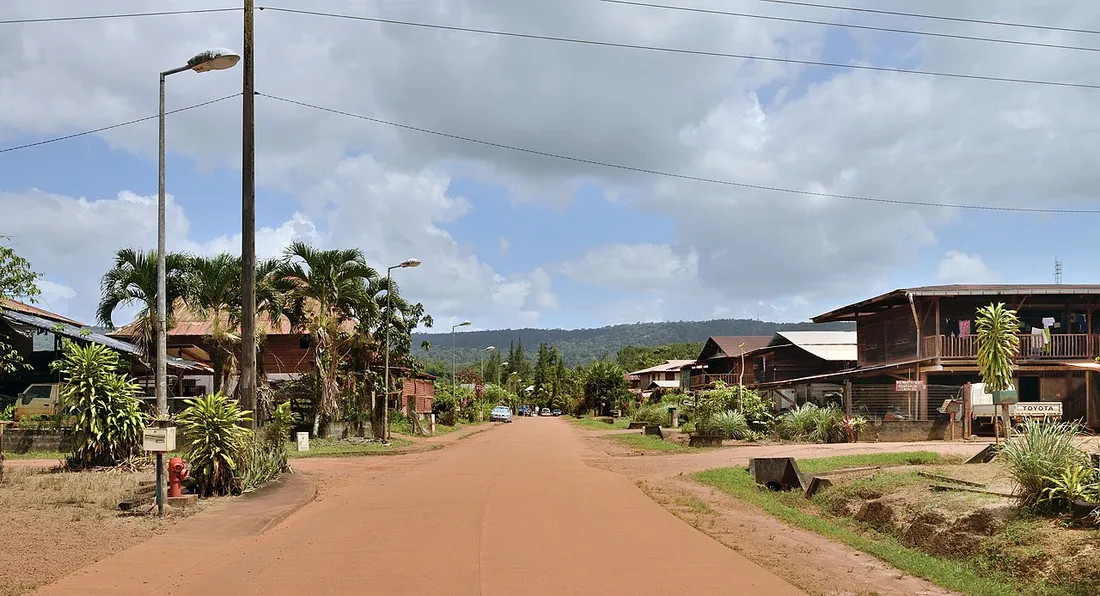
Perched on the banks of the Comté River, about 75 km south of Cayenne, the village of Cacao is one of those destinations that surprise every traveler. Here, in the heart of the Guianese Amazon rainforest, you can enjoy a steaming bowl of noodle soup, admire embroidery of extraordinary delicacy and swim in clear water. Welcome to the Hmong village of French Guiana, a pocket of Southeast Asia set deep in the Amazon.
At Hostel Toucan, we’ve been sending our travelers to Cacao for years. It’s our favorite Sunday excursion, the one we recommend without hesitation to understand the unique cultural mosaic of this territory. Here’s everything you need to know to make the most of your visit.
Why a Hmong village in the middle of the Amazon?
To truly appreciate Cacao, you need to know its history. In the late 1970s, France took in Hmong refugees fleeing Laos after the Vietnam War. Several hundred families were settled in French Guiana from 1977 onward, on cleared land in the Comté River basin. Cacao was thus founded in 1977.
Forty-five years later, these families have turned this corner of the forest into one of the main market-garden breadbaskets of the department. A large share of the fruits and vegetables sold at the Cayenne market comes from Cacao. The village has managed to preserve its language, cuisine, traditional costumes and crafts, while putting down deep roots in Guianese life. It is this dual identity, Asian and Amazonian, that makes the place so fascinating.
The Sunday market: the unmissable highlight
If you only remember one thing: Cacao is best visited on Sunday morning. It’s the only day the market is in full swing, from roughly 7 a.m. to 1 p.m. During the week, the village is very quiet and most stalls are closed. Arrive early, ideally before 9:30 a.m., to enjoy the atmosphere before the crowds and the heat.
Hmong soups, the star of the market
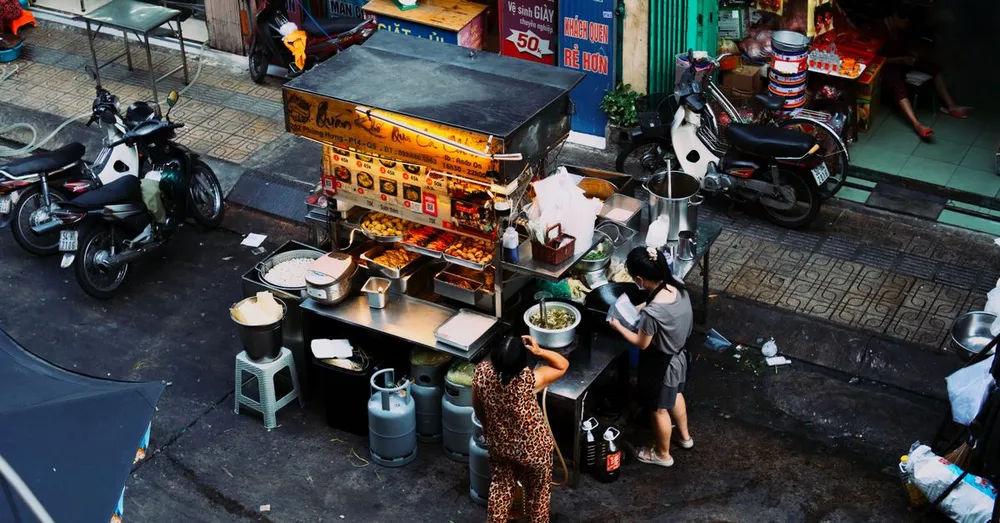
The famous Hmong noodle soup (bo bun and pho-like soups, served with pork, beef, fresh herbs, bean sprouts and lime) is an institution. Expect to pay €8 to €12 for a hearty bowl. Several families run small eateries under the wooden carbets. Our local tip:
- Arrive before 9 a.m. to avoid the queue, which can exceed 30 minutes in high season.
- Also try the nems, the banana fritters and the fresh fruit juices (soursop, passion fruit).
- Bring cash: few stalls accept cards, and there’s no ATM in the village.
Crafts and embroidery
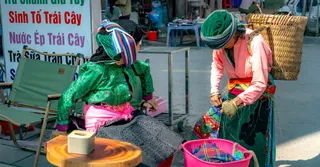
The market’s second treasure is Hmong embroidery. The women of the village keep alive a meticulous textile art: doilies, cushions, bags, clothing hand-embroidered with colorful geometric patterns. A small piece starts at around €10, while a large embroidered tablecloth can reach €80 to €150. It’s an authentic and useful souvenir, far better than imported trinkets.
On the stalls you’ll also find Asian vegetables (water spinach, squash, chili peppers), woven baskets and sometimes jewelry. Haggling isn’t really part of the local culture: prices are fair, so it’s best to buy with a smile.
The insect and butterfly museum (Le Planeur Bleu)
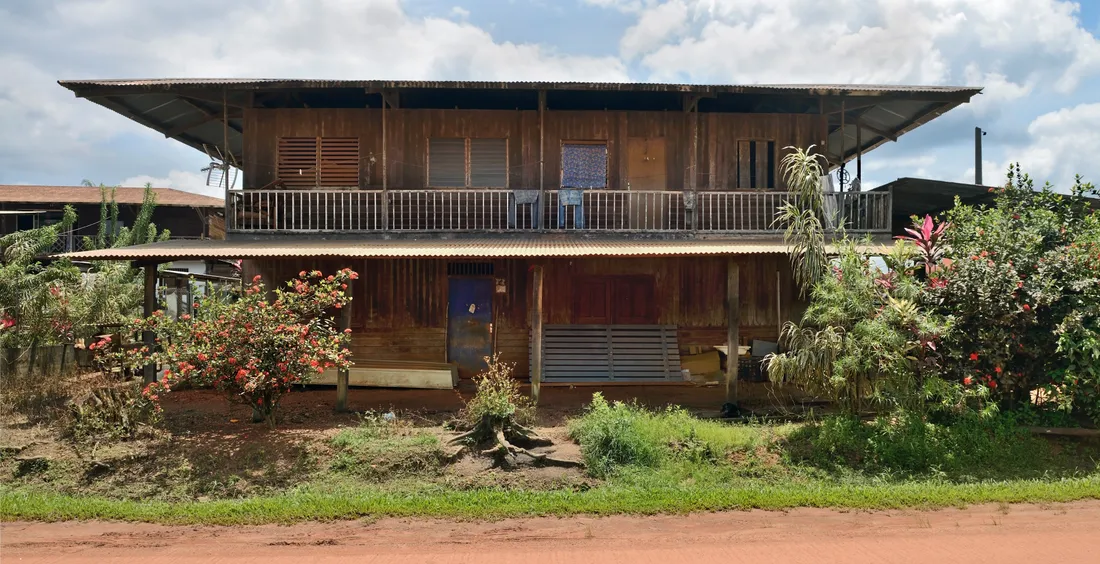
A stone’s throw from the market, don’t miss the small Planeur Bleu museum, devoted to the entomological wildlife of French Guiana. Spread over two levels of a traditional carbet, it holds an impressive collection:
- Amazonian bird-eating spiders and tarantulas,
- the magnificent blue morphos (the famous “blue glider” that gives the place its name),
- Hercules beetles, stick insects, mantises and giant beetles,
- scorpions and other curiosities of the forest.
Expect to pay around €4 to €6 for adult admission, slightly less for children, and 30 to 45 minutes for the visit. It’s fun, ideal with children, and rounds off the morning at the market perfectly. Check the opening hours on site, as they are mainly geared to Sunday.
Swimming in the Comté River
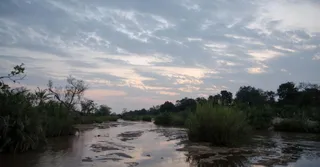
After the soup and the museum, it’s time to relax. The Comté River that borders the village offers natural swimming spots much loved by Guianese families. The water is cool, generally clear in the dry season, and the forest setting is magnificent.
A few common-sense tips:
- Go in the dry season (mid-July to mid-November), when the water is lower and clearer. In the rainy season, the current can be strong and the water murky.
- Swim in known, frequented areas; ask the locals for advice.
- Bring a swimsuit, towel, water shoes (the bottom can be rocky) and insect repellent.
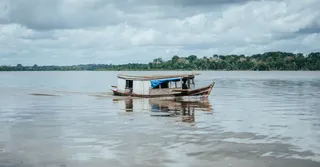
Some families also offer kayak or pirogue trips on the Comté. It’s a great way to extend the day and observe the forest from the water.
How to get to Cacao from Cayenne
A car is essential in French Guiana, and Cacao is no exception. There is no regular public transport serving the village.
- Distance from Cayenne: about 75 km.
- Duration: allow 1h15 to 1h30 of driving.
- Route: take the RN2 toward Régina, then the D6 for about thirty kilometers of winding road through the forest to the village.
- The last few kilometers cross beautiful forest: drive carefully, as animals may cross.
If you’re staying in Roura, Cayenne, Rémire-Montjoly or Matoury, the day trip is easy to do there and back. Fill up on fuel before leaving, as there’s no service station in the village.
Want to plan your stay around these excursions? Book your accommodation directly with Hostel Toucan: direct booking with no platform fees, free cancellation up to 7 days before arrival and WhatsApp support 7 days a week. Our local hosts give you the best tips for Cacao, Kaw and all of French Guiana. Discover our vacation rentals in French Guiana.
Practical tips for a successful visit
A few pointers for a hassle-free day:
- Day: Sunday morning, without exception, for the market.
- Money: bring cash (soups, crafts, museum).
- Clothing: light clothes, hat, sunscreen, insect repellent. The yellow fever vaccine is mandatory to enter French Guiana.
- Meals: eat on the spot, it’s the main attraction. Avoid arriving on a full stomach.
- Combine: Cacao pairs very well with a visit to the Kaw marshes (caiman watching) or to Roura the same weekend.
To plan your whole trip (formalities, seasons, must-sees such as the Guiana Space Centre in Kourou, the Salvation Islands or Saint-Laurent-du-Maroni), check out our complete guide to French Guiana.
An unforgettable cultural interlude
Cacao is not a tourist park: it’s a living village, where families work, farm and pass on a rare heritage. Respect is essential — ask before photographing people, and support the local economy by buying directly from producers and artisans.
In a single morning, you’ll leave with your stomach full of fragrant soup, a bag of colorful embroidery, the memory of a blue morpho settling before your eyes and the freshness of a river swim. It’s hard to find, anywhere else in French Guiana, such an exotic immersion so close to Cayenne.
Do you own a property in French Guiana and want to showcase it to travelers seeking authenticity? Discover our concierge service for owners.
FAQ
What day should you visit Cacao village in French Guiana?
Sunday morning, from roughly 7 a.m. to 1 p.m. It’s the only day the Hmong market, soup eateries and embroidery stalls are open. During the week, the village is very quiet and most stalls are closed.
How long is the drive between Cayenne and Cacao?
About 1h15 to 1h30 for 75 km. You take the RN2 toward Régina, then the D6 through the forest. A car is essential, as no public transport serves the village. Fill up before leaving, as there’s no service station on site.
What can you do in Cacao besides the market?
Visit the insect and butterfly museum (Le Planeur Bleu), swim in the Comté River, buy handmade Hmong embroidery and enjoy the famous noodle soups. You can combine the day with the nearby Kaw marshes.
Do you need cash to visit Cacao?
Yes. Most eateries, artisans and the museum don’t accept bank cards, and there’s no ATM in the village. Bring cash: expect €8 to €12 for a bowl of soup and €4 to €6 for museum admission.