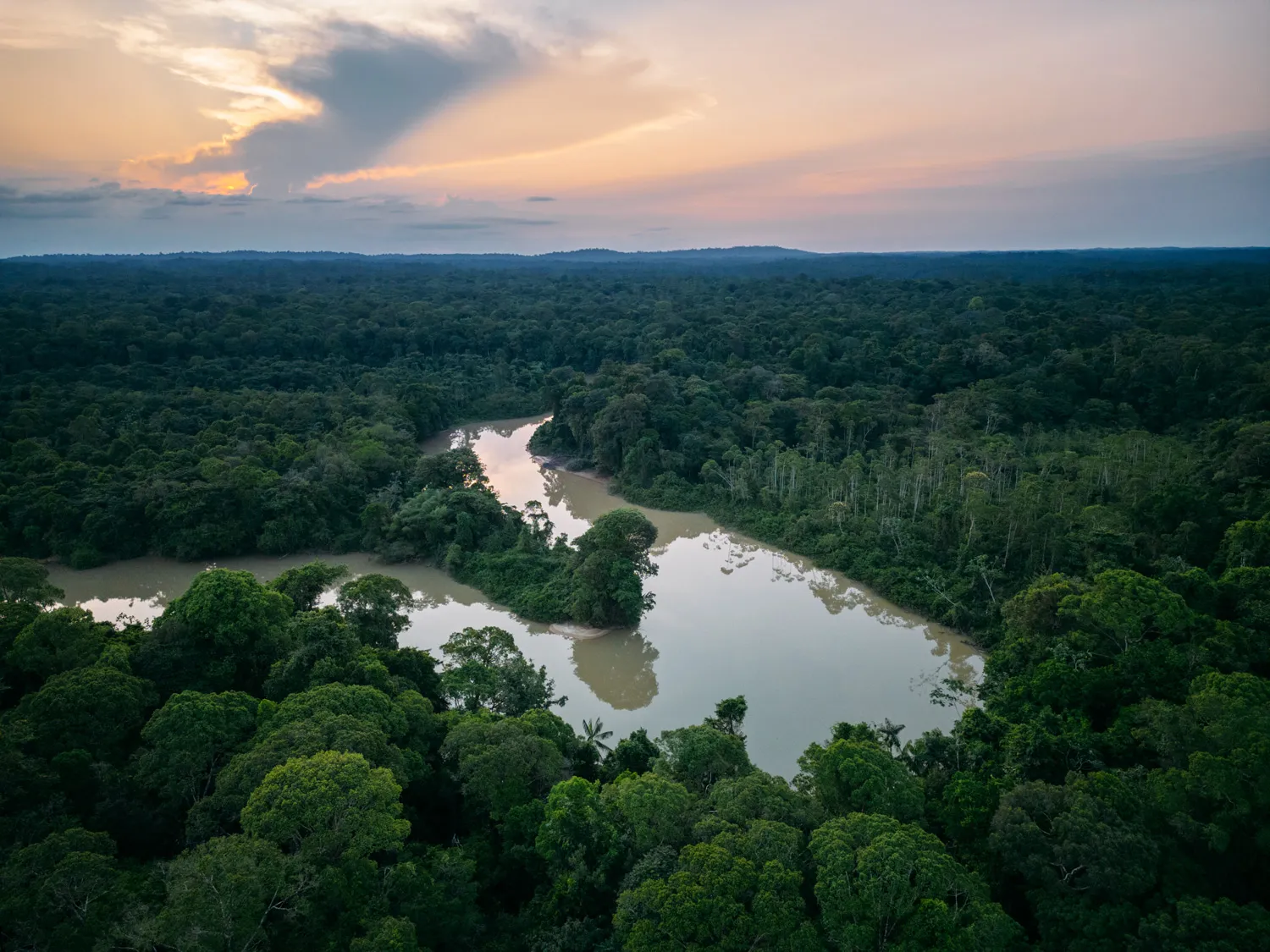
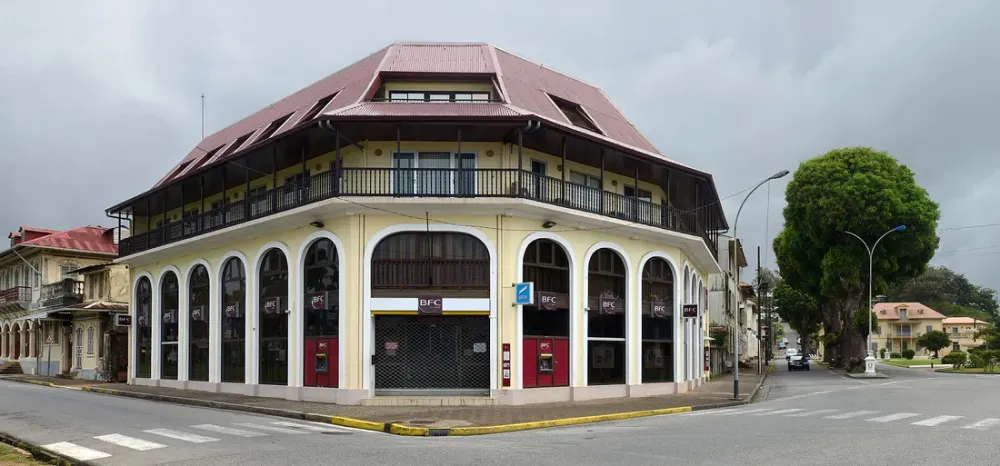
Moving to French Guiana is the stuff of daydreams: Amazon rainforest, rivers, a richly blended culture, and for many a professional transfer (civil service, space industry, healthcare, education) sometimes bundled with a relocation bonus. But between the picture-postcard version and the reality of your bank account lies a gap that few people anticipate. French Guiana is a territory where life costs noticeably more than in mainland France: most goods are imported, housing is tight in Cayenne and its surroundings, and the first few weeks stack up expenses that add together fast. This article takes a factual, no-promises look at what settling in French Guiana really costs: housing, deposit, transport, food, paperwork and arrival budget. All figures are indicative only: they vary by town, by season, by your family situation and by when you happen to be looking.
Housing: the biggest expense of all
Housing accounts for the bulk of any relocation budget. Rental demand is strong around Cayenne, Rémire-Montjoly and Matoury, which together form the economic heart of the Île de Cayenne, while Kourou attracts people working for the Guiana Space Centre and Saint-Laurent-du-Maroni anchors the west of the territory.
Indicative rent ranges
Rent levels depend heavily on the neighbourhood and the condition of the property. Purely as a guide, for a furnished or unfurnished home:
- Studio / one-room flat: often in the 500 to 750 € per month range.
- One-bedroom flat: generally between 650 and 950 € depending on the town and the amenities.
- Two-bedroom flat: frequently between 850 and 1,300 €, more for a house with a garden or pool.
- Family house (three bedrooms and up): from 1,200 € and well beyond in Rémire-Montjoly or in sought-after residential areas.
These figures rise for air-conditioned or secured housing (gated residence, on-site security) or for homes close to schools and shops. Good properties go quickly: it is not unusual to have to decide within a few hours.
Furnished or unfurnished?
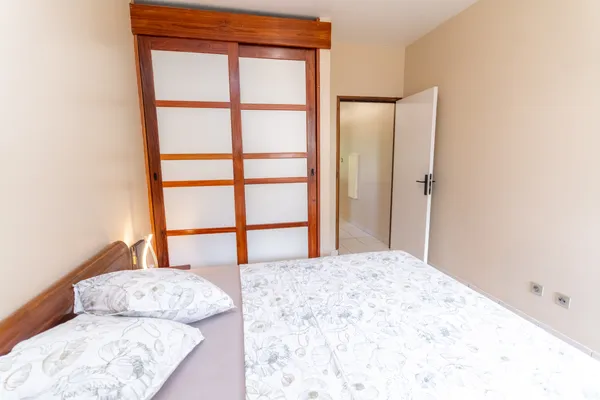
Many newcomers opt for furnished accommodation for the first year, while their belongings travel over by container (a shipment that often takes several weeks from mainland France) or while they equip themselves locally. Appliances and furniture are expensive in French Guiana because they are imported: kitting out an empty home represents a substantial budget that should be factored in from the start.
Where to look, depending on your situation
- Cayenne: lively town centre, close to government offices and the hospital; varied neighbourhoods, from the very central (Marché area, Cépérou) to residential zones.
- Rémire-Montjoly: residential, beaches, well-regarded schools, popular with families — rents here are among the highest.
- Matoury: close to Félix-Éboué airport, a good price/access compromise, growing fast.
- Kourou: essential for the space sector, with a tight market during launch campaigns.
- Saint-Laurent-du-Maroni: often more affordable rents, but far from Cayenne (more than two hours by road).
The deposit and move-in costs
Beyond the rent itself, moving into a home triggers several simultaneous expenses that you need to have in cash before signing.
What to budget for
- Security deposit: for unfurnished rentals it is generally equivalent to one month’s rent excluding charges; for furnished rentals it can reach two months. Expect anywhere from 500 to 2,500 € depending on the property.
- First month’s rent in advance, paid at signature.
- Agency fees where applicable — capped, but real.
- Utility connection fees (electricity, water) and subscriptions.
Many landlords ask for a guarantor or solid supporting documents (employment contract, transfer order, payslips). Guarantee schemes such as Visale can help if you qualify; look into it before you leave.
The cash-flow trap
The deposit plus first month’s rent plus move-in costs can add up to two to four months’ rent payable in one go. This is often the nasty surprise of the first few weeks, especially if the relocation bonus or the first local salary has not yet landed. Setting aside a dedicated reserve is essential.
Transport: a car is all but unavoidable
In French Guiana, public transport remains limited outside the main routes. To get to work, do the shopping and take the children to school, a car is in practice indispensable in most situations.
- Buying second-hand: vehicles resell well and hold their value; prices are generally higher than in mainland France for an equivalent model.
- Fuel: pump prices are regulated and revised regularly; keep an eye on them in your monthly budget.
- Maintenance: imported parts, humidity and heat all take their toll on vehicles; budget realistically for upkeep.
- Car insurance: often more expensive than in mainland France.
Some people ship their vehicle over by container: it is possible, but slow and costly (freight, formalities). Compare it against buying locally before deciding.
Food and everyday living
This is the category that surprises people most day to day. The vast majority of everyday consumer goods are imported, which pushes supermarket bills well above mainland levels.
How to keep the grocery budget under control
- Favour the markets (Cayenne, Rémire, Cacao on Sundays) for local fruit, vegetables and fish — often fresher and cheaper.
- Buy local and seasonal: cassava, dachine, bananas, citrus, river and sea fish.
- Compare retailers: price gaps between stores can be significant.
- Go easy on imported “treat” products (cheeses, mainland charcuterie), which are particularly expensive.
Other everyday expenses
- Electricity: air conditioning, all but essential for much of the year, weighs on the bill.
- Internet and phone: packages are available in Cayenne and the larger towns, with speeds varying by area.
- Healthcare: standard social security coverage; medical services are concentrated in Cayenne (the hospital) and in Kourou/Saint-Laurent.
- Leisure and going out: restaurants, river excursions, nature outings — to be dosed according to your budget.