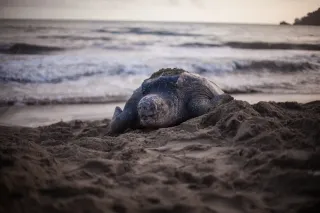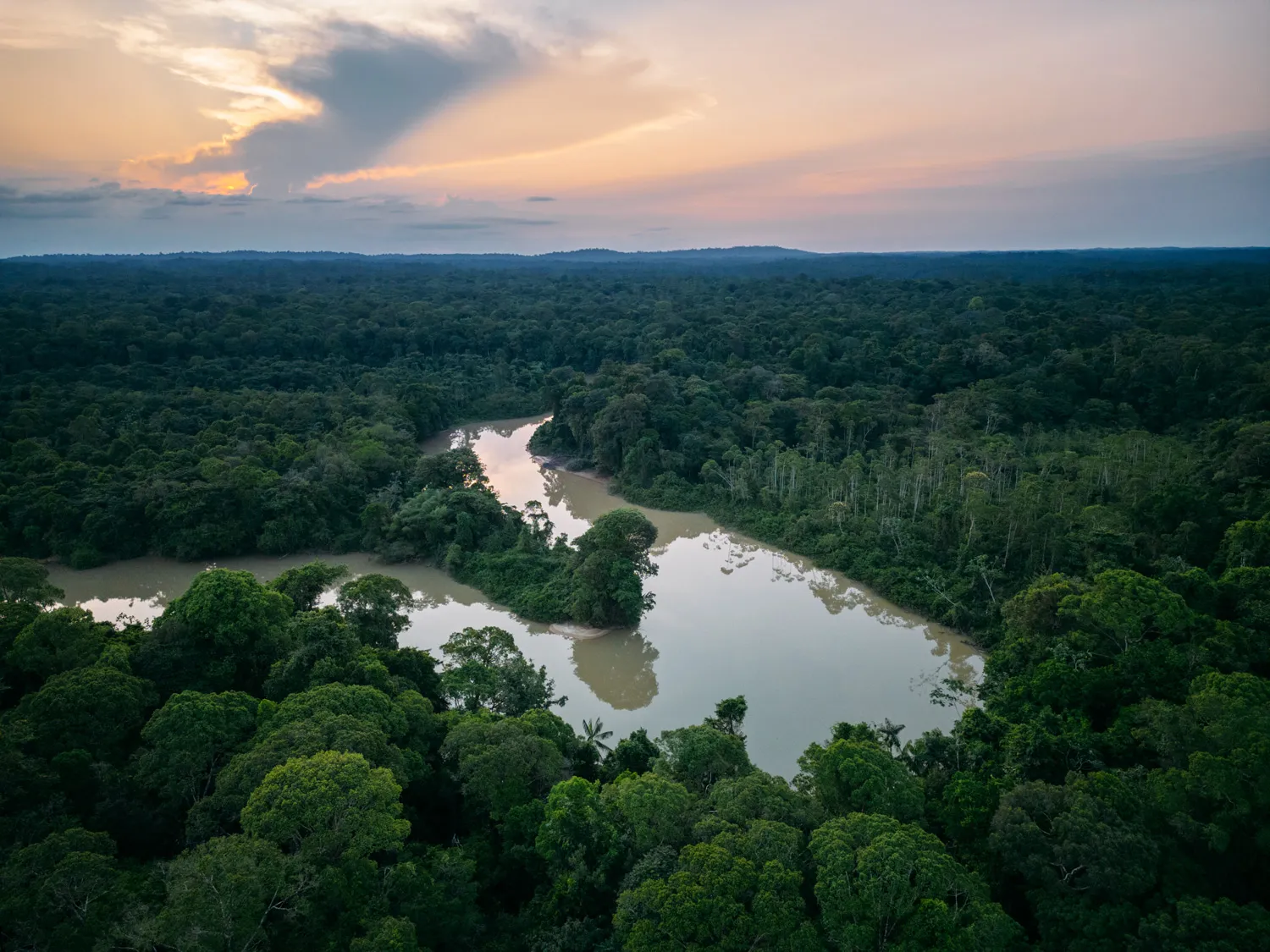
What is the best time to visit French Guiana? This is a question that has no single right answer, but several, depending on what you are coming for. The equatorial climate of this French department in South America stays hot and humid all year round, with no real winter or summer in the European sense of the word. Yet the rhythm of the rains shapes clearly distinct seasons that radically change the experience on the ground: a dripping forest and swollen rivers on one side, passable trails and clear skies on the other. Whether you dream of watching leatherback turtles lay their eggs, attending a rocket launch in Kourou, or travelling up a river by pirogue, this guide will help you choose the right moment.
Understanding French Guiana’s equatorial climate
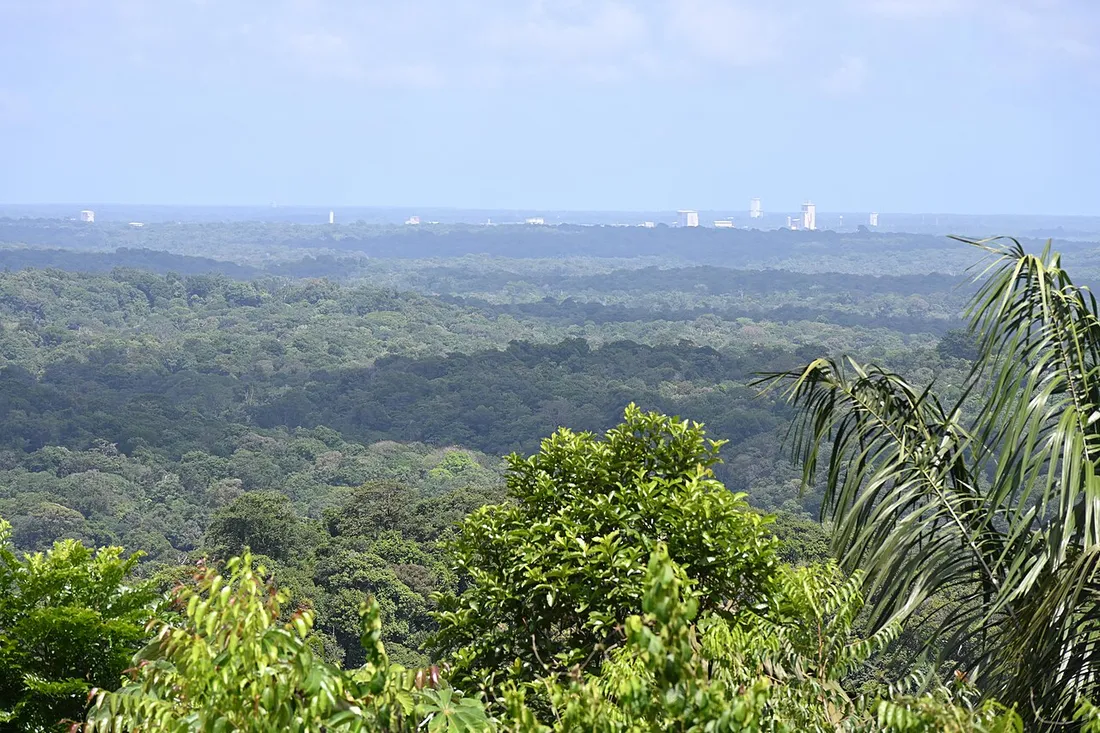
French Guiana lies just a few degrees north of the equator, on the edge of the Atlantic Ocean and backing onto the immense Amazon rainforest. This location explains a humid equatorial climate marked by two constants:
- Steady heat all year round, with temperatures between 26 and 30 °C during the day, rarely dropping below 22 °C at night.
- Permanently high humidity (often 80% and above), which makes the heat feel heavier than the thermometer suggests.
Unlike the Caribbean islands, French Guiana is not located in the hurricane corridor. You therefore run no risk of a hurricane, but you have to deal with heavy rainfall: Cayenne receives on average more than 3 metres of precipitation per year, one of the highest rainfall figures in any French territory. These showers are often intense but brief, followed by lovely sunny spells. The big difference between the seasons has less to do with temperature than with the frequency and intensity of the rains.
The seasons in French Guiana: a four-part calendar
The Guianese rhythm cannot simply be split into “dry” and “wet.” Locals traditionally distinguish four periods that you would do well to know in order to plan your trip.
The rainy season (December to June)
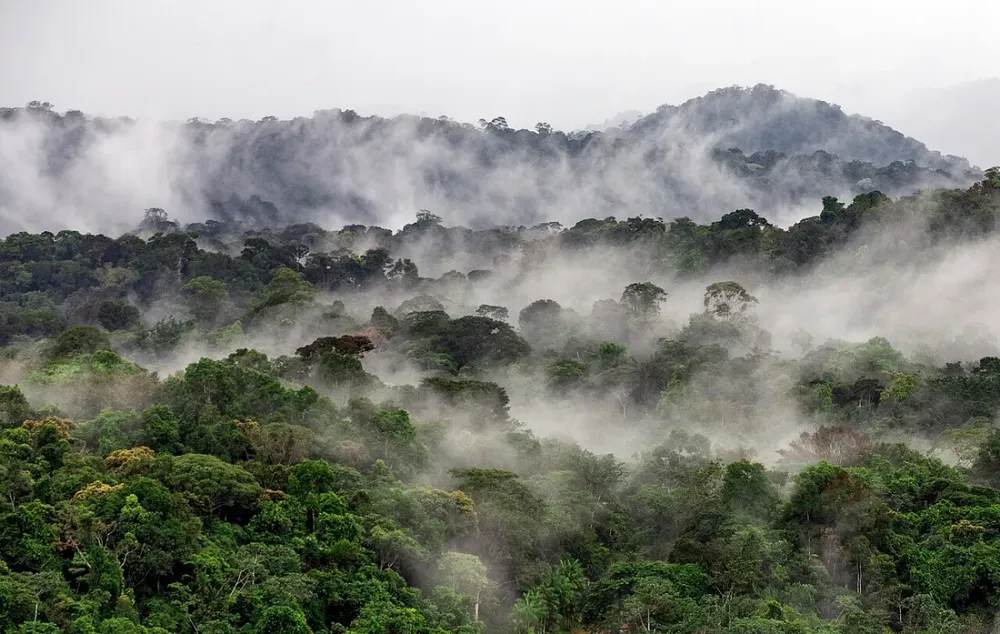
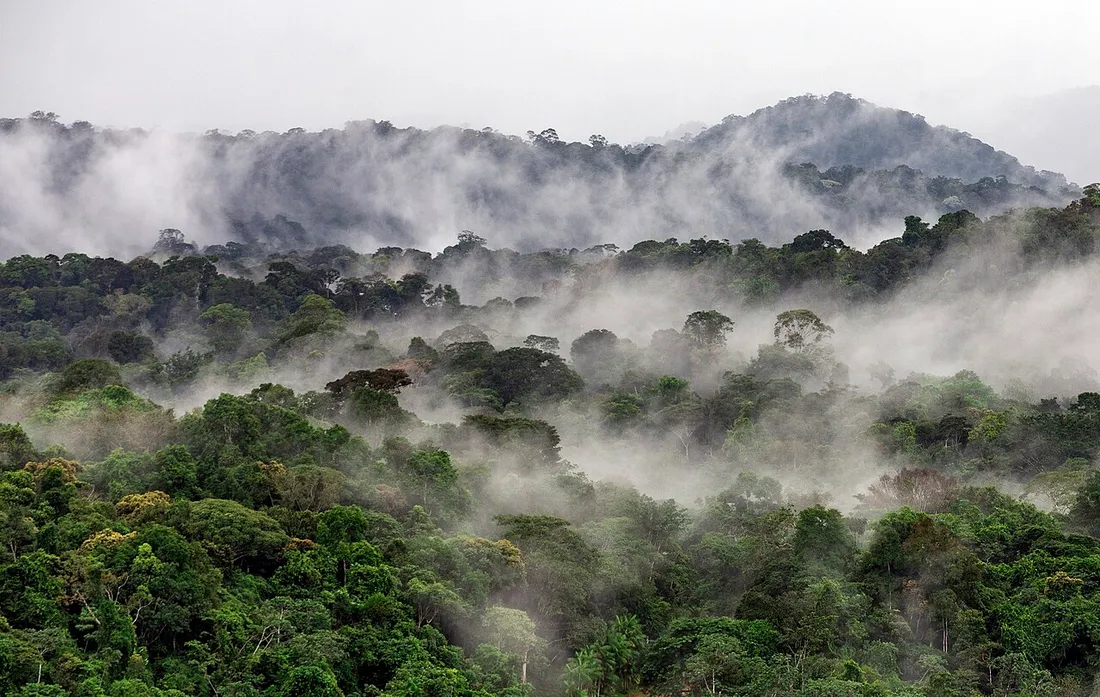
This is the wettest period, itself divided into two phases. The short rainy season usually sets in from December to February, with regular but still spaced-out showers. Then comes the long rainy season, from April to June, the most humid period of the year: the rains become daily, sometimes stormy, and the rivers reach their highest level.
This season is not one to avoid, however. The forest is then a dazzling green, the waterfalls are spectacular, nature overflows with life, and accommodation rates are often gentler. If you are willing to adapt to the showers, you will discover a lush French Guiana that is far less crowded.
The “little summer of March”
A typically Guianese phenomenon, the little summer of March (petit été de mars) is a drier interlude that slips in, often around February-March, between the short and the long rainy season. For a few weeks the rains noticeably ease off and the sun returns. Its duration and exact dates vary from one year to the next, but this lull offers an interesting window to enjoy a milder climate in the middle of the wet season.
The dry season (July to November)
This is the most favourable period for tourism. Rain becomes rare, the sun dominates, humidity drops slightly, and the hiking trails become passable again. Forest tracks dry out, excursions on the rivers and in the Kaw marshes are more comfortable, and the clear sky benefits photographers and rocket-watchers alike. If you are travelling for the first time and want to maximise your chances of good weather, this is without question the season to aim for.
French Guiana month by month
| Month | Season | General conditions |
|---|---|---|
| January | Short rainy season | Regular showers, green forest, moderate crowds |
| February | Heading into the little summer | Decreasing rain, Guianese carnival in full swing |
| March | Little summer of March | Drier and sunnier lull, pleasant period |
| April | Start of the long rainy season | More frequent rain, high rivers |
| May | Long rainy season | Often the wettest month, exuberant nature |
| June | End of the rainy season | Rain gradually easing off |
| July | Start of the dry season | Good weather settling in, ideal for excursions |
| August | Dry season | Maximum sunshine, peak tourist season |
| September | Dry season | Optimal conditions, trails nicely passable |
| October | Dry season | Sun and heat, excellent period for nature |
| November | End of the dry season | Last lovely weeks before the rains return |
| December | Return of the rains | Increasingly frequent showers, festive end-of-year mood |
Keep in mind that these markers are indicative: the equatorial climate always has surprises in store, and it is not uncommon to enjoy a beautiful day in the middle of the rainy season, nor to get a shower during the dry season.