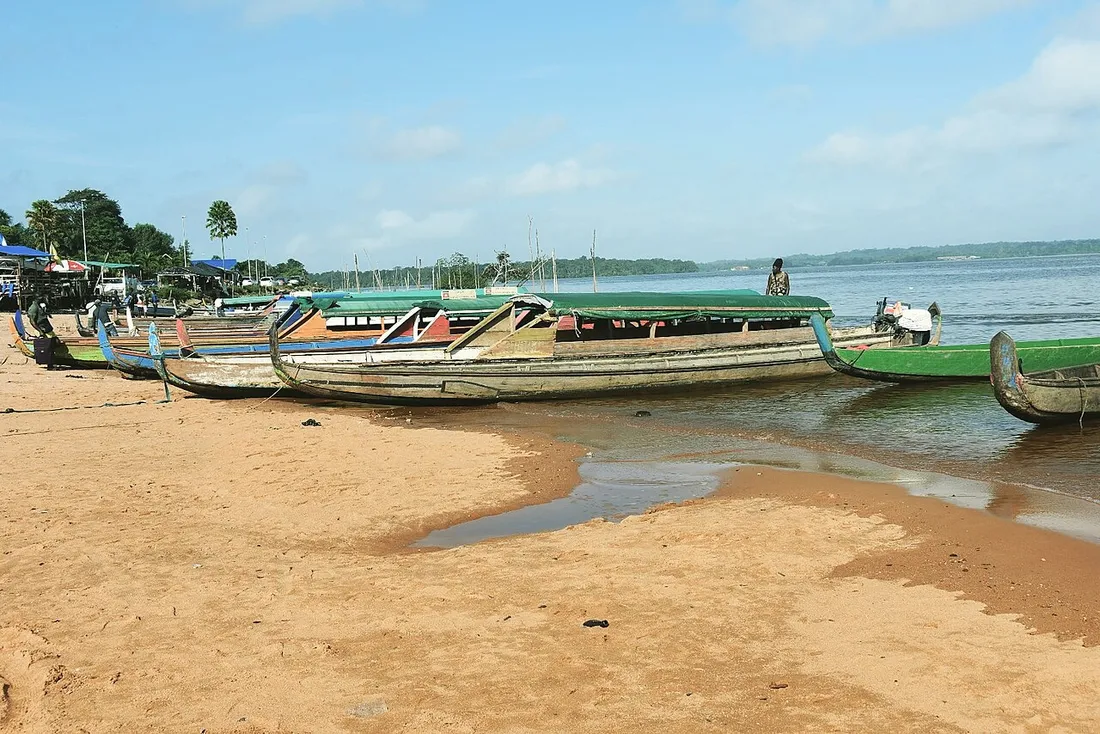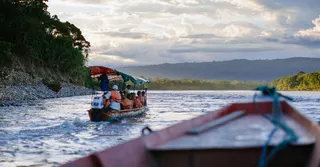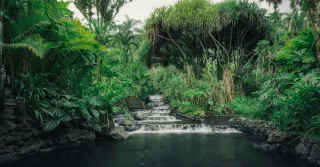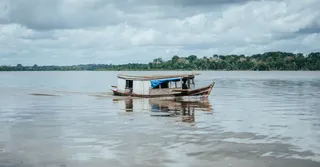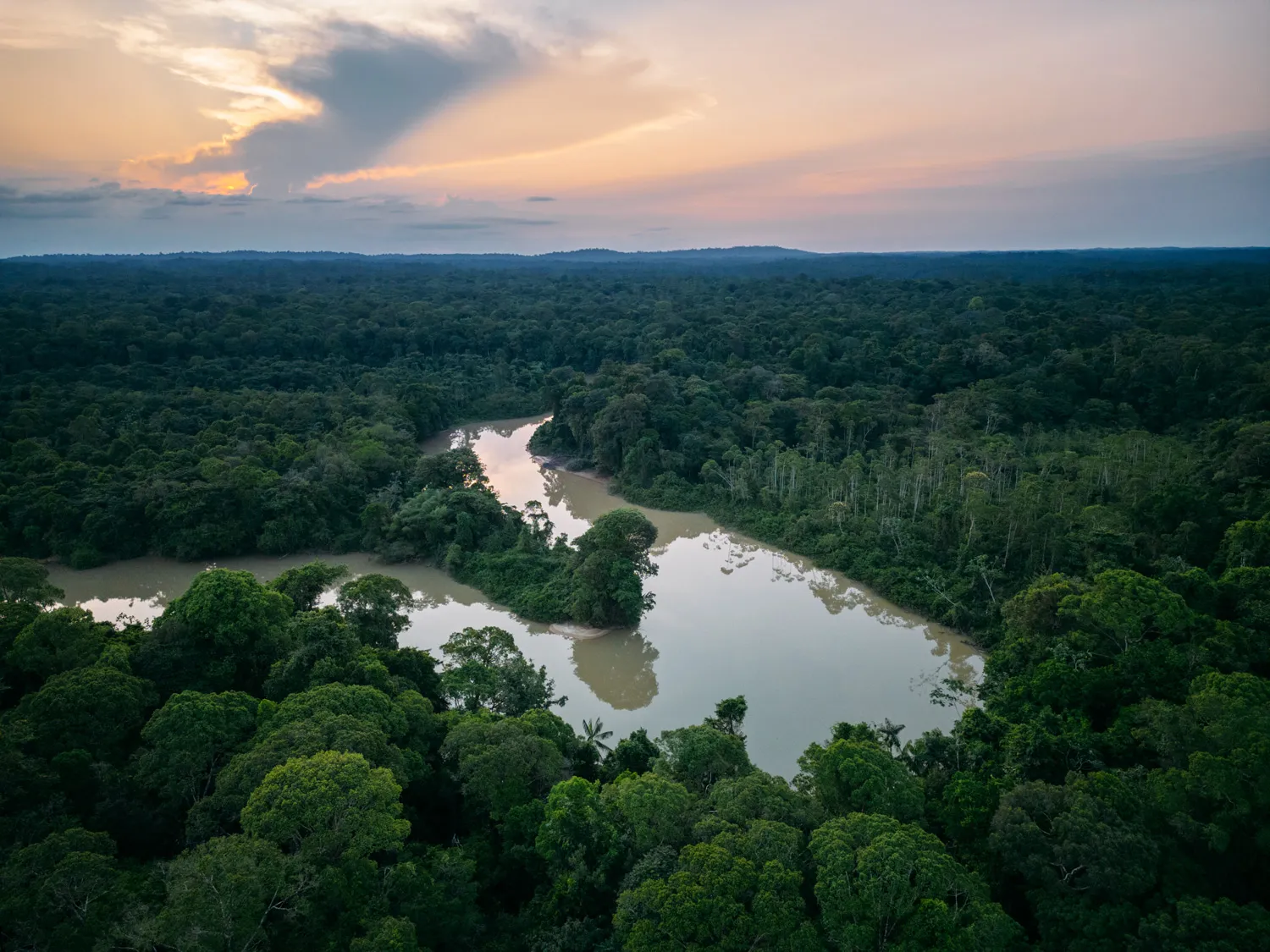
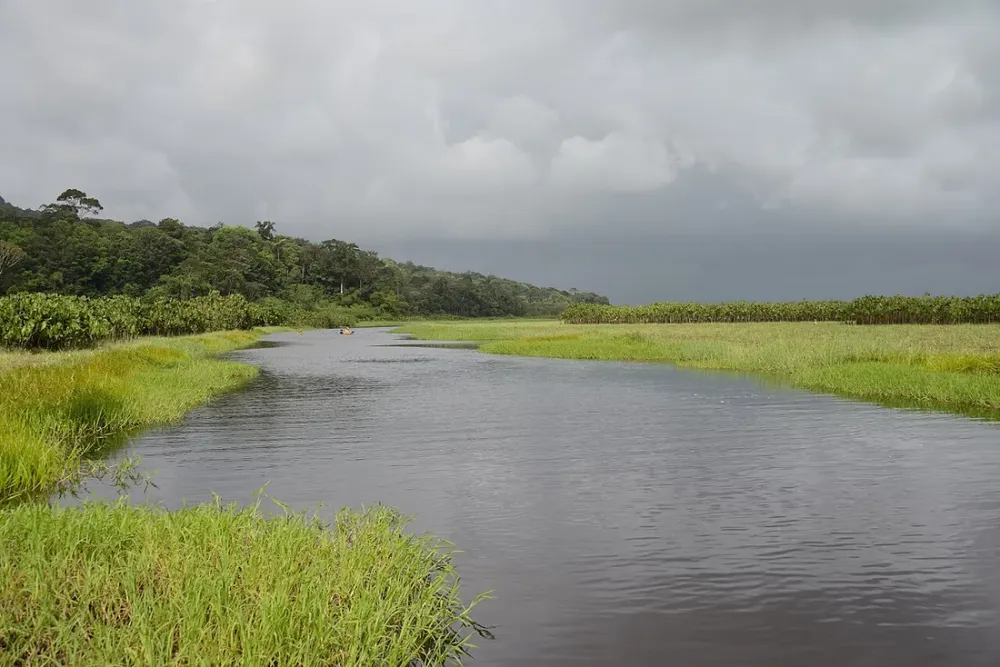
Two weeks in French Guiana is the perfect amount of time to do more than just skim the surface of this world-in-a-department. With fifteen days ahead of you, you can take the pulse of Cayenne, watch a rocket launch, sleep facing the Kaw marshes, then travel up the Maroni River by pirogue to the Bushinenge and Amerindian villages. Here is the itinerary I recommend to travellers who genuinely want to understand French Guiana, tested and refined season after season.
Before you go: what you need to know
French Guiana is a French overseas department (DROM): you pay in euros, French is spoken (along with Creole, Bushinenge and Amerindian languages), and the dialling code is +594. The time difference with Paris is -5h in winter and -6h in summer. The arrival airport is Félix-Éboué, in Matoury, 15 minutes from Cayenne.
A few essentials:
- The yellow fever vaccine is mandatory to enter the territory. Get it at least 10 days before departure.
- A car is essential. There is almost no public transport between towns. Budget €35 to €55 a day for a rental, to be booked early in high season.
- The best time to visit runs from July to late November, the dry season. It is also the season of rocket launches and passable tracks.
To plan your stay in detail, our complete guide to French Guiana brings together the formalities, the budget and the best addresses.
Days 1 to 4: Cayenne and the peninsula, a coastal immersion
Soaking up Cayenne
Drop your bags in the centre and let yourself be carried along. The Cayenne market, on Wednesday, Friday and Saturday mornings, is a sensory introduction: Hmong pho soups, bunches of chillies, woven Wayana baskets, fruits you don’t yet know. Then wander across the Place des Palmistes, lined with royal palms, and through the streets of colourful Creole houses in old Cayenne.
Beaches and nature in Rémire-Montjoly
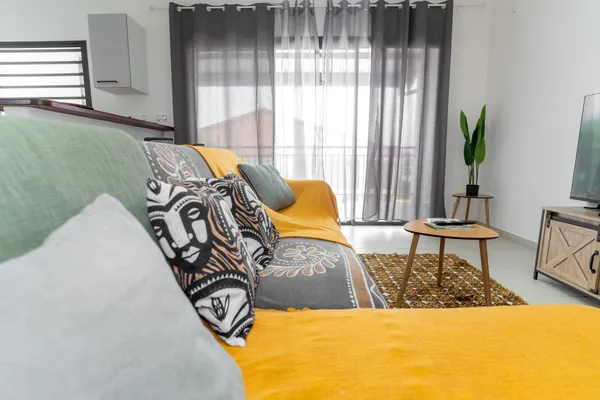
Fifteen minutes away, Rémire-Montjoly lines up the finest urban beaches: Montabo, Les Salines, Le Mahury. The Rorota trail (a 4 km loop, about 1h30) offers a first real immersion in the forest with views over the islets. From June to August, green and leatherback turtles come to lay their eggs on these beaches at night: a free and moving spectacle, to be observed in keeping with the guidelines. For these first days, the air-conditioned studios set around the pool at Résidence Francis, in the Montabo district of Cayenne leave the beaches and the Rorota trail just a few minutes’ drive away.
Devote day 4 to an excursion to Cacao, an hour’s drive inland. This village, founded by the Hmong community in the 1970s, holds a market on Sunday mornings: soups, fritters, embroidery and the Le Planeur Bleu insect museum.
Days 5 to 7: Kourou, space and the Salvation Islands
The Guiana Space Centre
Head to Kourou, 1h from Cayenne (60 km). The Guiana Space Centre offers free guided tours (by reservation, ID required) that take you to the heart of the Ariane 6 and Vega-C facilities. If a launch is scheduled during your stay, don’t miss it for anything: watching a rocket lift off is one of the most striking memories of a trip to French Guiana. Dates are confirmed a few weeks in advance, so keep an eye on the calendar.
The Salvation Islands
Off the coast of Kourou, the Salvation Islands archipelago (Royale, Saint-Joseph, Devil’s Island) tells the story of the penal colony. The catamaran crossing takes about 1h; budget €50 to €70 for the round trip. Plan for a full day, or even a night on site, to enjoy Île Royale in peace once the day-trippers have left: agoutis, coconut palms, jungle-swallowed ruins and turquoise waters.
Days 8 to 10: the savannahs and Kaw marshes
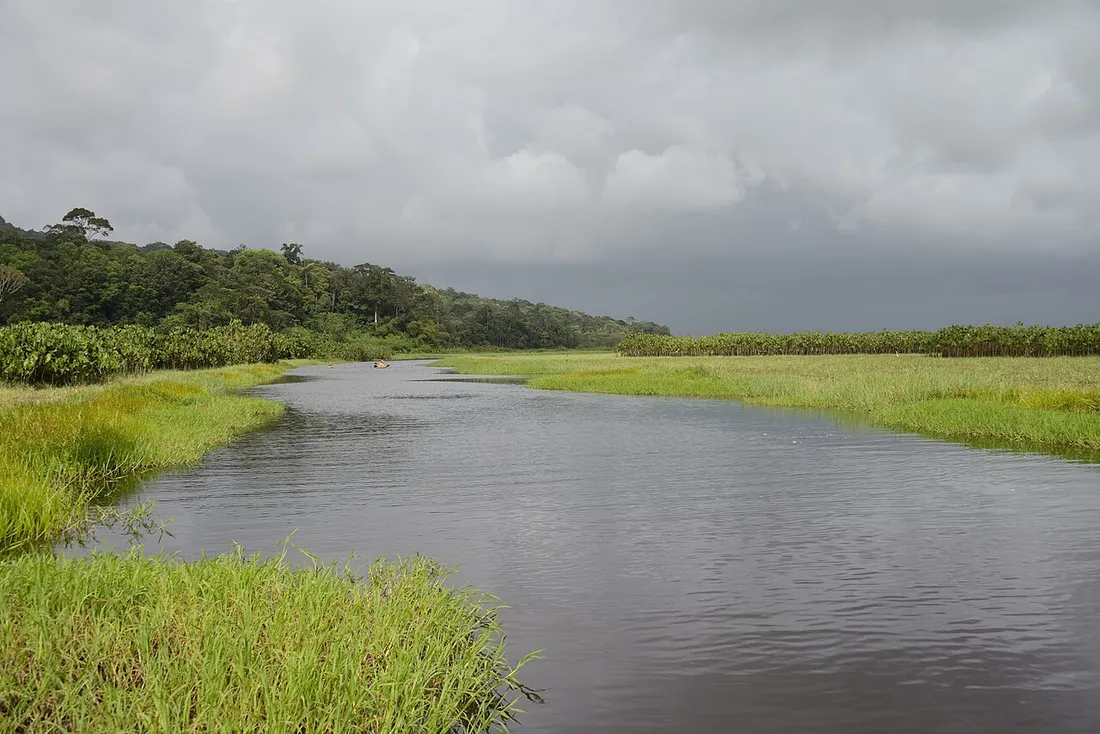
Head south-east, towards Roura and the famous Kaw marsh, one of the largest wetlands in South America. Budget about 1h30 of driving from Cayenne to the landing stage.
The highlight of the stay: a night pirogue outing in search of black caimans, whose red eyes light up in the beam of the lamps. At dawn, the marsh awakens: scarlet ibises, crested hoatzins, jacanas and, with a little luck, the manatee. Several floating carbets let you sleep on the water (a night in a hammock with meals around €80 to €120 per person). If a night in a hammock isn’t for you, the outing also works as a day trip and you drive back to sleep in Cayenne, where Sweet Dreams, the air-conditioned apartment with pool access is the place to rinse off the marsh mud before the rest of the programme.
If your budget and your fitness allow, add a detour to the Nouragues reserve, a jewel of primary forest accessible only by air or on a supervised expedition. Failing that, the trails around Roura already offer a fine dose of tropical forest.