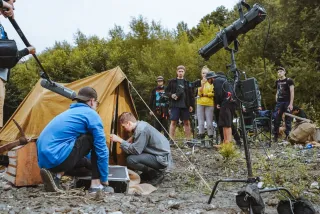
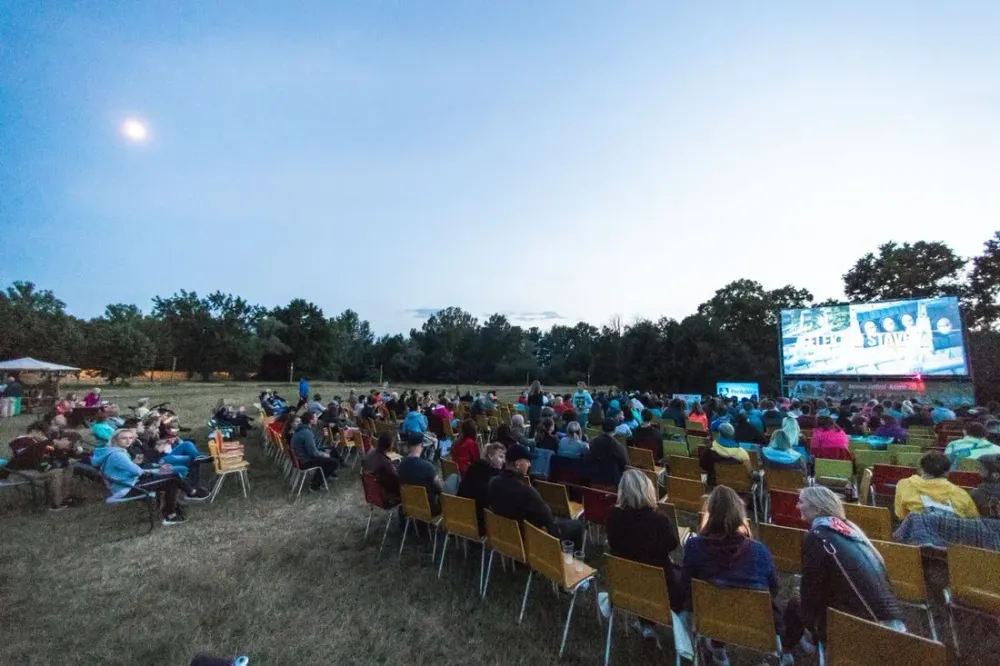
Every autumn, French Guiana turns its spotlights on the big screen and becomes, for a few days, the capital of Amazonian cinema. The Amazoniques International Film Festival brings together filmmakers, local audiences and curious travellers around a program that speaks of the forests, rivers and peoples of the Guiana Shield. If you’re thinking of timing your trip to coincide with this still-confidential cultural event, here is our hands-on practical guide: a typical program, screening venues, logistics and accommodation tips to enjoy it stress-free.
Why this film festival in French Guiana is worth the trip
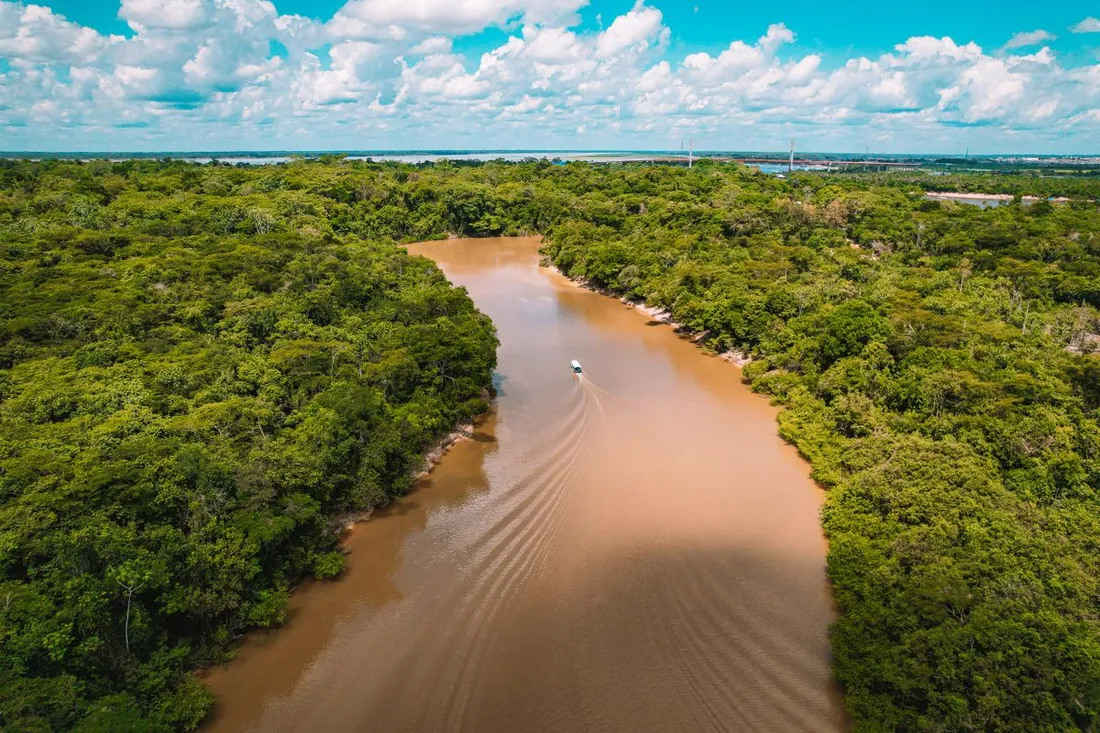
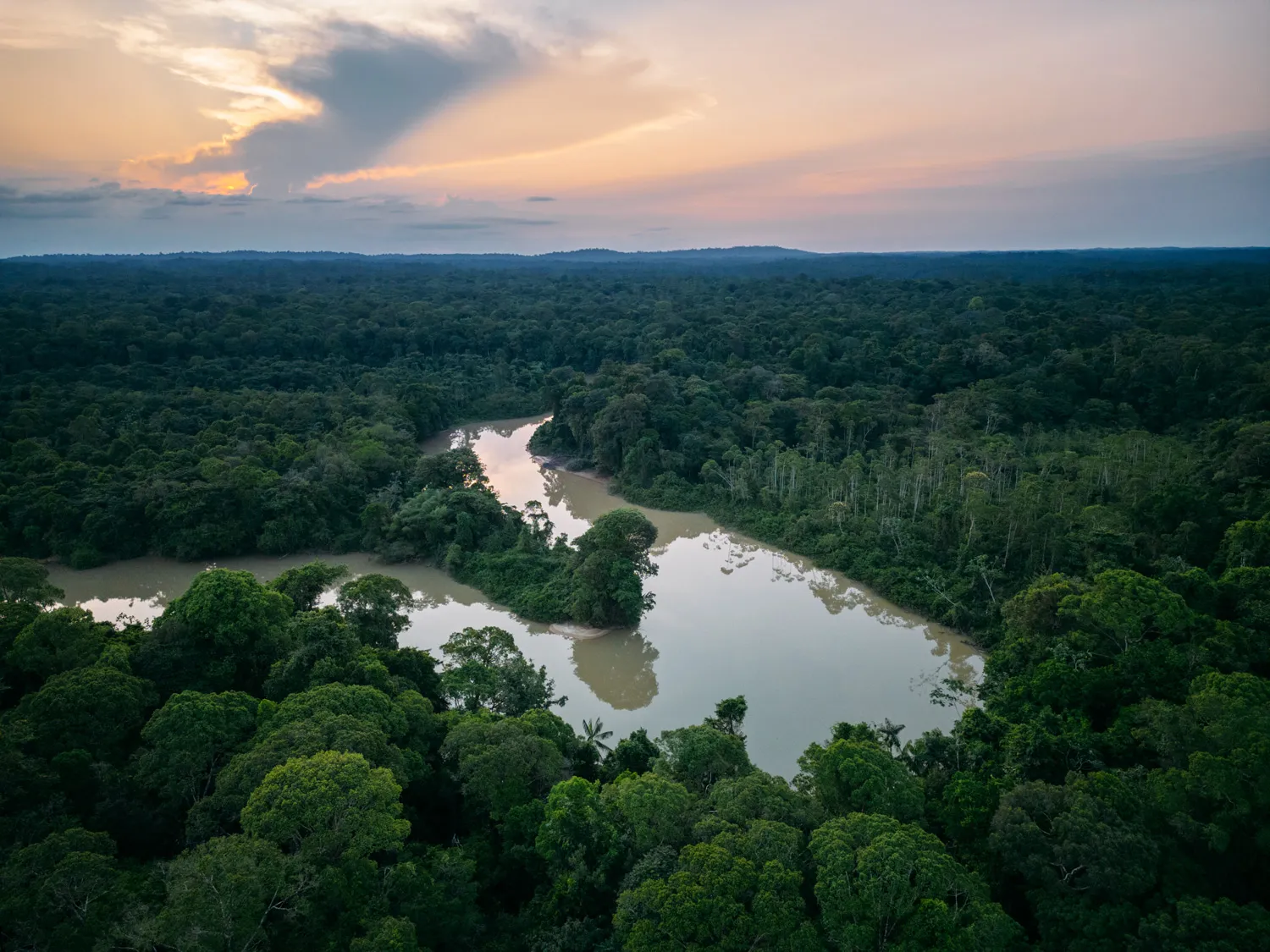
French Guiana is a French overseas territory of nearly 294,000 inhabitants, tucked between Brazil and Suriname, where you pay in euros and where French coexists with Creole, the Bushinenge and Amerindian languages. This cultural mosaic is precisely what the festival celebrates: a cinema that gives a voice to the Amazon, far from the clichés.
What sets this film festival in French Guiana apart from the major mainland events is its closeness. No unreachable red carpet here: you’ll run into the directors at the Cayenne market the morning after a screening, debate on the Place des Palmistes, or share a comou juice after a documentary about the Maroni River. The atmosphere is warm, engaged and deeply rooted in the territory.
The other advantage is the timing. Editions are generally held at the end of the rainy season or the start of the dry season (July to late November), an ideal time to combine culture and nature. You can follow a morning screening with an excursion to the Kaw marshes or a visit to the Guiana Space Centre.
The program: what to expect
The festival rolls out a varied program that can be grouped into four main strands.
The official selections
- Feature films from the Guiana Shield, Brazil, Suriname and the wider Amazon basin.
- Documentaries on the environment, indigenous peoples, illegal gold mining or the memory of the penal colony.
- Short films and student films, often the most surprising, carried by a young Guianese generation.
- Films in indigenous languages, subtitled — a rarity to savour.
The talks and round tables
Beyond the screenings, the festival thrives on its debates. Expect generally one or two encounters per day with filmmakers, anthropologists or local associations. These exchanges, often free, are the beating heart of the event.
The young audience and school screenings
During the day, sessions are reserved for Guianese schools. If you’re travelling with family, watch for the slots open to the general public: they offer accessible films and a reduced price.
The closing night and award ceremony
The closing ceremony honours the best works and is often followed by a concert or a festive evening. It’s the moment not to miss to feel the local fervour.
Insider tip: the detailed program often comes out late. Follow the official pages and the cultural partners’ channels in the weeks leading up to the event, and book your tickets for the headline screenings as soon as they go on sale, since Guianese venues are modest in size.
Screening venues: where to experience the sessions
The festival mainly unfolds along the coast, where cultural facilities are concentrated. Here are the hubs to know.
Cayenne, the heart of the festival
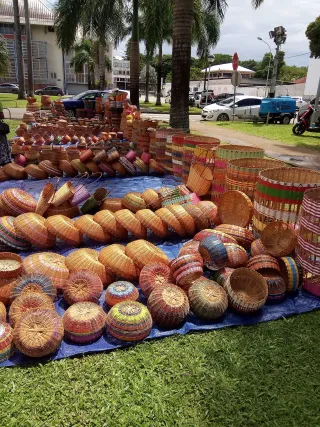
Most screenings take place in Cayenne, the capital of French Guiana. Downtown cinemas, multipurpose halls and cultural spaces host the bulk of the sessions. The centre is compact: between two films, you can stroll on the Place des Palmistes, take a break at the Cayenne market (mornings, especially Wednesday, Friday and Saturday) and sample Creole and Hmong cuisine.
Rémire-Montjoly and Matoury
These neighbouring towns, a 10–20 minute drive from Cayenne, sometimes round out the map with open-air screenings or decentralised sessions. This is also where the Félix-Éboué airport (Matoury) is located, your point of arrival.
Kourou and Saint-Laurent-du-Maroni
Some editions offer satellite screenings in Kourou (60 km, ~1h from Cayenne) or as far as Saint-Laurent-du-Maroni (250 km, ~3h by road), a town steeped in history with its Camp de la Transportation. These decentralised sessions are worth the detour if you plan to explore western French Guiana.
Logistics: organising your festival stay
Getting there and getting around
You land at Matoury’s Félix-Éboué airport, about 15 km from Cayenne (20–30 min). In French Guiana, a car is essential: public transport is limited and the cultural as well as natural sites are scattered. Budget €35 to €60 per day for a rental depending on the season; book early, as the vehicle fleet is small and demand climbs during events.
Keep the time difference in mind: -5h in winter and -6h in summer compared to Paris. The phone code is +594.
Health formalities
The yellow fever vaccine is mandatory to enter French Guiana. Plan ahead: the injection must be given at least 10 days before departure. Also bring mosquito repellent and sun protection, as the equatorial climate is demanding.
Indicative budget for 4 festival days
- Pass or screening tickets: €5 to €8 each, some events free.
- Car rental (4 days): €140–240.
- Creole meals: €12–20 a dish in a restaurant, less at the market.
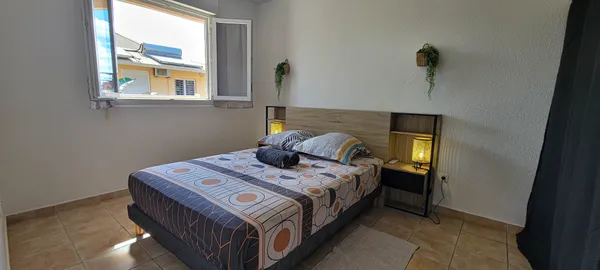
- Accommodation: variable depending on the comfort sought (see below).