Let’s say it upfront: scams in Guadeloupe remain the exception, not the rule. The archipelago is a French department where you pay in euros, where the gendarmerie answers on 17 and where the vast majority of providers work honestly. But as anywhere visitors arrive with a holiday budget and few local bearings, a handful of crooks take advantage. After several years managing properties here and rescuing travellers caught out by fake listings, I know the traps inside out: bogus rentals paid by bank transfer, overpriced excursions, unlicensed taxis at the exit of Pôle Caraïbes airport. Here is how to spot them in a few minutes, before you reach for your card.
Fake holiday rentals: scam number one in Guadeloupe
This is by far the most expensive trap. The typical scenario: a villa with a pool in Sainte-Anne or Saint-François, gorgeous photos, a price 30 to 40% below market (normally expect 120 to 250 € a night for a three-bedroom villa with pool in high season). The “owner” is highly responsive, but demands a deposit by bank transfer, cash money order or PCS voucher to “block the dates”. On arrival, the address doesn’t exist, or the house belongs to someone who has never heard of you. Average loss recorded: 800 to 2,500 €.
The warning signs that never lie
- An abnormally low price: a sea-view villa at 60 € a night in February (peak dry season) is statistically impossible.
- Payment outside a secure channel: SEPA transfer, Western Union or prepaid vouchers. No serious host operates this way.
- A foreign IBAN: a Guadeloupean owner has a French account (IBAN starting with FR). A Lithuanian IBAN for a villa in Le Gosier should stop you in your tracks.
- Anonymous photos: run a reverse image search (Google Lens). Crooks steal photos from genuine listings, sometimes located… in Martinique or the Canary Islands.
- Refusal of a video call: a real owner happily accepts a WhatsApp call to show the property live.
- Time pressure: “three other families are interested, pay before tonight”. A classic.
The checks to make before you pay
- Ask for the exact address and verify it on Google Street View: does the house match the photos?
- Insist on a rental contract in the owner’s full name, with the registration number from the town hall (mandatory in several tourist municipalities).
- Call a local number: a landline starting 0590 or a mobile starting 0690 (dialling code +590) is far more reassuring than a withheld or foreign number.
- Pay by a traceable, protected method: a card payment on a secure site, never a transfer to a stranger.
It is precisely to eliminate this risk that Hostel Toucan operates as a local concierge service: every property in our selection of rentals in Guadeloupe is visited, photographed and managed by our on-site team. Direct booking with no platform fees, free cancellation up to 7 days before arrival, WhatsApp assistance 7 days a week: if something feels off, a human answers, not a bot.
Excursions and activities: spotting tourist traps in Guadeloupe
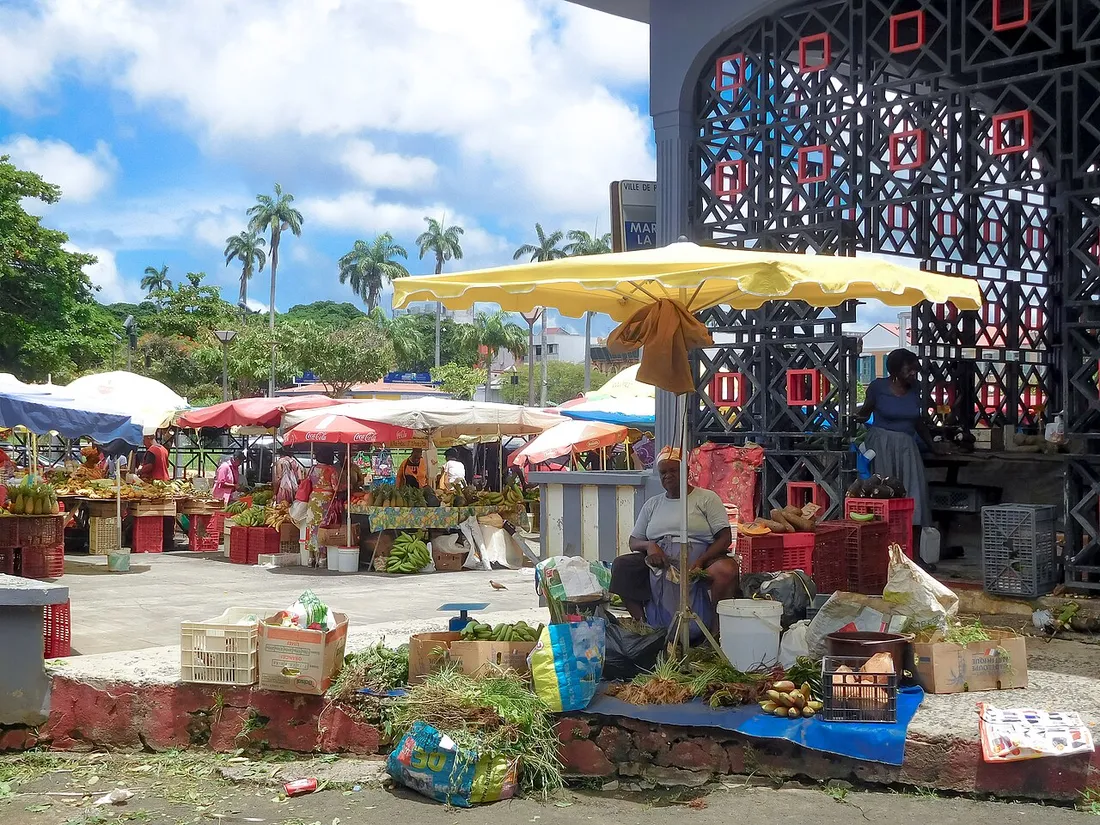
Tourist traps in Guadeloupe on the activities side are rarely outright scams: they mostly involve overcharging and watered-down services. A few honest price benchmarks for 2026:
- Snorkelling trip in the Cousteau Reserve (Malendure, Bouillante, Pigeon islets): 25 to 45 € for a half-day; a discovery dive around 60 to 75 €.
- Catamaran day out to Petite-Terre from Saint-François: 95 to 125 € lunch included. Below 70 €, check what is actually covered (the nature reserve fee, around 3.50 €/person, is often added on board).
- Crossing to Les Saintes: 25 to 30 € return from Trois-Rivières. Touts near the jetties sometimes add 10 to 15 € of “commission” on the same ticket.
- Distillery visit on Marie-Galante (Bielle, Bellevue, Père Labat): often free or under 5 €; beware of “organised tours” at 40 € that include nothing but transport.
The right reflexes before booking an activity
- Book directly with the operator, by phone or on their website, rather than through a tout on Caravelle beach or at the port.
- Check the registration: a serious water-sports operator displays their number and insurance; ask for them without hesitation.
- Request the total price in writing (a text or WhatsApp message is enough): fuel, taxes, equipment included or not.
- Be wary of the improvised “guide” at the Carbet falls or on the Soufrière trail: access to the National Park is free and open. No one has the right to make you pay an “entrance ticket” in the car park.
Unlicensed taxis and transport: stay alert at Pôle Caraïbes airport
At the airport exit, private individuals sometimes offer rides “cheaper than a taxi”. The problem: no passenger insurance, fares renegotiated en route, and cases of luggage held until an extra payment is made. The reliable benchmarks:
- Official taxi: a vehicle with an illuminated “TAXI” sign on the roof and a meter. Expect roughly 20 to 30 € to Le Gosier (15-20 minutes), 35 to 50 € to Sainte-Anne (30 minutes) and 70 to 90 € to Deshaies (1 hr 15). A 40% surcharge at night (7 pm - 7 am), on Sundays and public holidays: that’s not a scam, it’s the prefectoral tariff.
- Car hire: favour rental companies with a physical counter. When you pick up the vehicle, film the bodywork from every angle, tank and odometer included. Disputes over scratches “discovered” on return are the most frequent complaint — a time-stamped video settles them in two minutes.
- Inter-island shuttles: buy your tickets at the company’s counter or online, never from an intermediary without a badge.