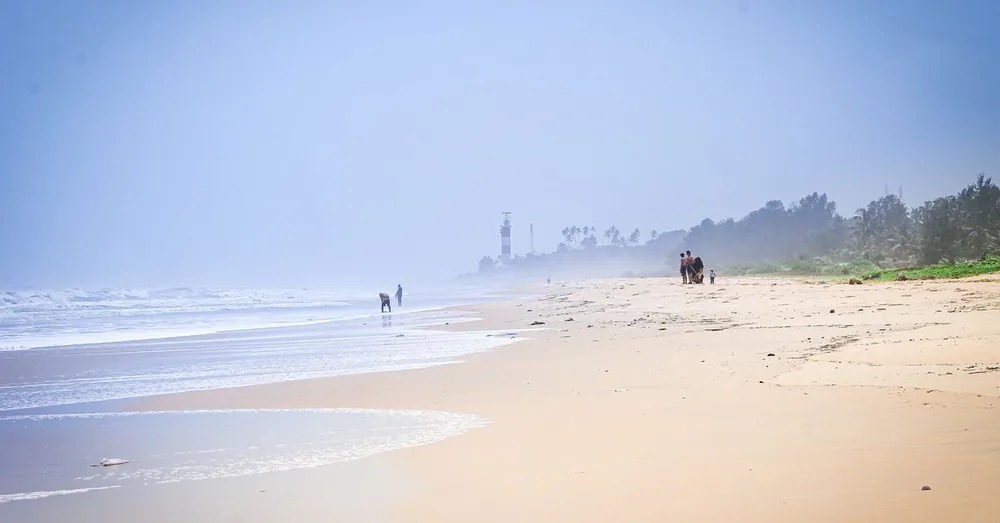
One June morning, you open the shutters of your seafront rental and… the horizon has vanished. No threatening clouds, no rain: just a whitish sky, slightly heavy air, and Diamond Rock dissolved into a milky haze. Don’t panic — this is Saharan dust in Martinique, a phenomenon most travel guides leave out and which surprises thousands of visitors every year. After several years living on the island and welcoming guests, let me explain what this desert dust really is, when it arrives, how it changes your days, and above all how to keep it from spoiling them.
Saharan Dust in Martinique: Where This Desert Dust Comes From
It all begins more than 6,000 kilometres away, above the Sahara. On a regular basis, huge masses of air loaded with fine mineral particles are torn from the desert and driven by the trade winds across the Atlantic. This plume, which scientists call the Saharan Air Layer, crosses the ocean in a few days and dusts the entire Caribbean arc. Saharan sand over the Caribbean is therefore the same phenomenon that sometimes tints the skies of southern France, but far denser and far more frequent in the tropics.
In practical terms, this dust stays suspended between 1 and 6 km in altitude. During a strong episode, it gives the sky that characteristic beige-white tint and sometimes leaves a thin ochre film on cars and terraces. It has nothing to do with a sandstorm: you don’t feel any grains — it’s a dry haze, almost intangible, yet clearly visible.
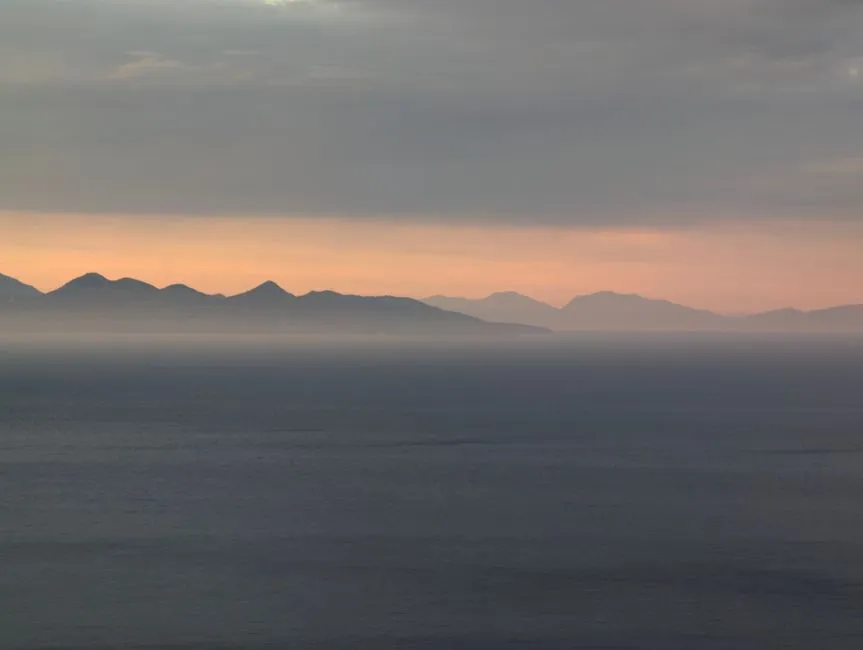
When the Summer Haze Hits Martinique
It’s the first question worried guests ask me: “Is it going to last my whole stay?” The good news is that the summer haze in Martinique follows a fairly clear seasonality.
- Peak from May to September: this is the most loaded period, often reaching its height in June–July–August. Episodes can then string together over several consecutive days.
- Occasional episodes in April and October: the haze can appear at the edges of high season, but more briefly.
- Near-absence from December to March: during carême, the long dry and tourist season (December to April), the sky stays mostly clear. This is one of the reasons this window is so prized.
A typical episode lasts 2 to 5 days, sometimes a short week for the most stubborn, before the trade winds clear the air. It is therefore very rare for a two-week stay to be veiled from start to finish. To plan ahead, I always check the Météo-France Martinique bulletins and the air-quality forecasts, which announce the dust 24 to 48 hours in advance.
What Concrete Effects on Your Stay
The dust haze doesn’t ruin a holiday, but it does change the mood. Here’s what you’ll actually notice on the ground.
Visibility and Landscapes
This is the most spectacular effect. During a dense episode:
- Distant panoramas fade away: from the heights of Fort-de-France, the island’s main town, or from the Caravelle peninsula at Tartane, the horizon shrinks to just a few kilometres.
- Mount Pelée and the northern peaks often hide in the veil, which can be disappointing if you’d planned the climb that day.
- The neighbouring islands (Saint Lucia to the south, sometimes Dominica to the north) become invisible from the lookouts.
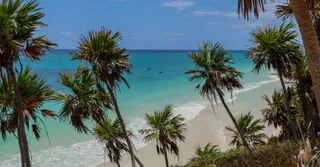
Conversely, the Caribbean Sea keeps its turquoise up close: on the beach, feet in the water at Les Salines in Sainte-Anne, the Saharan sand shows mainly in the sky, not in the lagoon.
Health and Air Quality
This is the point to take seriously. Air quality in Martinique drops noticeably during the peaks, because these fine particles reach the airways.
- Sensitive people (asthmatics, allergy sufferers, young children, the elderly, pregnant women) may feel a dry throat, irritated eyes or breathing discomfort.
- During an alert, health authorities recommend limiting intense outdoor effort (long hikes, sport) at the most loaded hours.
- For the vast majority of healthy travellers, the discomfort stays mild: a little fatigue or a sense of “heavy” air, nothing more.
My common-sense advice: if you’re asthmatic, slip your treatment into your suitcase and keep something to stay hydrated. Nothing alarming, but it’s better to be equipped.
Light and Photos
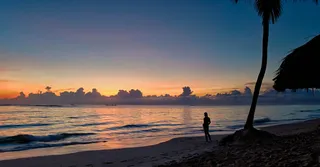
Paradoxically, the haze also brings lovely surprises. The particles scatter the light and create spectacular orange, red and pink sunsets on the Caribbean coast: Anse Mitan, Grande Anse d’Arlet or Le Carbet turn magical at the end of the day. On the other hand, at midday, landscape photos lack contrast and the sky looks washed out. For beautiful images, aim for sunrise and sunset rather than the central hours.
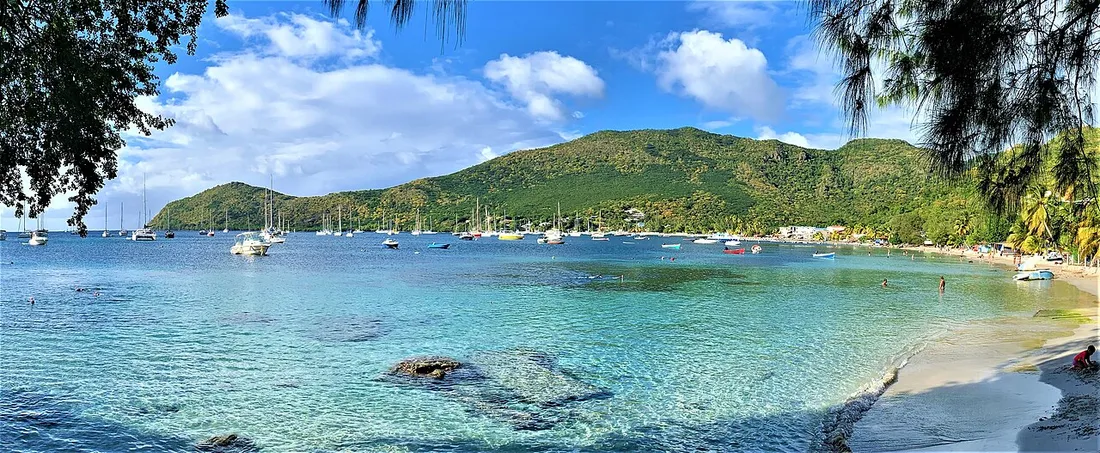
My Local Tips for Riding Out an Episode
The golden rule: adapt your programme rather than cancel it. A hazy day is perfect for rebalancing a packed stay.
- Postpone the panoramas: save Mount Pelée, the ruins of Saint-Pierre (a UNESCO-listed town) or the lookouts for a clear-sky day.
- Favour ground-level and covered activities: sheltered beaches, snorkelling at Anse Dufour with the turtles, distilleries on the Rum Route (Clément, Depaz, Saint-James, La Mauny, Trois-Rivières), the Balata Garden, the Trois-Îlets museums tracing the steps of Joséphine de Beauharnais.
- Stay hydrated and close the windows at peak hours, especially if you’re staying at altitude.
- Rinse your gear: a splash of water on your sunglasses, your camera lens and the car’s windscreen (a car is strongly recommended for getting around the island).
- Enjoy the sunset: settle on a west-facing beach with a ti-punch — it’s the best moment of the day during these episodes.
And remember: the dust always moves on. Within 48 to 72 hours, the trade winds give Martinique back its dazzling blue.
Book with Peace of Mind with Hostel Toucan
Saharan dust is one of those local realities you usually only discover once you’re on the spot. At Hostel Toucan, a concierge service and specialist in seasonal rentals across the French overseas territories, we prefer to prepare you in advance. Booking is done directly, with no platform fees, and cancellation is free up to 7 days before arrival: you secure your accommodation with peace of mind, even in the height of dust season. Above all, our 7-day WhatsApp assistance alerts you when an episode is coming and reorganises your day with you — which sheltered beach, which distillery to visit, which lookout to push to the next day.
To plan your trip, browse our complete guide to Martinique, compare our rentals in Martinique town by town according to the coast and the season, and if you own a property on the island, find out how we support owners in informing and reassuring their travellers as the seasons turn.
FAQ
Does the Saharan dust haze prevent swimming in Martinique?
No, absolutely not. Saharan dust in Martinique remains an atmospheric phenomenon: it veils the sky but does not pollute the seawater. You can swim normally at Les Salines, Anse Dufour or Grande Anse during an episode. Only the distant panoramas are affected. Keep an eye instead on the sargassum and the swimming flags, which are unrelated to the Saharan dust.
When should you avoid the Saharan dust haze for a trip to Martinique?
If you want a clear sky and long panoramas, favour the period from December to April (carême, the long dry season), when Saharan sand over the Caribbean is almost absent. The densest episodes are concentrated from May to September, peaking in June–July–August. That said, the low season offers better prices and the bonus of the blazing sunsets tied to the haze.
Is the Saharan dust haze dangerous to health?
For a person in good health, the discomfort stays mild (dry throat, slightly irritated eyes, “heavy” air). On the other hand, air quality in Martinique drops during the peaks and can trouble sensitive people: asthmatics, allergy sufferers, young children, the elderly, pregnant women. During alerts, limit intense outdoor effort, stay hydrated and keep your usual treatment within reach.
How long does a summer haze episode last in Martinique?
Generally 2 to 5 days, sometimes a short week for the most stubborn episodes, before the trade winds clear the air. It is therefore very rare for an entire stay to be veiled. The Météo-France Martinique bulletins announce the arrival of the summer haze in Martinique 24 to 48 hours in advance, leaving time to adapt your programme.