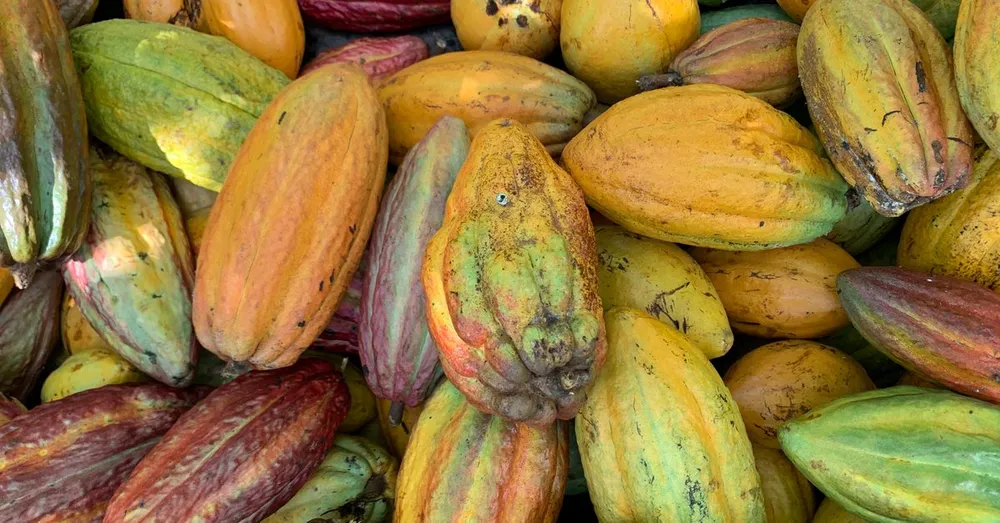
Guadeloupe is famous for its rum, its turquoise beaches and its Soufrière volcano. We often forget that, long before sugarcane, the archipelago was already growing cocoa. On the leeward coast of Basse-Terre, between tropical rainforest and volcanic coves, a handful of passionate locals have revived a forgotten craft. The result: a genuine artisanal chocolate trail, best explored at the pace of the bends in the road and the scent of roasting beans. Here’s the itinerary I recommend to my travelers, the fruit of several years spent crisscrossing the region.
Why cocoa grows so well in Basse-Terre
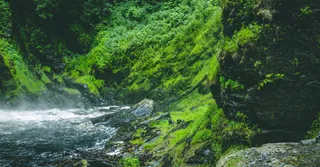
Guadeloupe is a French Caribbean archipelago (a French overseas region) shaped like a butterfly. Its western wing, Basse-Terre, has nothing in common with its limestone neighbor Grande-Terre and its seaside beaches. Here, the volcano reigns supreme: the Soufrière rises to 1,467 m, the National Park protects a dense rainforest, and the Carbet Falls tumble down the slopes. This mountain creates a micro-climate ideal for the cacao tree (Theobroma cacao): constant warmth, high humidity, rich volcanic soils and natural shade beneath the canopy.
Guadeloupean cocoa is essentially of the criollo and trinitario type, fine and aromatic varieties sought after by chocolatiers. Grown in agroforestry, in the shade of banana trees and fruit trees, it develops floral and fruity notes that industrial producers never match. It is this terroir that the cocoa trail showcases.
When to come to enjoy the trail
The best time runs from December to April, during the dry season (the local carême). The mountain roads are passable, plantation visits less muddy, and the light magnificent for photos. Keep the time difference in mind: -5h in winter and -6h in summer compared to Paris. The arrival airport is Pôle Caraïbes, in Pointe-à-Pitre, on Grande-Terre; from there, allow about an hour’s drive to reach the leeward coast.
The Maison du Cacao in Pointe-Noire: the starting point
You can’t talk about cocoa in Guadeloupe without starting at the Maison du Cacao, in Pointe-Noire, on the Route de la Traversée. It’s the essential educational stop, perfect for understanding the whole chain, from bean to bar.
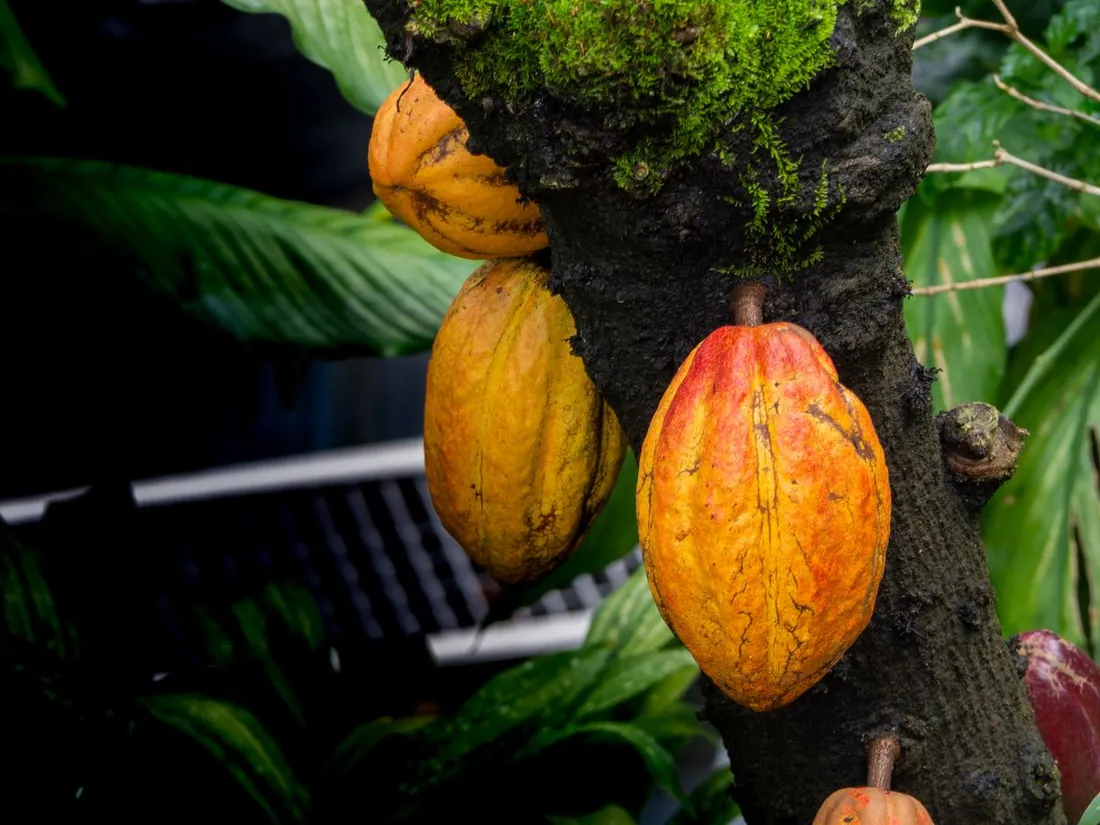
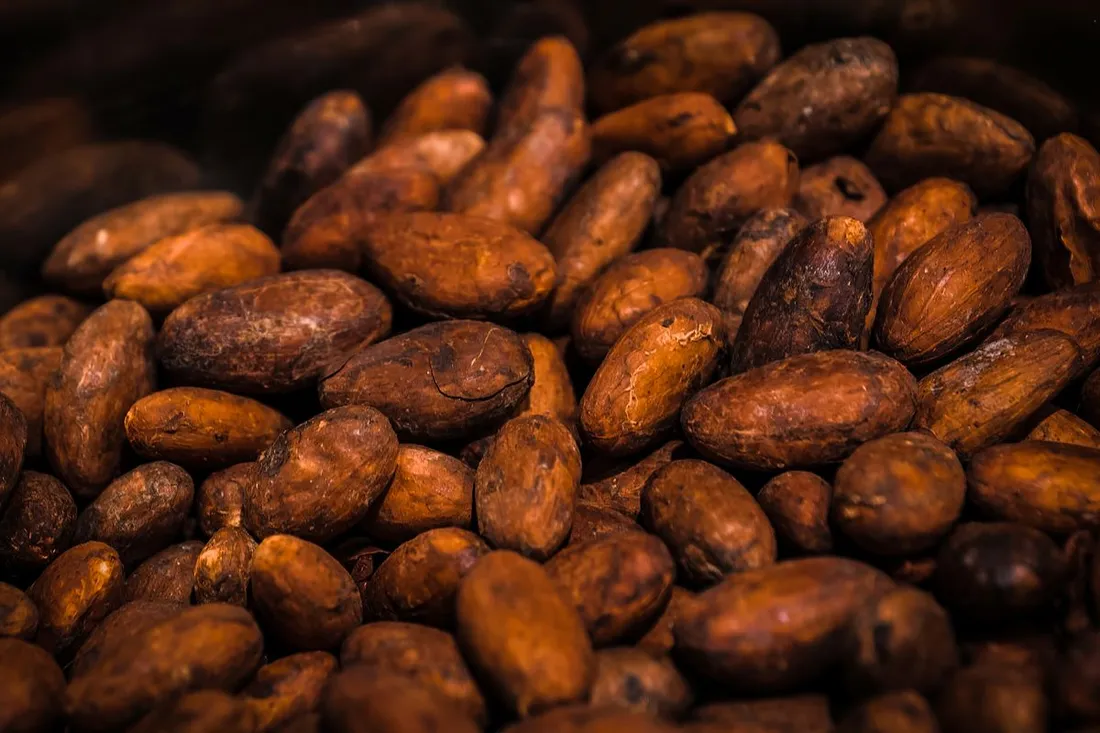
On site, an open-air trail leads you through a cocoa grove, where you learn to recognize the colorful pods attached directly to the trunk. The visit explains fermentation, drying, roasting and grinding. The highlight: a tasting of old-style hot chocolate, thick and full-bodied, prepared according to the Creole recipe with a hint of spices.
A few concrete pointers to plan your stop:
- Visit duration: 45 min to 1h, self-guided or guided.
- Indicative price: around €9 to €11 for adults, €6 to €7 for children.
- Shop: bars, roasted beans, cocoa sticks (the famous “bâton kako” for the Creole breakfast), pure powder.
- Access: 5 min from the town center of Pointe-Noire, free parking.
My tip: arrive in the morning, before the excursion crowds, and leave with a few pure cocoa sticks. Grated into hot milk with a pinch of nutmeg and cinnamon, they make the real Guadeloupean Sunday-morning chocolate.
The cocoa itinerary on the leeward coast
The beauty of this route is that it follows the N2 then the west coast, stringing together cocoa, beaches and diving. Here’s how I structure a full day.
Stop 1 — Deshaies and the Grande Anse
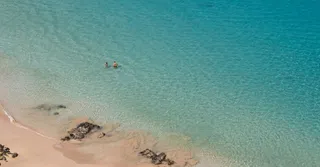
Start in the north, at Deshaies, a postcard village. Grande Anse beach, an immense crescent of golden sand fringed with coconut palms, deserves an early-morning swim. The Deshaies Botanical Garden, just above, is an excellent botanical complement before tackling the cocoa.
Stop 2 — Pointe-Noire, capital of wood and cocoa
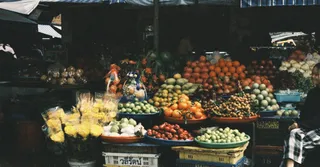
Head down to Pointe-Noire for the Maison du Cacao (see above). The town is also renowned for its woodcraft and its coffee: it’s the historic heart of Basse-Terre’s plantation crops. Plan a local Creole lunch: fish bokit or colombo, washed down with a fresh fruit juice.
Stop 3 — Bouillante and the Cousteau Reserve
Continuing south, stop at Bouillante. Malendure beach and the Pigeon islets are home to the Cousteau Reserve, the archipelago’s number-one diving and snorkeling spot. A snorkeling outing (around €25-35 by boat) offers a blue interlude between two chocolate tastings.
Stop 4 — Artisanal workshops and bean producers
This is where the trail truly comes into its own. Beyond the Maison du Cacao, several small producers and chocolatiers process the bean on site, in limited batches. You’ll find them in the hinterland of Pointe-Noire, Vieux-Habitants and on the heights of Basse-Terre. These workshops offer:
- cocoa grove visits with pod harvesting depending on the season;
- “bean-to-bar” workshops where you make your own bar (1h30 to 2h, €30 to €50 depending on the package);
- the direct sale of single-origin Guadeloupe bars.
As these are often family-run operations, always book by phone (dialing code +590) the day before. Creole and French coexist; a simple “bonjou” opens many doors.
A local’s practical tips
A few recommendations to keep your cocoa trail running smoothly:
- Rent a car. The leeward coast is poorly served by public transport. The mountain roads are winding: drive carefully, especially after a tropical downpour.
- Set off early. Visits take place in the morning; in the afternoon, make way for the beach or diving.
- Pay in euros. Guadeloupe uses the euro, and bank cards are accepted everywhere, but keep some cash for the small producers.
- Respect the season. During the rainy season (June-November), some tracks become difficult.
- Combine both wings. Stay central to alternate between cocoa in Basse-Terre and the beaches of Grande-Terre (Caravelle in Sainte-Anne, Pointe des Châteaux in Saint-François).
Beyond cocoa: extending your stay
Basse-Terre lends itself to extensions: climbing the Soufrière, hiking to the Carbet Falls, not to mention boat trips to Les Saintes (Terre-de-Haut and its listed bay) or Marie-Galante, the island of windmills and rum distilleries (Bielle, Bellevue, Père Labat). On the cultural side, the Mémorial ACTe, in Pointe-à-Pitre, sheds light on the history of the slave trade and the plantations that shaped this cocoa.
Where to stay to follow the cocoa trail
To get around easily, I recommend staying on the leeward coast (Deshaies, Pointe-Noire, Bouillante) or in a central position between the two wings of the butterfly. A well-located vacation rental spares you long drives and gives you a kitchen to prepare your homemade hot chocolate when you wake up.
At Hostel Toucan, concierge and rental service in Guadeloupe, we select accommodations close to the most beautiful itineraries. Booking is done directly, with no platform fees, with free cancellation up to 7 days before arrival and WhatsApp support 7 days a week for your questions on site (booking a cocoa workshop, organizing a diving outing, finding the right car rental).
- Discover our rentals in Guadeloupe, ideally located for the leeward coast.
- Plan your entire stay with our complete guide to Guadeloupe.
- Do you own a property on the archipelago? Entrust it to our concierge service for owners.
The cocoa trail is authentic Guadeloupe: the one that smells of roasted beans, that tells its story and that is savored slowly. Now it’s your turn.
FAQ
Where can you see and taste cocoa in Guadeloupe?
The essential starting point is the Maison du Cacao in Pointe-Noire, on the leeward coast of Basse-Terre. There you discover the cocoa grove, the bean-to-bar process and a tasting of Creole hot chocolate. Around it, several small producers and artisanal workshops offer plantation visits and bean-to-bar making.
What is the best time to do the cocoa trail in Basse-Terre?
The dry season, from December to April, is ideal. The mountain roads are passable, plantation visits less muddy and the light perfect. Avoid the rainy season (June to November), when some tracks become hard to access.
How much does it cost to visit the Maison du Cacao in Pointe-Noire?
Allow around €9 to €11 per adult and €6 to €7 per child, for a 45-minute to 1-hour visit including the walk through the cocoa grove and a tasting. A shop sells bars, roasted beans, pure cocoa sticks and powder.
How do you get around to follow the cocoa itinerary?
Renting a car is essential: the leeward coast and the hinterland are poorly served by public transport. From Pôle Caraïbes airport in Pointe-à-Pitre, allow about an hour’s drive. Drive carefully on the winding mountain roads, especially after a downpour.