You’re planning your stay and the same question keeps coming up: do you really need to rent a car in Martinique? As residents who have crisscrossed the island for years and regularly rescue travellers stranded at a bus stop, our answer is clear but nuanced. For the vast majority of must-see spots, a car isn’t a luxury: it’s a necessity. But a few gems remain reachable without a steering wheel. And between the international rental desks at Le Lamentin, local agencies that deliver to your accommodation and insurance excesses that climb to €2,000, renting a car in Martinique is a minefield of small traps. Here’s an honest, on-the-ground guide to help you decide with full awareness and rent at the right price without nasty surprises.
Why a car is almost essential in Martinique
Martinique is a French Overseas Department and Region (DROM) covering 1,128 km², with around 360,000 inhabitants concentrated around Fort-de-France, the capital, and stretched over barely 70-80 km from north to south. On paper, the island looks small, and you might think you can cover it on foot: that’s an illusion. In reality, the volcanic terrain, winding roads and a limited public transport network change everything.
The bus network (Mozaïk in the Fort-de-France conurbation) serves urban areas reasonably well, but becomes virtually non-existent the moment you head for the beaches, the distilleries or the North. The famous “taxicos” (shared taxis) still exist, but their schedules are unpredictable and they often stop running in the early afternoon. As for regular taxis and ride-hailing services, they’re expensive: budget €50 to €80 to reach Sainte-Anne from Aimé Césaire airport (Le Lamentin).
A car is therefore strongly recommended as soon as your stay goes beyond the city. The only exception: a short stay based in Les Trois-Îlets, where the ferry to Fort-de-France and the bay’s beaches are enough for a few days.
The rental budget, no surprises
A rental car in Martinique costs on average:
- €35 to €55/day for a city car in low season (May to November)
- €55 to €90/day during the dry season (the Carême, December to April) and during carnival (February-March)
- Fuel: around €1.80/litre, a price regulated across the whole territory (budget €10 to €20/day)
Book early: during the Carême and school holidays, the airport agencies are fully booked several weeks in advance, and prices climb fast. Also bear in mind the deposit (often €800 to €1,500 held on your card) and check the insurance details carefully.
The must-sees where a car is essential
Here are the sites for which, in practice, you simply can’t skip having a vehicle.
The southern beaches
The South has the most beautiful beaches, but they’re poorly served.
- Les Salines (Sainte-Anne): the island’s postcard beach. From Fort-de-France, allow 1 hour’s drive (around 45 km) via the N5 then the D9. Arrive before 10 a.m. at weekends, otherwise the large free parking under the trees fills up and you’ll be circling for ages.
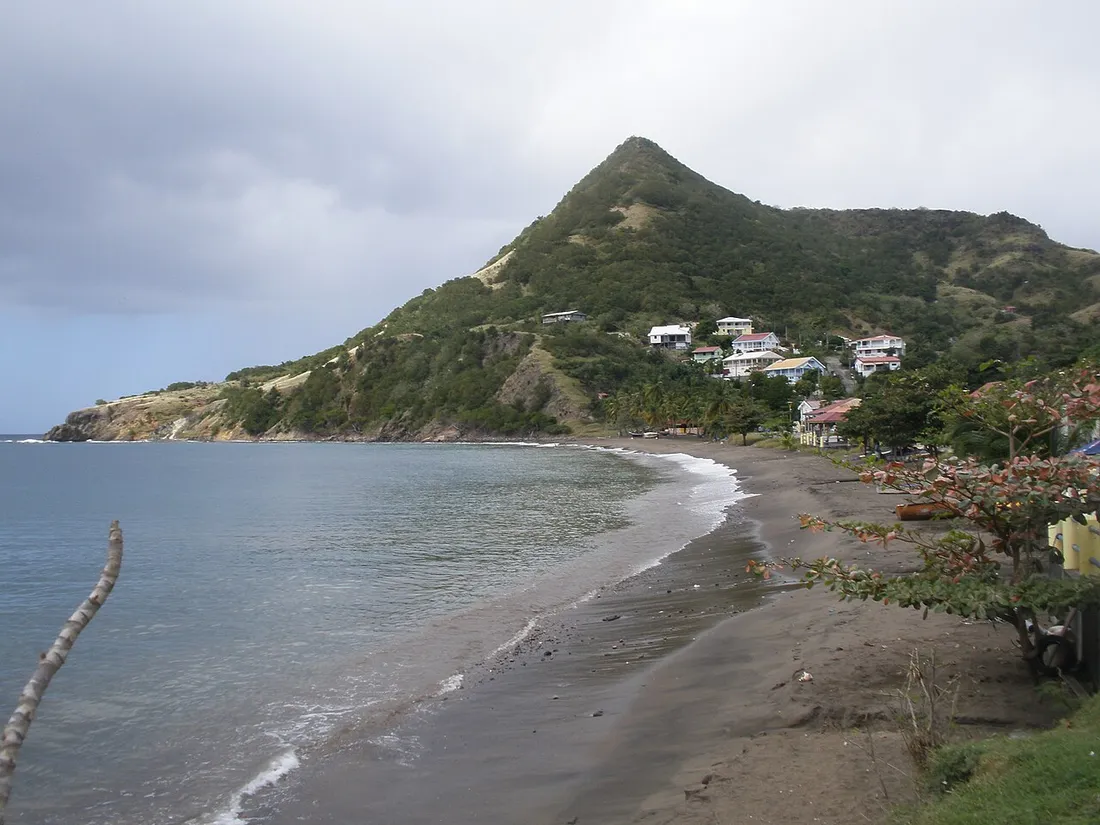
- Anse Dufour and Anse Noire (Les Anses-d’Arlet): two neighbouring coves, one with golden sand, the other with black volcanic sand, renowned for snorkelling with turtles. A small free car park up the hill, quickly full: aim for early morning.
- Grande Anse (Les Anses-d’Arlet): a long beach lined with jetties, ideal at sunset.
Without a car, these beaches become a logistical headache. This is precisely where renting truly makes sense.
Montagne Pelée and Saint-Pierre
The North is unmissable and a car is indispensable there.
- Saint-Pierre, the former capital destroyed by the 1902 eruption, whose ruins and bay are listed as UNESCO World Heritage. Allow 1 hour from Fort-de-France via the coastal N2.
- Montagne Pelée, the iconic volcano (1,397 m). The trailheads (l’Aileron) are reached by a small mountain road from Le Morne-Rouge.
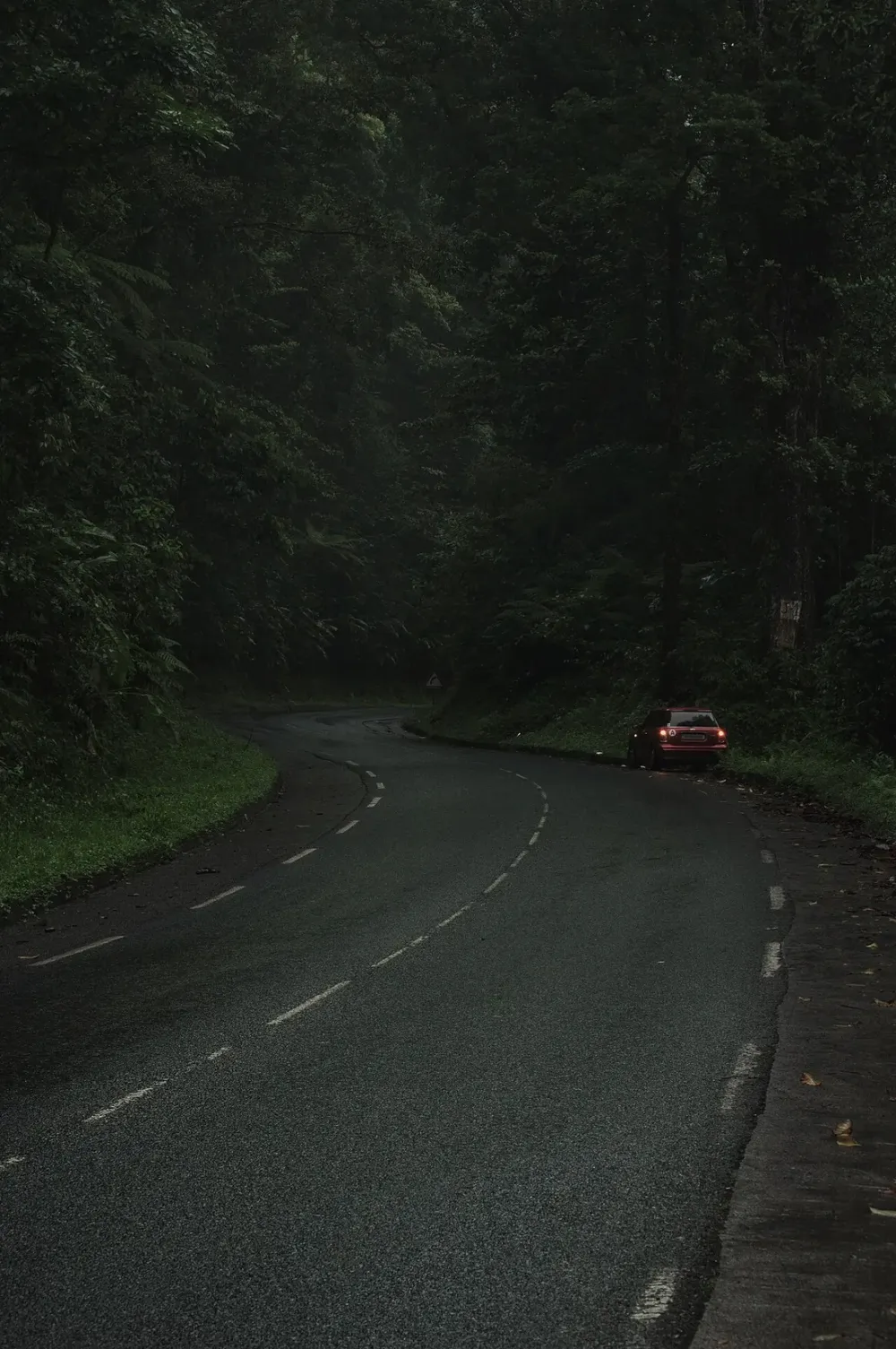
Road conditions in the North: be warned. Beyond Saint-Pierre and towards the Caribbean coast (Le Prêcheur, Grand-Rivière) and the Atlantic coast (Route de la Trace, N3), the roads are narrow, winding, sometimes damaged or slippery after rain. Avoid driving at night, beware of blind bends and drive smoothly. These aren’t roads for those in a hurry, but the panoramas are well worth the effort.
The Rum Route
AOC Martinique agricultural rum is tasted directly on the estates, and each distillery has its own character. None can be reached by public transport.
- Distillerie Clément (Le François) – estate, gardens and art gallery
- Depaz (Saint-Pierre) – château at the foot of the Pelée
- Saint-James (Sainte-Marie) – rum museum and little train
- La Mauny and Trois-Rivières (South) – on the way to the beaches
Resident’s tip: designate a sober driver. The tastings are generous and police checks do happen.
Jardin de Balata, Les Trois-Îlets and the Caravelle peninsula
- Jardin de Balata: a magnificent botanical garden on the Route de la Trace (N3), 20 minutes from Fort-de-France. On-site parking.
- Les Trois-Îlets: birthplace of Joséphine de Beauharnais, with museums and family-friendly beaches.
- The Caravelle peninsula (Tartane / La Trinité): a nature reserve, trails and the island’s best surf spot. On the Atlantic coast, accessible only by car.
- Rocher du Diamant: this iconic monolith is best photographed from the viewpoints along the Diamant and Sainte-Luce roads.
Which sites can you visit without a car?
Not everything requires a vehicle. If you’d rather travel light, several options exist.
Fort-de-France on foot and by bus
The capital is best explored on foot: the Schœlcher library, the covered market, the Savane park, the Saint-Louis cathedral. The Mozaïk network serves the conurbation reasonably well during the day.
Les Trois-Îlets by ferry
This is the tip we recommend to travellers without a car. The ferries link Fort-de-France to Pointe du Bout, Anse Mitan and Anse-à-l’Âne (Les Trois-Îlets) in 20 minutes, for around €7 to €8 return. You thus reach lovely beaches and several restaurants without touching a steering wheel. It’s also a more pleasant trip than the road.
Organised excursions
For Montagne Pelée, Saint-Pierre or a tour of the Rum Route, operators offer full-day excursions with pick-up at your accommodation. More expensive overall if you stay a while, but ideal for one or two occasional outings.
International rental companies or local agencies: the real comparison
This is the heart of the matter. To rent a car at Aimé Césaire airport (at Le Lamentin, 15-20 minutes from Fort-de-France), two families of providers are available to you.
The international rental companies
The big names (Hertz, Avis, Europcar, Sixt) have their desks at the airport, delivered as soon as your flight lands. Budget €45 to €70 per day for a small category, more at the peak of the dry season.
- Pros: immediate pick-up on landing, a recent fleet, modifiable booking, structured dispute handling.
- Cons: rates often 15 to 30% higher, deterrent excesses, and saturated desks in high season (sometimes over an hour’s wait after a long flight).
The local Martinican agencies
Alongside, a host of independent Martinican rental firms (Jumbo Car, Carib and many family-run outfits) offer gentler rates.
- Pros: lower prices, often €30 to €50 per day for a city car; delivery to your accommodation or a free shuttle from the airport; a human, responsive contact.
- Cons: a sometimes older fleet, terms to read closely, variable rigour on the condition report. Reliability really depends on the agency.
Our local advice: for a late arrival or a first stay, the comfort of an international firm may be worth the extra cost. For a one- to two-week rental, a good local agency with on-site delivery offers the best value for money, provided you choose a reputable one and document the condition report thoroughly.
Excess and insurance: the costliest pitfall
The insurance excess on a rental in the French overseas departments is the blind spot that costs the most: it’s the sum you remain liable for in the event of damage, even when not at fault. In Martinique, it often runs around €1,000 to €2,000, even more for a 4x4. A simple windscreen chip or a scratch in a car park, and the bill lands.
A few rules we keep hammering home:
- Check the exact amount of the excess before signing; it’s rarely printed in large characters.
- Buying out the excess at the desk typically costs €8 to €20 per day: over two weeks, that can double your bill. Weigh it up according to your risk tolerance.
- A premium bank card (Gold/Premier, Visa Infinite) often includes insurance that covers the excess. Ask your bank for the certificate before you leave: it’s free and it spares you the overpriced buyout.
- Film the condition report from every angle, roof, wheels and windscreen included, in front of the agent. It’s your only proof at handover and it defuses most disputed “scratches”.