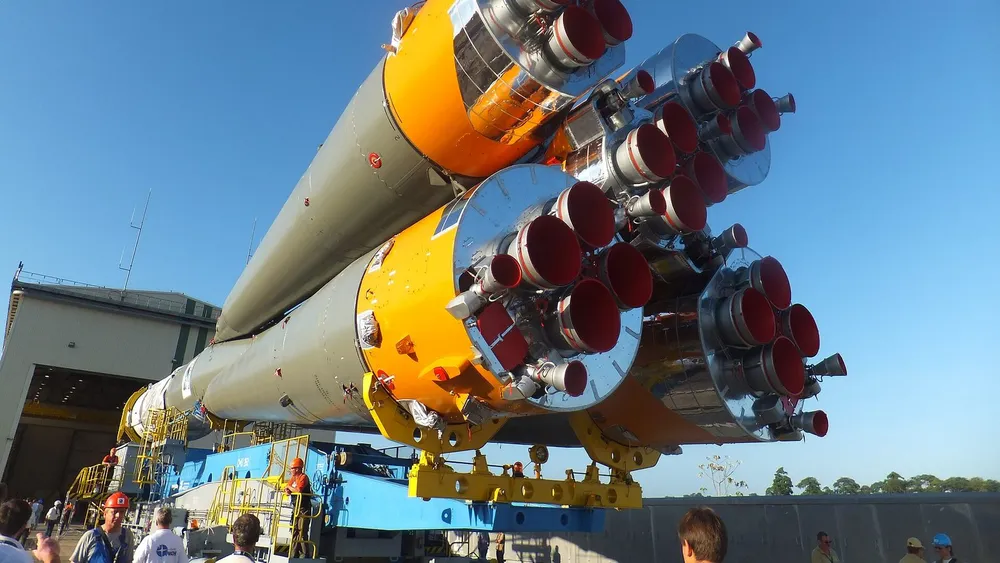
Pairing the parades of French Guiana’s carnival with an Ariane 6 liftoff from Kourou means experiencing, in a single week, the two heartbeats that drive this corner of the Amazon: the Creole fever of the Touloulou and the roar of a rocket tearing itself away from the rainforest. After several seasons on the ground, I’ve learned that a successful carnival and Ariane launch trip can’t be improvised: it’s built around two bases, a rental car and a little flexibility toward the space calendar. Here’s how to structure these seven days between Cayenne and Kourou.
Why February-March is the ideal window
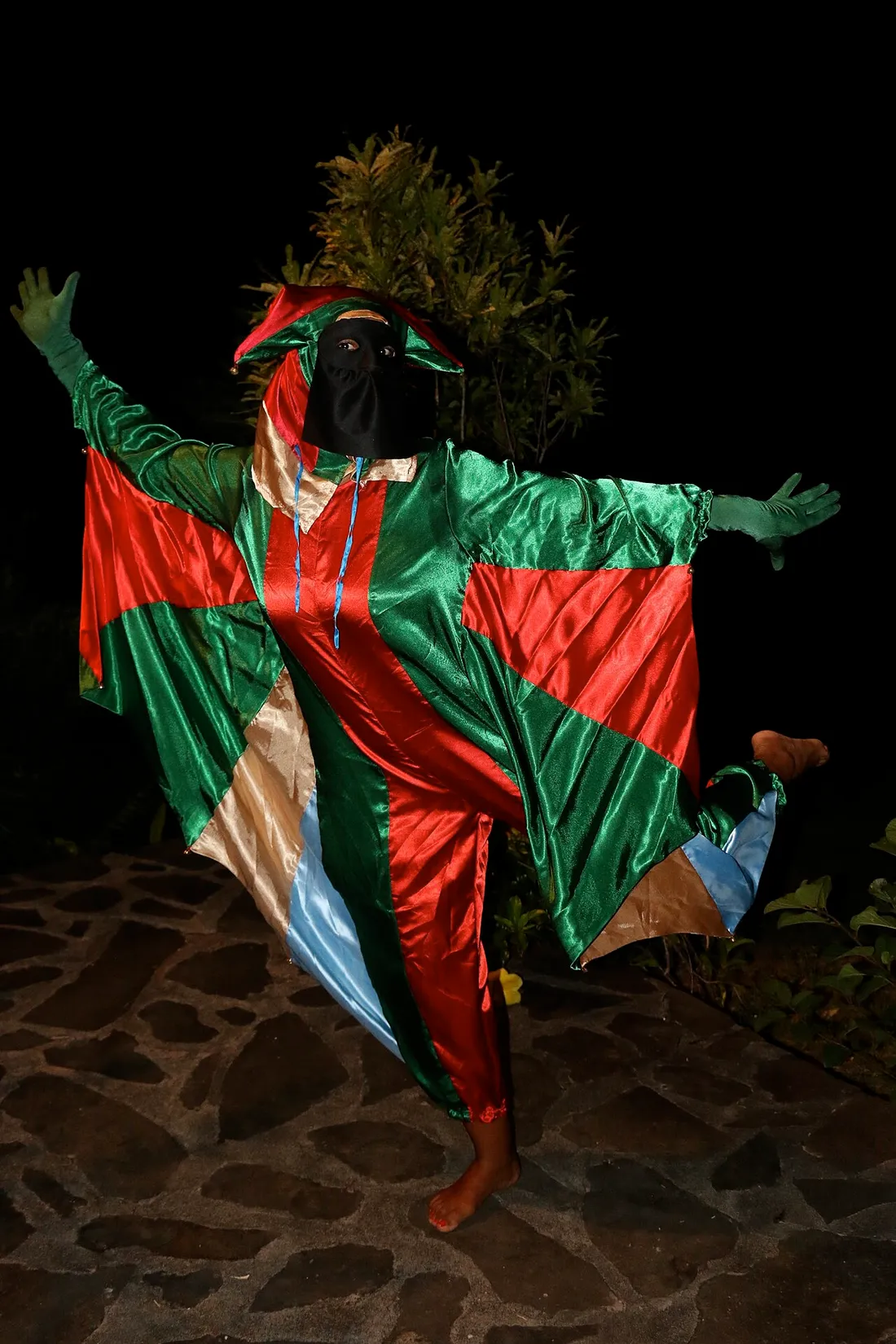
French Guiana’s carnival is one of the longest in the world: it begins at Epiphany (early January) and peaks all the way to Ash Wednesday, right in the heart of the February-March period. It’s also the season of Cayenne’s great Sunday parades and the “pawé” balls where women disguised as Touloulou invite men to dance without ever revealing their identity.
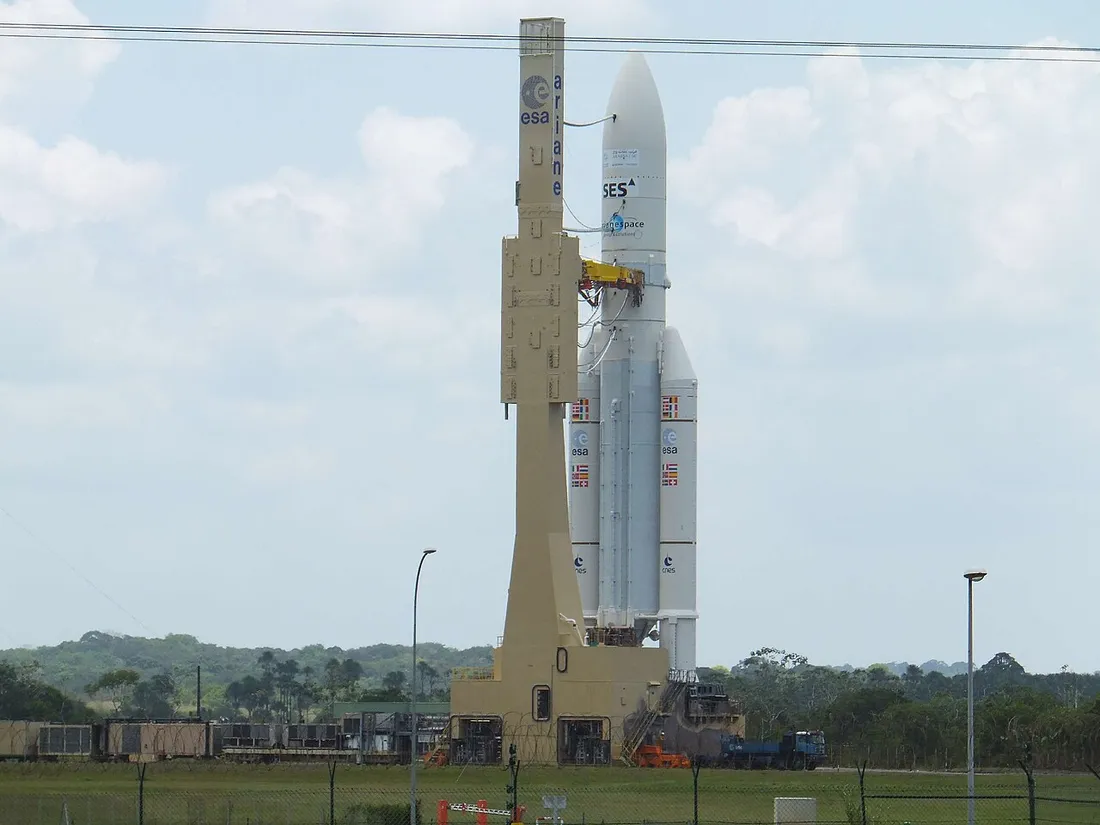
On the space side, the Guiana Space Centre (CSG) in Kourou runs several launch campaigns a year, both Ariane 6 and Vega-C. No window is guaranteed on a precise date months in advance, but February-March remains statistically active. The trick: pick your carnival dates first, then watch the launch calendar once you’re there.
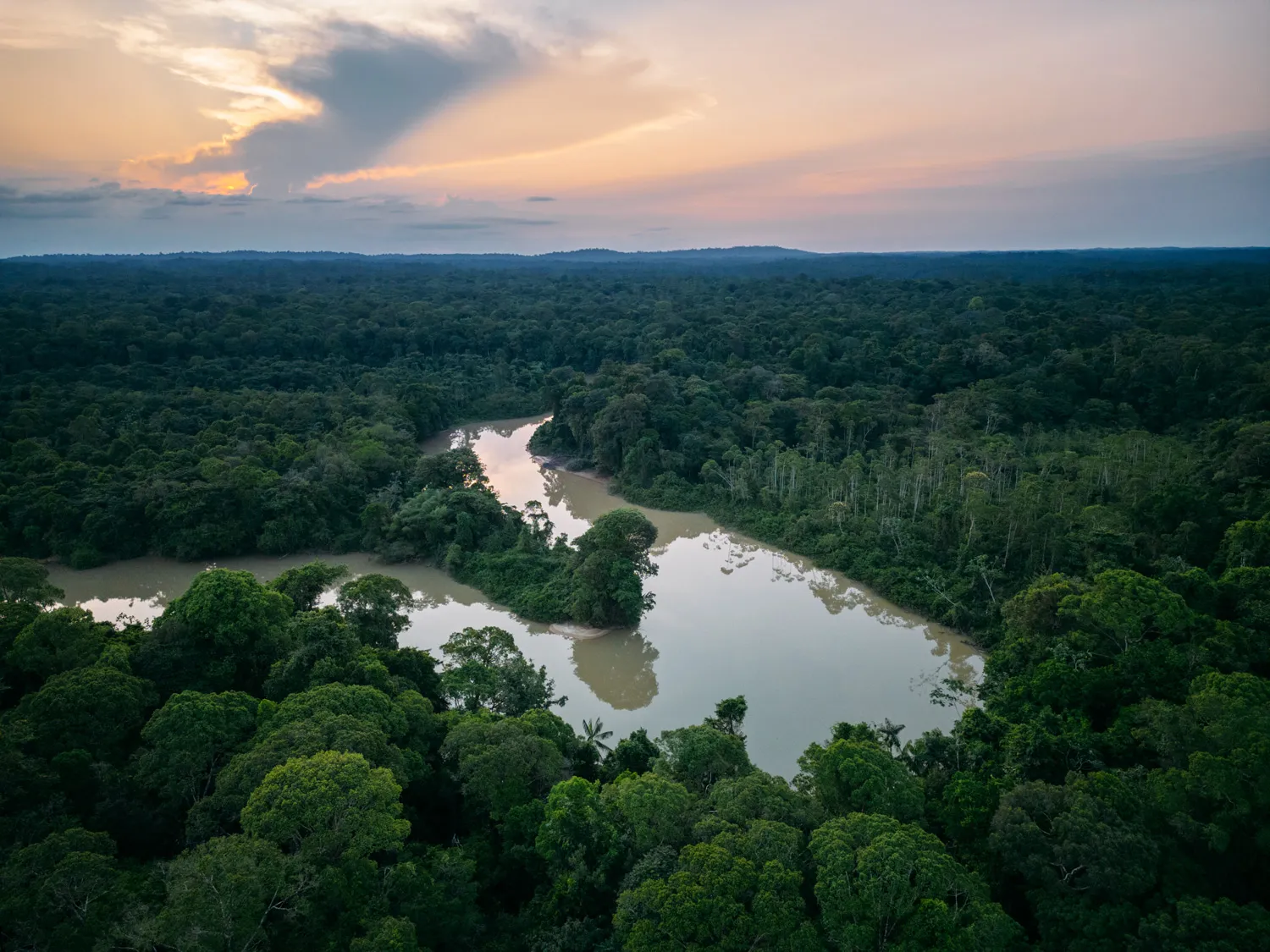
An honest weather note: this is the heart of the rainy season. The true dry season runs from July to late November. In February-March, expect brief, intense tropical downpours, often in the morning. They spoil neither the afternoon parades nor a nighttime liftoff, but they do call for a light rain jacket and quick-drying shoes.
The 7-day dual-base itinerary
The classic mistake is doing everything from Cayenne and enduring the round trip to Kourou (about 65 km, 1h drive on the RN1) for every move. The solution: a dual-base approach, three or four nights in Cayenne for the carnival, then a shift to Kourou around the launch window.
Days 1 to 4 — Cayenne and the heart of the carnival
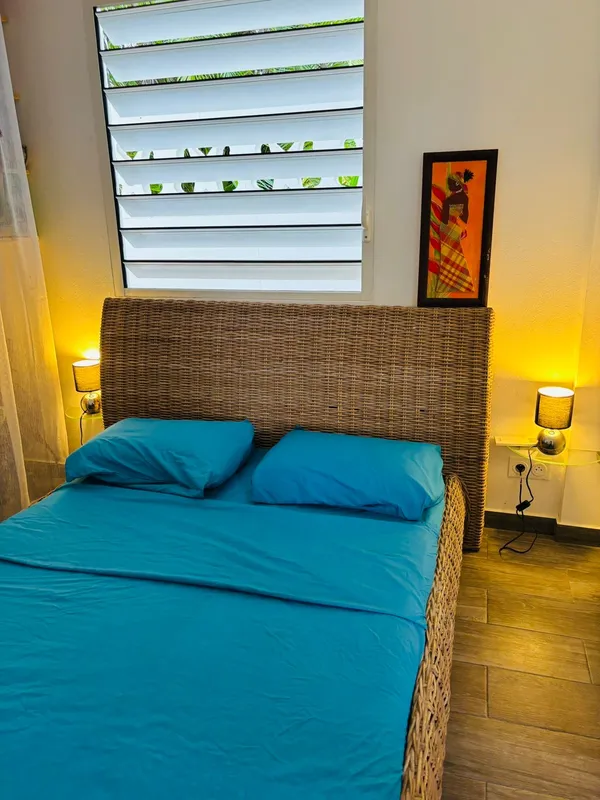
- Day 1: arrival at Félix-Éboué airport (Matoury), pick up the rental car, settle into Cayenne or Rémire-Montjoly. A quiet first evening on the Place des Palmistes.
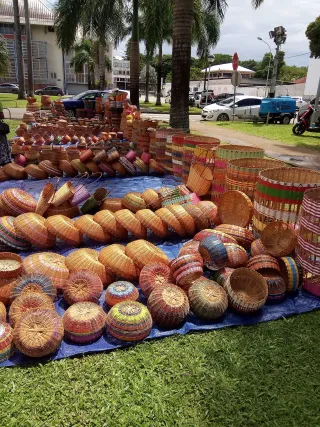
- Day 2: Cayenne market in the morning (Saturday is liveliest: awara bouillon, spices, fruit), exploring the historic centre. In the evening, a first masked ball at one of the “Touloulou universities.”
- Day 3: Sunday, the grand parade through the streets of Cayenne. Walking groups march in the afternoon: Nèg marrons, Diables rouges, floats and orchestras. Stake out your spot early on Avenue du Général de Gaulle.
- Day 4: a gentle recovery day, Salines de Montjoly beach, or a short excursion to Cacao (Hmong community, a renowned Sunday market) about 1h15 from Cayenne.
Days 5 to 7 — Kourou and the launch window
- Day 5: transfer to Kourou. Free tour of the Guiana Space Centre (advance booking required, ID mandatory). The Space Museum nicely rounds out the visit.
- Day 6: a buffer day. If a launch is announced, this is the day to keep free. Otherwise, board for the Îles du Salut from Kourou (catamaran, about a 1h crossing): Île Royale, Île Saint-Joseph and the legendary Île du Diable.
- Day 7: drive back to Matoury for the flight, with a comfortable margin.
Nailing the observation of an Ariane launch
A liftoff is lived, not guaranteed. Here’s what local experience has taught me.
How to secure access
The CSG offers official observation sites for the general public during launches, with registration usually opening a few days before the date, subject to availability. Watch the official CSG and Arianespace announcements. Always bring your ID: without it, no access to the centre’s zones.
The free spots that always work
If the official slots are taken, French Guiana offers open viewpoints:
- The Plage de l’Anse and the Kourou seafront, facing the launch pad.
- The Carbet de Pariacabo and the accessible heights on the Kourou side.
- From certain beaches in Macouria or the road toward Sinnamary, for the liftoff plume.
A nighttime launch lights up the whole coastline: it’s often the most spectacular.
Managing the risk of a scrub
Postponements (“scrubs”) are frequent: weather, high-altitude winds, technical validation. My advice: never schedule your return flight for the day after the announced launch. Keep a 48-hour margin. That’s exactly where the dual-base setup and a flexible booking become decisive.