Understanding French Guiana’s climate month by month is the key to a successful stay in this equatorial territory. Here there is no winter or summer: the temperature swings between 25 and 33 °C all year round, and it’s the rain that sets the rhythm of the calendar. Between the long rainy season from April to June and the dry season from mid-July to mid-November, the very same trip can be radically different. After several years welcoming travellers between Cayenne, Remire-Montjoly and Kourou, here is our on-the-ground reading, with the figures that really matter.
French Guiana’s equatorial climate in brief
French Guiana is the only French territory located in the Amazon, around 5° north of the equator. In practical terms, that means:
- Stable temperatures all year round: an average of 26-27 °C in Cayenne, with peaks of 33-34 °C in October and night-time lows rarely below 22 °C.
- Permanent humidity: relative humidity between 80 and 90 % for most of the year. Laundry dries poorly, cameras fog up, and the heat always feels stronger than the thermometer reads.
- Massive rainfall: 3,000 to 3,700 mm of rain per year in Cayenne, roughly five times more than in Paris. But this rain falls mostly in violent, short downpours, not in continuous drizzle.
- No cyclones: unlike the French West Indies, French Guiana lies outside the cyclone zone. That’s a genuine reason to travel with peace of mind, even in the wet season.
- A sun that rises and sets around 6:30 a.m. - 6:45 p.m. all year round (a -5 h time difference in winter, -6 h in summer compared with Paris).
The local calendar distinguishes four periods: the short rainy season (mid-November to February), the “March mini-summer”, the long rainy season (April to June) and the dry season (mid-July to mid-November).
French Guiana’s climate month by month: our field chart
Here are the orders of magnitude recorded at Cayenne-Matoury (the Félix-Eboué airport station), refined by our experience hosting on the spot.
December to February: the short rainy season
- Rainfall: 300 to 400 mm/month, mostly late in the day and at night.
- Temperatures: 24-30 °C, the relative “cool spells” of the year.
- Atmosphere: sudden downpours of 30 to 60 minutes, then the sun returns. Mornings are often clear until 11 a.m.
This is the season of the Guianese Carnival (from Epiphany to Ash Wednesday), one of the longest in the world. The Sunday parades in Cayenne are easily enjoyed between two showers. Book early: accommodation in Cayenne and Remire-Montjoly goes fast in January-February.
March: the mini-summer, the little-known dry window
A typically Guianese phenomenon: the Intertropical Convergence Zone shifts temporarily northward and offers 2 to 4 weeks of dry weather in the heart of the wet season. Rainfall drops back to around 200-250 mm and the sun takes over.
It’s an excellent window for the Salvation Islands (often calm seas departing from Kourou, around €45 to €60 for the round trip by catamaran) or a first outing to the Kaw marshes. Be aware: this mini-summer varies from one year to the next, from ten days to three weeks.
April to June: the long rainy season
- Rainfall: the peak of the year, 400 to 550 mm/month, with May often in the lead.
- Humidity: 88-90 %, the annual maximum.
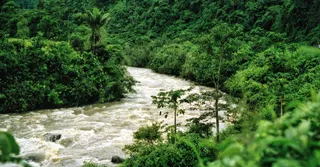
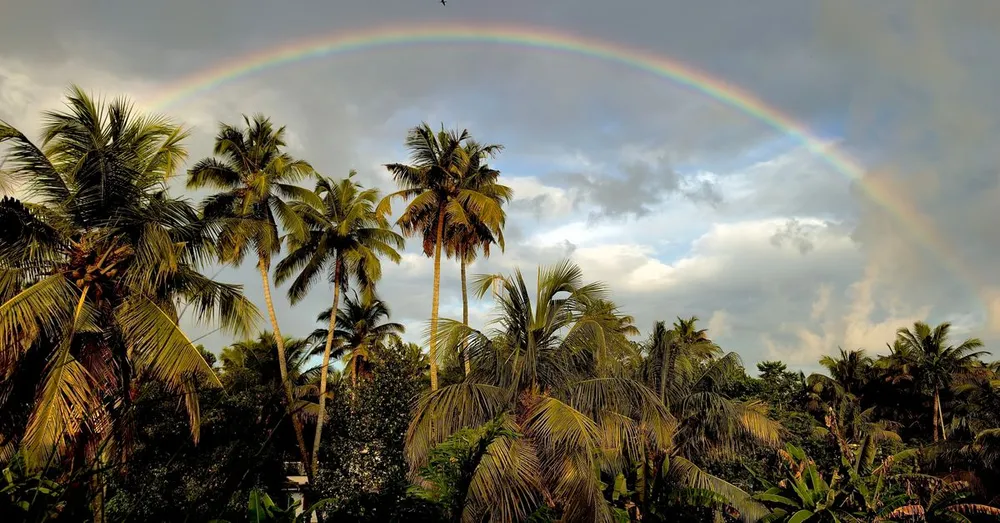
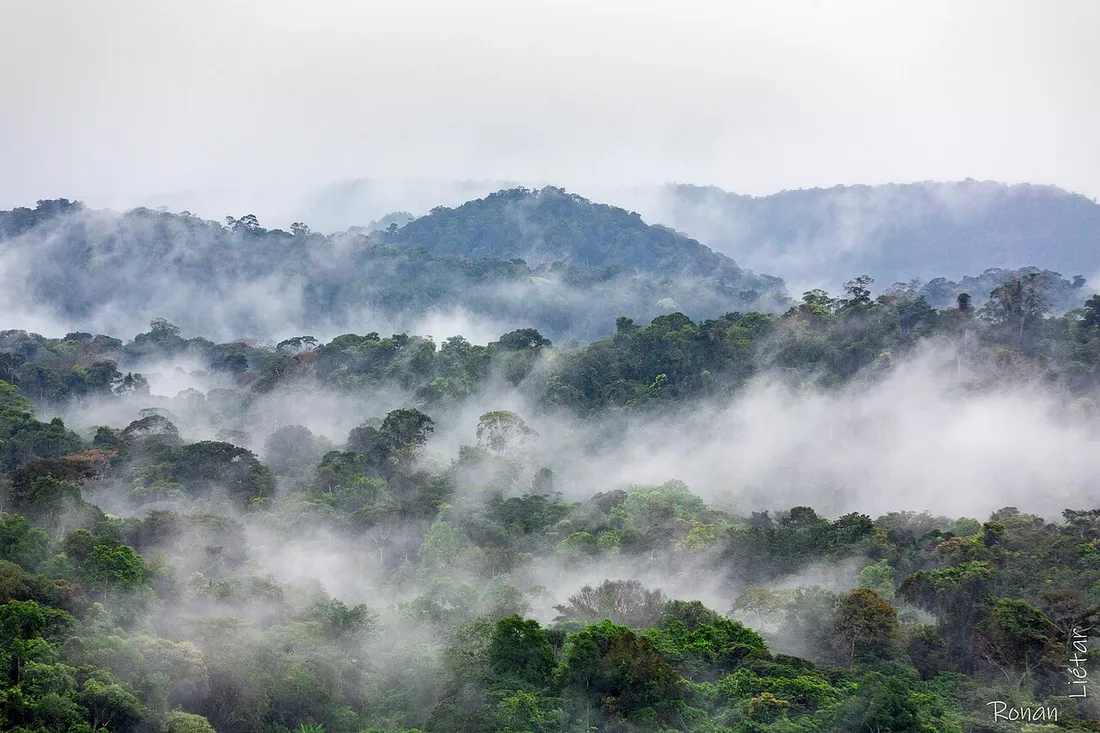
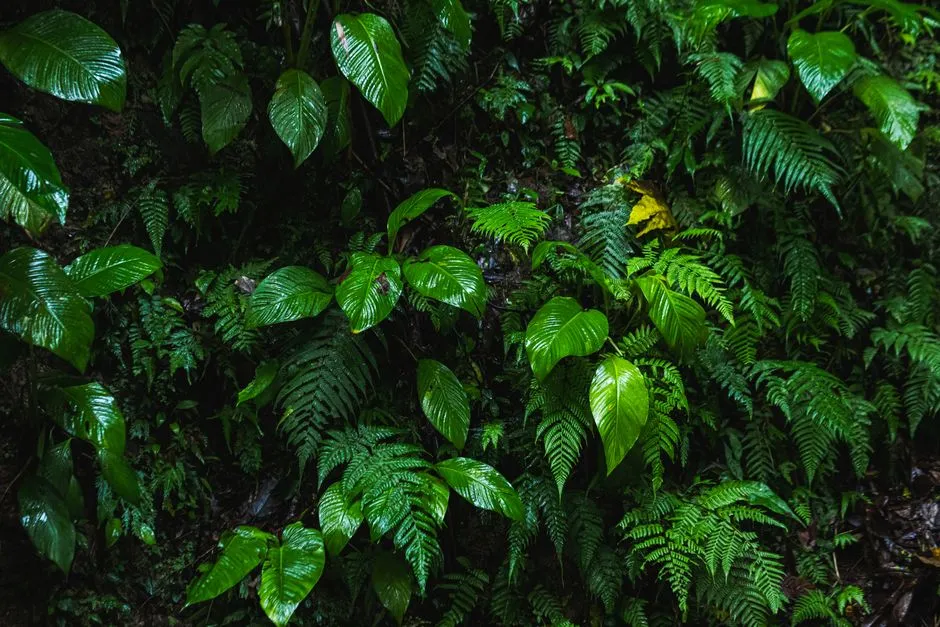
- Atmosphere: spectacular skies, swollen rivers, forest of an unreal green.
Frankly, this isn’t the ideal time for a first stay: muddy tracks to Kaw or Cacao, forest outings sometimes cancelled, laundry that never dries. But this season has two major assets: leatherback turtles nest at Awala-Yalimapo from April to July (the sight of a 400 kg female on Yalimapo beach justifies the trip), and prices are at their lowest, with Paris-Cayenne flights sometimes under €600 round trip compared with €900 to €1,200 in high season. The Maroni, at high water, is also easier to travel up by dugout canoe.
Mid-July to mid-November: the dry season, the best period
- Rainfall: it collapses, from 150 mm in July to just 30-60 mm in September-October, the two driest months.
- Temperatures: the hottest of the year, 33-34 °C in the afternoon in October.
- Humidity: it falls to around 75-80 %, which changes everything in how it feels.
This is THE window to do everything: the Nouragues reserve, the eastern road towards Roura and Cacao (the Hmong Sunday market, 75 km from Cayenne, is a must), the Camp de la Transportation in Saint-Laurent-du-Maroni (guided tour around €8), the Salvation Islands, and of course the Guiana Space Centre at Kourou, whose visit is free with a reservation. An Ariane 6 or Vega launch during your stay? Jackpot — but accommodation in Kourou gets very tight during those weeks.
A small caveat for October: the dry heat hits hard between 11 a.m. and 3 p.m. Plan outdoor activities for the morning and favour air-conditioned accommodation.
Mid-November: the gradual return of the rains
The first heavy downpours generally return in the second half of November. The month remains very good for travelling, with prices starting to drop.
Our concrete tips for coping with the Guianese climate
Packing and health
- Yellow fever vaccination required (yellow card mandatory), at least 10 days before departure, around €60 to €80 at a vaccination centre.
- Light, quick-drying clothing; a compact rain jacket rather than an umbrella, which is useless in an equatorial downpour.
- Mosquito repellent all year round, stronger in the rainy season.
- Waterproof pouches for phone and documents: a May shower can dump 50 mm in an hour.
Logistics
- A car is indispensable in any season: budget €35 to €55/day to rent at Félix-Eboué airport (Matoury). In the long rainy season, check the condition of the tracks towards Kaw or Cacao.
- The distances are real: Cayenne-Kourou 60 km (1 h), Cayenne-Saint-Laurent-du-Maroni 250 km (3 h to 3 h 30).
- Book nature outings (Kaw, Nouragues, dugout canoe) several days in advance during the dry season.
To plan your whole itinerary, our complete guide to French Guiana details region by region the activities and access depending on the season.
Which period to choose according to your travel profile
- First stay, full programme: mid-August to late October, the heart of the dry season.
- Tight budget: April to June, flights and accommodation at their lowest, with leatherback turtles as a bonus.
- Festivities and culture: January-February for the Carnival.
- Photography and lush nature: May-June, dramatic light and forest saturated with green.
- Space enthusiasts: any time, by aligning your dates with the CSG launch calendar.
When it comes to accommodation, Guianese weather imposes precise criteria: reliable air conditioning, mosquito nets, a covered terrace to enjoy the showers in the dry. That’s what we select in our rentals in French Guiana in Cayenne, Remire-Montjoly, Matoury and Kourou: direct booking with no platform fees, free cancellation up to 7 days before arrival, and 7-day WhatsApp support from our team on site — handy when you have to rearrange a Kaw outing cancelled due to a flooded track.
Do you own a property in French Guiana? The marked seasonality (dry season, Carnival, launch weeks) is managed with dynamic pricing: discover our support on the owners page.
FAQ
What is the best time to visit French Guiana?
The dry season, from mid-July to mid-November, with a peak of sunshine in September-October (only 30 to 60 mm of rain per month). All activities are accessible: the Salvation Islands, the Kaw marshes, the Space Centre, forest hikes. It’s also the most in-demand period: book flights and accommodation 3 to 4 months in advance.
Does it really rain all the time during the rainy season?
No. Even in May, the wettest month, the rain falls mainly in intense downpours of 30 minutes to 2 hours, often late in the day or at night. Mornings frequently remain usable. On the other hand, the ambient humidity (around 90 %) is permanent and some laterite tracks become difficult.
Is it very hot in French Guiana?
Temperatures are stable: 25 to 33 °C all year round, with a high “feels-like” because of the humidity. October is the hottest month (peaks at 34 °C). Nights stay around 22-24 °C; air-conditioned or well-ventilated accommodation with a mosquito net makes a real difference to sleeping comfort.
Are there cyclones in French Guiana?
No, French Guiana is located outside the Atlantic cyclone zone, unlike the French West Indies. It’s one of the territory’s great advantages: no time of year is dangerous in terms of weather, only more or less rainy.