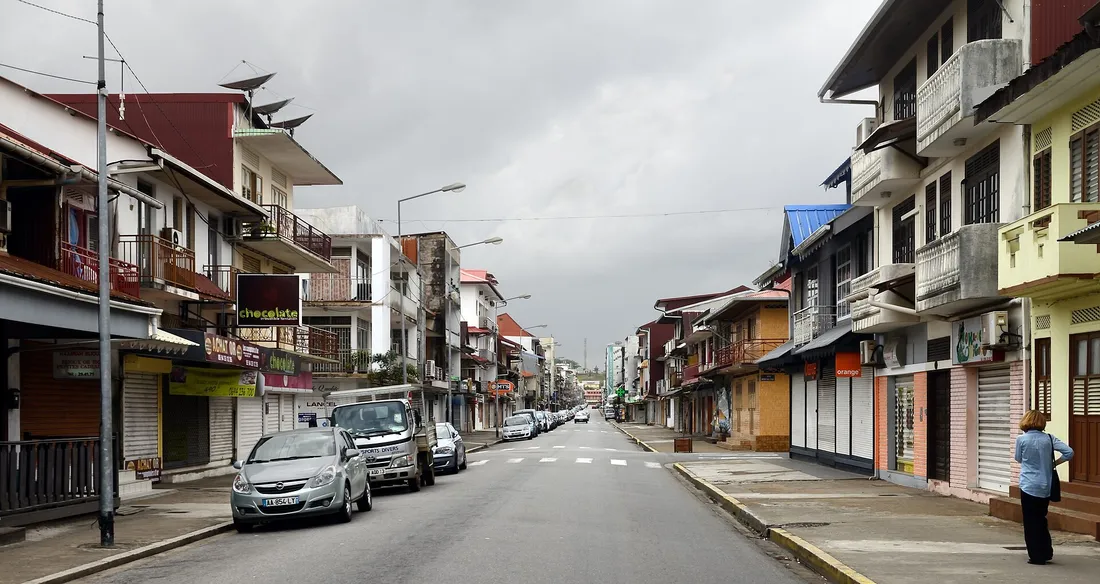
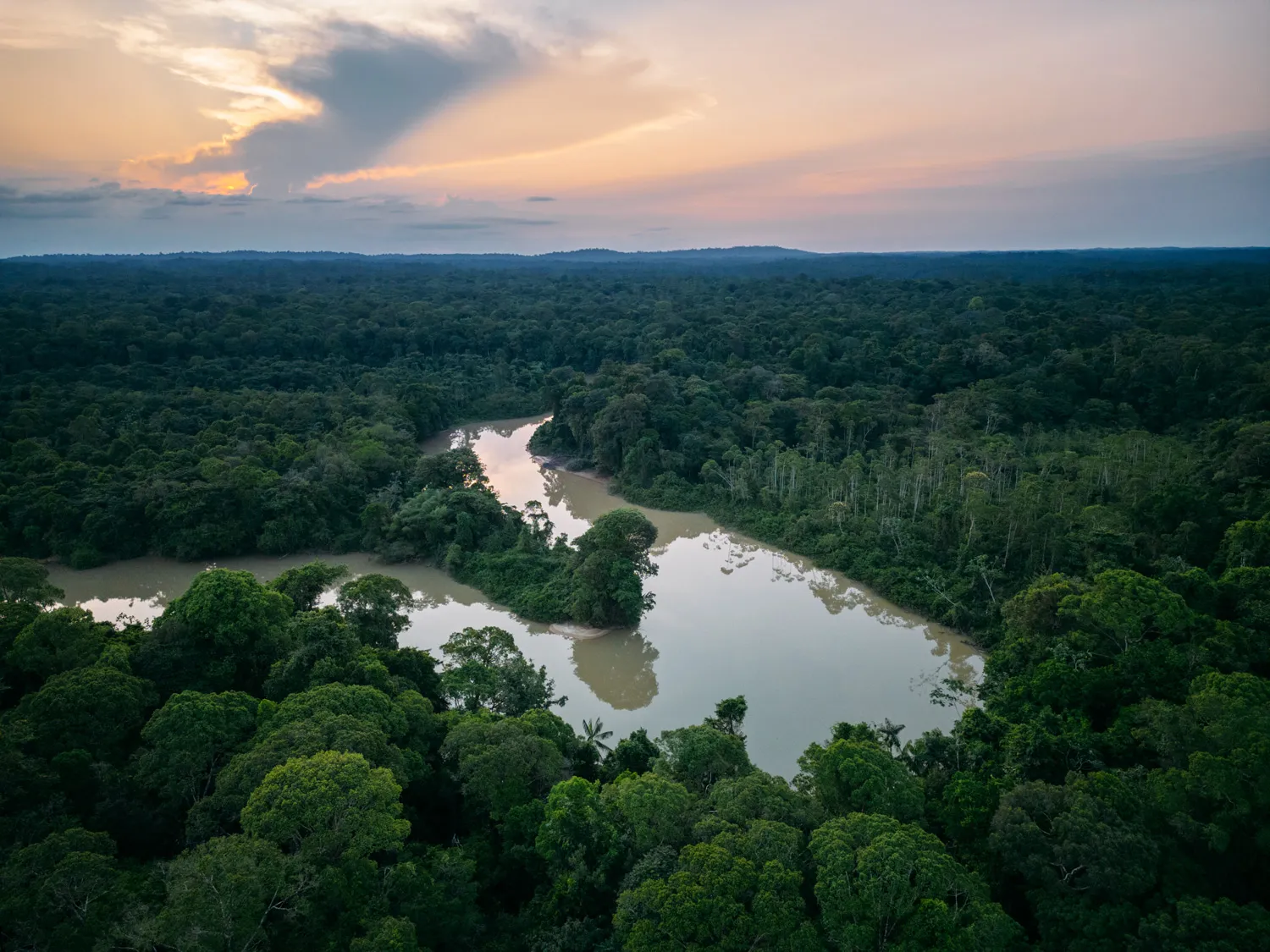
Sending a team on a construction assignment to Guadeloupe, Martinique or French Guiana raises a question that is anything but trivial for a works director or an administrative manager: where do you house the tradespeople, site managers and engineers, sometimes for several months, with clean invoicing and supporting documents that pass an accounting audit? Between the classic hotel — often full, expensive over the long term and poorly suited to team life — and short-term rentals between private individuals, which are hard to invoice in the company’s name, para-hotel accommodation occupies a place of its own. This article details the specifics of construction crew housing overseas and what sets an offering designed for businesses apart from a simple holiday rental.
Why construction work overseas has specific housing needs
Construction sites in the French overseas departments (DOM) come with constraints rarely found in mainland France. Supply logistics take longer, deadlines stretch out, and assignments frequently exceed the length of a simple business trip.
In practical terms, construction crew housing must meet several requirements:
Long stays: construction projects rarely last a weekend. We’re talking weeks, or even several months of continuous presence.
Teams to be housed together or nearby: site managers, works supervisors, tradespeople and subcontractors who sometimes need to share common areas.
Flawless business invoicing: the accounting department needs an invoice in the company’s name, with the expected legal information.
Living comfort: after physically demanding days under a tropical climate, having a kitchen, a washing machine and a genuine place to rest makes all the difference to team morale and productivity.
These needs explain why more and more construction companies are turning to furnished para-hotel accommodation rather than the traditional hotel.
The para-hotel differentiator: invoicing in the company’s name
This is the point that makes all the difference for a finance department. A rental between private individuals (via a holiday platform) generally does not allow you to obtain a compliant invoice in the company’s name. And without a proper invoice, the expense report becomes a headache, or even grounds for a tax adjustment.
A compliant invoice, not just a receipt
A professional para-hotel host issues a genuine business invoice, including the usual legal information:
the name and address of the client company;
the host’s SIRET number;
the breakdown of services (nights, period, associated services);
the amount excluding tax, VAT where applicable and the total including tax;
the terms and method of payment.
This invoice integrates directly into the company’s accounts and secures the deductibility of the expense. It’s exactly the kind of document a chartered accountant or a management controller expects.
Expense reports and supporting documents
For the employee on assignment as well as for the employer, the expense report must be documented. Para-hotel accommodation provides the necessary supporting documents (invoice, possible availability agreement), which avoids back-and-forth and corrections. The housing expense is thus clearly tied to the construction project concerned.
Payment by bank transfer: the standard businesses expect
Few companies like to settle accommodation costs of several thousand euros using an employee’s personal card, leaving it up to them to be reimbursed. Bank transfer is the preferred method in B2B: it leaves a clear accounting trail, fits internal payment terms and suits the high amounts of long stays.
A host used to professional clients naturally offers payment by bank transfer, sometimes with a deposit at booking and the balance on due date. This contractual flexibility is a hallmark of an offering genuinely designed for businesses.
VAT and para-hotel accommodation: what you need to know
Para-hotel accommodation differs from classic furnished rentals through the provision of additional services (reception, cleaning, linen supply, etc.). This classification can have consequences in terms of VAT.
As a guide, and without replacing your chartered accountant’s advice:
Accommodation falling under the para-hotel regime may be subject to VAT, which opens the possibility, for a taxable client company, to recover the VAT on the accommodation under the conditions provided by the regulations.
The applicable rates and deductibility rules depend on the exact nature of the services and each party’s situation.
Overseas, certain specific VAT regimes may apply depending on the territory (French Guiana and the French West Indies do not all fall under the same rules).
The key message: always ask for a detailed invoice showing VAT when it applies, and have the tax treatment validated by your accountant. A serious host will be able to provide you with the appropriate documents.
Long stays: sliding-scale rates and housing designed for living
A construction project that lasts calls for housing where you can genuinely settle in. This is where furnished para-hotel accommodation really makes sense compared to a hotel.
Sliding-scale rates over time
On a long assignment, the pricing logic changes. Where a hotel charges a fixed nightly rate, para-hotel accommodation can offer sliding-scale monthly rates: the longer the stay, the lower the cost per night. As a guide, the budget for furnished housing over several weeks is often calculated on a monthly basis rather than per night, which significantly reduces the overall bill compared to an equivalent hotel over the same period.
A real living space for teams
Well-designed assignment housing offers what a hotel does not:
a fully equipped kitchen to prepare meals and keep the catering budget under control;
a washing machine — essential when you wear work clothes every day;
common areas for the team, conducive to cohesion after work;
parking for construction or rental vehicles;
a location chosen based on proximity to the site.
This comfort is not a luxury: it weighs directly on fatigue, recovery and therefore on the effectiveness of the tradespeople on site.
Territory-specific factors: Guadeloupe, Martinique, French Guiana
Each territory has its own realities, and assignment housing must adapt to them.
Guadeloupe and Martinique
In the French West Indies, major construction sites often concentrate around urban areas and economic hubs (the Pointe-à-Pitre and Fort-de-France conurbations, business zones). With hotel demand being high, particularly during the peak tourist season, booking para-hotel accommodation in advance secures stable housing for the entire duration of the project, without being subject to pressure on hotel availability.
French Guiana
French Guiana has its own particular dynamics: infrastructure projects, space programs, developments in areas sometimes far from centers. The distances and the vast extent of the territory make the housing’s proximity to the site decisive. Stable accommodation that can be invoiced in the company’s name, for the entire duration of the assignment, avoids repeated hotel changes and simplifies team logistics.
Across all three territories, the constant remains the same: companies are looking for a single point of contact, able to provide quality housing, clean invoicing and flexible booking over time.
How to properly prepare housing for your construction assignment
Anticipating housing means avoiding unpleasant budget and administrative surprises. Here is a checklist to go through before booking:
Estimate the actual duration of the assignment (and allow a margin in case of construction delays).
Determine the number of people to house and the need for separate rooms/units.
Check that the host issues an invoice in the company’s name with all the legal information.
Confirm the possibility of payment by bank transfer and the deposit/balance terms.
Ask whether VAT applies and how it appears on the invoice.
Make sure the key amenities are present: kitchen, washing machine, parking.
Choose housing close to the construction site to limit travel times.
Negotiate a sliding-scale rate suited to the length of the assignment.
Book early enough, especially during periods of high demand.
Careful preparation lets you present the accounting department with a clean file from the outset, and offer teams living conditions worthy of the effort demanded on the ground.
Para-hotel or hotel: which to choose for an assignment?
The choice depends mainly on the duration and the size of the team. For a one- or two-night solo trip, a hotel remains simple. But as soon as the assignment stretches over several weeks or involves several people, furnished para-hotel accommodation takes the advantage:
controlled cost thanks to duration-based rates;
business invoicing and VAT recovery where applicable;
autonomy (kitchen, linen, laundry);
stability: a single dwelling for the whole assignment.
This is precisely the positioning of our property management and our properties: an offering designed for long-term professional stays in Guadeloupe, Martinique and French Guiana, with the administrative rigor that businesses expect.
Frequently asked questions
Can I get an invoice in my company’s name?
Yes. This is precisely the strength of para-hotel accommodation compared to a rental between private individuals. The invoice is issued in your company’s name, with the legal information (host’s SIRET, breakdown of services, amounts excl. tax/VAT/incl. tax), which makes it directly usable in accounting and expense reports.
Is payment by bank transfer possible for a long assignment?
Yes, bank transfer is the preferred payment method in B2B and is perfectly suited to the amounts of a long assignment. A deposit at booking followed by the balance on due date is common practice. Feel free to contact us to define the terms suited to your business.
Can VAT be recovered on the accommodation?
When the accommodation falls under the para-hotel regime subject to VAT, a taxable company can, under the conditions provided by the regulations, recover the VAT on the accommodation service. The rules and rates depend on the nature of the services and the territory concerned: always have the treatment validated by your chartered accountant, and ask for an invoice showing the VAT.
Are the properties suitable for housing several tradespeople?
Yes. Depending on the needs, it is possible to house a team in a single dwelling with common areas, or to book several properties nearby. The amenities (kitchen, washing machine, parking) are designed for the daily life of a team on assignment.
How far in advance should you book?
It depends on the period and the territory. During the peak tourist season in the French West Indies, demand is high: it’s best to book as early as possible to secure stable housing for the entire duration of the project. For a long assignment, planning several weeks ahead is recommended.
Are you preparing a construction project in Guadeloupe, Martinique or French Guiana and need to house your teams in professional conditions? For a tailored business quote — invoicing in your company’s name, payment by bank transfer, sliding-scale long-stay rates — simply contact us. You can also browse the blog for more advice on accommodation and overseas stays.
Nous utilisons des cookies de mesure d'audience et de publicité pour améliorer votre expérience
et nos campagnes. Vous pouvez accepter ou refuser. Voir notre
politique de confidentialité.