On the banks of the Maroni, the border river that separates French Guiana from Suriname, lives a culinary culture still little known to travelers: Bushinengue cuisine in French Guiana. Inherited from the Maroon peoples — those African slaves who escaped the Dutch plantations in the 18th century to found free societies deep in the forest — this table tells a story of resistance, adaptation to the river and transmission. When you travel up the Maroni by pirogue from Saint-Laurent, you don’t just discover landscapes: you taste a living memory. Here is a guide to understanding and savoring this heritage, on the Saint-Laurent-du-Maroni side.
Who are the Bushinengue of the Maroni?
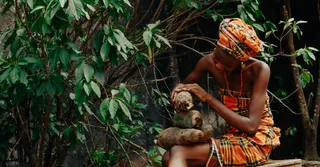
The term “Bushinengue” (sometimes written Bushinenge, literally “people of the forest” in Taki-Taki) refers to the descendants of the Maroons. On the Maroni, several groups live side by side: the Aluku (or Boni), the Ndjuka, the Saramaka and the Paramaka. Each has its own dialects, songs and recipes, but all share an intimate relationship with the river, which provides fish, water and the route for travel.
These communities have shaped a language, Bushinenge Tongo, which is among the recognized languages of French Guiana alongside French, Guianese Creole and the Amerindian languages. To understand their cuisine is to grasp how people on the run rebuilt, in the heart of the Amazon rainforest, an African civilization adapted to the New World.
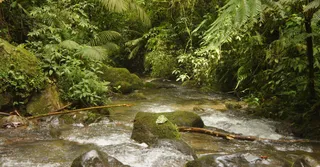
The river as a pantry
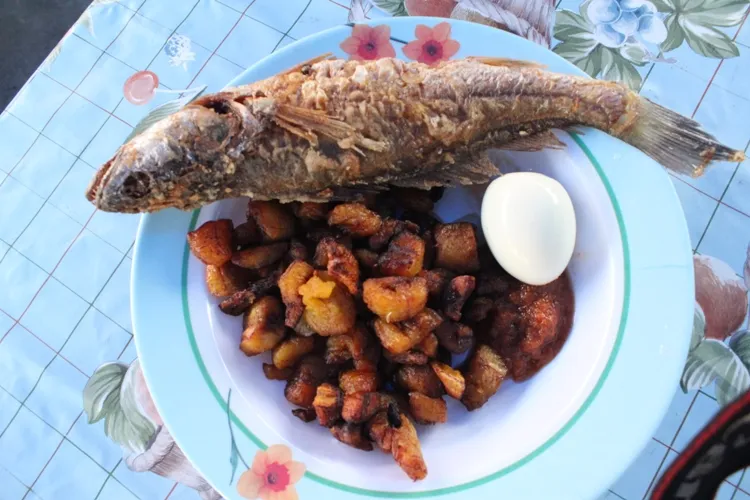
Everything here comes from the Maroni. River fish — aïmara, coumarou, machoiran — form the protein base. The women pound cassava to make flatbread and couac (toasted semolina), while the abattis (plots cultivated by slash-and-burn) provide yams, taro and plantains. Chili pepper, ever-present, is not an accessory: it is the soul of the dish.
The signature dishes to try
Here are the must-haves of an authentic Bushinengue table, the ones you’ll find in the small family restos of Saint-Laurent and in the villages along the river.
- Pimentade: the signature dish. A river-fish broth simmered with chili pepper, tomato, onion, garlic and lime juice. Served with rice or couac, it is a concentrate of Amazonian flavors. Expect to pay 12 to 18 € a plate in a local resto.
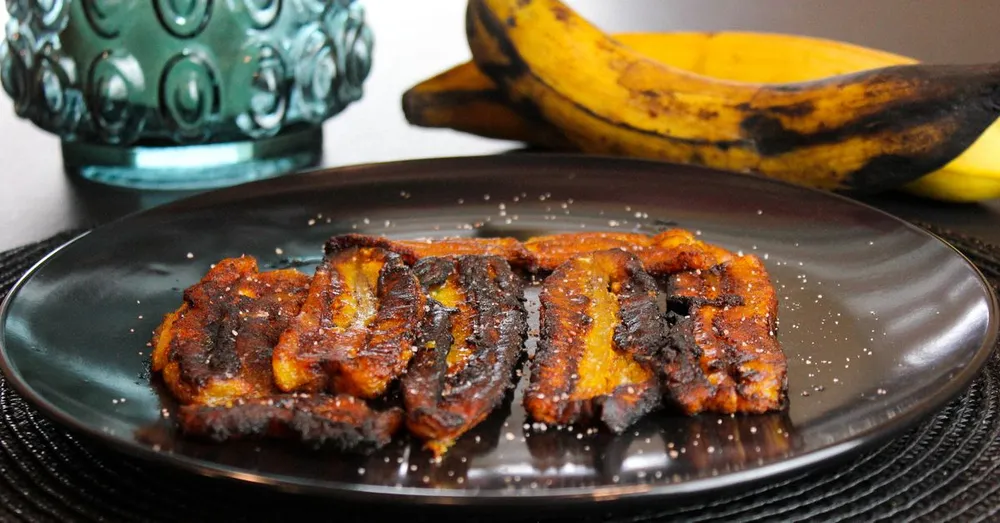
- Aloko: ripe plantains, sliced and fried until caramelized. Sweet and savory, soft inside, crisp outside. The universal side dish, inherited directly from West African cuisine.
- Smoked fish (poisson boucané): slowly smoked over a wood fire, an essential preservation technique before the arrival of refrigeration on the river.
- Tonkin (foutou-like): a paste of pounded plantain or yam, served with a spicy sauce.
- Migan: a stew of country vegetables with salt cod or fish, thick and comforting.
Drinks and sweets
Don’t leave without tasting comou juice (from the wassaï/comou palm fruit, close to açaí), maracudja juice (passion fruit) or a homemade cane syrup. On the sweet side, plantain fritters and coconut treats set the rhythm of the markets.
Saint-Laurent-du-Maroni: gateway to the Maroon table
Saint-Laurent-du-Maroni, about 250 km from Cayenne (3 to 3.5 hours of driving on the RN1, a car is essential), is the second-largest town in French Guiana and the best starting point. Known for its Camp de la Transportation, a relic of the penal colony, the town blends penitentiary history with the living culture of the river.
Where to eat Bushinengue food
- The Saint-Laurent market (mornings, especially Wednesday and Saturday): the beating heart. Here you’ll find river fish, couac, chili peppers, Amazonian fruits and prepared dishes to take away for a few euros.
- The riverside carbet-restaurants: a family atmosphere, fresh pimentade, a view over the pirogues.
- The villages of the Maroni: Apatou, Grand-Santi or the accessible riverbanks reachable by pirogue, where you sometimes share a meal in a local home.
Traveling up the Maroni by pirogue
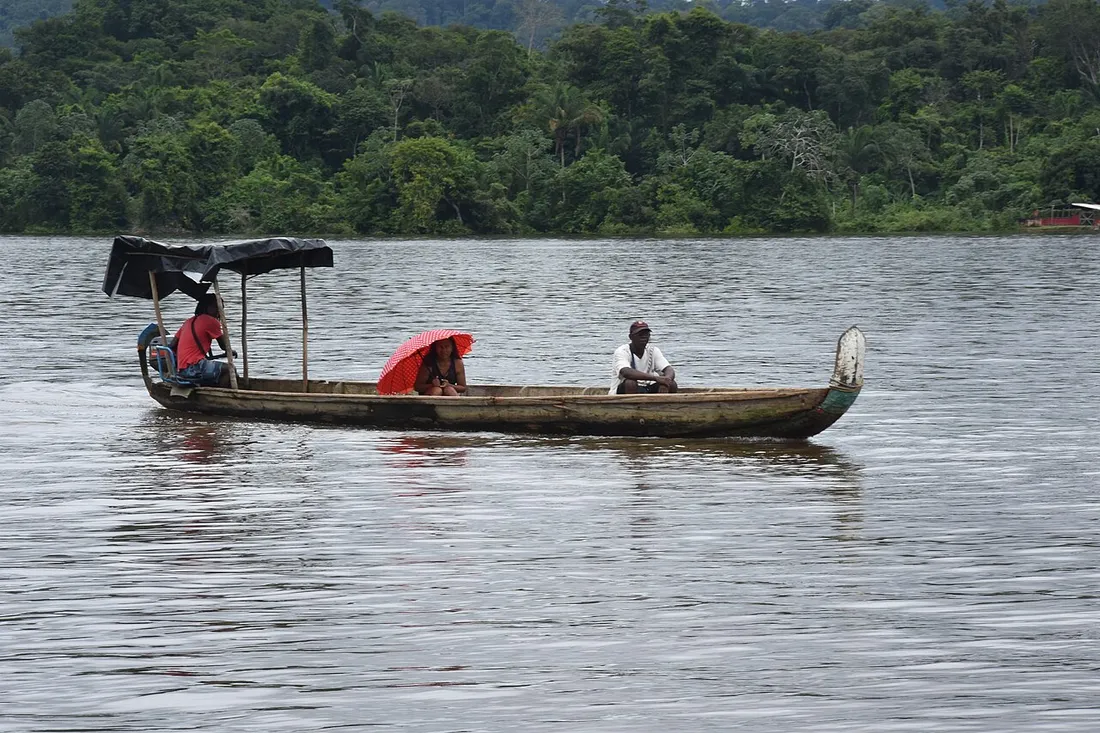
The experience not to be missed: a pirogue excursion on the river. A half-day usually costs 40 to 70 € per person depending on the route and the number of passengers. You follow the Surinamese border, watch the sauts (rapids) and stop in a village to enjoy a river meal. Book through a local pirogue captain or an operator in Saint-Laurent; negotiate the group rate.
Tembé: the art you eat with your eyes
It’s impossible to talk about Bushinengue culture without mentioning tembé, that graphic art of colorful geometric motifs that adorns pirogues, paddles, façades, furniture and even the benches of restaurants. Each interlacing pattern has a meaning — love, protection, family bond. At the Saint-Laurent markets and in the workshops of certain craftspeople, you can buy objects painted with tembé: excellent souvenirs, provided you favor pieces made by local artisans. Expect to pay 15 to 40 € for a small hand-painted piece.
Tasting a pimentade from a plate set on a table decorated with tembé means living the Maroon heritage in all its coherence: food, art and history become one.
Practical tips for your culinary getaway
- Best time to go: the dry season, from mid-July to mid-November. The river is navigable, the trails are passable and the markets are well stocked.
- Time difference: -5h in winter, -6h in summer relative to Paris. Factor it in for your reservations.
- Yellow fever vaccination is mandatory to enter French Guiana. Also bring mosquito repellent — the Maroni is a humid zone.
- A car is essential: from Félix-Éboué airport (Matoury), rent a vehicle to reach Saint-Laurent. No reliable public transport serves the West.
- Phone code: +594. Currency: the euro (French Guiana is a French overseas region).
- Respect: always ask before photographing in a village; the Bushinengue welcome is warm, but discretion is appreciated.
Combine with the highlights of the West
Make the most of the trip to visit Awala-Yalimapo (leatherback turtle nesting, from April to July), about thirty kilometers from Saint-Laurent, and the Camp de la Transportation. Further east, on the road from Cayenne, don’t miss the Guiana Space Centre in Kourou (free visit, Ariane 6 and Vega launches) and the Salvation Islands.
Where to stay to explore the Maroni
To move easily between markets, river and villages, it’s best to have a comfortable, well-located base. Hostel Toucan offers accommodations in French Guiana with direct booking and no platform fees, free cancellation up to 7 days before arrival and WhatsApp assistance 7 days a week to point you toward the right pirogue captains and local restos. Discover our selection of accommodation in French Guiana, prepare your stay with our complete guide to French Guiana, and if you own a property in the region, entrust its management to our concierge service for owners.
The Bushinengue cuisine of the Maroni is not just a meal: it is a gateway to one of the most singular cultures of French Amazonia. Steaming pimentade, caramelized aloko, tembé motifs and the waters of the river make up an experience that few travelers know. On the Saint-Laurent side, it awaits you.
FAQ
What exactly is Bushinengue cuisine?
It’s the cuisine of the Maroon peoples (descendants of escaped African slaves) settled along the Maroni in French Guiana. It draws on river fish, cassava, plantain and chili pepper, with signature dishes like pimentade and aloko, a direct heritage of West African traditions adapted to the Amazon.
Where can you eat Bushinengue food in Saint-Laurent-du-Maroni?
The Saint-Laurent market (Wednesday and Saturday mornings) is the ideal place to taste prepared dishes and river products. The carbet-restaurants along the Maroni serve fresh pimentade, and certain villages reachable by pirogue offer meals in local homes.
What is the best time to visit the Maroni?
The dry season, from mid-July to mid-November, is ideal: the river is navigable, the trails are passable and the markets are well stocked. The yellow fever vaccine is mandatory and a car is essential from Félix-Éboué airport.
What is tembé art?
Tembé is the Bushinengue graphic art made of colorful geometric motifs that adorn pirogues, furniture and objects. Each motif carries a symbolic meaning (love, protection, family bond). It is bought as a souvenir at the Saint-Laurent markets, from 15 to 40 € for a small hand-painted piece.