Running in French Guiana means taking on a challenge few mainland runners ever face: pounding the asphalt or a forest track in 85% humidity, with the mercury already flirting with 30 °C at sunrise. The Cayenne Half Marathon is its showcase event, but it’s only the tip of a packed Amazonian sports calendar, where road races, primary-forest trails and inter-departmental challenges all take their turn. As a local resident and an organiser of trips for runners for several years now, I’m sharing here a realistic calendar of these events and, above all, my concrete advice for choosing the right accommodation, close to the start lines.
Why come and run in French Guiana
French Guiana is a French overseas department and region (DROM) in South America, with Cayenne as its main town and around 290,000 inhabitants. You pay in euros, you’ll hear French spoken alongside Guianese Creole, Bushinengue languages and Amerindian languages, and the time difference with Paris is -5 h in winter and -6 h in summer. The phone dialling code is +594.
For a runner, the decisive factor isn’t the change of scenery but the climate. The dry season, from mid-July to mid-November, remains the best window: tropical downpours grow further apart, the trail tracks dry out, and organisers concentrate most events in this slot. In practical terms, plan for:
- A running pace adjusted down by 20 to 40 seconds per kilometre compared with your mainland tempo.
- Increased hydration (one aid station every 2.5 km on average in urban races).
- An ideal acclimatisation period of 4 to 5 days before the event, which also lets you manage the time difference.
To plan the rest of your stay beyond the race bib, our complete guide to French Guiana covers formalities, transport and must-sees.
The Cayenne Half Marathon: what you need to know
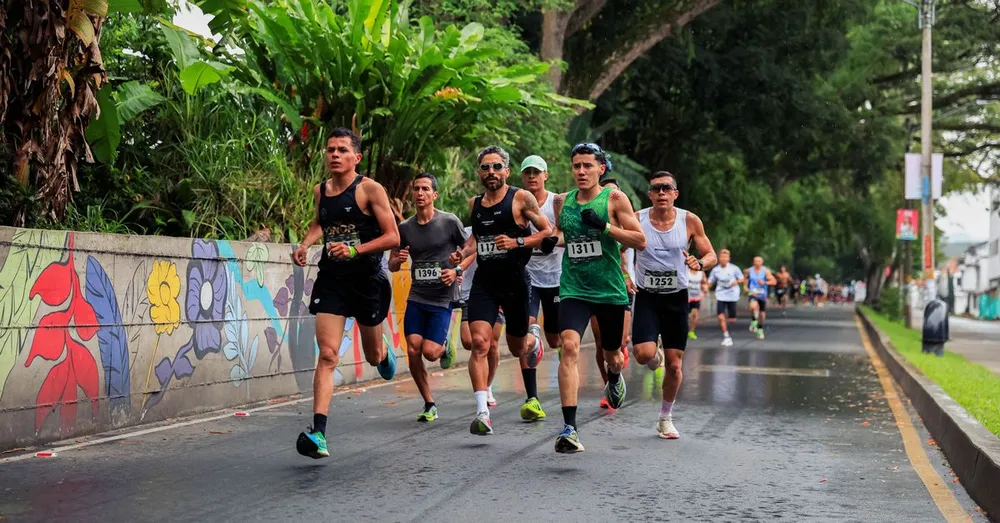
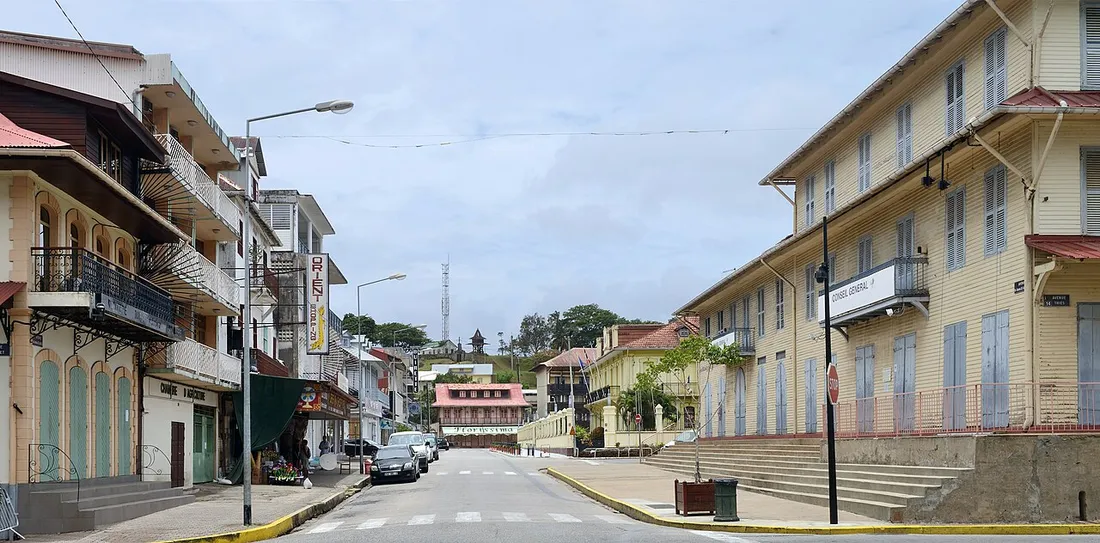
The flagship of the urban calendar, the Cayenne Half Marathon is usually run in the dry season, over a classic 21.1 km format, often paired with a 10 km race and a popular walk open to families. The route hugs the seafront and the historic centre: the usual start is around the Place des Palmistes, passing the Quais and the Montjoly area, with that famous false flat along the Atlantic where the wind can help just as much as it can break your rhythm.
Profile and difficulty
The urban course is fast and flowing, with no notable elevation gain, but the heat makes it a tougher event than it looks. A few concrete markers:
- Early start (often 5:30–6 a.m.) to avoid the peak heat.
- Registration fee indicatively €25 to €40 for the half, around €15 to €20 for the 10 km.
- Average finish time noticeably slower: a runner who clocks 1 h 45 on the mainland often runs around 1 h 55–2 h here.
Lodging well for race day
My advice as a local: aim for accommodation less than a 10-minute drive from the Place des Palmistes, ideally in central Cayenne or Rémire-Montjoly. Being able to get back quickly after the effort, take a cold shower and lie down changes everything for recovery in this climate. Our seasonal rentals in French Guiana include air-conditioned accommodation with parking, a real asset when you’re hauling race bags and a cooler full of supplies.
The calendar of seasonal sporting events
Beyond the Cayenne half, French Guiana offers a range of events spread across the year. Here are the major ones to know, by discipline.
Road races
- Cayenne Half Marathon (dry season): the benchmark urban event, 21.1 km + 10 km.
- Town races: Kourou, Matoury, Macouria and Saint-Laurent-du-Maroni regularly organise popular 5 and 10 km races, often at weekends and late in the day.
- School and corporate runs: numerous during the dry season, ideal for a first “test” race to acclimatise.
Amazonian trails
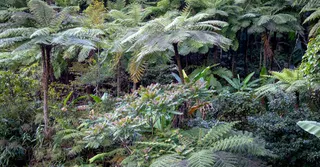
This is where French Guiana becomes unique. Running beneath the canopy, crossing creeks and making your way along forest paths offers an experience that neither Réunion nor mainland France can replicate.
- Trails around Roura and Kaw: technical courses on the edge of the Kaw marshes, slippery terrain, wildlife everywhere.
- Trails in the Matoury – Montagne du Mahury area: short distances (8 to 15 km) with surprising elevation gain for the region.
- Forest challenges towards the Nouragues reserve: more confidential, supervised events, reserved for experienced and well-equipped runners.
Other sporting challenges
- Pirogue races on the Maroni River, inherited from Bushinengue traditions, often paired with town festivals in Saint-Laurent-du-Maroni.
- Triathlons and aquathlons along the Rémire-Montjoly coast, making the most of the Atlantic beaches.
- Sporting hikes towards Cacao (the Hmong community) or the Kourou trails.
Accommodation suited to runners: my how-to guide
A successful sports trip depends as much on logistics as on training. Here are the criteria I recommend prioritising.
Proximity to the start lines
A car is essential in French Guiana: Félix-Éboué airport is in Matoury, about 15–20 minutes from Cayenne, and the towns are far apart. For a runner, choosing central accommodation avoids night-time drives to a start line at 5 a.m. A few useful distances from Cayenne:
- Rémire-Montjoly: 10–15 min
- Matoury: 15–20 min
- Macouria: 25–30 min
- Kourou: 1 h
- Saint-Laurent-du-Maroni: 2 h 30 to 3 h
Recovery comfort
Favour accommodation with air conditioning, a fridge for your recovery drinks and, ideally, an outdoor space to stretch and dry out your soaked gear. A fully equipped kitchen lets you handle your pre-race meals, invaluable when you’re avoiding restaurants the evening before a race bib.
Booking flexibility
Event dates can shift (weather, organisation). Booking directly, with no platform fees and free cancellation up to 7 days before arrival, secures your budget. At Hostel Toucan, our WhatsApp support 7 days a week answers last-minute logistical questions: where to collect your race bib, where to rent a bike for a course recce, which local aid station to favour.
Combining running with discovering French Guiana
The advantage of a sports trip on site is turning the acclimatisation week into a real adventure. After your race, extend the trip:
- A free day at the Guiana Space Centre in Kourou, with a bit of luck an Ariane 6 or Vega launch.
- An excursion to the Salvation Islands or a pirogue trip on the Maroni.
- A nature outing to the Kaw marshes or towards Awala-Yalimapo for the leatherback turtles.
- The Cayenne market at the weekend, perfect for stocking up on fruit and hearty broths.
Note that the yellow fever vaccine is mandatory to stay in French Guiana: anticipate this formality well before departure.
Book your runner’s base camp with Hostel Toucan
Whether you’re chasing a time on the Cayenne Half Marathon or discovering an Amazonian trail, your accommodation makes the difference. Hostel Toucan offers lodging close to the start lines, designed for recovery, with direct booking and no platform fees and WhatsApp support 7 days a week. Discover our rentals in French Guiana and, if you own a property suited to this sporting clientele, our concierge service for owners makes the most of your property throughout the dry season.
FAQ
What is the best time to run the Cayenne Half Marathon?
The Cayenne Half Marathon is run in the dry season, from mid-July to mid-November, the period when downpours grow further apart and temperatures stay more manageable. Still, plan for 4 to 5 days of acclimatisation, because the high humidity (around 85%) and the heat (30 °C from the morning) slow your pace by 20 to 40 seconds per kilometre compared with the mainland.
How do you get to the start lines in French Guiana?
A car is essential: the towns are far apart and the starts take place very early, often around 5:30–6 a.m. Matoury’s Félix-Éboué airport is 15–20 minutes from Cayenne. Choosing central accommodation in Cayenne or Rémire-Montjoly, less than 10 minutes from the Place des Palmistes, avoids long night-time drives on race day.
Are there other sporting events besides the Cayenne Half Marathon?
Yes. The Guianese calendar includes road races in Kourou, Matoury, Macouria and Saint-Laurent-du-Maroni, Amazonian trails around Roura, Kaw and the Montagne du Mahury, triathlons along the Rémire-Montjoly coast, as well as traditional pirogue races on the Maroni River. Most are concentrated in the dry season.
What type of accommodation should you choose for a sports trip in French Guiana?
Favour air-conditioned accommodation with a fridge, a fully equipped kitchen and parking, close to the start to optimise recovery in the tropical climate. Hostel Toucan offers suitable rentals with direct booking and no platform fees, free cancellation up to 7 days before arrival and WhatsApp support 7 days a week for last-minute logistics.