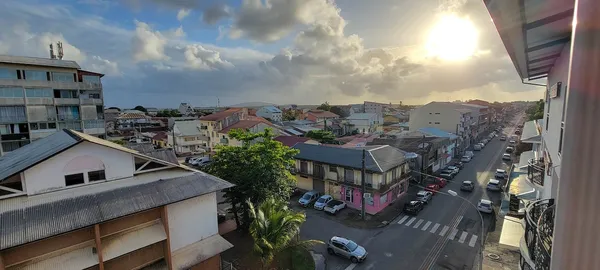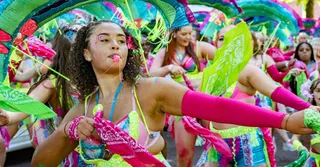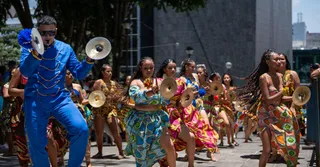
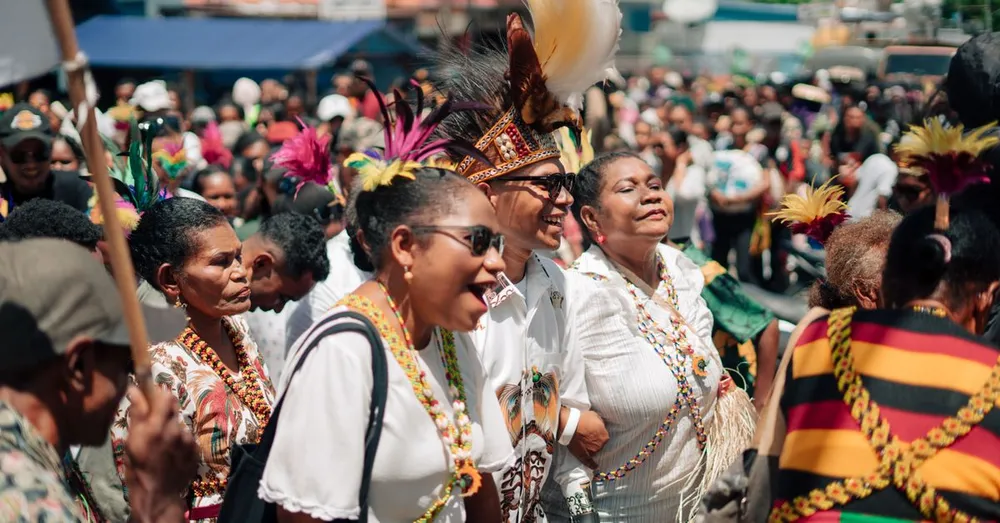
When people think of Guianese culture, carnival often overshadows everything else. Yet between two seasons of parades, French Guiana lives to the rhythm of countless gatherings that are far more intimate and just as memorable. The Amerindian Cultures Festival, European Heritage Days reimagined around the forest and the river, patron-saint feasts in villages lost along the Maroni: these cultural events in French Guiana weave a human mosaic found nowhere else in France. After several years exploring the region, here is our overview of the great moments not to be missed, far from the sequins and the touloulous.
Why Guianese culture is lived all year round
French Guiana is a French overseas department and region (DROM) of around 290,000 inhabitants, where you pay in euros and where French coexists with Guianese Creole, the Bushinenge languages (Aluku, Saramaka) and several Amerindian languages (Kali’na, Wayana, Palikur, Teko…). This diversity is not mere scenery: it shapes the calendar of celebrations.
In practice, two logics overlap. On one side, the major institutional events aligned with the mainland French calendar (Heritage Days in September, the Fête de la Musique in June). On the other, the community celebrations – Amerindian, Bushinenge, Hmong, Creole – that follow their own cycles. For a visitor, the dry season from mid-July to mid-November remains the ideal window: passable roads, clear skies, and pirogues moving freely along the rivers.
A quick practical reminder before we dive in: a car is essential (the distances between Cayenne, Kourou and Saint-Laurent-du-Maroni are measured in hours), the yellow fever vaccine is mandatory, and the time difference with Paris is -5h in winter and -6h in summer.
The Amerindian Cultures Festival: the soul of the first peoples
Usually held around August, in the heart of the dry season, the festival dedicated to Amerindian cultures is one of the most authentic highlights of the year. It most often takes place along the western coastal strip, particularly around Awala-Yalimapo, a Kali’na village at the mouth of the Maroni, already famous for the nesting of leatherback turtles between April and July.
What to expect
You will discover a living culture, passed down rather than frozen in time:
- Traditional dances and music set to the rhythm of flutes and maracas, including the famous maraké dance among certain communities.
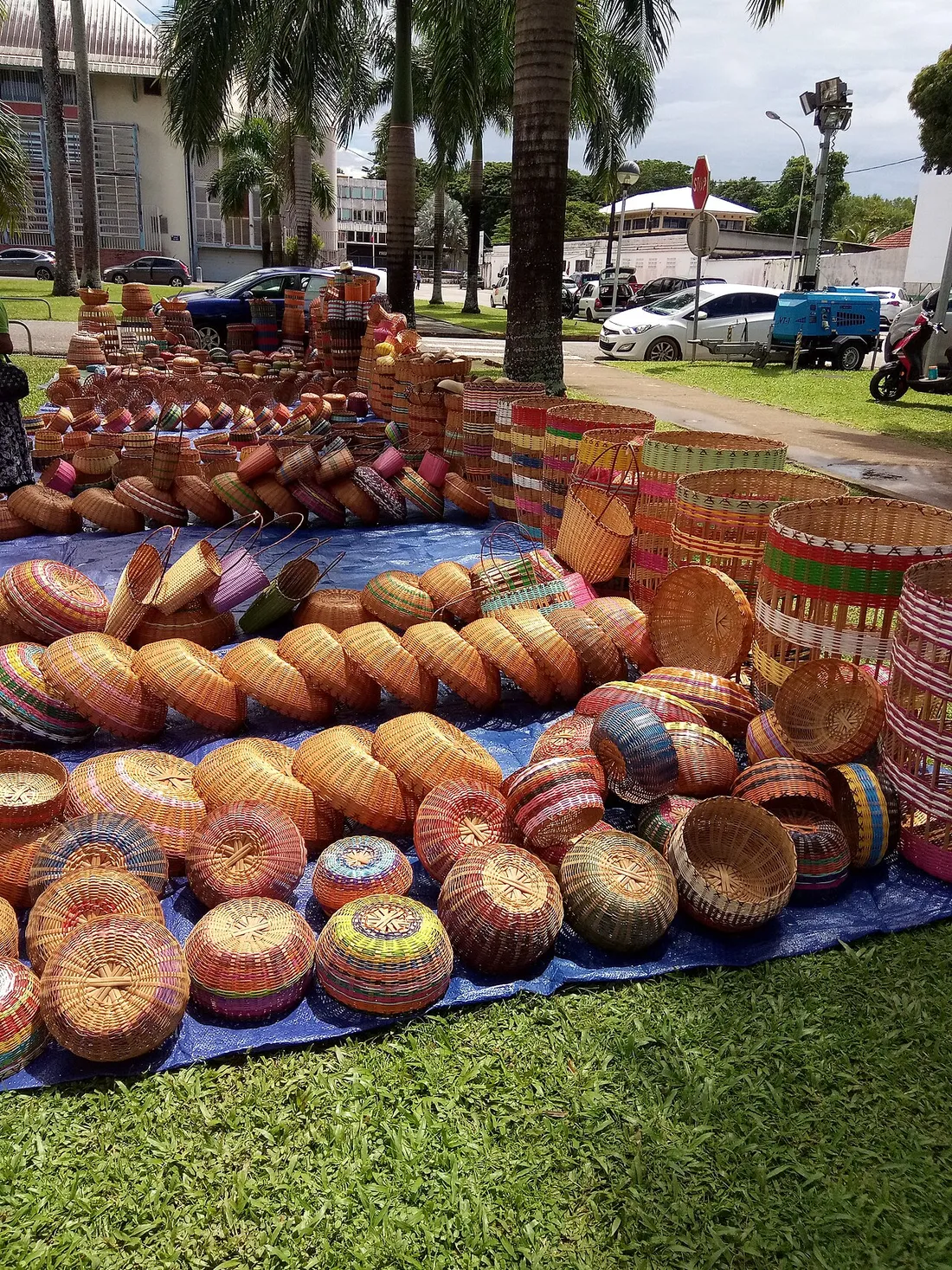
- Crafts: arouman basketry, pottery, cotton hammocks, forest-seed necklaces – pieces you will find nowhere else.
- Carbet cuisine: cassava (manioc flatbread), couac, awara broth, comou and wassaï juices.
- Round tables and evening gatherings on the preservation of languages and knowledge, often open to the public.
Our on-the-ground advice
Awala-Yalimapo lies about 250 km from Cayenne, a 3.5- to 4-hour drive via Saint-Laurent-du-Maroni. Fill up your tank before Iracoubo, stock up on water, and approach the event with respect: you ask permission before photographing people, and some ceremonies are not to be filmed. Admission to the events is generally free or by voluntary contribution. To go further in planning your stay in the west, our complete French Guiana guide details the stages and travel times.
Heritage Days, the Guianese way
Every year, on the third weekend of September, the European Heritage Days take on a special flavour in French Guiana. Here, heritage is not made of stones alone: it blends colonial architecture, the memory of the penal colony, living craftsmanship and protected nature.
The flagship sites to visit that weekend
- The Camp de la Transportation in Saint-Laurent-du-Maroni: the former gateway of the penal colony, with a guided tour of around 1h, an essential starting point for understanding the prison history. Usual fare around €10 to €15, outside the weekend’s special free admissions.
- The Salvation Islands off Kourou: Île Royale and Île Saint-Joseph tell the penal colony’s story differently. Allow a full day and a catamaran crossing of about 1h.
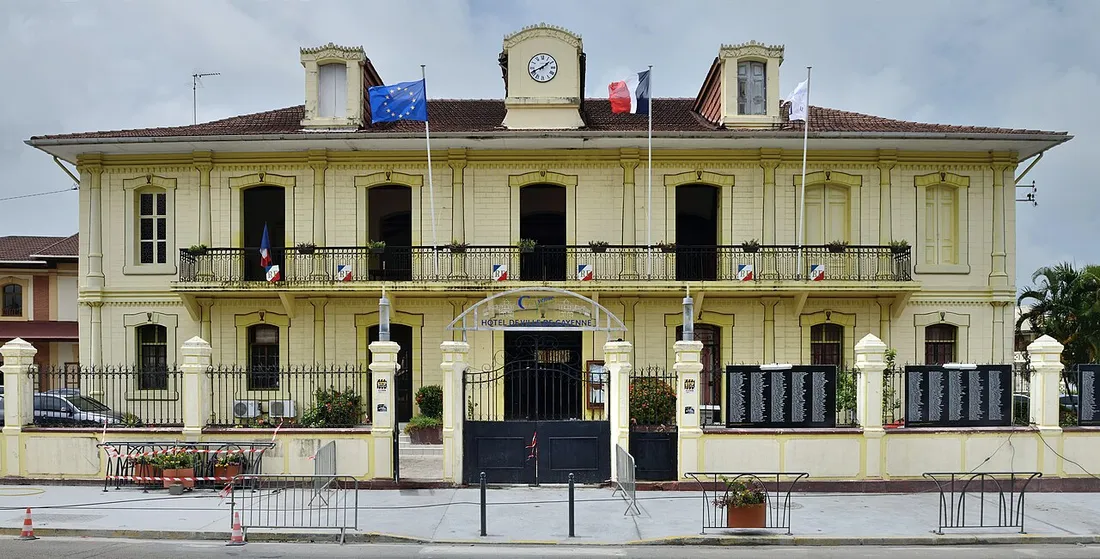
- Place des Palmistes and the historic centre of Cayenne: colourful Creole façades, covered market, guided tours of the old town.
- The Guiana Space Centre in Kourou: living scientific heritage, free visit by reservation, with the occasional chance to witness an Ariane 6 or Vega launch.
Good to know
During these days, many sites open free of charge or offer exceptional tours (administrative buildings, former agricultural estates, forts). Book early: spots for the guided tours of Saint-Laurent or the CSG go fast. Saint-Laurent-du-Maroni is about 250 km from Cayenne (3h–3h30 drive), Kourou just 60 km (1h). Plan your accommodation nearby to avoid tiring back-and-forth trips; browse our accommodations in French Guiana depending on the route you favour.
Village feasts: the beating heart of the communities
This is undoubtedly the least known – and most moving – part of cultural events in French Guiana. Every town, every community has its own gatherings.
Cacao and the Hmong community
An hour and a half from Cayenne (about 75 km via Roura), the village of Cacao is home to a Hmong community that arrived in the 1970s. Its Sunday market is famous for its soups, its bundles of vegetables and its embroidered textile crafts of rare delicacy. The Hmong New Year, in late November–December, is a major moment: vibrant traditional costumes, ball-tossing games (pov pob) among the young, music and gastronomy. Arrive early in the morning to enjoy the market before the crowds.
Patron-saint feasts and riverside abattis
Along the Maroni, reachable by pirogue from Saint-Laurent, the Bushinenge and Amerindian villages celebrate patron-saint feasts, community dates and moments of collective life. A pirogue excursion (about half a day, from €40–60 per outing depending on the operator) lets you draw close to this river culture. Roura, Macouria, Rémire-Montjoly and Matoury also have their own events throughout the year.
A few dates to keep in mind
- Fête de la Musique (21 June): open stages in Cayenne and along the coast.
- Heritage Days (mid-September): monuments and historic sites.
- Amerindian Cultures Festival (often August): western French Guiana.
- Hmong New Year (late November–December): Cacao and Javouhey.
Building your cultural stay: our recommendations
To experience these events stress-free, a few tried-and-tested principles:
- Aim for the dry season (mid-July to mid-November): it is also the time of the Heritage Days and the Amerindian festival.
- Rent a vehicle right at Félix-Éboué airport (Matoury): without a car, half the village feasts remain out of reach.
- Base yourself wisely: Cayenne for the central coast and Kourou, Saint-Laurent for the west and the Maroni.
- Book your accommodation early: event weekends fill up fast, especially in Saint-Laurent.
- Ask around locally: the exact dates of community feasts are often confirmed only a few weeks in advance.
At Hostel Toucan, a concierge service and short-term rental specialist across the whole region, we help you fine-tune your stay around the cultural highlights. Direct booking with no platform fees, free cancellation up to 7 days before arrival and WhatsApp assistance 7 days a week: you set off with peace of mind, even if a festival date firms up at the last minute. Browse our accommodations in French Guiana and write to us for a tailor-made itinerary. Do you own a property and want to make the most of it during the cultural high season? Discover our owner support service.
French Guiana is far more than its carnival: it tells its story all year long, from an Amerindian carbet to a Hmong market, from a colonial fort to a bank of the Maroni. It is up to you to choose the celebration that suits you best.
FAQ
What are the main cultural events in French Guiana outside of carnival?
Beyond carnival, the great gatherings are the Amerindian Cultures Festival (often in August, in western French Guiana around Awala-Yalimapo), the European Heritage Days (mid-September, with special openings of the Camp de la Transportation, the Salvation Islands and the Guiana Space Centre), the Fête de la Musique (21 June) and the Hmong New Year in Cacao (late November–December).
What is the best time to attend Guianese cultural celebrations?
The dry season, from mid-July to mid-November, is ideal. The roads are passable, the pirogues move easily along the rivers, and this period coincides with the Amerindian festival and the Heritage Days. It is also the most comfortable season for exploring the west and the Maroni.
Do you need a car to enjoy cultural events in French Guiana?
Yes, a car is essential. The distances are significant: count on roughly 250 km (3h–4h) between Cayenne and Saint-Laurent-du-Maroni or Awala-Yalimapo, and 60 km for Kourou. Rent a vehicle as soon as you arrive at Félix-Éboué airport. For the river villages, a pirogue excursion completes the picture.
Is the Amerindian Cultures Festival open to visitors?
Yes, the festival is generally open to the public, often free or by voluntary contribution. It showcases dances, music, crafts (basketry, pottery) and carbet cuisine. You are, however, asked to seek permission before photographing people, and some ceremonies are not to be filmed: respecting local traditions is essential.