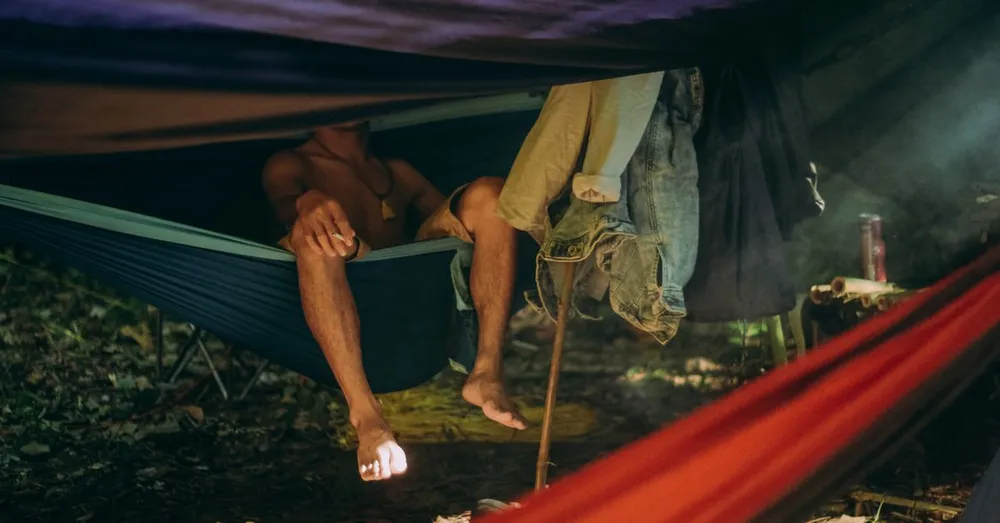
Sleeping in a hammock carbet in French Guiana is the rite of passage of any successful stay in this Amazonian territory. The carbet, a wooden shelter open to the forest and inherited from Amerindian cultures, has no walls, no air conditioning and no mattress: just a frame, beams to hang your hammock from, and the canopy as a soundtrack. After several years welcoming travellers to French Guiana, I can tell you this: the first night in a hammock is rarely perfect, but with the right habits it becomes unforgettable. Here is everything you need to know, from choosing your hammock to managing humidity, with concrete addresses around Roura, Kaw and Cacao.
What exactly is a carbet?
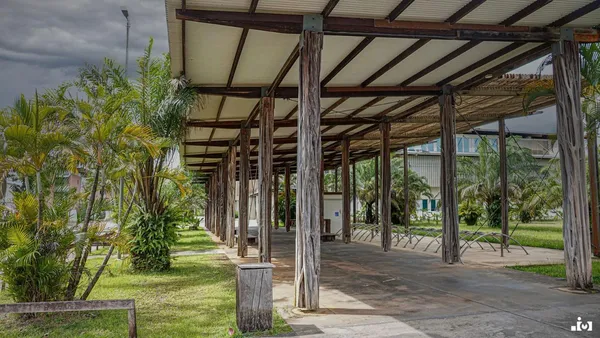
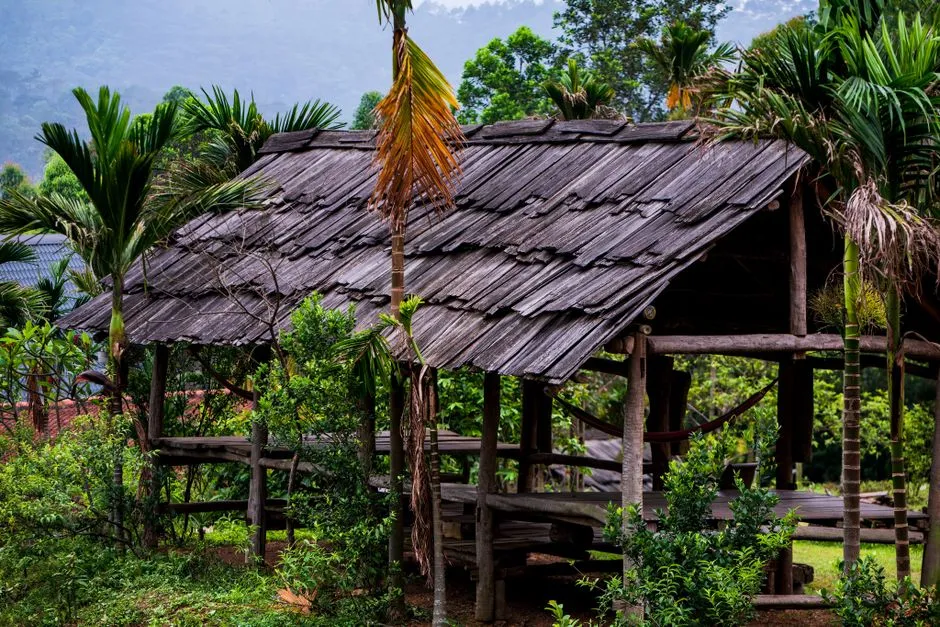
The word comes from Carib languages and refers to the large communal Amerindian dwelling. In modern French Guiana, the carbet covers several realities:
- The family carbet: by a creek or at the bottom of a garden, for weekend barbecues among loved ones.
- The fitted-out tourist carbet: a raised floor, sometimes sanitary facilities, hammock hooks every 80 cm, offered for between €10 and €25 a night per person.
- The forest carbet: a simple roof of sheet metal or palm leaves on stilts, used during treks and pirogue outings, often free or included in the guide’s service.
What they all have in common: you sleep there in a hammock, sheltered from the rain but open to the equatorial night. That is precisely what makes the experience unique.
Why try a night in a hammock at least once
A night in a hammock under a carbet is, first and foremost, total sensory immersion: the chorus of frogs and howler monkeys at daybreak, the smell of rain on the forest. It is also the accommodation best suited to the climate: suspended, the air circulates beneath your body, which changes everything when humidity exceeds 85%.
On the budget side, it is unbeatable. Count on:
- €10 to €15 a night in a communal or association-run carbet (Cacao, Régina, certain creeks around Roura);
- €20 to €30 in a private, fitted-out carbet with sanitary facilities and hammock provided;
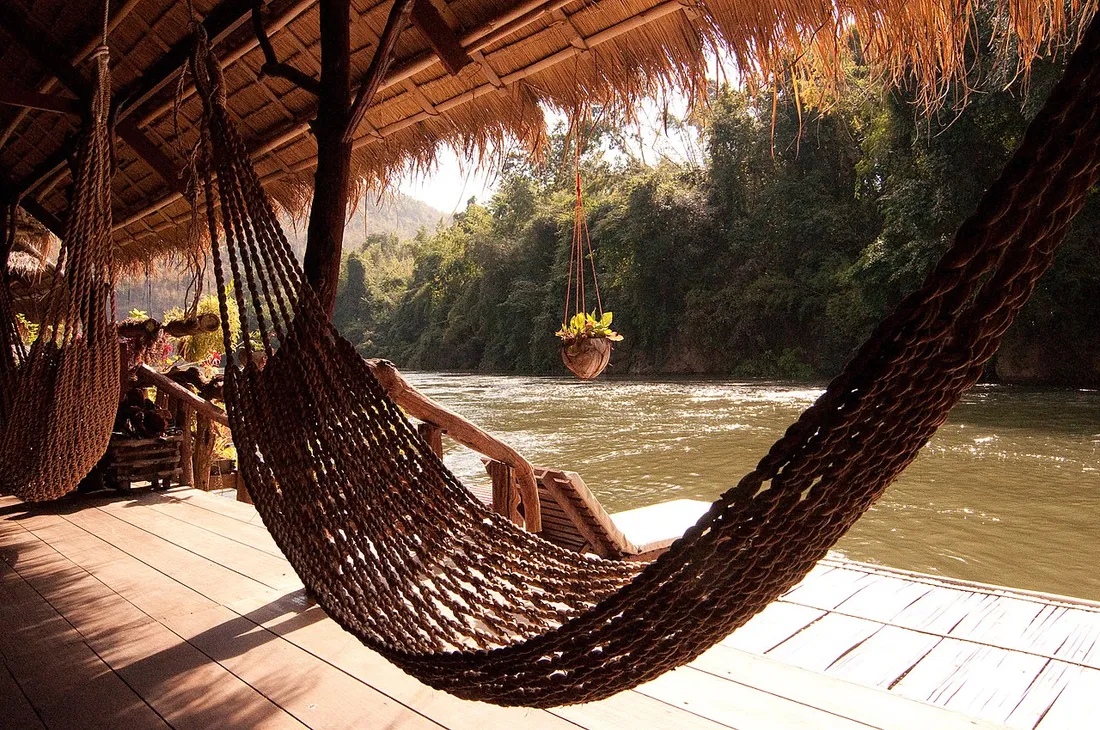
- €80 to €130 per person for an organised outing with a night in a floating carbet on the Kaw marshes, dinner and caiman observation included.
Compared with the €90–150 of a classic rental night in Cayenne, the carbet is the budget option AND the most authentic experience the territory has to offer.
Choosing your hammock: the crux of the matter
Traditional hammock or trekking hammock?
Everything comes down to this. Three main options:
- The Brazilian cotton hammock (€25–45 at the Cayenne market or in Saint-Laurent-du-Maroni): wide, comfortable, the locals’ choice. Drawback: cotton dries slowly. Perfect in a fitted-out carbet, less so on a trek.
- The parachute-fabric trekking hammock (€30–70 at sports shops or online): lightweight (500 g), quick-drying, compact. The smart choice if you string together nights in the forest.
- The hammock with built-in mosquito net (€60–120): the ideal combo for the deep forest. Some models even include a tarp (rain sheet), pointless under a carbet but valuable when bivouacking.
Sleeping position: the boatmen’s secret
Classic beginner’s mistake: sleeping along the hammock’s axis, banana-shaped, and waking up with your back in pieces. The right technique, learned from the pirogue boatmen of the Maroni: lie diagonally, at 20–30 degrees from the axis. Your body ends up almost flat. Don’t pull the hammock too tight either: too tight and it compresses your shoulders; too loose and you fold in two.
Mosquito net, humidity, coolness: the triptych of a successful night
The mosquito net is not optional
In French Guiana, an impregnated mosquito net is as essential as the yellow fever vaccine (mandatory to enter the territory, let us recall). Mosquitoes are most active at dusk and dawn, and some areas remain exposed to malaria along the rivers. Three rules:
- Choose a mosquito net impregnated with permethrin, in hammock format (€15–30), or a hammock with a built-in net.
- Make sure it does not touch your skin during the night: a mosquito bites through the mesh on contact.
- Tuck it under the hammock or tie it to the suspension lines, never leave it floating.
Managing humidity and the night-time chill
A surprise for many: you can feel cold in French Guiana. Around 4 a.m. the temperature drops to 21–22 °C, and with the humidity and the air circulating beneath the hammock, the feeling is decidedly chilly. My tried-and-tested kit:
- A sleeping-bag liner or a light sleeping bag (20 °C comfort) — fleece is superfluous, and so is a thick down bag.
- Dry nightclothes, stored in a waterproof bag: never sleep in the day’s damp clothes.
- A poncho or bivvy bag for nights in the main rainy season (December to June), when rain spray crosses the carbet.
- Your shoes hung up or turned over: scorpions and tarantulas love dry shelters.
Field tip: aim for the dry season, from mid-July to mid-November, for a first experience. Milder nights, and access tracks to isolated carbets are passable.
Where to sleep in a carbet: our favourite spots near Cayenne
Roura and the Comté: the forest 30 minutes from the capital
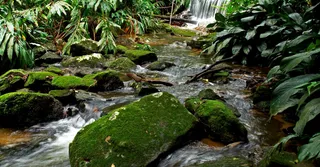
The commune of Roura, about 27 km from Cayenne via the RN2, is the ideal spot for a first night. Along the Comté river and around Cacao, several private carbets by the creeks combine freshwater swimming, barbecue and a night in a hammock, for between €15 and €25 per person. On Sunday morning, follow up with the Hmong market in Cacao and a bowl of pho.
The Kaw marshes: the most spectacular night in French Guiana
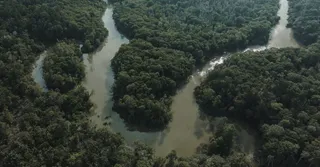
An hour and a half from Cayenne, the floating carbets of the Kaw marshes offer the ultimate experience: a night-time boat outing to meet the black caiman, sunset over the flooded savannah, waking up amid the herons. Guided packages around €100–130 per person with meals. Book early in the dry season.
On the move: Maroni, Nouragues and the eastern trails
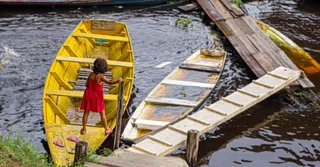
Pirogue journeys up the Maroni towards Apatou or Maripasoula always include nights in riverbank carbets; the same goes for approaches to the Nouragues reserve. There, the trekking hammock with built-in mosquito net is no longer a comfort, it is a necessity. To prepare these more demanding expeditions, see our complete guide to French Guiana.
Combining carbet and comfortable rental: the winning formula
Let’s be honest: after two or three nights in a hammock, a real shower, air conditioning and a good bed do a world of good. Our recommended formula: a comfortable base in Cayenne, Remire-Montjoly or Roura in a holiday rental, broken up by one- or two-night carbet getaways. You leave your suitcase at the accommodation, set off light into the forest, and come back to dry your gear.
That is exactly what Hostel Toucan offers: accommodation in French Guiana selected and managed locally, bookable directly with no platform fees, with free cancellation up to 7 days before arrival and WhatsApp assistance 7 days a week — handy for asking what time the boat leaves for Kaw or where to buy a good hammock at the market. And if you own a property in French Guiana, or even a fitted-out carbet you’d like to make pay, our concierge team also supports owners.
FAQ
Is sleeping in a hammock comfortable for your back?
Yes, provided you lie diagonally (20–30 degrees from the axis) to sleep almost flat. Many Guianese sleep in a hammock their whole lives without back problems. Allow two or three nights of adjustment to find your bearings.
Should you bring your own hammock or is one provided?
Fitted-out tourist carbets and guided outings (Kaw, Maroni) generally provide a hammock and mosquito net, to be confirmed when booking. For communal or self-catering carbets, bring your own: €30 to €70 for a trekking hammock, €25–45 for a Brazilian hammock at the Cayenne market.
Are there dangerous animals at night under a carbet?
The main risk remains the mosquito, hence the mandatory impregnated mosquito net. Snakes, scorpions and tarantulas avoid human activity: shake out your shoes in the morning, keep your belongings up high, use a headlamp at night. Incidents are extremely rare in frequented carbets.
What is the best time to sleep in a carbet in French Guiana?
The dry season, from mid-July to mid-November: milder nights, passable tracks and fewer mosquitoes. The main rainy season (January to June) remains possible under a well-covered carbet, with a bivvy bag and dry nightclothes, and offers a spectacularly alive forest.