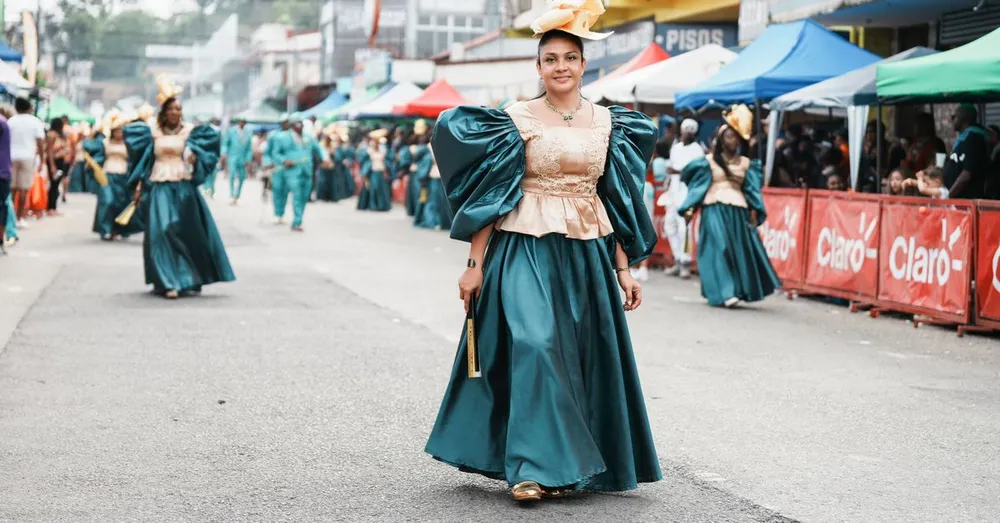
Every summer, Pointe-à-Pitre dresses up in shimmering madras, starched headdresses and the aroma of colombo. The Guadeloupe Cooks’ Festival (Fête des Cuisinières) is arguably the most photogenic and identity-defining cultural event of the archipelago. Far from the usual beach clichés, it plunges visitors into the heart of Guadeloupe’s culinary and spiritual heritage. As residents and devotees of this butterfly-shaped island, we wanted to tell you about this festival from the inside: its little-known origins, the exact order of the procession, and our practical tips for attending without a misstep.
A gastronomic festival like no other in the world
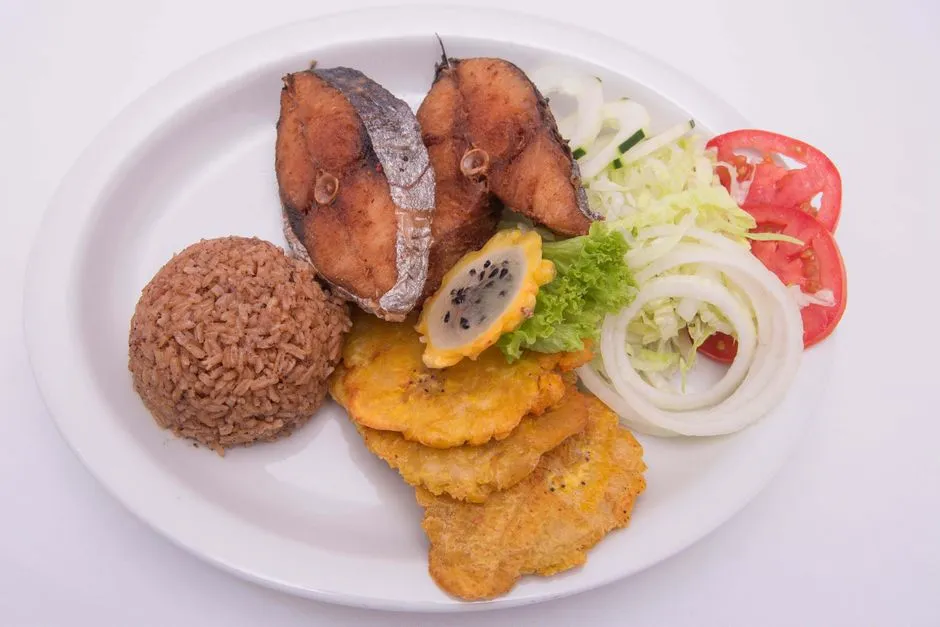
The Cooks’ Festival is neither a simple gourmet market nor a folklore show for tourists. It is a sacred yet convivial celebration, organized by and for the women who have passed down the art of Creole cooking from generation to generation. Fish court-bouillon, goat colombo, salt-cod fritters (accras), Creole blood sausage, blaff, whipped cake: the entire gastronomic heritage of Guadeloupe parades through the streets that day.
What makes this event so singular is that it blends three dimensions rarely brought together: religious devotion (the Mass in honour of Saint Laurence), cultural pride (the traditional costume and the Creole language) and culinary transmission. No other festival in the Caribbean unites these three pillars with such authenticity.
The origins of the Saint-Laurent sisterhood
Saint Laurence, patron of the cooks
To understand the festival, you have to go back to its patron saint. Saint Laurence of Rome, a deacon martyred in the 3rd century, was according to tradition put to death on a burning gridiron. This death by fire made him, through a popular analogy, the protector of the trades of fire and cooking: cooks, roasters, bakers. Guadeloupe’s cooks, who spent their lives in front of the stove, naturally adopted him as their intercessor.
The birth of the association
The sisterhood traces its roots to the late 19th century, in the Pointe-à-Pitre of the post-abolition era. At that time, the women who cooked in the great houses, the market vendors and the restaurateurs came together as a mutual aid society. The aim was as much social as spiritual: to help one another in times of illness or mourning, to fund dignified funerals, and to honour their patron saint together once a year.
This dimension of female solidarity is essential. Long before modern social structures, these women had built a network of mutual support. The annual festival was the moment when the sisterhood stepped into the open, affirming its cohesion and its pride. The association was formally structured over the decades and endures today, guardian of a tradition more than a century old.
The procession, hour by hour
The festival is traditionally held around 10 August, Saint Laurence’s day, or the closest Saturday. Here is how this intense day unfolds.
The gathering and the morning parade
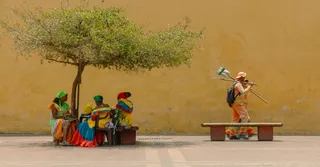
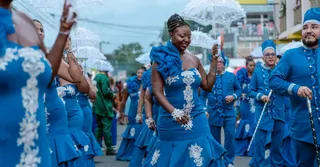
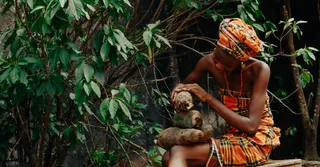
From early morning, the cooks gather in the centre of Pointe-à-Pitre. They wear the ceremonial Creole costume: a colourful madras dress, a petticoat, a foyal (scarf) and the starched headdress whose number of points sends a coded message (one point: heart free; two: heart taken; three: heart already won but you may still try your luck; four: anything goes). Each woman carries decorated baskets overflowing with dishes, fruit, local vegetables and ribboned utensils.
The procession, accompanied by gwoka drums, Creole songs and sometimes an orchestra, parades through the flag-draped streets towards the church.
Mass at Saint-Pierre-et-Saint-Paul Cathedral
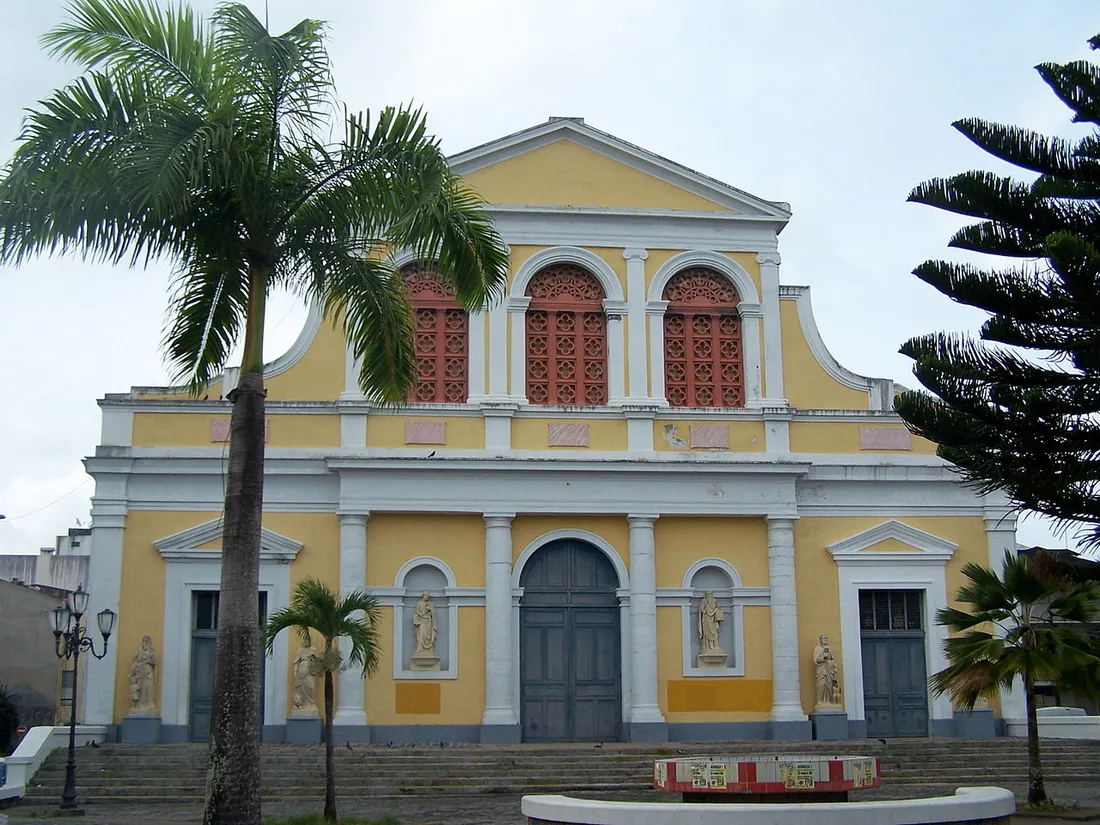
The procession converges on the cathedral of Pointe-à-Pitre. The solemn Mass, celebrated in French and Creole, blesses the cooks and their baskets. It is the most moving moment: liturgical chants blend with Creole melodies, and the emotion is palpable throughout the congregation.
The great banquet
After the service, the celebration begins. An enormous banquet brings together the cooks, their families and many guests. The tables groan under the specialities prepared since dawn. Dancing, biguine, gwoka and song enliven the afternoon and often carry on late into the evening. It is a true gastronomic carnival.
Our tips for attending the Cooks’ Festival in 2026
Dates to remember
In 2026, Saint Laurence’s day falls on Monday 10 August. The grand procession will very likely be held on Saturday 8 August 2026, the usual format to allow the widest possible participation. Confirm the exact date with the Pointe-à-Pitre tourist office a few weeks beforehand, as the organizers announce it officially each spring.
Preparing your visit
- Arrive early: the procession starts in the morning. Be on site around 7:30–8:00 a.m. to enjoy the gathering and find a good spot along the route.
- Parking: the centre of Pointe-à-Pitre is gridlocked that day. Park on the outskirts (the Darse car park or near the Memorial ACTe) and finish on foot.
- What to wear: August is the height of the wet season, hot and humid. Bring a hat, water, and comfortable shoes. A brief tropical shower remains possible.
- Respect: this is a religious and identity-rooted festival before it is a spectacle. Ask before photographing the cooks up close, and stay discreet during Mass.
- The banquet: it is generally private or paid and requires booking in advance through the association. Enquire early if you wish to take part in the meal.
Combining the festival with a stay
Pointe-à-Pitre is the economic hub of the archipelago and a central starting point. The festival can fit into a wider itinerary:
- 25–30 min away, Le Gosier and its beaches to unwind after the day.
- 40 min away, Sainte-Anne and Caravelle beach, with turquoise waters and a sheltered lagoon.
- 1h15 away, Deshaies on Basse-Terre, for the sublime Grande Anse and the Botanical Garden.
- 30 min by ferry from Pointe-à-Pitre, Les Saintes and their bay, ranked among the most beautiful in the world.
August falls outside the ideal dry season (December to April), but it is precisely the lively period of patron-saint festivals. You will trade a few tropical showers for an unrivalled cultural immersion and rates that are often gentler than during the winter high season.
Why this festival is worth the detour
Beyond the folklore, the Cooks’ Festival tells the story of deep Guadeloupe: the resilience of women after slavery, Creoleness as a way of life, and cooking as a language of love and memory. To taste a warm accras on a Pointe-à-Pitre street corner while the madras headdresses parade by is to understand the soul of the butterfly island far better than any guidebook could ever explain.
To prepare your visit, see our complete guide to Guadeloupe, which details seasons, transport and the highlights of both wings of the archipelago.
Where to stay to experience the festival
To make the most of the day without logistical stress, it is best to stay near Pointe-à-Pitre, towards Le Gosier or Sainte-Anne, less than 30 minutes from the heart of the procession.
At Hostel Toucan, a local concierge service, we offer carefully selected holiday rentals on Grande-Terre as well as Basse-Terre. Book directly, with no platform fees, with free cancellation up to 7 days before arrival and WhatsApp assistance 7 days a week to guide you on the day, recommend a car park or book a table at the banquet. Discover our accommodation in Guadeloupe to experience the Cooks’ Festival like a local.
Do you own a property on the island and want to make the most of it during the year’s major events? Our team supports owners with turnkey rental management, from the calendar to welcoming guests.
The Cooks’ Festival is waiting for you: prepare your senses, and let yourself be carried away by the drums, the madras and the scents of colombo.
FAQ
What is the date of the Cooks’ Festival in Guadeloupe in 2026?
Saint Laurence’s day falls on Monday 10 August 2026. The grand procession will very likely be held on Saturday 8 August 2026, in keeping with the custom of organizing the parade on the Saturday closest to 10 August. Confirm the official date with the Pointe-à-Pitre tourist office in spring 2026.
Where does the Cooks’ Festival take place?
In the heart of Pointe-à-Pitre, Guadeloupe’s economic hub on Grande-Terre. The procession sets off from the town centre, converges on Saint-Pierre-et-Saint-Paul Cathedral for the Mass, then continues with a large festive banquet. It is about 10 minutes from Pôle Caraïbes airport.
Who is Saint Laurence and why is he linked to the cooks?
Saint Laurence of Rome, a deacon martyred in the 3rd century, was reportedly put to death on a burning gridiron. This death by fire made him the patron saint of the trades of fire and cooking. Guadeloupe’s cooks, organized into a mutual aid sisterhood from the late 19th century, adopted him as their protector.
Can visitors take part in the festival banquet?
The banquet is generally paid or by invitation and requires booking in advance with the cooks’ association. The procession and the Mass, however, are open to everyone free of charge. Enquire early if you would like to sample the specialities at the meal.