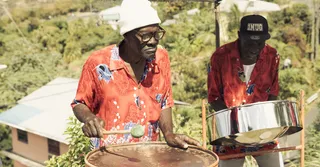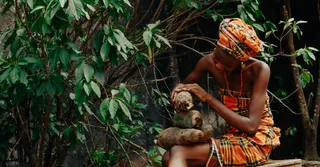

In late July, the village of Sainte-Anne takes on a whole new face. The white-sand beach that made its reputation suddenly hands the spotlight to the church square: fairground rides, bright lights, the smell of cotton candy and smoked chicken, and drums echoing all the way to the seafront. The Sainte-Anne patron saint festival in Guadeloupe is one of those gatherings that few guidebooks mention, because it is meant first and foremost for locals. That is exactly what makes it such a precious experience for travelers staying nearby. As a resident, every year I see vacationers stumble upon it by chance and wish they had planned their dates around it. Here is the typical program, the reality of the season, and above all where to stay in the village to enjoy the festival without ever touching your car.
What is the Sainte-Anne patron saint festival?
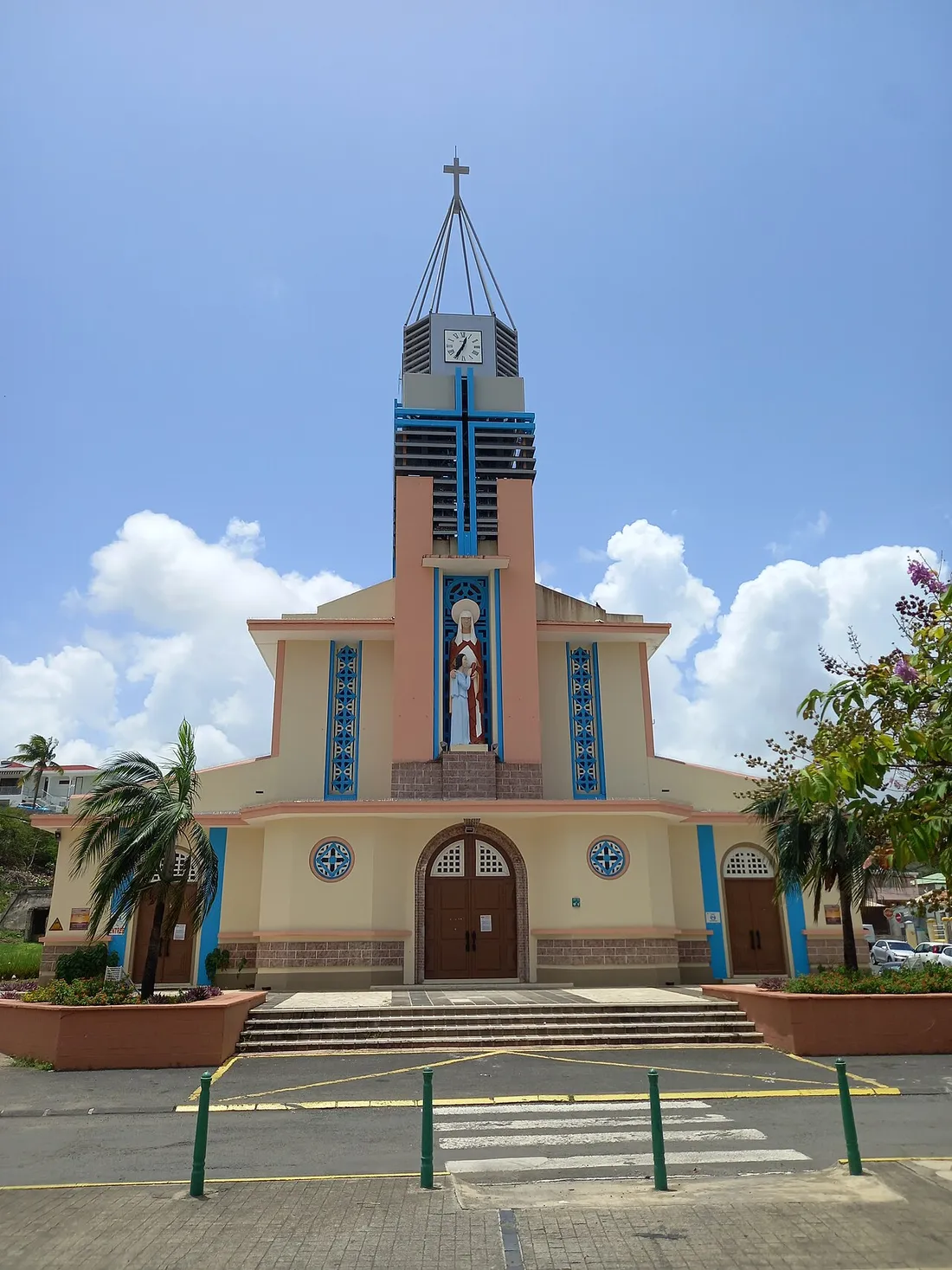
Like every town in the archipelago, Sainte-Anne celebrates its patron saint: Saint Anne, the mother of the Virgin Mary, honored on July 26 in the Catholic calendar. Around that date, the village holds its town festival, a very Guadeloupean blend of religious devotion and popular fair. You’ll find the solemn mass and the procession on one side, the rides, the stalls and the ball on the other. The two coexist without clashing, sometimes just a few meters apart.
It’s important to understand the difference with the island’s big tourist events. Here, there’s no ticketing, no official program released six months in advance. The Grande-Terre town festival is a neighborhood affair, set on the weekend closest to July 26, run by the parish, the town hall and the fairground operators who travel from town to town all summer long. People come as families, run into their neighbors, grab a quick bite and dance late into the night. For a visitor, it’s a rare chance to see Sainte-Anne the way the Saint-Annais live it, far from the postcard image of Caravelle beach.
Why Sainte-Anne is especially suited to its festival
Sainte-Anne is a town on the south coast of Grande-Terre, about thirty kilometers from Pole Caraibes airport (Pointe-a-Pitre), roughly a 35 to 45 minute drive. Its village clusters around a single focal point: the church, the square and, just behind, the village beach with its sheltered lagoon. Everything fits in the palm of your hand. When the festival sets up, you can step out of an evening swim and find yourself five minutes later at the foot of the carousel. Few patron saint festivals in the archipelago offer this immediate closeness between beach, church and festival grounds.
The typical program of a Sainte-Anne patron saint festival
No two years are exactly alike, but the framework stays the same. Here’s what the long weekend of the Sainte-Anne patron saint festival in Guadeloupe actually looks like.
The religious side: mass and procession
This is the historic heart of the festival, the most moving part to experience even if you’re not a believer.
- Novena: in the nine days leading up to July 26, the village church holds evening preparatory masses.
- Solemn Saint Anne mass: on the day of the feast (or the closest Sunday), a grand mass brings the community together, often set to Creole hymns and drumming.
- Saint Anne procession: after the mass, the statue of Saint Anne is carried in procession through the village streets, sometimes all the way to the seafront, accompanied by canticles. It’s the most photographed moment, but also the most solemn: voices drop and everyone follows the pace of the cortege.
The festive side: rides, stalls and the ball
From Friday evening and all weekend long, the square and its surroundings turn into a village funfair.
- Rides and attractions: swing carousels, bumper cars, a children’s merry-go-round, shooting galleries and duck-fishing stands. Expect 2 to 4 euros per ride and a few euros for the games.
- Food stalls: smoked chicken and fish, skewers, agoulou and sandwiches, hand-churned coconut sorbet, cotton candy, peanut nougat. A loaded plate runs around 8 to 12 euros, a skewer or a bokit 4 to 7 euros, a coconut sorbet 2 to 3 euros.
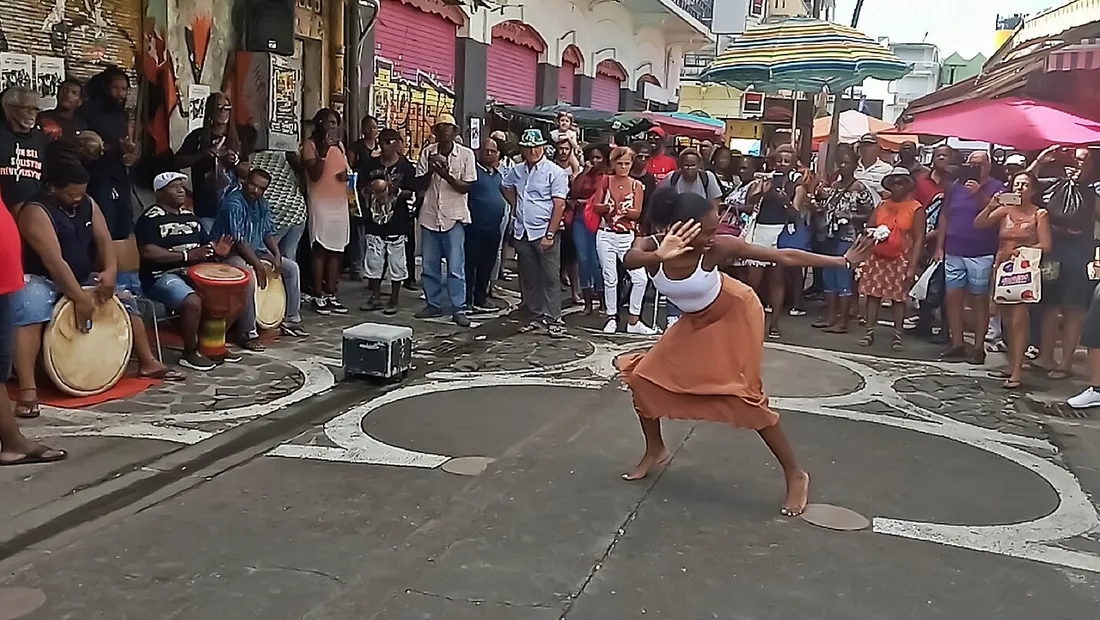
- Stage and ball: in the evening, the band, zouk and sound system keep the party going late. Saturday night is usually the peak, sometimes with a local headliner. Admission is free.
- Fireworks: some editions close with fireworks set off from the seafront, above the lagoon. Ask around locally, as it isn’t guaranteed every year.
Good to know: the funfair takes over the church square and the village parking lot. In practical terms, the parking spaces in the center disappear for several days. That’s the number one argument in favor of accommodation within walking distance of the village.
The weather reality of late July
Planning your stay around the festival means coming in the heart of the rainy season (the hivernage), very different from the dry careme of December to April. Expect short, warm showers, often in the late afternoon or at night, between 28 and 31 degrees, with the sea at 28-29 degrees. Nothing that stops the swimming or the festival: the downpours pass quickly and the ground dries in no time. Just pack a folding umbrella and light clothing. July-August is also the school summer holidays: the village is lively, and well-located accommodation books up early.
Where to stay for the festival: my map of the Sainte-Anne village
The key to good accommodation in Sainte-Anne in July during the festival comes down to one word: walking. The closer you are to the village, the less your car becomes a headache. Here’s how I rank the areas, from the most immersive to the most restful.
The village and seafront: at the heart of the festival
This is the option for the curious who want to experience everything on foot. You’ll stay a few streets from the church, the square and the village beach.
- Proximity: maximal, 2 to 5 minutes’ walk from the rides, the mass and the sand.
- Atmosphere: lively in the evening during the ball, quieter during the day.
- Parking: this is the sticking point on these days. Favor a place with a private spot, or park on the edge of the village first thing in the morning.
- Accommodation budget: expect 80 to 150 euros a night for a well-located studio or one-bedroom in July, depending on standing.
- Best for: couples, solo travelers, families who want total immersion and zero commuting.
La Caravelle and the beach surroundings: the beach compromise
A 5-10 minute drive or bike ride from the village, near the famous Caravelle beach (one of the finest on Grande-Terre).
- Proximity: good, the village stays very accessible.
- Atmosphere: more residential and seaside; you hear the festival from afar without being in the thick of it.
- Parking: more room than in the center, but arrive early in the evening if you’re heading down to the ball.
- Accommodation budget: 100 to 180 euros a night for an apartment or studio near the beach, more for a villa with a pool.
- Best for: those who want to combine lounging on the lagoon by day and the festival by night.
Bois Jolan, Le Helleux and the wild coast: the quiet option
A 10-20 minute drive from the village, to the east, along Sainte-Anne’s more secluded beaches.
- Proximity: decent; you’ll need to drive to reach the festival.
- Atmosphere: noticeably calmer, perfect for recovering between two evenings out.
- Parking: easy at the accommodation.
- Accommodation budget: 70 to 130 euros a night for a studio or a small Creole house.
- Best for: families, longer stays, travelers who want to sleep in peace after the ball.
Saint-Francois and Le Gosier: the rear base
Outside Sainte-Anne, but a 10-20 minute drive on either side. Saint-Francois adds the marina and the golf course; Le Gosier brings you closer to Pointe-a-Pitre and Gosier islet.
- Proximity: indirect; you’ll need to plan the drive back in the evening.
- Atmosphere: wide choice; you dial in the balance of activity and calm.
- Accommodation budget: 90 to 200 euros a night depending on the type of property.
- Best for: mixed stays combining the festival, the beaches and exploring Grande-Terre.
To find a property with the right criteria (air conditioning, parking, walking distance to the village), browse our Guadeloupe rentals: each listing specifies the exact location, the amenities and the feel of the neighborhood.
On-the-ground tips for enjoying the festival
A few reflexes that make all the difference when you experience the patron saint festival from accommodation in the village:
- Confirm the dates in advance. The festival is set on the weekend near July 26, but the precise program (ball night, fireworks) is often announced locally a few weeks before. Ask your host.
- Book early. In July, and even more so on the festival weekend, village accommodation goes 2 to 4 months in advance.
- Favor walking accommodation over the car: parking in the center is locked up by the funfair for several days.
- Bring cash. Rides, stalls and lolos mostly run on cash. A 20-euro note per person easily covers an evening of games and snacks.
- Respect the time of the procession. It’s a religious moment: follow the cortege in silence and ask before photographing up close.
- Anticipate late-July rain with a folding umbrella; the showers are brief but heavy, especially in the evening.
Combining the festival with the rest of your stay
Sainte-Anne’s great asset is that you set down your bags in the center of seaside Grande-Terre while staying within reach of the rest of the butterfly archipelago. Between two festival evenings, my guests enjoy:
- a morning at Caravelle beach or the shallow lagoon of Bois Jolan, ideal with children;
- a day at Pointe des Chateaux and its panorama over La Desirade, about twenty minutes away;
- an escape to the Basse-Terre side toward the Cousteau Reserve (Malendure, Pigeon islets) for snorkeling, or the Carbet falls;
- an excursion to the Saintes (Terre-de-Haut) or to Marie-Galante and its rum distilleries (Bielle, Bellevue, Pere Labat).
To build a balanced program around your dates, lean on our complete guide to Guadeloupe.
Why book your stay with Hostel Toucan
We are residents and we know the village of Sainte-Anne, the rhythm of its patron saint festival and the right accommodation for every profile. By booking directly with us, you benefit from:
- Direct booking with no platform fees: you pay the fair price, with no hidden commission.
- Free cancellation up to 7 days before arrival, so you can book with peace of mind even if the festival’s exact program is confirmed late.
- WhatsApp support 7 days a week: a question about the dates, parking, the neighborhood or Saturday’s ball? We reply in real time, in French as well as in Creole.
Do you own a property in Sainte-Anne or on Grande-Terre, and does summer represent a peak in demand? Discover how we showcase your accommodation on our owners page.
Well-timed and well-located, a visit during the patron saint festival feels like a true immersion: the mass and procession in the morning, the lagoon in the afternoon, the rides and the ball in the evening, all five minutes’ walk from your accommodation.
FAQ
When does the Sainte-Anne patron saint festival take place in Guadeloupe?
It takes place around July 26, the feast of Saint Anne, the town’s patron. In practice, the village holds its festival on the weekend closest to that date, with mass, procession, rides and ball. Since the precise program is set locally, confirm the exact days (especially the ball night and any fireworks) a few weeks ahead with your host or the town hall.
Where should you stay to be at the heart of the festival?
The village of Sainte-Anne, around the church, the square and the village beach, puts everything within a 2 to 5 minute walk. It’s ideal for experiencing the mass, the procession and the ball without touching the car. The surroundings of Caravelle beach offer a good compromise at 5-10 minutes, while Bois Jolan and the wild coast suit those who want to sleep in peace.
How much does accommodation in Sainte-Anne cost during the patron saint festival?
In July, expect roughly 70 to 130 euros a night for a studio in the quieter areas, and 80 to 180 euros for a well-located place in the village or near the beach. With the best-located properties going 2 to 4 months in advance during the school holiday peak, it’s best to book early and aim for a property with private parking.
Is the patron saint festival worth it for a tourist?
Yes, precisely because it isn’t designed for tourists. It’s an authentic town festival where you mingle with locals, taste Creole street food and experience the village in its real atmosphere. Between the morning procession, the beach in the afternoon and the ball in the evening, it’s one of the most genuine ways to discover Grande-Terre. Just plan to bring cash and an umbrella for the late-July showers.