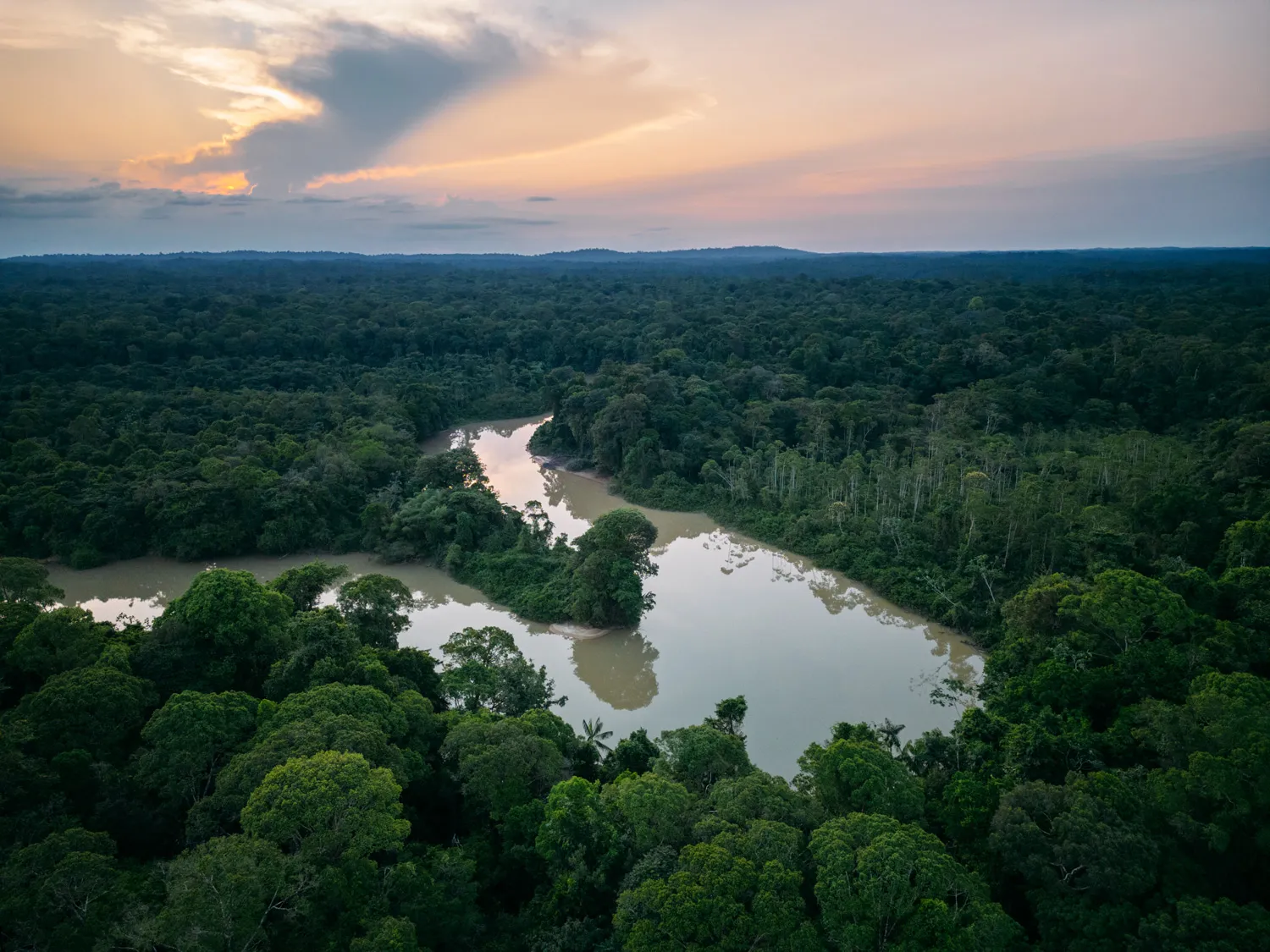

The second most populated town in French Guiana after Cayenne, Saint-Laurent-du-Maroni is the gateway to the western part of the territory. Set on the right bank of the Maroni river, facing Albina (Suriname), the town welcomes new arrivals every year: civil servants on transfer, healthcare staff, teachers, social workers, police officers, but also entrepreneurs and families choosing to start over overseas. Finding a place to live there takes a minimum of preparation: the rental market is tight, new-build homes are scarce, and mainland habits do not automatically apply. This guide takes a concrete, honest look at the neighbourhoods, price ranges (indicative only), formalities and tips that will keep you from arriving without a roof over your head.
Understanding Saint-Laurent-du-Maroni before you start looking
Saint-Laurent-du-Maroni, often shortened to “SLM” or simply “Saint-Laurent” by locals, is a town with strong demographic growth. Its population is young and its territory vast, which explains housing spread out between the historic town centre, residential neighbourhoods and more outlying areas.
A few realities to factor in before you begin your search:
- The town is far from Cayenne: roughly 250 km, or nearly 3 hours by road on the RN1. This is not a suburb of the capital but a self-contained hub with its own shops, hospital (the Centre Hospitalier de l’Ouest Guyanais), schools and administration.
- The rental market is tight: the supply of decent, well-located homes falls short of demand, particularly at the start of the school year and during transfer waves (summer, end of year).
- New builds remain rare: much of the housing stock is older or consists of social housing. Recent construction exists but goes fast.
- The equatorial climate sets its own rules: heat and high humidity all year round, with a pronounced rainy season. Ventilation, air conditioning and the condition of doors and windows matter as much as floor space.
Those 250 km have a very practical consequence: you land in Cayenne, and three hours of RN1 still lie ahead. Many newcomers break the journey with a first night in the capital, in a residence such as Cayenne Chic, its tropical-wood apartments in the Zac Hibiscus district, before heading west at first light.
A cross-border setting
The immediate proximity of Suriname, on the other side of the Maroni, gives the town a distinctive, cosmopolitan and trade-driven atmosphere. This border location shapes daily life (markets, pirogues, exchanges) and also, indirectly, the pressure on housing. It is worth being aware of when choosing a neighbourhood with your eyes open.
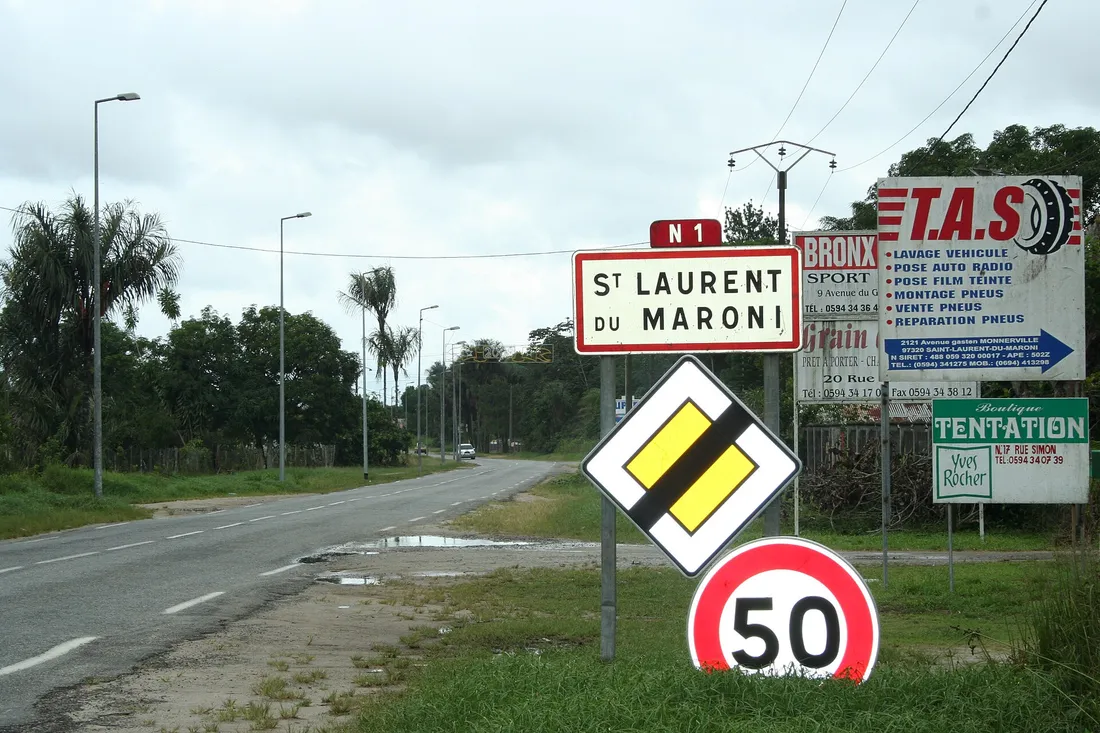
Where to live: the neighbourhoods
Your choice of neighbourhood depends on your budget, whether you have children, where you work and how much urban buzz you can tolerate. Here are the main landmarks.
The town centre and historic quarter
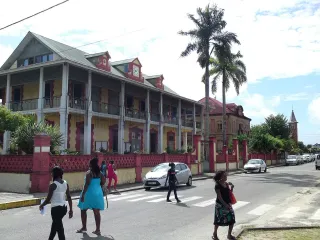
The centre concentrates the town’s heritage: the Camp de la Transportation (the former penal colony), colonial buildings, administrative offices and the market. You will find older houses, a few apartments and homes above shops. It is convenient for living without a car and reaching services on foot, but the activity, noise and parking can put families off.
Residential neighbourhoods
Around the centre, several housing estates and residential developments offer detached houses with a yard or small garden, as well as flats in gated developments. These areas appeal to families and couples looking for quiet, a bit of outdoor space and somewhere to park. Rents there are generally higher than in the social housing sectors.
Outlying areas and villages
Moving away from the centre, you will find more affordable homes, sometimes on large plots, but also less well-equipped areas. A car then becomes almost essential. This trade-off can suit those who value space and budget over proximity to services.
What to watch for in any neighbourhood
- The condition of the electrical wiring and plumbing, in a climate that wears materials down fast.
- The presence of air conditioning or, at the very least, good natural ventilation.
- Security: bars, gate, lighting, neighbourhood.
- Water access and the reliability of the connection.
- Parking, particularly in the town centre.
Indicative prices: what to expect
It is impossible to give figures set in stone: rents vary widely depending on location, condition, floor space, whether there is air conditioning, and the time of year. The benchmarks below are given purely as an indication and should be checked at the time of your search, since they shift with the season and market pressure.
- Studio or small one-bedroom: low to mid range, suited to a single person or a young couple.
- Two-bedroom / family house: mid to high range, depending on the neighbourhood and level of fittings.
- House with a large plot or upmarket property: top of the range, with rarer availability.
In French Guiana, landlords frequently ask for solid guarantees (proof of income, a guarantor, a security deposit). Bear in mind too that furnished rents are negotiated differently from unfurnished lets, and that utilities (water, electricity, air conditioning) weigh genuinely on the monthly budget given the climate.
Furnished or unfurnished?
On arrival, many newcomers opt for furnished or temporary accommodation while they look for a long-term home. It is often the most realistic solution when you land without furniture and without knowing the town yet. Once settled and once you have chosen your neighbourhood knowingly, you can switch to a longer unfurnished lease.
The steps to settling in
A successful move to Saint-Laurent-du-Maroni depends as much on planning ahead as on finding the right home. Here are the main stages.
Before leaving the mainland
- Put together a complete rental application (ID, proof of income, tax assessment, guarantor if needed).
- Ask your future employer or administration: some offer housing support or transitional solutions.
- Book temporary accommodation for the first few weeks rather than arriving with nothing.
- Budget for the move (security deposit, first months’ rent, basic equipment).
On arrival
- Set up your utility accounts (electricity, water) and check the internet connection, sometimes less immediate than on the mainland.
- Get in touch with local public services for the formalities (children’s schooling, healthcare, transport).
- Take the time to visit in person before signing: online photos do not tell the whole story, especially about damp, ventilation and the immediate surroundings.
Quick settling-in checklist
- Rental application scanned and ready to send
- Temporary accommodation booked for your arrival
- Moving budget set aside (deposit + first months’ rent + equipment)
- Water/electricity accounts and internet scheduled
- In-person viewings arranged before signing anything
- School enrolment done early if you have children
- Home insurance taken out