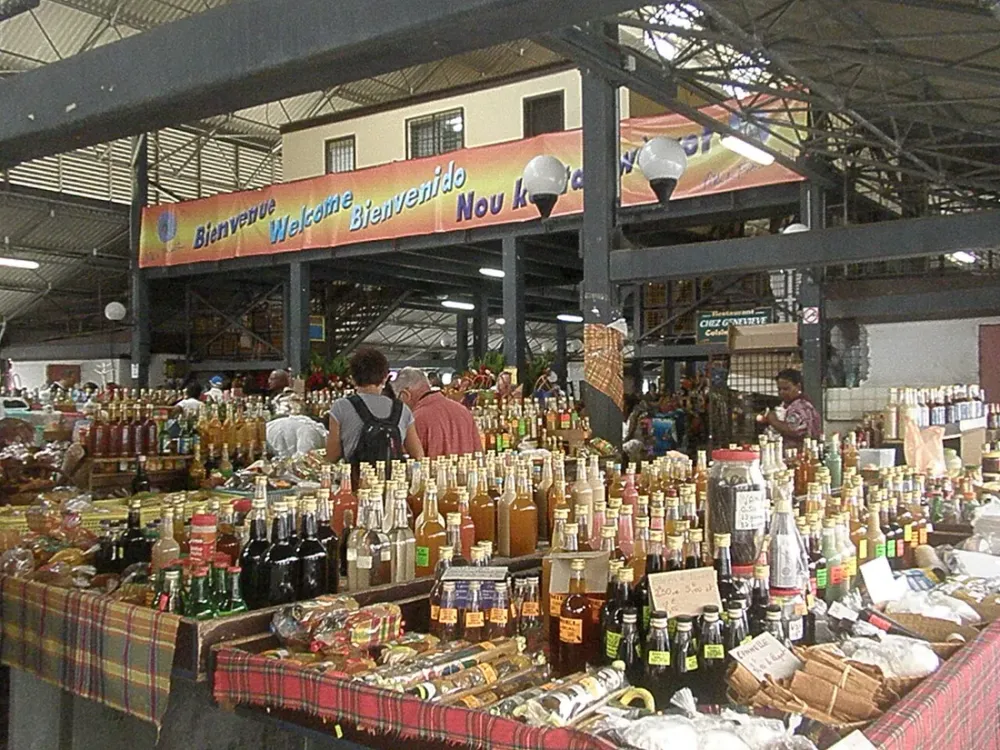
Leaving mainland France to settle in Martinique, Guadeloupe or French Guiana is not just a change of postcode: it means arriving in a Creole or multi-ethnic society with its own history, its own social codes, its own relationship to time and to nature. Many newcomers (civil service transfers, professional expatriation, career changes, homecomings) underestimate the cultural side of their move and experience the first months as a shock. Conversely, those who take the time to understand the territory quickly feel at home.
At Hostel Toucan, we regularly welcome people in the middle of a transition: while they look for permanent housing, wait for their belongings to arrive or confirm a job transfer, they need flexible temporary accommodation. This article brings together our practical advice for a successful cultural and everyday integration in the French West Indies and French Guiana, with benchmarks given for guidance only, since every situation and every season is different.
Understanding where you are landing: three territories, not one
The most common mistake is to talk about “the overseas territories” as a single homogeneous block. Martinique, Guadeloupe and French Guiana are three very different departments-regions.
- Martinique is a single island of around 1,100 km², densely populated, with a strong Antillean Creole culture, an agricultural sector (banana, sugar cane, rum) and an urban hub around Fort-de-France, Le Lamentin and Schoelcher. The relief (including Montagne Pelée in the north) creates pronounced micro-climates.
- Guadeloupe is an archipelago: two main butterfly-shaped islands (Grande-Terre, drier and more touristy; Basse-Terre, more mountainous and volcanic with La Soufrière), plus the southern islands (Les Saintes, Marie-Galante, La Désirade). Living in Grande-Terre or Basse-Terre completely changes daily life.
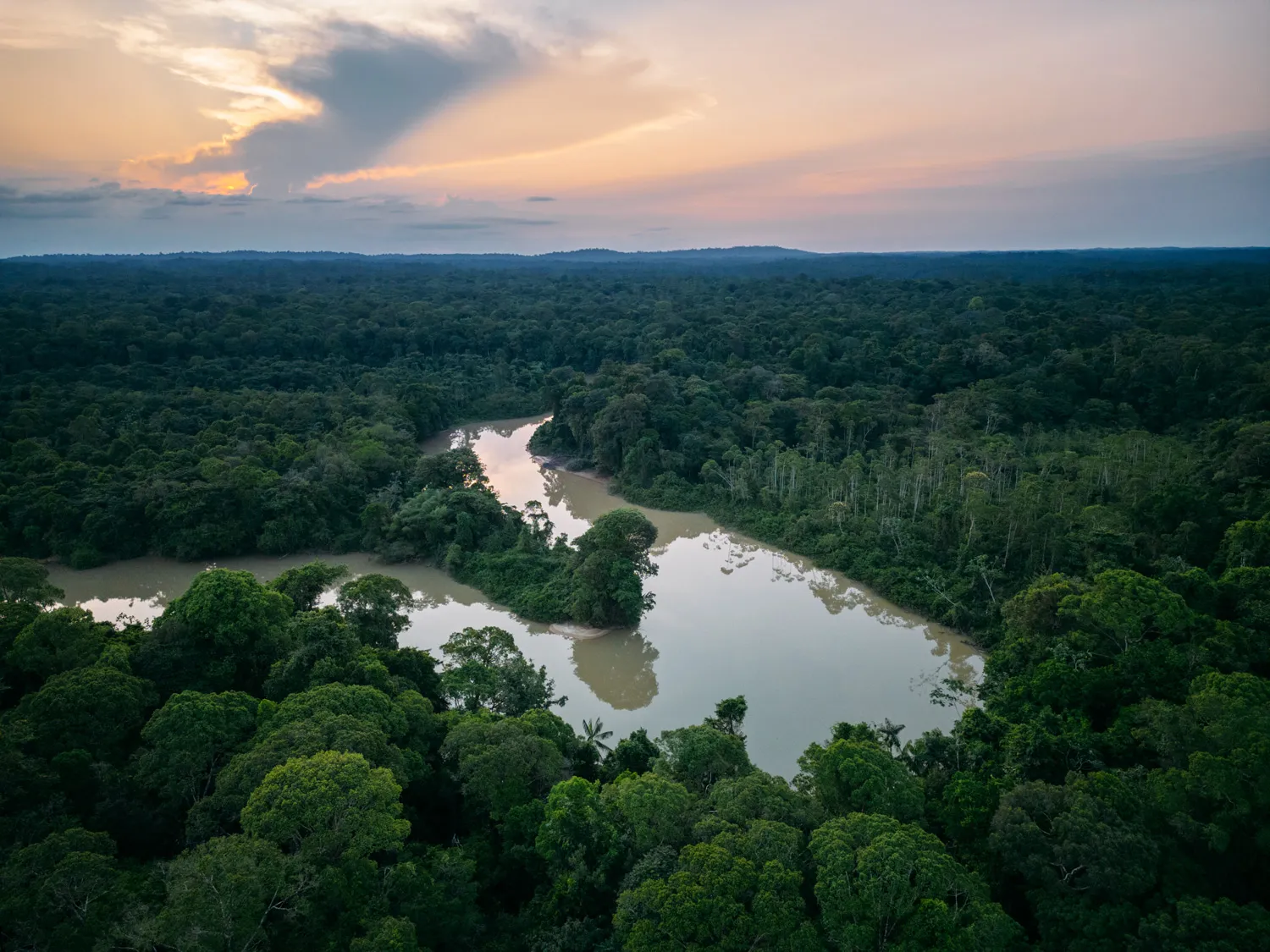
- French Guiana is a continental Amazonian territory of more than 83,000 km², bordering Brazil and Suriname, with a very diverse population: Guianese Creoles, Amerindians (Kali’na, Wayana, Teko…), Bushinengués (Businenge), Hmong, and Brazilian, Haitian, Chinese and mainland French communities. Cayenne, Kourou (space centre) and Saint-Laurent-du-Maroni are the three main hubs.
Even before you leave, research your territory and your town precisely: climate, cost of living, access to healthcare and general atmosphere vary a lot from one place to another.
Relationship to time and to people
One cultural point comes up again and again: the pace is different from mainland France. Paperwork, appointments and deliveries can take longer. There is nothing negative about this: it is simply a different relationship to time and to human connection. Conviviality, the systematic “bonjour” when entering a shop or a public office, and the central place of family and neighbourhood all matter enormously. Arriving and imposing your mainland habits is the surest way to close doors; observing, listening and adapting opens them.
Creole, languages and communication
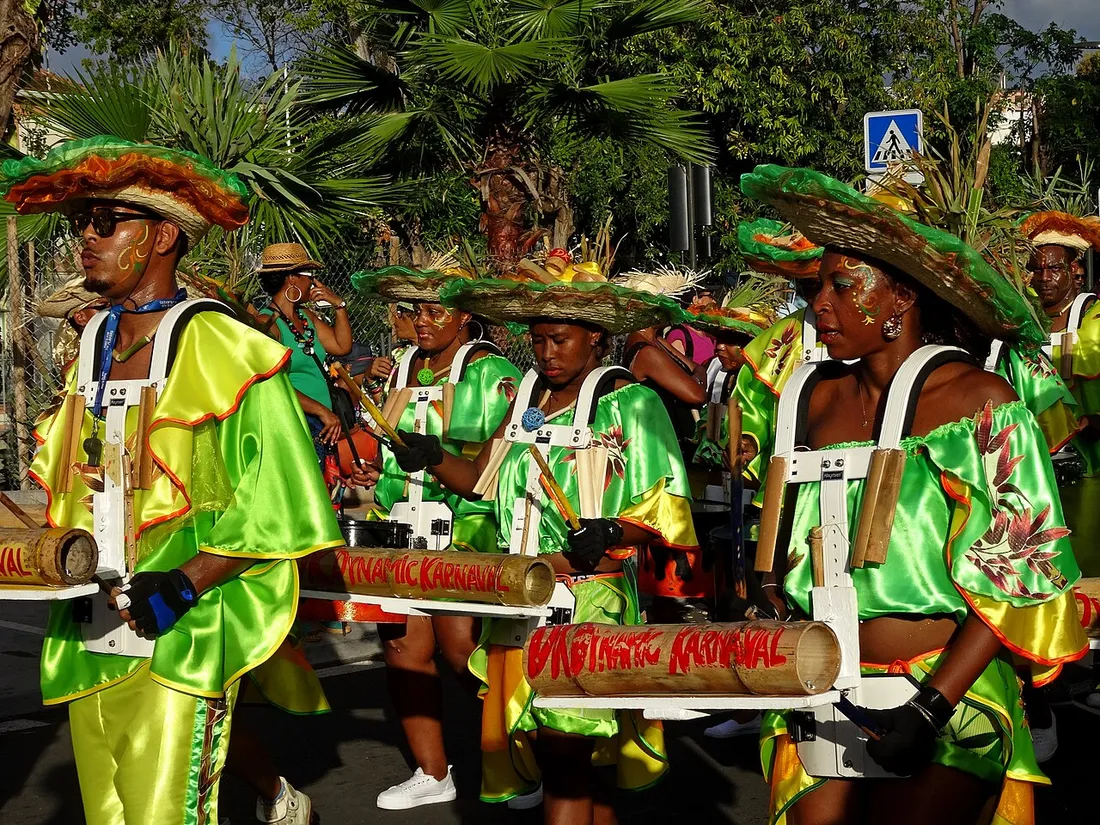
French is the official and administrative language everywhere, and you will be understood in French every day. But the living language of social relationships is often Creole (Martinican Creole, Guadeloupean Creole, Guianese Creole), and in French Guiana many other languages are added (Amerindian languages, Businenge Tongo, Brazilian Portuguese, Sranan Tongo, Hmong…).
A few simple tips:
- You do not need to speak Creole, but show interest: learning a few words and expressions is greatly appreciated and breaks the ice.
- Do not mistake Creole for “distorted French”: it is a full language in its own right, with its own grammar and literature.
- Adjust your speaking pace and vocabulary, and listen more than you speak during the first few weeks.
- In French Guiana, linguistic diversity is a genuine asset: depending on the neighbourhood and the town, you will meet very different cultures. Stay curious and respectful.
Finding a home: neighbourhoods, towns and local realities
Housing is the first major project of any move. The market is tight in the most sought-after areas, prices vary a lot depending on the town and the season, and we strongly advise not signing a lease remotely without having seen the property and the neighbourhood.
Where to look, territory by territory
- Martinique: the employment hub is concentrated around Fort-de-France, Le Lamentin, Schoelcher and Ducos. The south (Sainte-Anne, Le Marin, Le Diamant, Les Trois-Îlets) is prized for its beaches but more touristy and sometimes more expensive; the north (Le Carbet, Saint-Pierre) is greener and quieter.
- Guadeloupe: many jobs and services around Pointe-à-Pitre, Les Abymes, Baie-Mahault (Jarry business zone) and Le Gosier. Basse-Terre offers a more natural setting (Sainte-Rose, Deshaies, Bouillante) but with longer commutes to the main urban area.
- French Guiana: Cayenne and its neighbourhoods (Montabo, Cabassou, city centre), Rémire-Montjoly (residential, close to the beaches), Matoury (near Félix Éboué airport), Kourou (space industry) and Saint-Laurent-du-Maroni. Distances and road conditions need to be planned ahead.
Practical housing advice
- Plan for temporary accommodation when you arrive, so you can view properties calmly: it is the best way to avoid a rushed bad decision.
- Visit at different times of day (noise, parking, sunlight, humidity).
- Check the points specific to a tropical climate: ventilation, mosquito screens, exposure to heavy rain, presence of air conditioning or ceiling fans.
- Find out the real travel times at peak hours (traffic jams can be significant around the larger urban areas).
- Budget for security deposits and agency fees, which vary by property and are indicative only.
For this transition phase, discover our accommodation: a flexible, well-located place gives you time to choose your permanent home without pressure.
Everyday life: paperwork, health, school, budget
Administrative formalities
Anticipate as much as possible before you leave. Depending on your situation (transfer, contract, starting a business), remember to:
- Transfer your file to your employer or administration
- Update your address (bank, insurance, tax office, CAF)
- Check your health cover and registration with the CGSS (local health fund)
- Organise the shipping of your belongings (sea freight, allow several weeks)
- Prepare the documents for your children’s school or nursery
- Open or adapt a local bank account if necessary
Health and prevention
A tropical climate calls for a few good habits. Depending on the period and the territory, check with the local health authorities about the risks (mosquito-borne arboviruses such as dengue) and the preventive measures (repellents, removing standing water). In French Guiana, certain areas and certain trips may require specific precautions or vaccinations (notably yellow fever): check in advance with a healthcare professional and official sources. This information is given for guidance only and does not replace medical advice.
Budget and cost of living
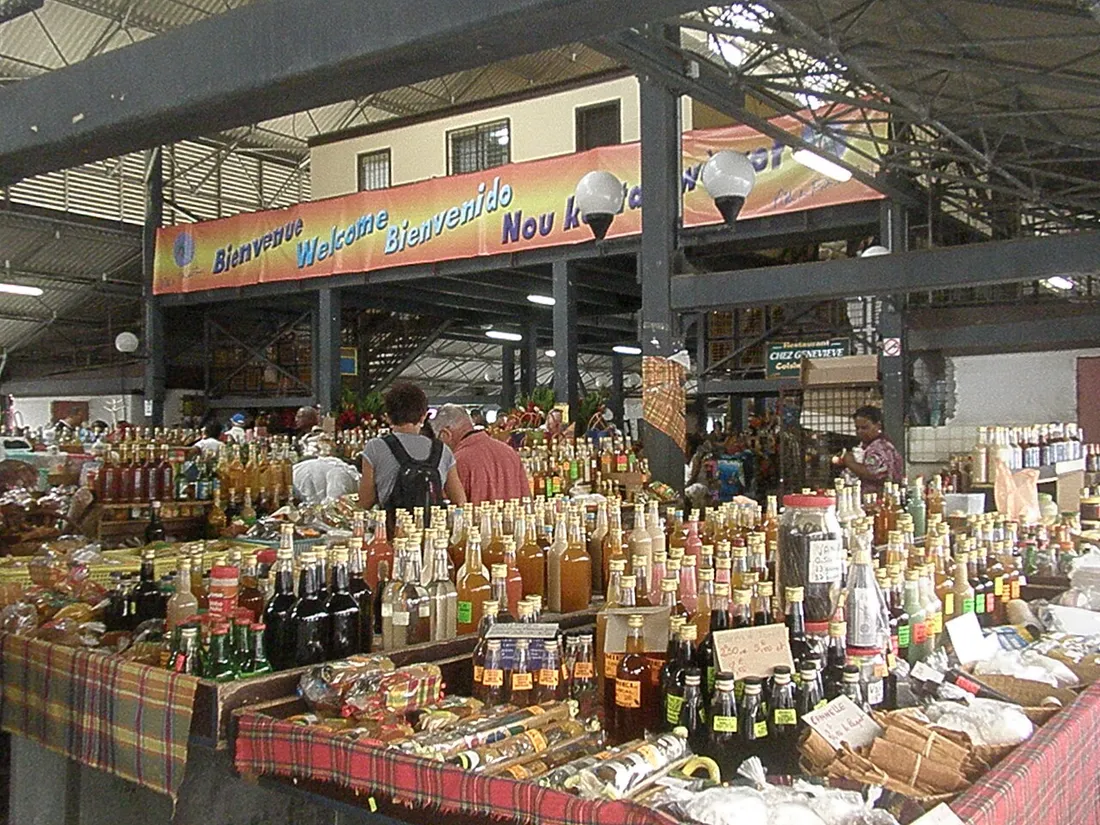
The cost of living is a real issue. Many products are imported, which weighs on certain parts of the budget (food, equipment, energy). Conversely, favouring local products (markets, seasonal fruit and vegetables, fish) helps you keep spending under control while integrating. Price ranges vary widely depending on the town, the season and your habits: build your budget on the ground, after a few weeks of observation, rather than on general averages.