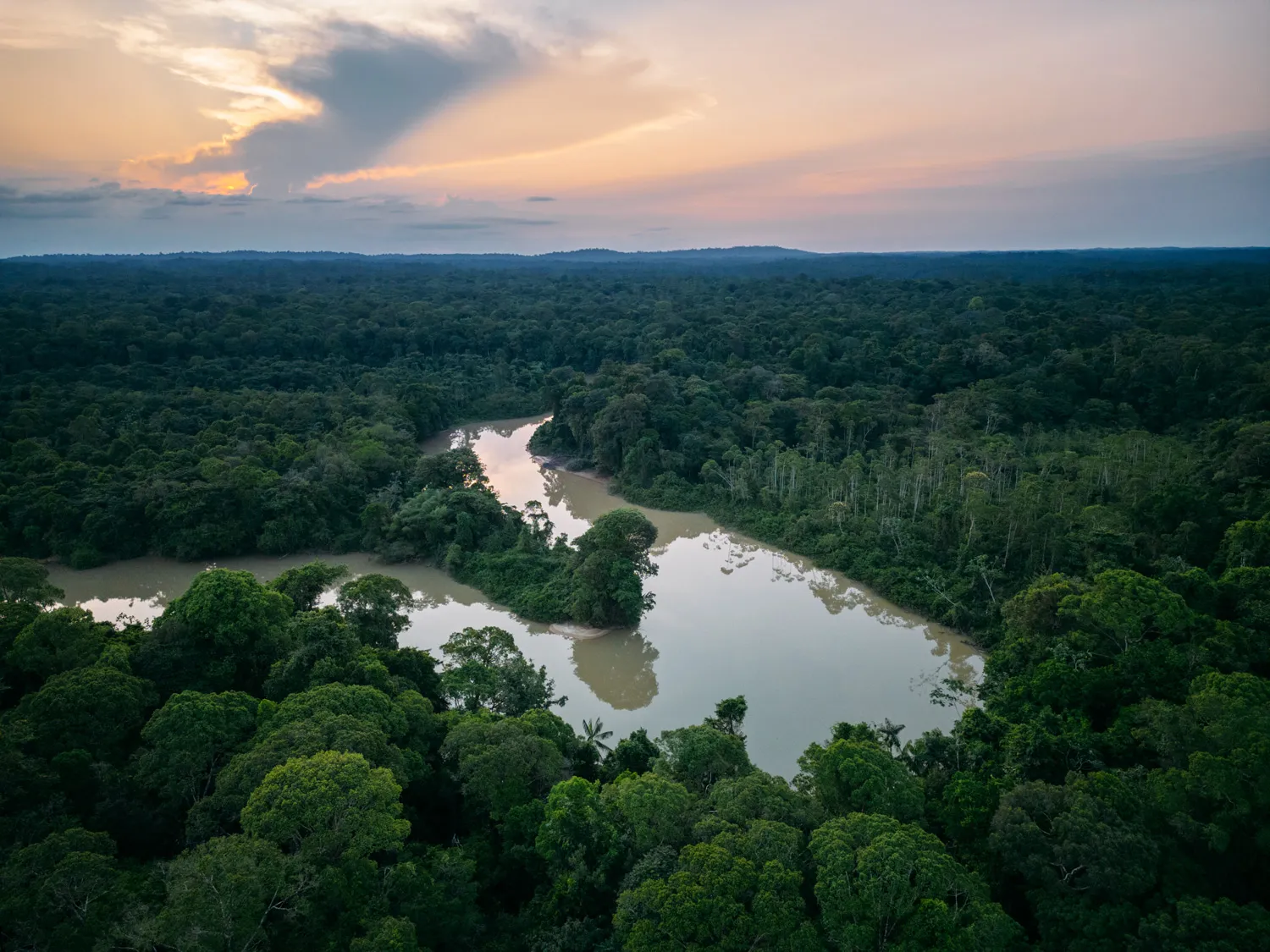
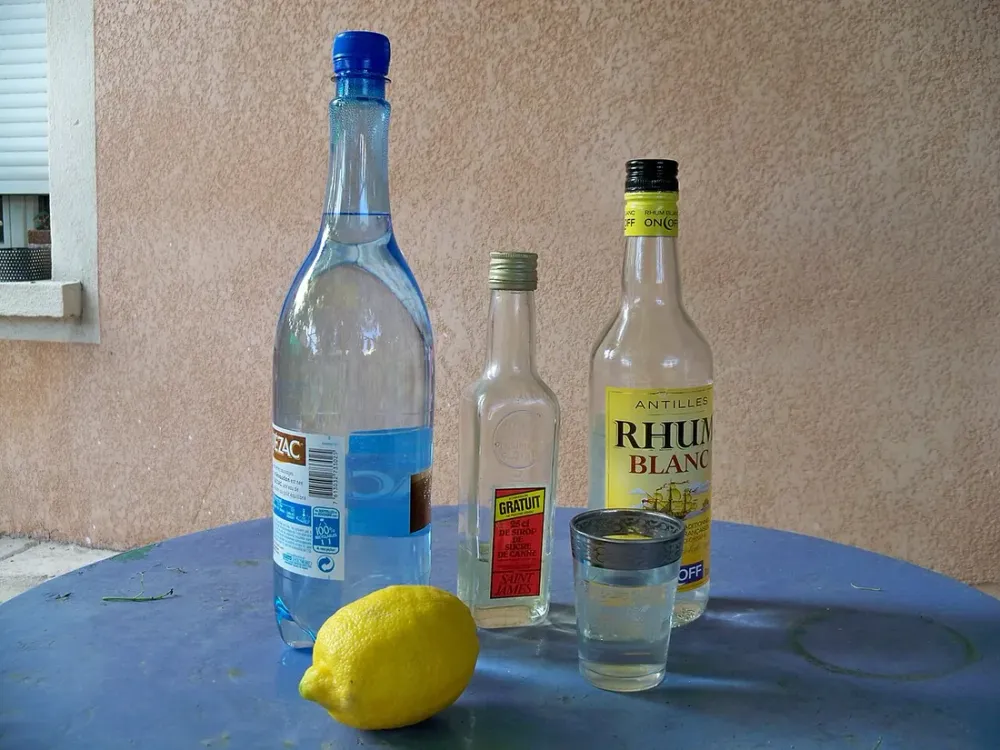
In French Guiana, the aperitif isn’t called at 6 p.m. sharp: it begins when the sun slips behind the canopy and the muggy heat finally eases off a little. And at the heart of this ritual stands one drink, the ti-punch. If you’re arriving from the West Indies or mainland France, you think you know it. Think again. Here, on this corner of French Amazonia, the ti-punch has taken liberties: it has let itself be seduced by maracuja, comou, couroupa and a handful of plants only the forest knows how to offer. After several years spent between Cayenne and Remire-Montjoly, I’ve watched this cocktail become a true local signature. Let me take you to discover it.
The Guianese ti-punch: why it’s different
The classic trio remains sacred: agricultural rum, cane sugar (or syrup), lime. The golden West Indian rule still holds: everyone makes their own (“chak moun fe ta’y”). But in French Guiana, two particularities change everything.
First, the rum. The territory is home to one of the last artisanal distilleries in the region, producing an agricultural rum from local cane. Its profile, more vegetal and lightly smoky, pairs wonderfully with the tart fruits of the forest.
Then, the Amazonian terroir. Cayenne, capital of this overseas department and region (DROM) of nearly 294,000 inhabitants, gives access to a market overflowing with fruits found nowhere else in France. The Guianese ti-punch isn’t a betrayal of tradition: it’s an adaptation to the country’s richest pantry.
The forest’s star ingredients
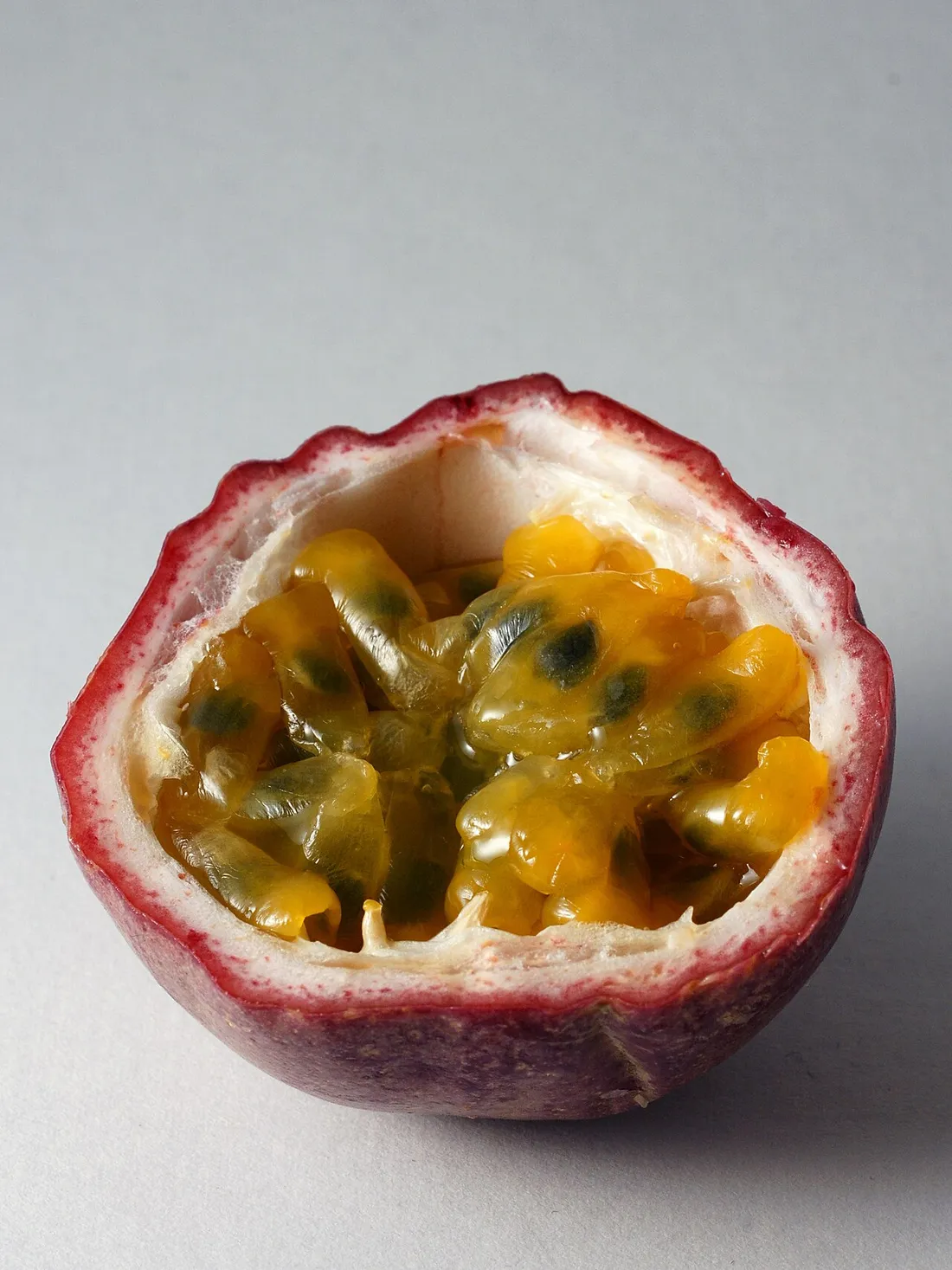
- Maracuja (passion fruit): bright acidity, dazzling aroma. The most accessible and most popular as a syrup.
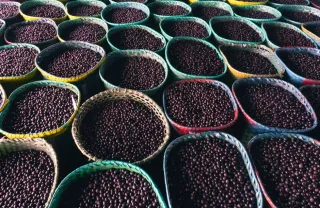
- Comou (wassai): this small purple fruit, a cousin of the acai, yields a thick, woody, lightly sweet juice. Traditionally served as a thick juice, it brings the ti-punch a surprising depth.
- Couroupa (parepou / pejibaye): fruit of the peach palm, with orange flesh. Turned into syrup, it offers gentle notes of chestnut and squash.
- Local citrus: the citron-pays and bitter orange often replace the classic lime.
- Punch plants: bois bande, ti-baume, macerated barks and roots, which flavor the rhums arranges and, by extension, certain “traditional-modern” ti-punchs.
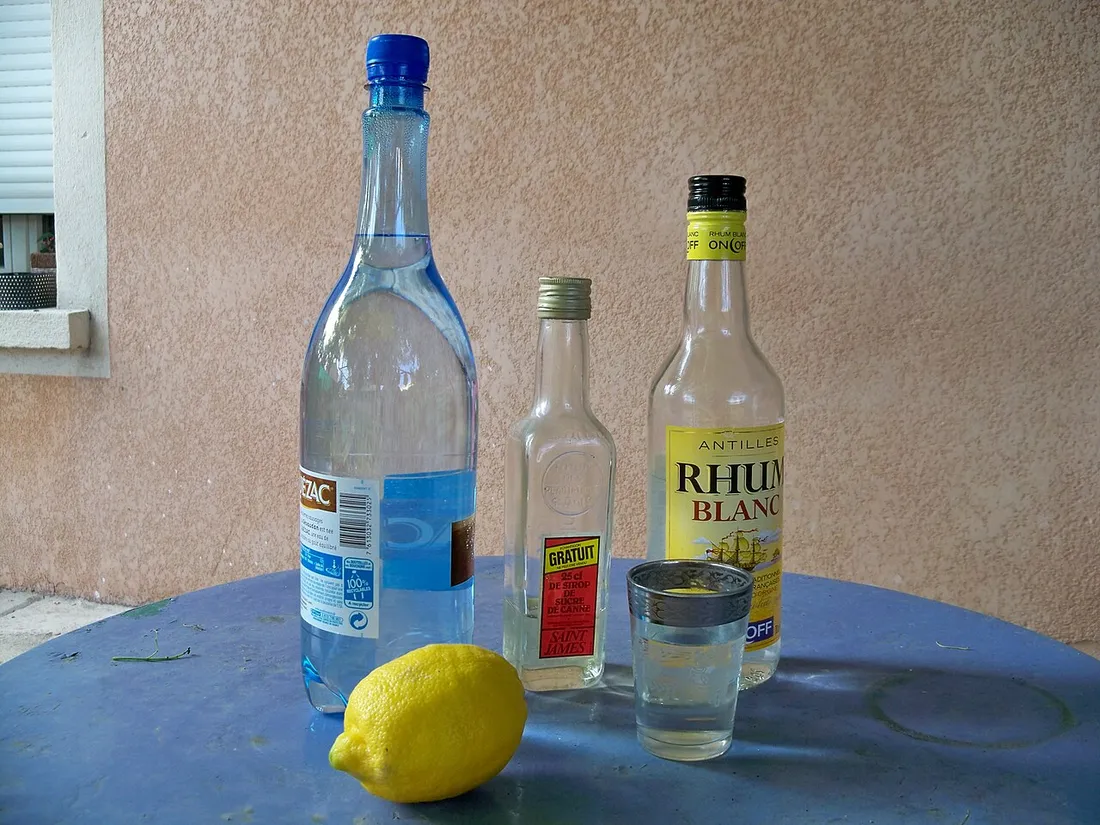
Homemade recipe: the maracuja-couroupa ti-punch
Here’s the version I prepare for my travelers at the end of their stay. Allow 2 minutes per glass.
Homemade couroupa syrup (prepare the day before)
- Cook 250 g of peeled couroupa in simmering water for 30 to 40 min, until the flesh mashes easily.
- Blend with 200 ml of the cooking water and pass through a sieve.
- Add 150 g of brown cane sugar, bring to a simmer for 5 min.
- Let cool, store cold (up to 5 days).
Assembling the ti-punch (1 glass)
- 5 cl of white agricultural rum (50 to 55 proof preferably)
- 1.5 cl of couroupa syrup
- The pulp of half a fresh maracuja
- 1 wedge of citron-pays (or lime)
Squeeze the citrus into the bottom of a stocky glass, add the syrup and the maracuja pulp, stir. Pour in the rum, stir gently. No ice in the purist version, or a single cube if the heat demands it. You sip it, you don’t down it in one go.
Local tip: replace the couroupa syrup with a spoonful of comou juice for a woodier, less sweet version, perfect at nightfall.
Where to taste the real Guianese ti-punch
No need to wait for an invitation to a local’s home, even if that’s the finest way.
The Cayenne market
The central market of Cayenne (mornings, especially lively on Wednesday, Friday and Saturday) is the place to buy artisanal syrups, maracuja by the piece, fresh comou juice and rhums arranges. Expect around 6 to 9 euros per liter of comou juice, 4 to 7 euros for a bottle of artisanal syrup. It’s also the best spot to try soupe chinoise and bouillon d’awara before the aperitif.
Place des Palmistes and Cayenne’s bars
At the end of the day, the place des Palmistes, lined with its immense royal palms, gathers the terraces. A ti-punch goes for between 5 and 8 euros depending on the establishment. It’s the ideal setting to understand why the aperitif is a social institution here.
Cacao, on Sunday
The Hmong village of Cacao (about 1h15 by road from Cayenne, toward Roura) holds its market on Sunday morning. There you’ll find the rarest forest fruits and producers who will explain, syrup in hand, the uses of Amazonian plants.