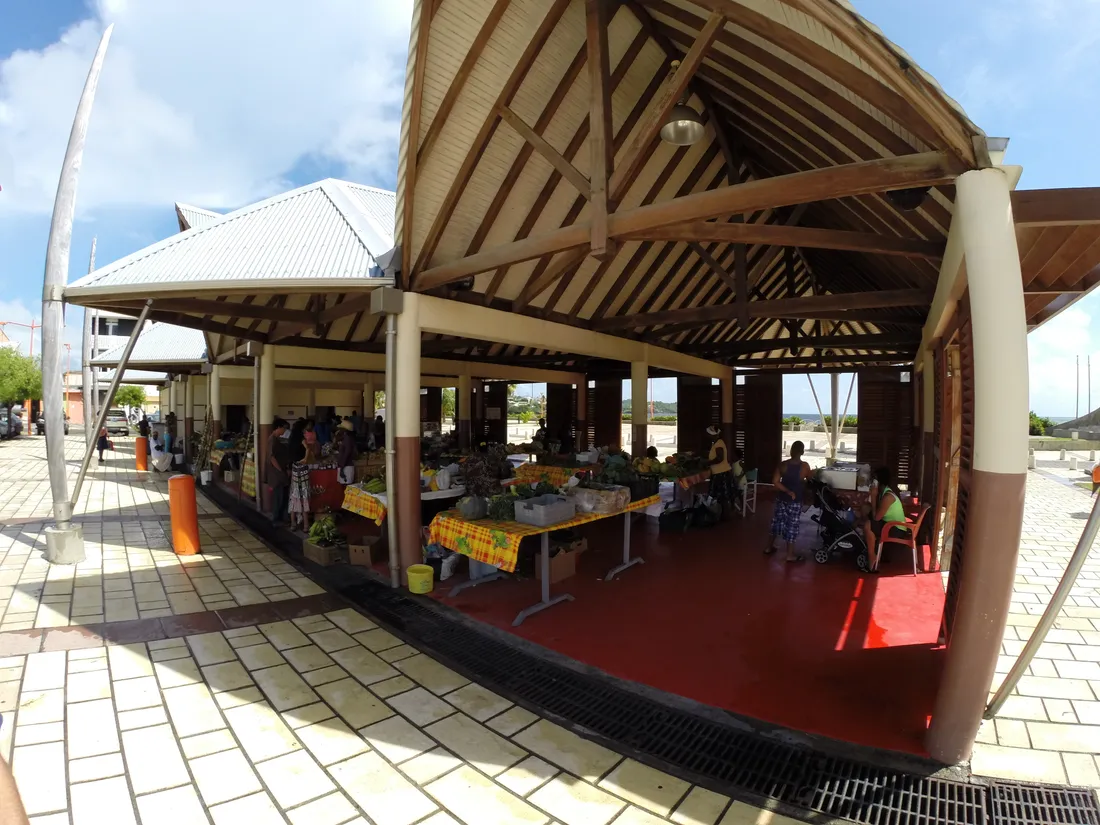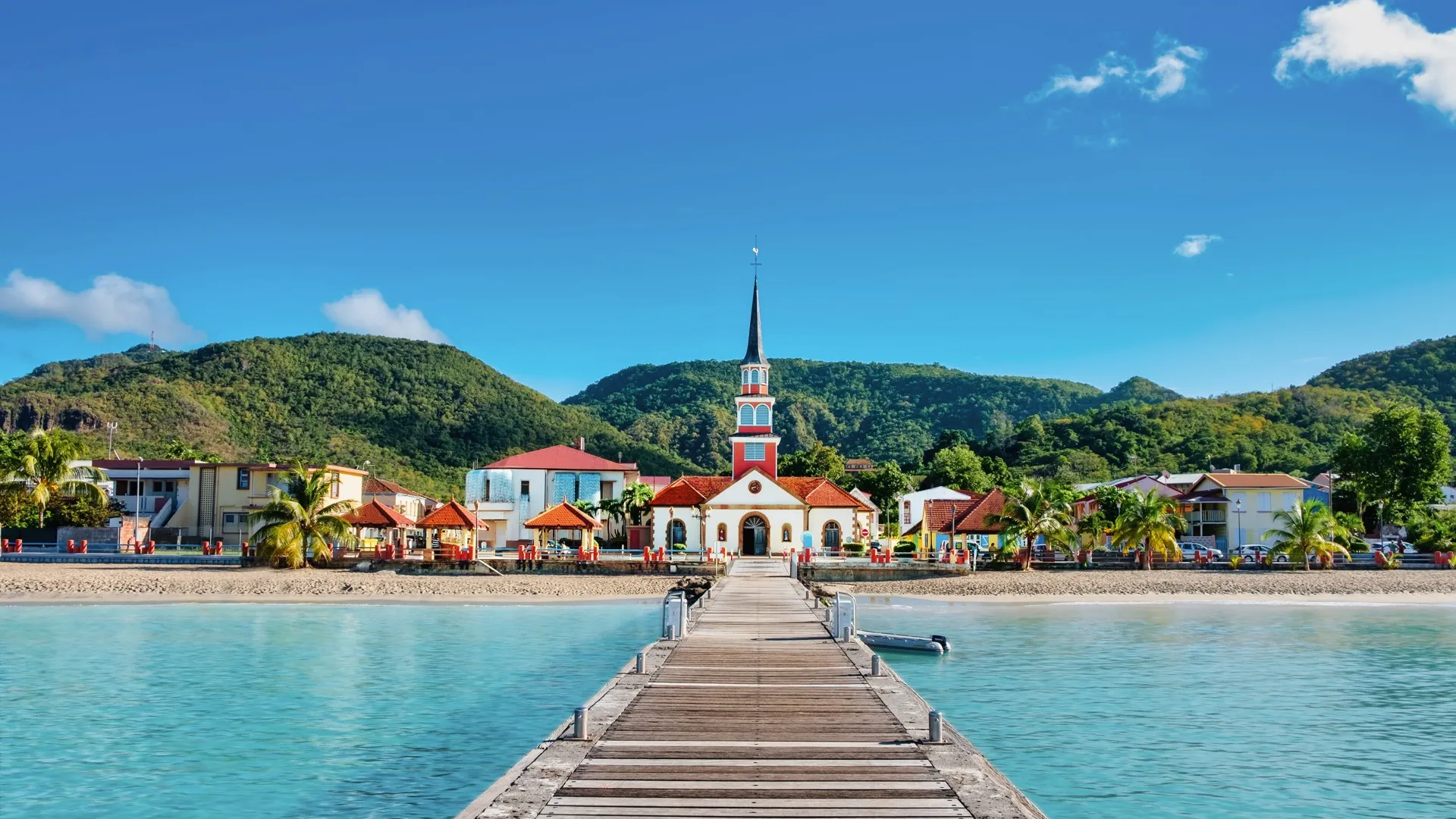
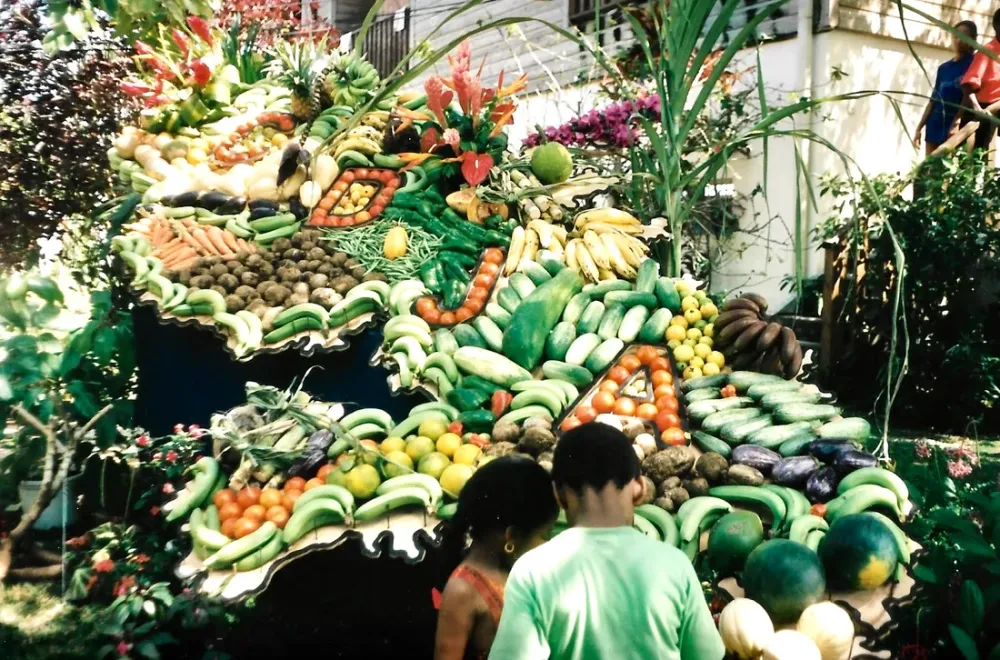
There comes a moment in every trip to Martinique when you pull over on the roadside in front of a van overflowing with mangoes, or stop at a market stall piled high with fruits you can’t even name. That’s often where the island tastes its best. After several years doing our shopping at the markets of Fort-de-France and with the growers of the South, we’ve learned one thing: the fruits of Martinique are best enjoyed to the rhythm of the seasons, and arriving at the right moment changes everything.
This guide is a living calendar. It tells you which tropical fruits of Martinique to seek out depending on the month of your trip, how to recognise perfectly ripe fruit, and where to buy it at the best price. Because a Julie mango picked in June has nothing in common with the imported, bland one you sometimes find out of season.
Understanding fruit seasonality in Martinique
Martinique, a French overseas department of around 360,000 inhabitants, lives under two seasons. The Carême (dry season, December to April) and the hivernage (rainy season, June to November) set the rhythm of flowering and fruiting. Contrary to popular belief, you won’t find every fruit all year round: each species has its window.
A few markers every local knows:
- The Carême (December–April) is the season of citrus, golden apple, sugar apple and the start of the sapodillas.
- The hivernage (May–October) bursts with mangoes, quenettes, star apples and breadfruit.
- Some fruits, such as banana, pineapple and papaya, are harvested almost year-round thanks to the steady tropical climate.
Good news for travellers: the best tourist season, the Carême, coincides with superb tangy fruits, while summer, wetter but cheaper for accommodation, offers the peak of the mangoes. Whatever your window, there’s always plenty to fill a basket.
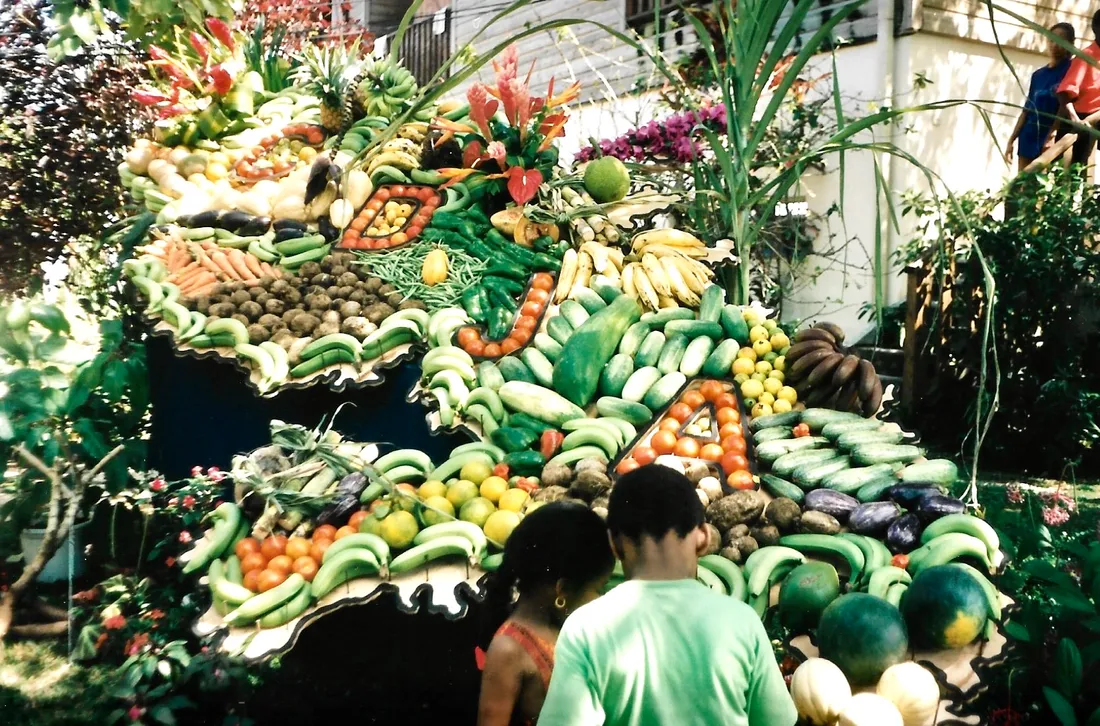
The month-by-month calendar of Martinique’s tropical fruits
Here, in broad strokes, is what you’ll find most flavourful depending on the season of your stay. The dates remain indicative: a very wet year or a dry spell can shift a harvest by several weeks.
From December to April (the Carême)
This is the season of the tangy and the fragrant:
- Golden apple (prune de Cythère): small, oval, green-yellow, with crunchy, tart flesh. Perfect as juice or in souskaï (marinated in salt, lime and chilli). Peaks from January to March.
- Sugar apple (pomme-cannelle): scaly green skin, creamy sweet white flesh. A delight eaten with a spoon, from December to March.
- Carambola (star fruit): star-shaped when cut, more decorative than sweet, ideal as juice.
- Local citrus: lime (essential to a ti-punch), bitter orange, mandarin, grapefruit from December to February.
- Maracudja (passion fruit): very present at the start of the year, tangy, perfect as fresh juice.
From May to August (the heart of the tropical summer)
The great season, the one all Martinicans wait for:
- Mango: the queen. The mango season in Martinique runs roughly from May to August, peaking in June–July. The Julie (small, fragrant, fibreless) and Bassignac (elongated, ideal for jam) varieties are the most sought-after. Expect 3 to 5 € per kilo at the markets in high season.
- Quenette: these little green beads sold in clusters, with tart pink pulp around a large stone, are the summer street snack. You “suck” them more than you eat them.
- Star apple (caïmite): purple or green skin, milky, sweet flesh that forms a star when cut. Delicate, it’s mostly found at the growers’.
- Breadfruit: more vegetable than fruit, but everywhere in summer, roasted or fried.
- Golden apple (a second harvest in some areas) and sugar-loaf pineapple, sweet and barely fibrous.
From September to November (the end of the hivernage)
A transitional season, still generous:
- Soursop (corossol): large, spiky green fruit with fibrous white flesh, fragrant and slightly tart. Star of juices and sorbets. Found from summer into autumn.
- Sapodilla: small brown ball with melting flesh tasting of caramel and pear. Discreet but addictive.
- Guava: fragrant, perfect as juice, nectar or jelly.
- Papaya and banana (apple-banana, dessert banana): available all year, but excellent at this time.
- Golden apple, passion fruit and the first oranges heralding the return of the Carême.
Recognising ripeness: the market gestures
Buying a perfectly ripe tropical fruit takes a bit of eye and nose. Here are our field markers, the ones the market vendors will gladly show you if you ask:
- Mango: it should yield slightly under the thumb and give off a sweet aroma at the stem. Colour matters little (some stay green while ripe).
- Soursop: it softens markedly when ripe, like a very ripe avocado. Buy it a little firm if you’ll eat it the next day.
- Sugar apple: the scales spread slightly and the fruit softens. Too hard, it sometimes never ripens well.
- Star apple: shiny, supple skin, no wrinkles. Avoid the green part near the skin, which is slightly astringent.
- Quenette: choose clusters that are good and green and firm; once yellowing, they turn quickly.
- Sapodilla: it should be supple and the skin should scrape off slightly to reveal brown flesh.
An insider’s tip: never hesitate to ask for a taste. At Martinican markets it’s part of the culture, and it’s also how you learn to tell a Julie from some random grafted mango.