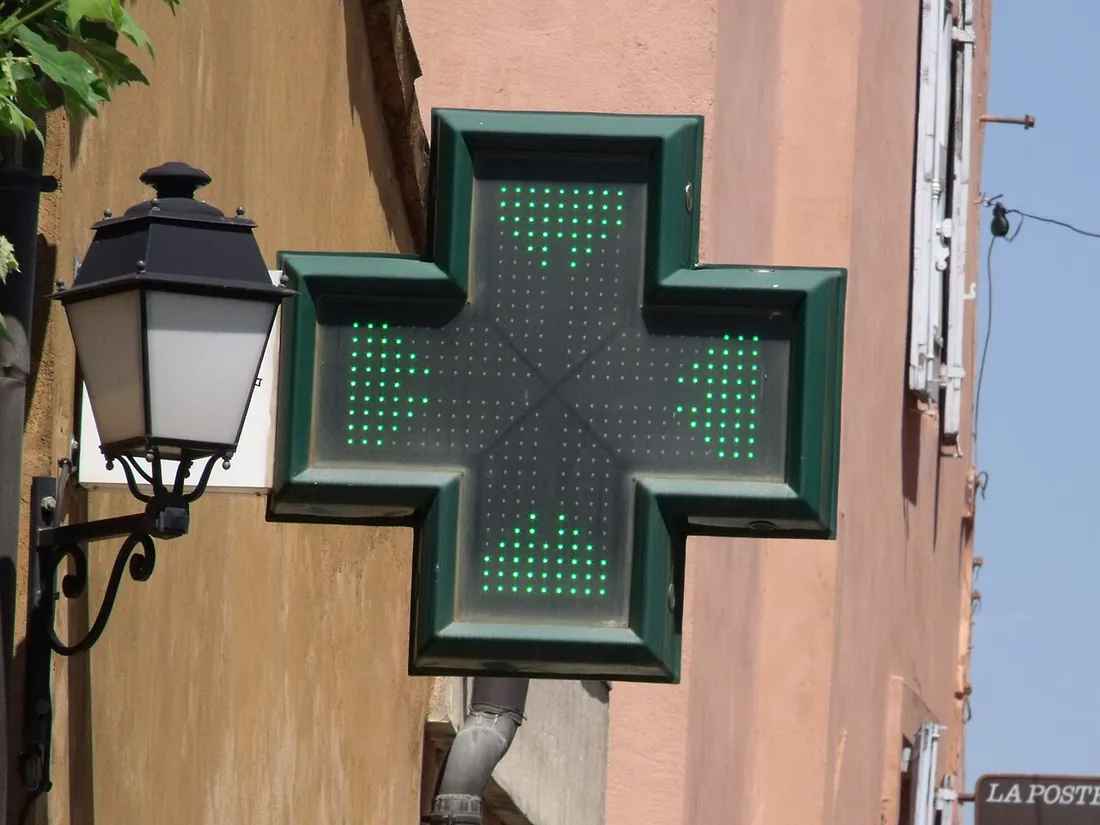
It’s one of the most common questions before a trip: do you need to prepare anything health-wise for a visit to Guadeloupe? The good news is that preparing your health for a trip to Guadeloupe is almost the same as for a holiday in mainland France. You’re heading to a French department: the Carte Vitale is accepted, pharmacies fly the green cross, and no vaccine is mandatory. That leaves three topics worth really knowing: mosquitoes (and dengue), tap water that varies from one town to the next, and a few common-sense habits in the tropics. After years welcoming travellers between Sainte-Anne and Deshaies, here is our complete rundown, without dramatising or downplaying anything.
Vaccines for Guadeloupe: nothing mandatory, a few recommendations
Let’s start by dispelling the most stubborn myth: no vaccine is required to enter Guadeloupe from mainland France or the European Union. No yellow fever, no certificate to show at Pôle Caraïbes airport.
What the health authorities do recommend, however:
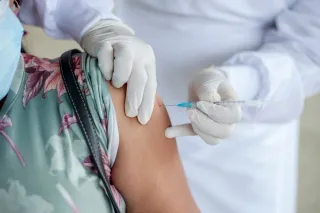
- DTP (diphtheria-tetanus-polio): a booster less than 20 years old (10 years after age 65). A cut on coral or in a ravine happens fast.
- Hepatitis A: advisable if you eat at the lolos and the markets. Around €50 a dose if it isn’t covered.
- Hepatitis B and typhoid: only for long stays; your doctor will decide.
- Yellow fever: not required for Guadeloupe, but mandatory if you continue on to French Guiana (the vaccine must date from at least 10 days before entry).
An appointment with your GP 4 to 6 weeks before departure is enough.
What about malaria?
A recurring question: there is no malaria in Guadeloupe. No antimalarial treatment to plan for, whether in Grande-Terre, Basse-Terre, Les Saintes or Marie-Galante. The local mosquito poses a different problem, which is the next topic.
Dengue in Guadeloupe: the real prevention issue
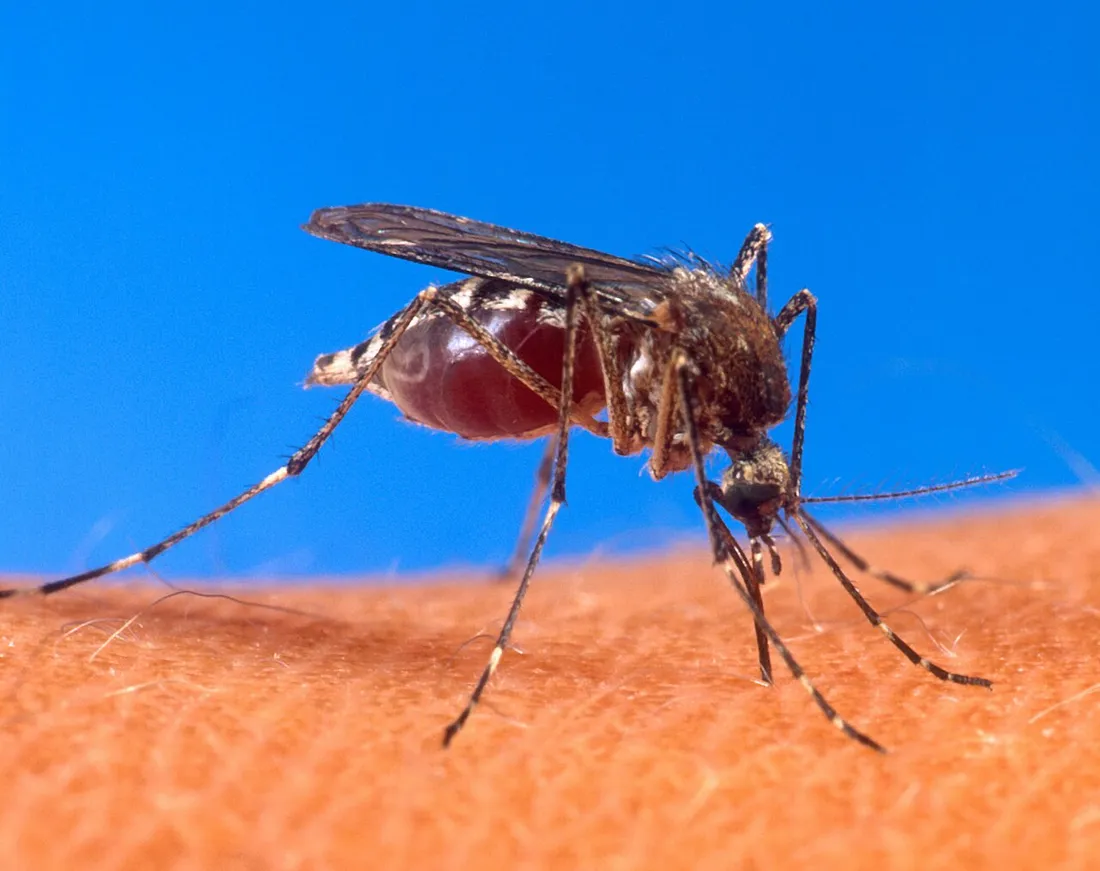
If there is one point we stress with every arrival, it’s this one. Dengue in Guadeloupe circulates endemically, with cyclical epidemic episodes that sometimes affect several thousand people. Chikungunya and Zika, transmitted by the same mosquito, have been quieter in recent years but remain monitored by the ARS (regional health agency).
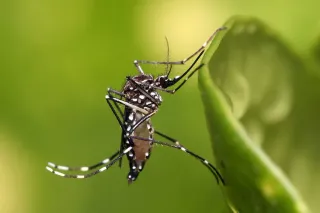
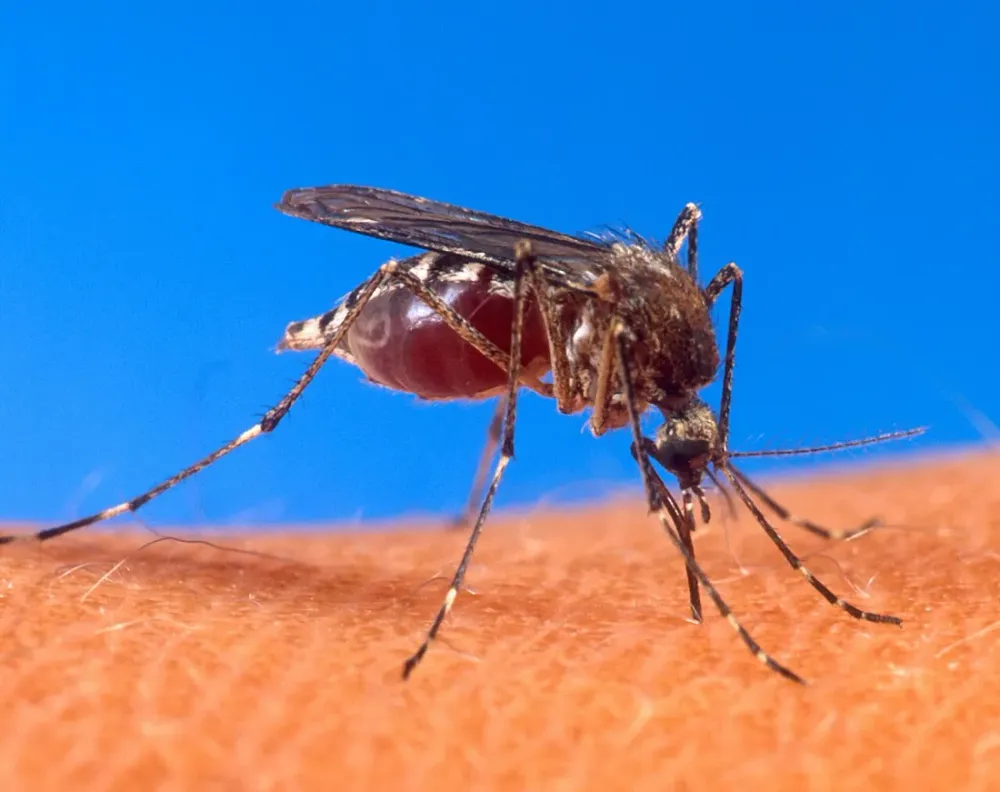
The vector, Aedes aegypti, is a daytime mosquito: it bites mainly at dawn and in the late afternoon, not at night. That changes the whole strategy compared with mosquitoes in mainland France.
The right anti-mosquito habits, tested day to day
- A skin repellent based on DEET (30 to 50%) or icaridin: €8 to €12 a bottle at the pharmacy locally. Apply it in the morning and around 4-5 p.m., not only in the evening.
- Light-coloured covering clothing for hikes in Basse-Terre, especially around the Carbet Falls where the humidity of the tropical forest concentrates mosquitoes.
- Air conditioning or a fan at night: moving air disrupts the mosquito’s flight. Our properties are equipped with it, many with mosquito nets.
- Hunt down standing water: a flowerpot saucer is enough for Aedes to lay eggs. In a villa, empty saucers and buckets after every shower, especially from June to November.
Symptoms: when to see a doctor
Sudden fever, pain behind the eyes, intense aches (“breakbone fever”), sometimes a skin rash: if this occurs during your stay or up to 15 days after, see a doctor and mention Guadeloupe. The golden rule: no ibuprofen or aspirin in case of suspected fever (risk of bleeding), only paracetamol while awaiting medical advice. The consultation costs the standard rate, around €30, reimbursed as in mainland France.
Drinking water in Guadeloupe: the truth, town by town
Here’s the subject that deserves the most nuance. Officially, tap water in Guadeloupe is drinkable: treated and monitored by the ARS. In practice, the network suffers from ageing infrastructure and two phenomena can complicate a traveller’s life:
- The “water rounds” (tours d’eau): scheduled cuts by sector to manage pressure on a leaky network. The schedule is published by the operator (SMGEAG) and we relay it to the travellers concerned.
- Cloudy water after heavy rain, especially in Basse-Terre where the river intakes pick up sediment. Discoloured water should not be drunk, full stop.
In concrete terms, here’s what we tell our guests:
- Coastal Grande-Terre (Sainte-Anne, Saint-François, Le Gosier, Le Moule): tap water is generally fine, but cuts are possible in the dry season. Keep 5 to 10 litres in reserve in the property.
- The leeward coast (Bouillante, Deshaies): after a heavy rainy spell, switch to bottled water for a day or two.
- Everywhere: for infants, pregnant women and immunocompromised people, bottled water remains the simple choice. A pack of 6 × 1.5 L of local spring water (Capès, Matouba) costs €3 to €5 at the supermarket.
Ice cubes, raw vegetables, market fruit: no particular concern, hygiene standards are those of France.