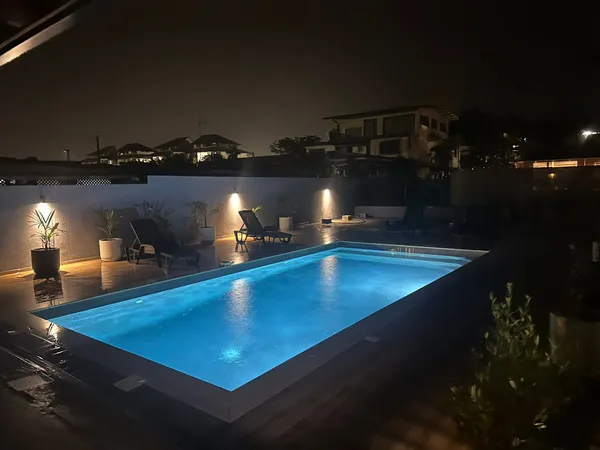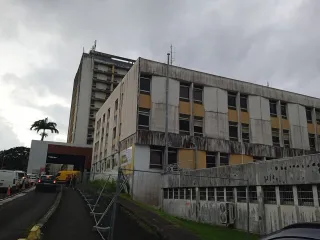
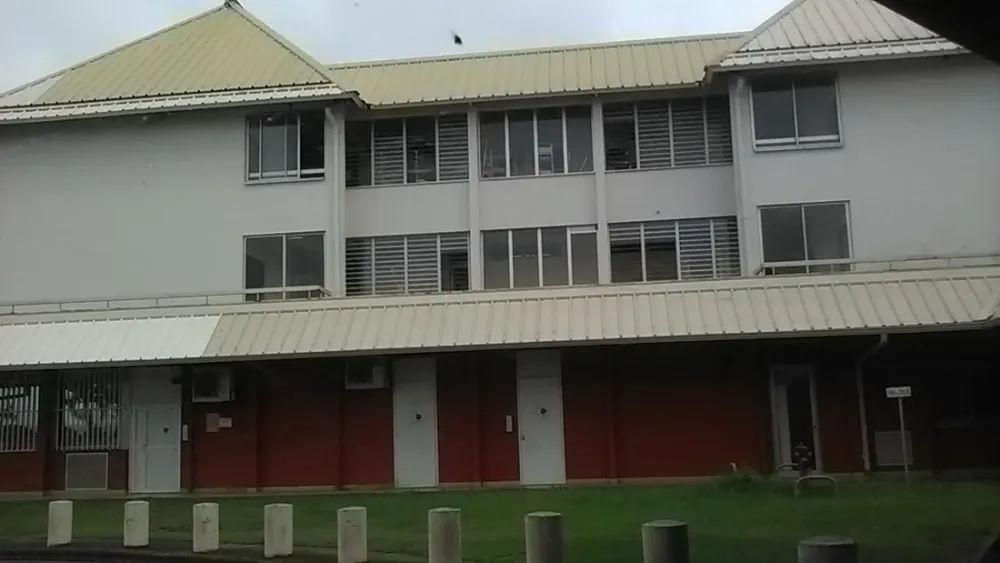
You have just received your posting to the Centre Hospitalier de Cayenne (CHAR), the Andrée Rosemon hospital, and you are preparing to leave mainland France. Nurse, care assistant, doctor, midwife, physiotherapist or administrative staff: a transfer to French Guiana is a rewarding professional and human adventure, but the housing question comes up fast, and it is more complex than back home. A tight market, neighbourhoods you need to know, deceptive distances, guarantees that are sometimes hard to assemble from a distance: it pays to arrive prepared. This guide gives you the facts on how to find housing close to the CHAR, separating the urgency of the first few weeks from a lasting move. All price ranges are indicative only: the Guianese market shifts, and your terms will depend on the season, the neighbourhood and the condition of the property.
Where the CHAR is located and why proximity matters
The Centre Hospitalier de Cayenne sits on avenue des Flamboyants, in the Madeleine district, in the south-east of Cayenne. It is the largest healthcare facility in French Guiana, home to the emergency department, the maternity unit, intensive care and most of the territory’s reference services.
Proximity is not simply a matter of comfort. In French Guiana, several realities make location crucial:
- Irregular hours. Night shifts, 6 a.m. starts, late finishes: relying solely on a long commute is exhausting, especially during the first year.
- Traffic across the urban area. At peak times, traffic between Cayenne, Matoury and Rémire-Montjoly can be heavy. A distance that looks short on a map can mean a genuinely long journey.
- Limited public transport. The bus network exists but remains less dense than in mainland France and is poorly suited to hospital hours. In practice, a car is close to essential.
- Safety and peace of mind. Some Cayenne neighbourhoods are more pleasant to live in than others. Choosing your area well from the outset avoids a rushed second move.
The realistic goal is not necessarily to live right next door to the hospital, but within a radius that leaves you a reasonable commute, in an environment where you feel at home.
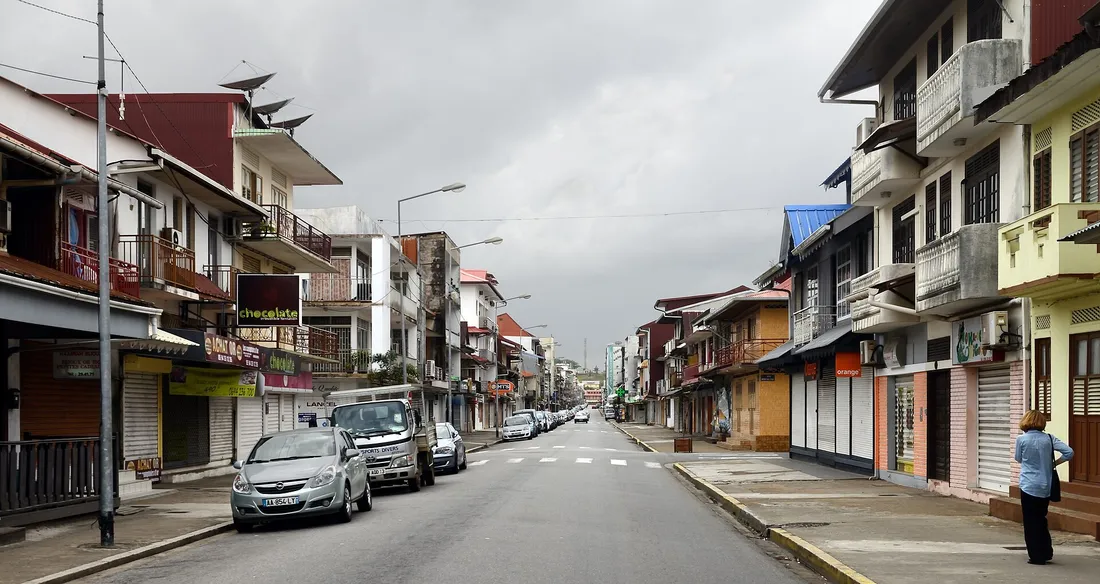
Neighbourhoods and towns to know around the CHAR
The Cayenne urban area brings together three main towns: Cayenne, Rémire-Montjoly and Matoury. Here are the useful landmarks for a CHAR healthcare worker.
Cayenne: close to work, city atmosphere
Living in Cayenne means being as close as possible to the hospital. Nearby or practical districts include la Madeleine (home to the CHAR), Montabo (residential, sought-after, with sea views from the heights), Baduel, Mont Lucas and the Bourda area. The historic town centre is lively but noisier, and parking there is difficult. Montabo and the heights are popular with healthcare staff and families for their quieter setting.
Rémire-Montjoly: the family compromise
Rémire-Montjoly is the residential town par excellence of the urban area, valued for its beaches (plage des Salines, plage de Montjoly), its recent housing developments and its greener setting. It is a frequent choice for healthcare workers arriving with their family. The commute to the CHAR remains reasonable depending on the area, but plan around rush hour.
Matoury: proximity and airport access
Matoury is the town closest to Félix Éboué airport and offers plenty of recent housing (Balata, La Chaumière, the Larivot area). Access to the CHAR is via the main roads. It is an appealing option if you travel to mainland France often or if you are looking for a new build.
To explore properties available in these areas, take a look at our properties in French Guiana.
Step 1: temporary housing for the first few weeks
The classic mistake is trying to sign a long-term lease from mainland France, without having seen either the property or the neighbourhood. In French Guiana more than anywhere else, it is often wiser to arrive with temporary accommodation booked, then look for your permanent home once on site, with full knowledge of the ground.
A temporary furnished rental (studio, apartment or small house) offers several advantages for a healthcare worker who has just landed:
- You are up and running from day one, without waiting for your shipping container to arrive or having to buy furniture.
- You visit neighbourhoods for real, at different times of day, before committing.
- You avoid remote scams (fake listings, deposits demanded before viewing), which are unfortunately present on the market.
- You take the time to put together a solid rental application once you are there.
As a guide, allow a transition period of one to three months before finding and moving into your long-term home. That timeframe varies with the season and how tight the market is.
What turnkey temporary accommodation saves you
- Negotiating water, electricity and internet under pressure.
- Panic-buying furniture and appliances.
- Signing a rushed lease in a neighbourhood you do not know.
That is exactly the kind of solution offered by our property management service through ready-to-live-in furnished homes. For your arrival, our properties can serve as a base while you settle in.
Step 2: finding your long-term home
Once temporarily settled, you can start your real search. Here are the points to watch that are specific to French Guiana.
The market and indicative prices
The rental market in the Cayenne urban area is tight: demand often exceeds supply, particularly for quality, well-located properties. Rents are generally higher than people imagine, due to the territory’s relative isolation and the cost of construction.
As a purely indicative guide, and depending on the season, the town and the condition of the property:
- A furnished studio or small one-bedroom generally falls in the lower to middle range of the market.
- A family three-room apartment in a residential area (Rémire, Matoury) sits higher, and higher still with a pool or in a new development.
- Furnished rentals cost more than unfurnished ones, but save you buying furniture.
Treat these benchmarks only as orders of magnitude: always ask for recent listings and compare on the ground.
The rental application and guarantees
Landlords and agencies ask for a standard application (identity document, employment contract or employer’s certificate, payslips, sometimes a guarantor). As a permanent or contract hospital employee at the CHAR, your status is reassuring for a landlord: highlight your posting certificate.
Also look into the support available to you:
- Your hospital employer’s social welfare benefits (relocation assistance depending on your status).
- The Visale guarantee for the under-30s and certain employees.
- CAF housing benefits, depending on your income.
The search checklist
- Set a realistic rent budget (including charges, water, electricity, air conditioning)
- Choose 2 or 3 target neighbourhoods around the CHAR and visit them at different times of day
- Check the real travel time to the hospital at your actual shift-start times
- Check for air conditioning, mosquito screens and plumbing in good condition
- Check the property’s internet connection and mobile coverage
- Put together a complete application (CHAR posting certificate, supporting documents, guarantor if needed)
- Be wary of any request for payment before a viewing or signature
- Plan for temporary housing so you never have to sign in a hurry