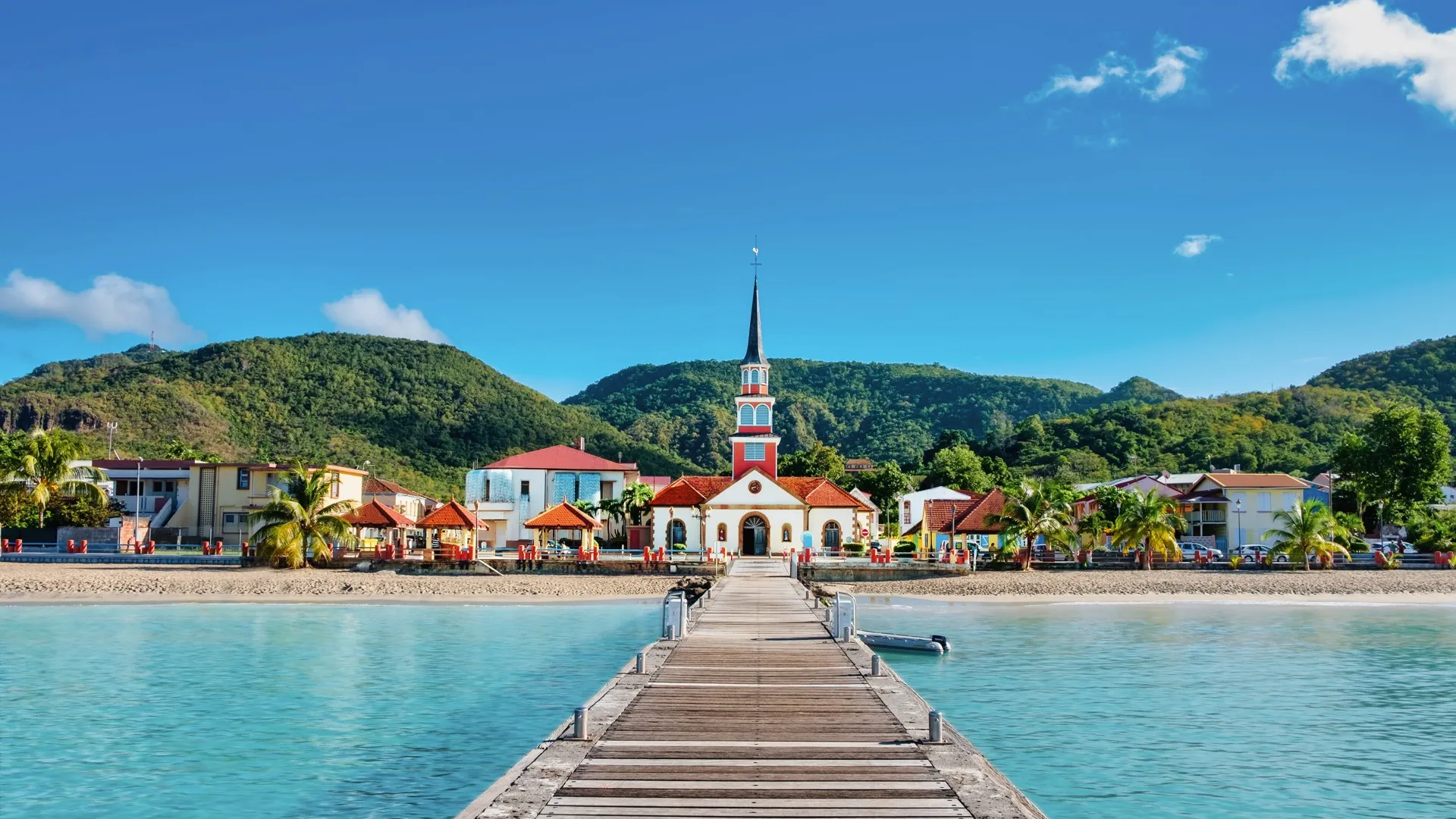

You have just been granted your transfer to the CHU de Martinique (the CHUM) and moving day is approaching. Between wrapping up your post in mainland France, relocating 7,000 km away, starting your new role and hunting for a long-term home, the timeline is tight. The good news: thousands of healthcare workers settle in the French West Indies every year, and the path is well mapped out once you know the local realities. This guide gathers the essentials for a care assistant, a nurse, a doctor or a healthcare manager transferring to Martinique: understanding the hospital’s geography, choosing your area, securing a place to stay while you search, and avoiding the classic pitfalls of arriving overseas.
Understanding the CHU de Martinique and its geography
The CHU de Martinique is not a single site: it is a hospital network spread across several locations around the Fort-de-France conurbation. Knowing where you will actually be assigned determines everything else, starting with your choice of neighbourhood.
The main sites are:
- La Meynard, in Fort-de-France, the historic site and the main technical hub (A&E, intensive care, many medical and surgical departments).
- Clarac, also in Fort-de-France, geared in particular towards geriatrics, rehabilitation and certain specialties.
- Mangot-Vulcin, in the commune of Le Lamentin, more recent, with a maternity unit, paediatrics and several departments.
- The Colson site, up in the heights, more specialised (psychiatry, follow-up care depending on how services are organised).
In practical terms, a post attached to Mangot-Vulcin (Le Lamentin) does not involve the same commute as a post at La Meynard (Fort-de-France) or Clarac. Before signing a lease, confirm your exact assigned site and your working hours (day, night, rotating shifts) with the nursing management or your supervisor: it is the single most decisive piece of information for your move.
Distances and traffic, the real constraint
Martinique is a small island (roughly 60 km from north to south), but traffic around Fort-de-France and Le Lamentin is heavy at peak times. A journey that looks short on the map can drag on between 6.30 a.m. and 8.30 a.m., and again in the late afternoon. For a healthcare worker on shift patterns, this cuts both ways: early morning or night starts sometimes avoid the jams, but public transport is then less convenient. Many health professionals therefore choose a home close to their site, even if it means settling for a little less space.
Choosing your neighbourhood based on your assigned site
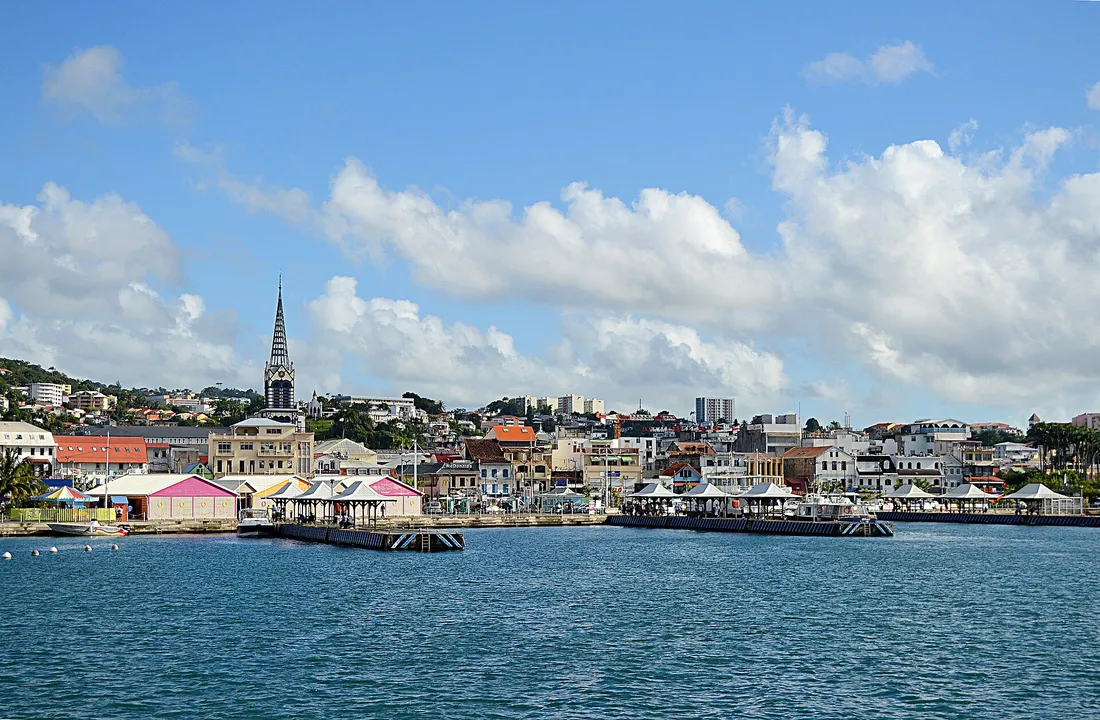
The right neighbourhood depends on your personal balance: proximity to work, budget, a taste for the sea or for quiet, whether you have a family and children to enrol in school.
Around Fort-de-France (La Meynard, Clarac)
- Fort-de-France (Didier, Cluny, Redoute, Balata): close to the La Meynard and Clarac sites. Didier and Cluny are well-regarded residential areas; Balata climbs into the heights, where it is cooler.
- Schoelcher: the neighbouring commune, by the sea, home to the university, very popular with managers and families. Reasonable journeys into Fort-de-France outside peak hours.
Around Le Lamentin (Mangot-Vulcin)
- Le Lamentin: a central commune, close to the airport and the retail parks, handy for a post at Mangot-Vulcin.
- Ducos and Rivière-Salée: further south, slightly more affordable, a good compromise if you work in Le Lamentin and want peace and quiet.
The seaside south (for those willing to drive)
- Les Trois-Îlets, Sainte-Luce, Le Diamant: a highly sought-after seaside lifestyle, but longer daily journeys into Fort-de-France. Better suited to part-time roles, to shift patterns that avoid the rush hours, or to those who prioritise weekends by the sea.
As a rule of thumb, the further you move from the conurbation, the more rents tend to fall, but travel time and costs rise. Do the full calculation (rent + fuel + time) rather than looking at the rent figure alone.
Housing in Martinique: what differs from mainland France
A few local realities to factor in before you start searching.
- The market is tight around Fort-de-France. Quality properties close to the hospital sites go fast; plan ahead and be quick to respond.
- Furnished lets are common, which is an advantage when you arrive without a shipping container or while waiting for your furniture.
- Air conditioning, ventilation and orientation matter a great deal. A home well positioned to catch the trade winds is more pleasant and cheaper to run than one that has to be air-conditioned constantly.
- Humidity is a real factor: favour well-ventilated homes, be wary of mould marks, and check the condition of the seals and the bathroom.
- Mosquitoes: screens, well-maintained surroundings and no standing water are comfort and health criteria, not details.
- The cost of living is generally higher than in mainland France (imported goods). Build that into your overall budget, beyond rent alone.
Budget benchmarks (indicative)
Rent levels vary widely depending on the commune, the floor area, the condition and how close you are to the sea. Purely as an indication and depending on the season, a furnished studio or small one-bedroom in the conurbation often sits in a rent bracket noticeably higher than in a mid-sized mainland French town, while a larger home or one in a seaside area climbs further. Treat these benchmarks only as orders of magnitude: always ask for real, recent listings for your specific area before settling on a budget.
Securing temporary accommodation from day one
This is the point transferred healthcare workers most underestimate: it is rare to find your permanent home before you have even set foot on the island. Viewing remotely is risky (flattering photos, a poorly assessed neighbourhood, humidity you cannot see on a screen). The safest strategy is to book furnished temporary accommodation for your first few weeks, then search calmly once you are on the ground.
Well-located temporary accommodation lets you:
- start your new post from day one without logistical stress;
- view properties in person and size up neighbourhoods in real conditions;
- test the journey to your hospital site at your actual working hours;
- receive your container or belongings without rushing;
- sign a lease with confidence rather than under pressure.
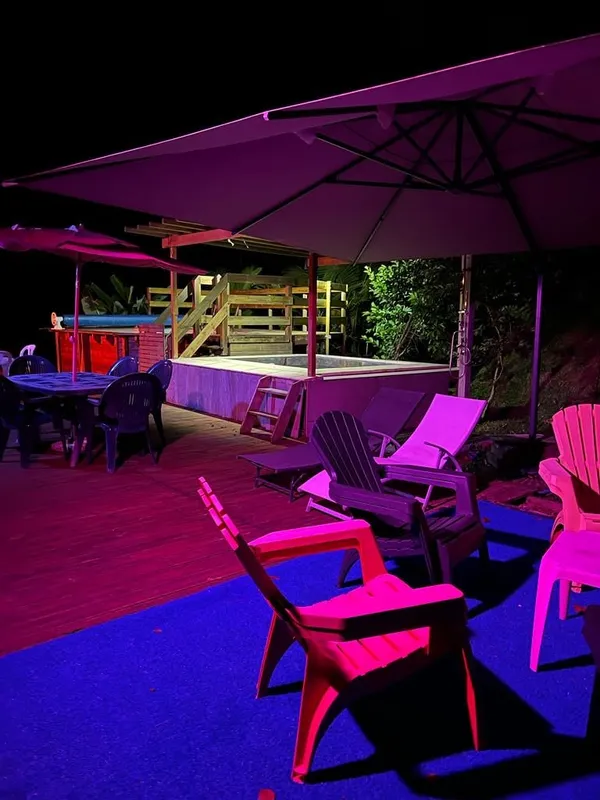
That is exactly the need our properties are built for: furnished, fully equipped, move-in-ready accommodation designed for a smooth arrival. For a slightly longer stay or a more complex situation (family, pets, flexible dates), the best route is to get in touch so we can work out the right arrangement together.
How long should you plan to stay in temporary accommodation?
As a guide, allow anything from a few weeks to two or three months depending on how tight the market is, how particular you are about the neighbourhood and how much time you have to view properties. A healthcare worker on demanding shifts has less time to search: in that case, allowing a comfortable margin avoids falling back on a home you did not really want.