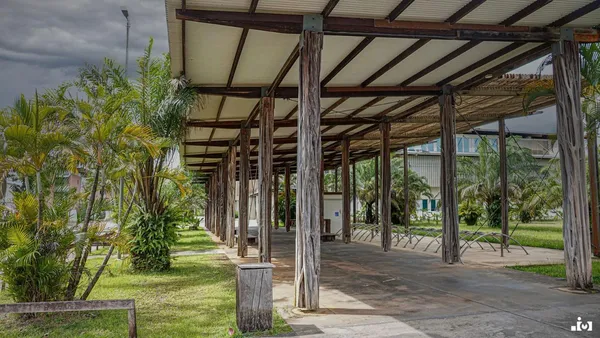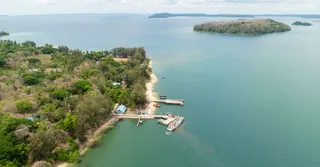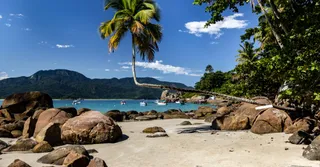
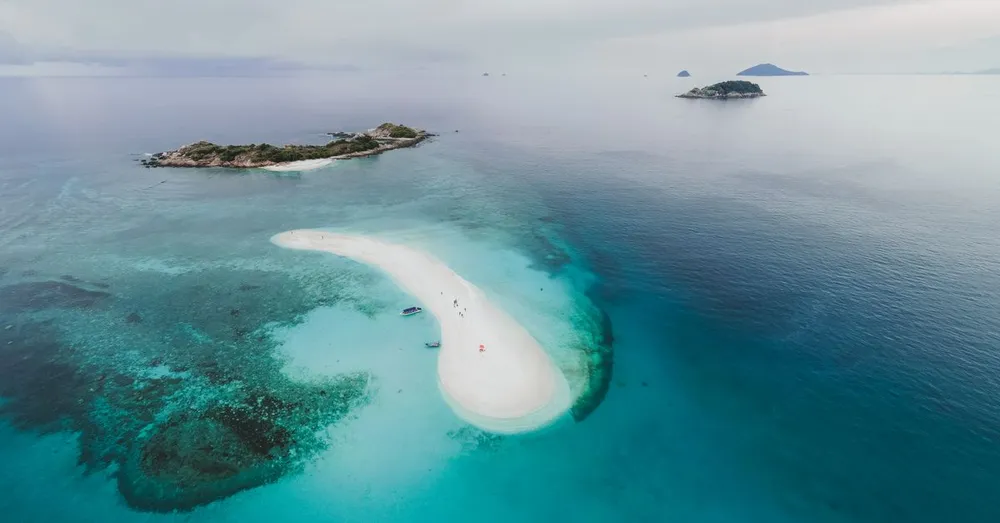
Eleven kilometres off the coast of Kourou, the Salvation Islands form one of the most photographed sites in French Guiana: three islets cloaked in coconut and mango trees, ringed by a turquoise sea where turtles swim and, sometimes, dolphins. But behind the postcard lies a notorious former penal colony, the one that inspired Papillon. The most popular day trip on the coast, the crossing takes a little planning if you want to avoid the disappointment of a packed quay or a tide that throws everything off. Here, straight from the ground, is how to organise your visit, read the real ferry schedules and anticipate what the brochures often leave unsaid.
Three islands, three very different moods
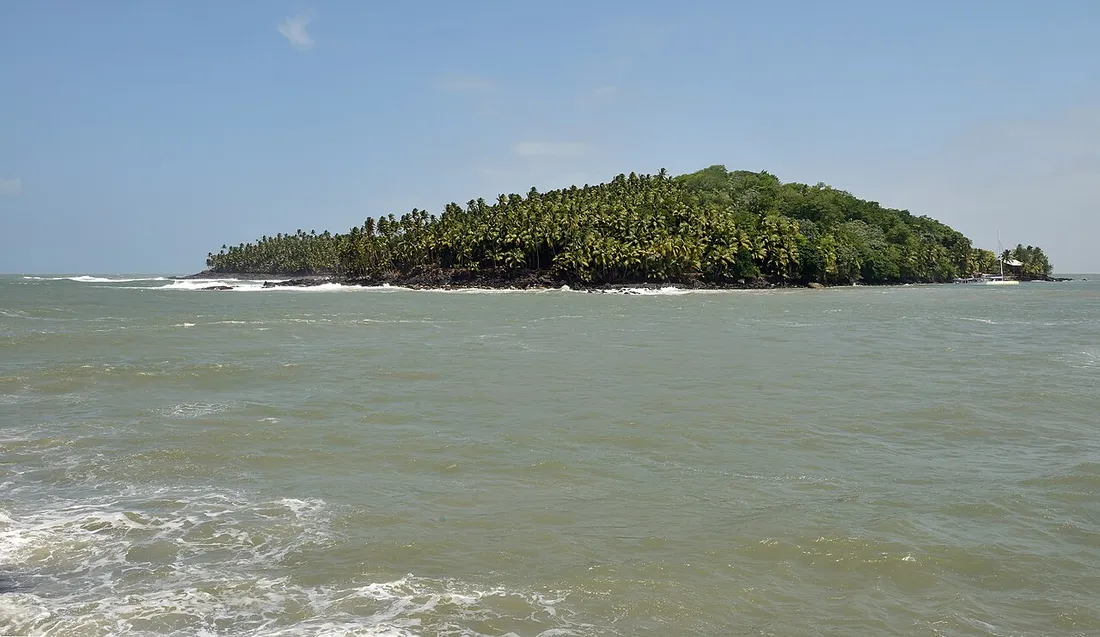
The archipelago is made up of three islands, and many visitors leave having seen only one. Better to know what to expect.
Île Royale, the heart of the visit
This is the main island, where the ferries dock and the only one with a guesthouse, a restaurant and toilets. A loop trail of about 2 km circles it in a leisurely 1.5 to 2 hours’ walk. Here you’ll find the penal colony church, the ruins of the hospital, the lighthouse, and a colony of agoutis, squirrel monkeys and iguanas that have grown perfectly used to walkers. The view of the other two islands from the heights is the obligatory shot.
Île Saint-Joseph, the wildest
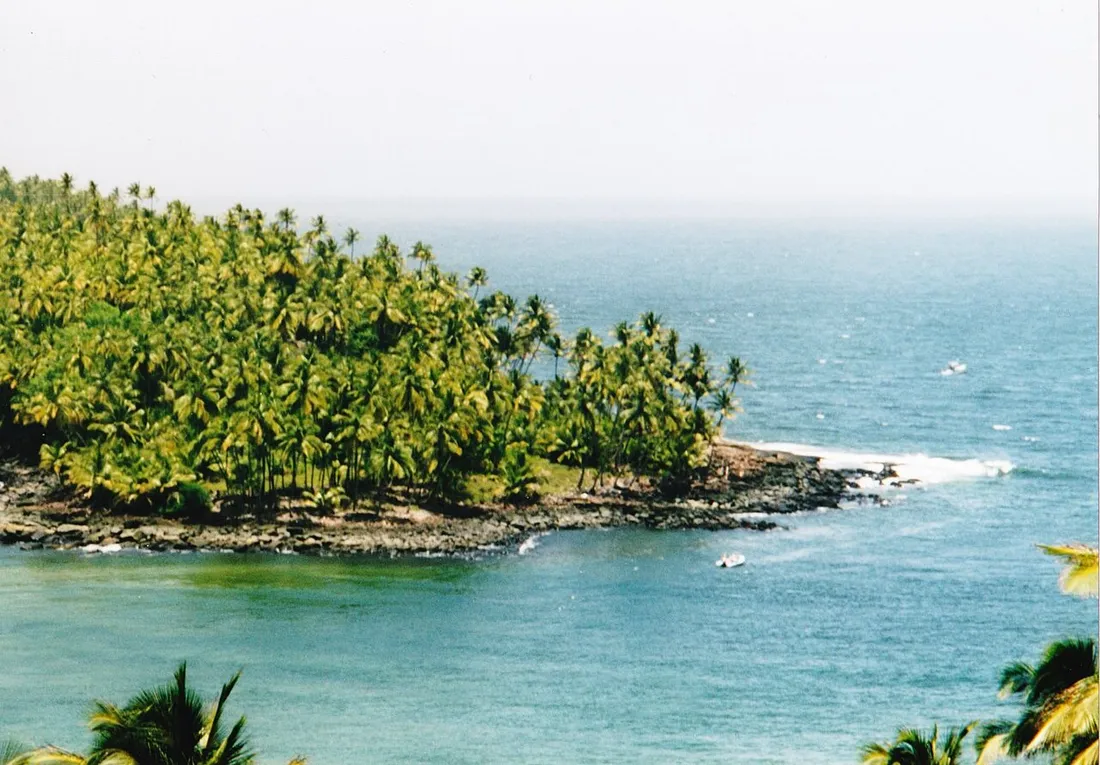
Separated from Royale by a strait a few hundred metres wide, Saint-Joseph held the solitary-confinement quarter, nicknamed “the man-eater.” Its open-air isolation cells, now overrun by the roots of kapok trees, give off a striking atmosphere. The coconut grove and the little beach also make it the most peaceful island. Be warned: not every ferry stops here systematically, it depends on the sea and the package you choose. Check this point before booking.
Devil’s Island, admired without setting foot
This is the best known, because of Alfred Dreyfus, who was held there alone. Yet — and this is the first thing guides forget to mention — Devil’s Island cannot be visited. Landing there is forbidden because of the violent currents that separate the islands. You admire it from Royale, and the old cable-car shuttle line (a cart hauled by cable) is now no more than a relic. Promise yourself the view, not the walk.
How to organise your crossing from Kourou
The departure point: the Kourou jetty
All the ferries leave from the Kourou jetty, near the river mouth. Kourou is about 60 km from Cayenne, roughly 1 hour’s drive on the RN1. Coming from Félix-Éboué airport (Matoury), allow 1 hour 15. A car is essential in French Guiana: there’s no practical public transport to the jetty, and arriving late means missing the boat, which will not wait for you.
Plan to be on site 30 to 45 minutes before departure for check-in and boarding, especially in high season.
Ferry schedules: what you really need to know
The catamarans usually leave in the morning, around 8–8:30 a.m., returning in the late afternoon, around 4:30–5 p.m. The crossing lasts 45 minutes to 1 hour depending on the state of the sea. You therefore spend about 6 hours on site, which is just enough for Royale and a glimpse of Saint-Joseph.
The details booking sites rarely spell out:
- No departure every day outside school holidays: depending on the operators, sailings are mostly set for weekends and peak season. On a quiet weekday, check that a departure is actually scheduled.
- The weather and the swell can cancel or delay a crossing. It’s rare but real, especially in the rainy season.
- Ariane 6 / Vega launches from the neighbouring Guiana Space Centre can lead to temporary maritime zone closures. Cross-check your excursion date against the launch calendar.
Prices and packages
Reckon on average €55 to €70 per adult for the round-trip ferry, and €35 to €45 per child. Some packages include a Creole lunch at the guesthouse (around €20–30 extra) — a handy option, since the dining offer on the island is limited and quickly oversubscribed. Remember to book online several days ahead in high season; the boats fill up fast during the holidays and around space launches.
The best time to go and what to pack
The dry season, from mid-July to mid-November, offers the best conditions: calmer sea, dry trails and clear skies. It’s also the busiest period — all the more reason to book early.
In your backpack, plan for:
- Plenty of water (at least 1.5 L per person): it’s hot and humid, and the few places to buy more are pricey.
- Sunscreen, a hat and closed shoes for the trails, which can be slippery.
- An effective insect repellent, especially towards the end of the day.
- Swimsuit and towel: swimming is possible in the cove of the Anse, one of the rare areas sheltered from the currents. Never swim between the islands.
- Cash: there’s no connection, and card payment is hit-or-miss.
A quick health reminder: yellow fever vaccination is mandatory to stay in French Guiana. Sort this out before you even think about the excursion.
What the guides forget to say
Beyond the schedules, a few ground truths make all the difference:
- Sleeping on the island changes everything. The Île Royale guesthouse lets you stay overnight (lodge, carbet shelter or hammock). Once the ferries have gone, the archipelago empties and you enjoy a magical sunset and sunrise, far from the crowds. Book well in advance, places are scarce.
- The tide rules Saint-Joseph. Landing and the strait between the islands depend on the tidal coefficient. A guide who “forgets” to mention Saint-Joseph often does so because the sea didn’t allow the stop that day.
- The site is a place of memory, not a theme park. The Saint-Joseph cells and the cemetery of the guards’ children deserve a respectful visit. Reading a summary of the penal colony’s history before you come deepens the experience tenfold.
- The wildlife is protected. Don’t feed the monkeys or the agoutis: it makes them aggressive and unbalances the ecosystem. And pack your picnic away carefully — the squirrel monkeys are skilled thieves.
Combining the Salvation Islands with the rest of Kourou
Since you’re in Kourou, extend your getaway. The Guiana Space Centre offers a free guided tour (by reservation, ID required) and remains the town’s other must-see. If an Ariane 6 or Vega launch is scheduled during your stay, it’s a unique experience — just make sure it doesn’t fall on the day of your sea crossing.
To move easily between the jetty, the space centre and the markets, base yourself a few nights in Kourou or Cayenne. That’s exactly what we make easy at Hostel Toucan: well-located short-term rentals, with direct booking and no platform fees, free cancellation up to 7 days before arrival and 7-day WhatsApp support to help you line up your ferry times, transfers and visits. Discover our accommodation in French Guiana and browse our complete French Guiana guide to build an itinerary that holds together. Do you own a property on the coast? Our concierge service for owners takes care of everything.
The Salvation Islands take a little earning: a drive, a schedule to respect, a sea to watch. But few places in French Guiana pack in so much raw beauty and memory. Prepare your crossing, leave early, and treat yourself to at least a glimpse of Saint-Joseph — that’s where the archipelago reveals its true soul.
FAQ
Can you visit Devil’s Island from the Salvation Islands?
No. Landing on Devil’s Island is forbidden because of the very violent sea currents that separate it from Île Royale. You can only view it from the heights of Royale. Only the islands of Royale and Saint-Joseph are accessible to visitors.
How much does the Salvation Islands excursion from Kourou cost?
Reckon on average €55 to €70 per adult for the round-trip ferry, and €35 to €45 per child. The Creole lunch at the guesthouse, often optional, adds about €20 to €30. Book several days ahead in high season.
What is the best time to visit the Salvation Islands?
The dry season, from mid-July to mid-November, is ideal: calmer sea, dry trails and clear skies. It’s also the busiest, so book ferry and accommodation early, and check the Ariane 6 launch calendar.
How long do the crossing and the visit take?
The catamaran crossing from the Kourou jetty lasts 45 minutes to 1 hour. With a morning departure around 8 a.m. and a return around 4:30–5 p.m., you spend about 6 hours on site, enough to walk around Île Royale and catch a glimpse of Saint-Joseph.