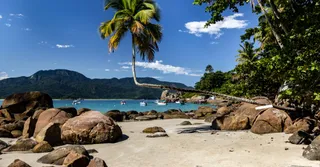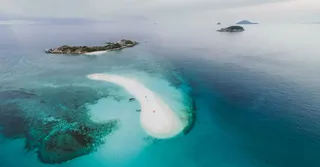
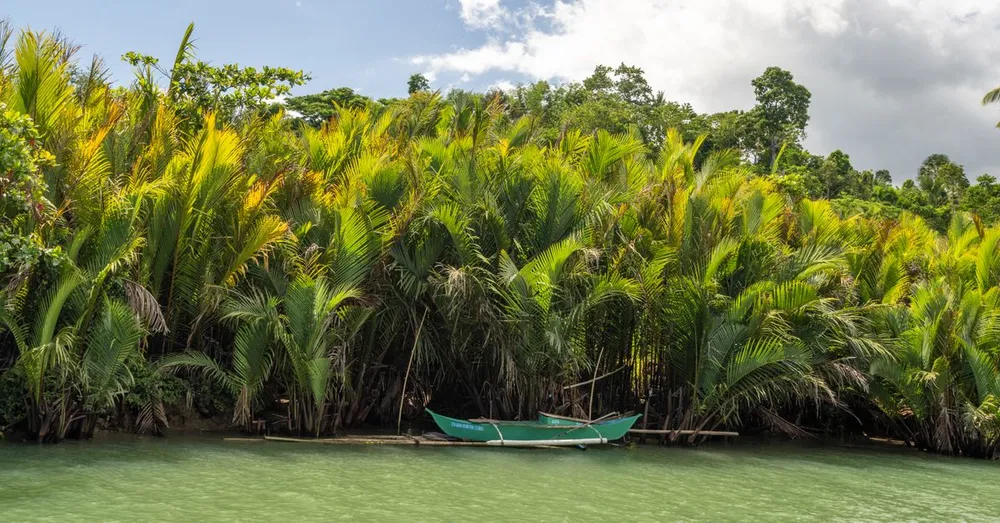
Off the coast of Kourou, the Salvation Islands form one of the most iconic sites in French Guiana: a small archipelago of three islands set on the Atlantic, at once a place of remembrance and a haven of nature. Here, the remains of France’s most famous penal colony blend with coconut palms, royal palms and surprisingly tame wildlife. People come for the harrowing history of Dreyfus and the convicts, and leave moved by the unique atmosphere of these wave-battered rocks, just an hour by boat from the mainland.
Whether you’re planning a day trip or an overnight stay to enjoy the calm once the boats have left, this guide gives you everything: the three islands to know, how to get across, what to see, the wildlife to watch for, swimming advice and how to organize the trip from your accommodation in French Guiana.
What are the three Salvation Islands?
The archipelago, located about 14 km off the coast opposite Kourou, owes its name to the missionaries who took refuge there in the 18th century to escape the fevers of the mainland. It is made up of three distinct islands:
- Île Royale — the largest and most visited. This is where boats dock, and where you’ll find the former penitentiary administration quarter, the church, the hospital, the lighthouse, an inn and pretty shaded trails that loop around the island in under two hours.
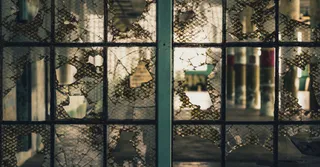
- Île Saint-Joseph — wilder and more moving, reached by a short shuttle trip from Royale. This is where the dreaded solitary confinement cells once stood, today overrun by vegetation.
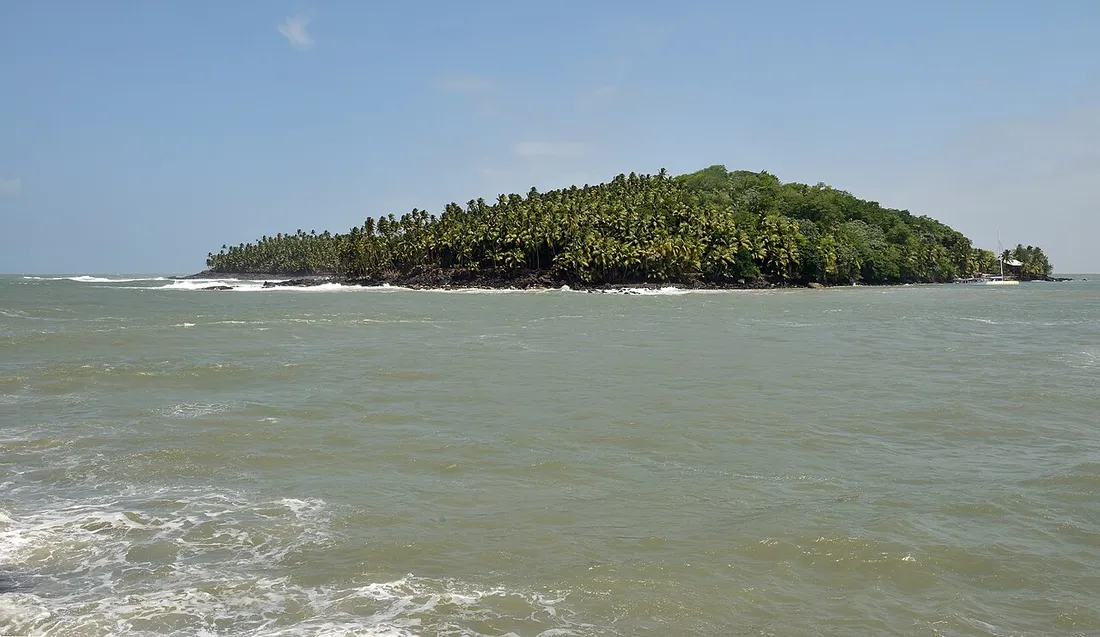
- Île du Diable — the smallest and the most steeped in legend. It is strictly off-limits: violent currents, swell and the lack of a safe landing point make it impossible to reach. This is where captain Alfred Dreyfus was held between 1895 and 1899. You can view it from the northern tip of Île Royale, separated from it by a narrow channel.
A deep dive into the penal colony’s history
The first penal colony in French Guiana was officially established here in 1852, under the Second Empire. Until the gradual closure of the penitentiary system in 1946 (and the repatriation of the last convicts in the late 1940s), tens of thousands of convicts were deported here from mainland France. The islands served mainly as a place of isolation and quarantine, but also as a prison for inmates deemed dangerous or political.
Walking around Île Royale, you’ll pass the old hospital, the warders’ mess, the cemetery of the children and families of the guards, and the famous “head warder’s house.” On Saint-Joseph, the solitary confinement cells tell of a relentless discipline, built on silence and isolation. It was this history that inspired Henri Charrière’s famous Papillon.
The visit is therefore above all a place of remembrance: take the time to read the signs, to imagine the convicts’ daily lives, and to grasp what imprisonment at the end of the world really meant. To dig deeper into the background, read our article on the Cayenne penal colony and Île du Diable.
How to get to the Salvation Islands?
The crossing is made by catamaran or sailboat from the plage des Roches or the Kourou jetty, in about one hour depending on the boat and the state of the sea. Several companies offer day excursions, usually with a morning departure and a late-afternoon return.
Only Île Royale and Île Saint-Joseph can be visited. Some boats sail close to Île du Diable so you can photograph it and catch a glimpse of Dreyfus’s small hut, without ever landing there.
Tips for the crossing
- Book ahead, especially in high season (July-August, school holidays) and during rocket launches: Kourou fills up very quickly then and the boats sell out.
- The sea can be rough: if you’re prone to seasickness, bring a suitable tablet and sit in the middle of the boat.
- To get from your accommodation to the jetty without worrying about schedules, a car rental is the most flexible option, as public transport is limited in French Guiana.
How much does the crossing cost?
Prices vary depending on the company and the package. As a rough, evergreen guide (always check at the time of booking):
- Day excursion (round trip): expect a range of around €40 to €60 per adult, often less for children.
- Two-day package with an overnight stay: generally a bit higher, around €60 to €80 for the crossing, with accommodation and meals extra.
Some packages include a snack or a lunch at the inn; ask when booking. Remember to bring cash, as card payments aren’t guaranteed on the islands.
What to see and do on site?
Once you’ve landed on Île Royale, several experiences await you:
- A walk around the island along the coastal trail, which offers beautiful views of the ocean, Île du Diable and Île Saint-Joseph.
- The penal colony buildings: a church decorated with frescoes painted by a convict, the former hospital, the lighthouse and various ruins.
- Viewing Île du Diable from the northern tip, where the channel narrows.
The inter-island shuttle (when it’s running, depending on the sea and the company) takes you to Saint-Joseph, which is wilder, where the cells overrun by roots make for a striking sight. Allow a good half-day to tour both islands without rushing.
The islands’ wildlife: a real show
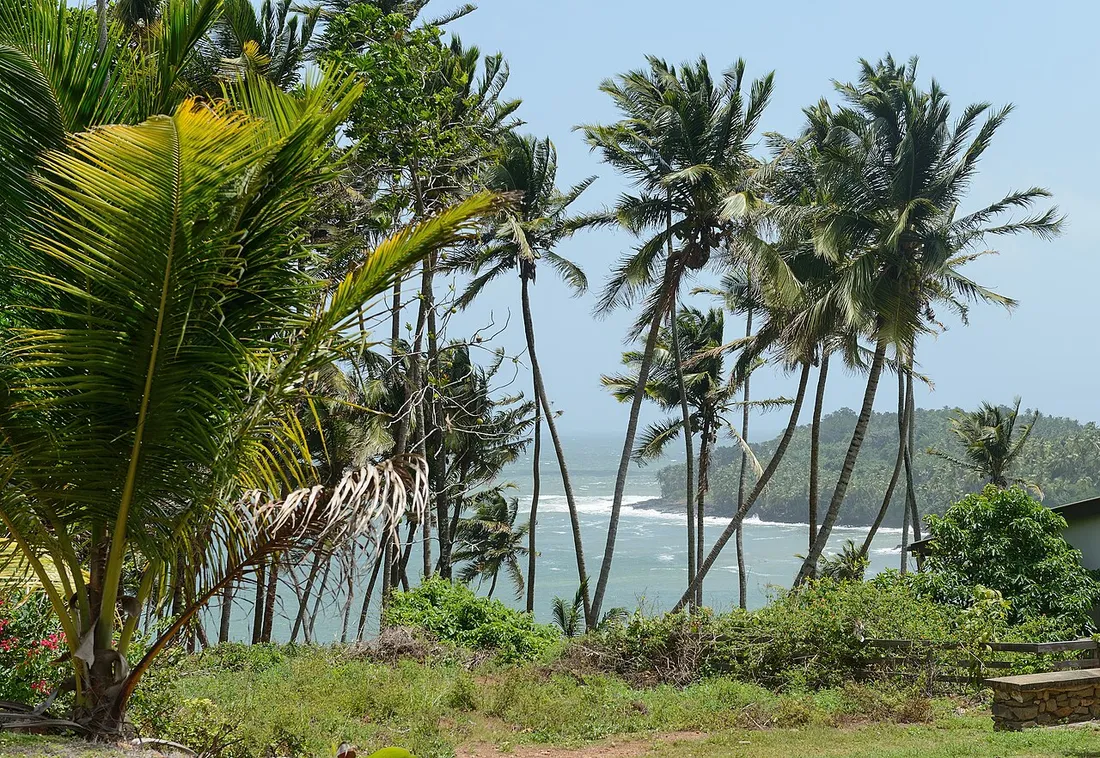
Far from being mere rocks, the Salvation Islands are home to free-roaming wildlife used to the presence of humans. You’ll very likely come across:
- Agoutis — small reddish rodents that scurry among the ruins.
- Monkeys (notably capuchins and squirrel monkeys on some islands) to watch without feeding.
- Macaws and parrots, whose colors burst out of the canopy.
- Iguanas and many crabs along the shore.
- Sea turtles offshore, sometimes visible from the boat.
Golden rule: never feed the animals and keep your distance. It disrupts their behavior and can be dangerous. Also keep an eye on your belongings: agoutis and monkeys are curious and quick.
Can you swim at the Salvation Islands?
The question of swimming deserves real attention. Around the archipelago, the currents are powerful and the presence of sharks is historically documented in these waters: open-sea swimming is strongly discouraged, even prohibited.
On Île Royale, however, a natural swimming pool (a basin sheltered from the currents) lets you cool off safely when conditions allow. Ask the inn staff on site and always follow the signage. When in doubt, refrain: it’s better to enjoy your accommodation’s pool when you get back.
Stay on the island or on the mainland?
You have two options:
- Spend the night on Île Royale: the inn offers simple accommodation (rooms, carbets for hammocks) and a restaurant. The experience is magical once the day-trippers have left: sunset, starry skies and absolute silence. Spots are very limited, so book well in advance.
- Stay on the mainland and make the crossing as a day trip: this is the most flexible option. Most visitors stay in Cayenne (about 1 hour from Kourou) or closer, toward Sinnamary and the coast.
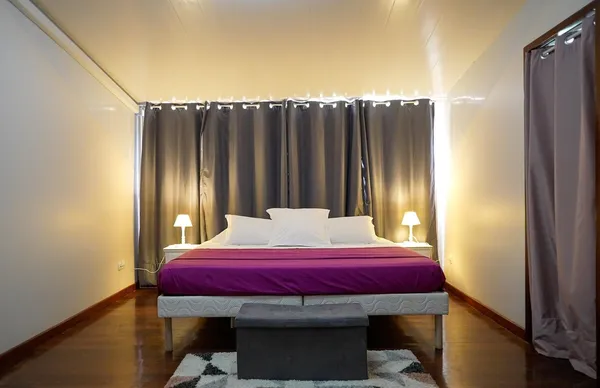
To roam easily toward Kourou, the Space Center and the islands, Hostel Toucan offers comfortable accommodation in French Guiana with a pool, ideal for resting after an emotionally rich day. Discover all of our accommodations to put together your stay.
Planning your visit: practical tips
- When to go? All year round, but the dry season (August to November) offers a calmer sea and clearer skies.
- Ideal length: a full day is enough for the essentials; an overnight stay for an unforgettable experience.
- What to bring: plenty of water, a hat, sunscreen, insect repellent, walking shoes, a swimsuit, cash, and something to picnic with (food options are limited).
- Combine your visits: take advantage of being in Kourou to visit the Guiana Space Center, just minutes from the jetty.
- Respect the site: it is both a protected natural area and a place of remembrance. Take nothing, damage nothing.
Ready to discover the Salvation Islands?
Between poignant history, lush nature and ocean panoramas, the Salvation Islands are a must on any trip to French Guiana. Plan your getaway from Kourou and treat yourself to a comfortable base from which to explore the region with complete peace of mind.
👉 Book your stay with Hostel Toucan and enjoy an ideal base for visiting the Salvation Islands, the Space Center and the entire coast of French Guiana. See you very soon in French Guiana!