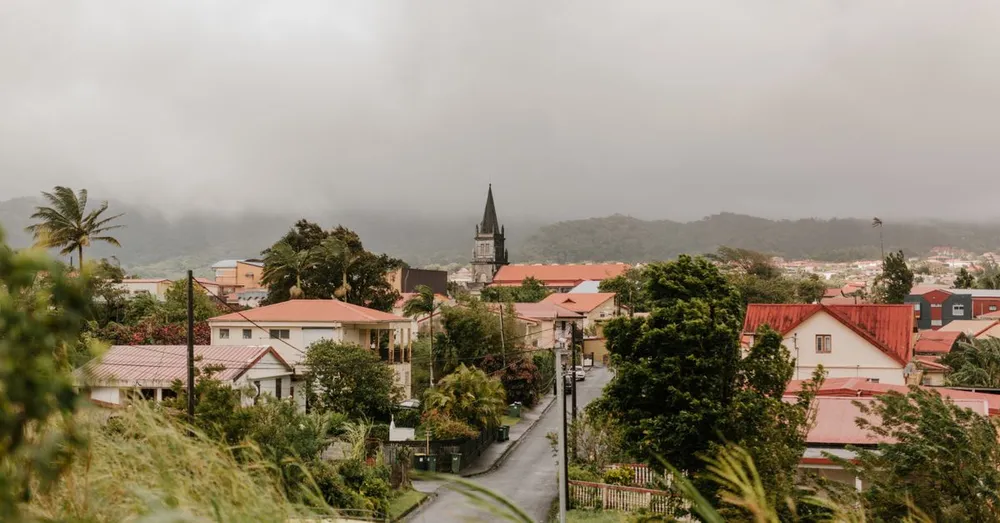
Seven days is the ideal length for a first trip: enough to see the essentials, too short to do it all. The mistake I see most often, after several years welcoming travellers to the island, is wanting to switch accommodation every two days and spending the whole holiday on the road. My 1-week Martinique itinerary is built on the opposite idea: a single base, day loops, and a pace that leaves time to swim. Martinique is only 80 km long, but its mountain roads and the Fort-de-France traffic quickly turn 40 km into 1h15. Better to pick the right home base than to pile up the drives.
Why a single base for this 7-day Martinique route
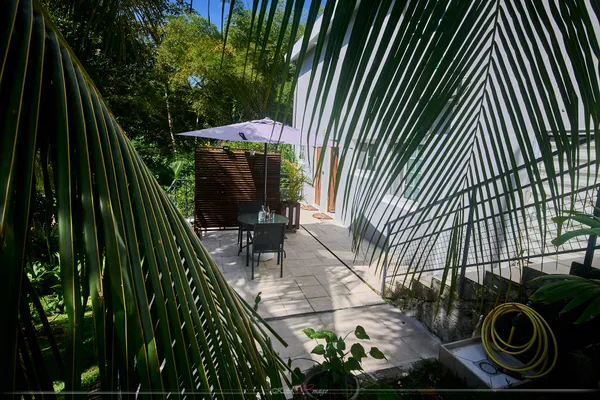
For a 7-day route in Martinique, I recommend setting down your bags in the Les Trois-Îlets / Southern Caribbean coast area. It’s the perfect geographic compromise: you’re 30-45 min from the southern beaches, 1h-1h15 from the North along the Caribbean coast, and the Bay of Fort-de-France is right across the water. That way you avoid crossing the metropolitan area at rush hour to reach your activities.
A few practical pointers before starting this Martinique road trip:
- A car is essential: public transport remains limited outside the metro area. Book your rental as soon as you buy your tickets in high season.
- Fuel: budget €1.75 to €1.85/L (2026). Fill up the day before your northern outings, as petrol stations grow scarce beyond Saint-Pierre.
- Best time to go: the dry season (the Carême), from December to April, offers the most drivable roads and the least rain. Carnival (February-March) brings Fort-de-France to life but closes town centres at times.
- Rush hours: avoid crossing Fort-de-France between 6:30-8:30 am and 4-6:30 pm. Push your departures back to 9 am rather than getting stuck on the A1.
To nail down the details of each site, keep our complete Martinique guide close at hand.
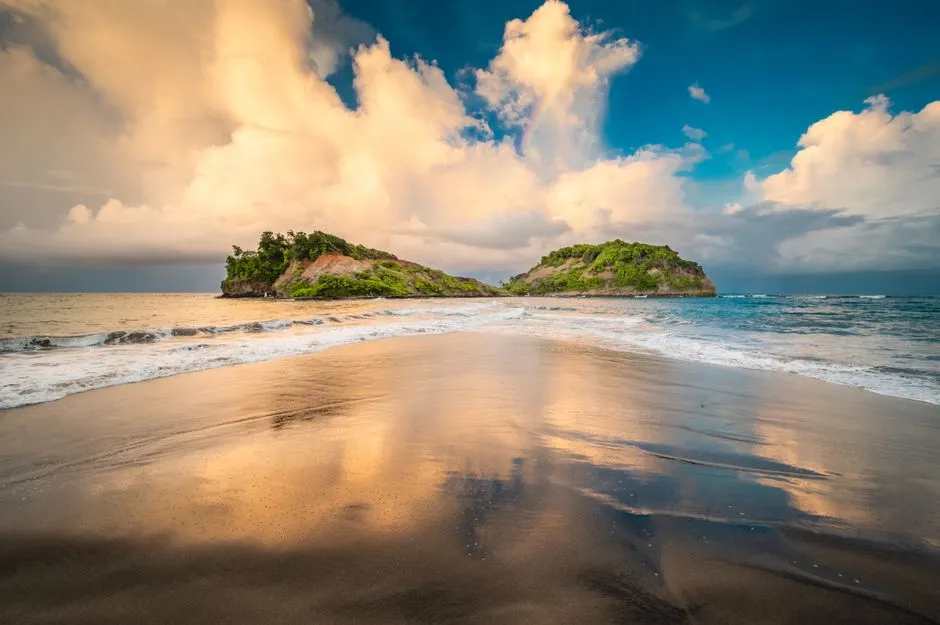
The day-by-day itinerary: South, Centre, North
Day 1 — Arrival and easing in down South
The flight from Paris takes around 8h30, and you arrive at Aimé Césaire Airport (Le Lamentin) with 5 to 6 hours of jet lag in your legs (-5h in winter, -6h in summer). Don’t plan anything ambitious. Pick up the car, head to your rental, do a bit of grocery shopping at the supermarket, and treat yourself to a first Caribbean sunset with a ti-punch. Allow 30 to 45 min of driving from the airport to Les Trois-Îlets.
Day 2 — The legendary beaches of the South
Your first real beach day. Set course for Sainte-Anne and the famous Plage des Salines, arguably the most beautiful on the island: golden sand, coconut palms, turquoise water. Arrive before 10 am for the light and the parking. In the afternoon, fall back on Pointe Marin or the Grande Anse des Salines for a swim. Lunch in a lolo (Creole beach shack): grilled fish or colombo for €12 to €16. The drive from Les Trois-Îlets: about 40 min.
Day 3 — Anses-d’Arlet and underwater life
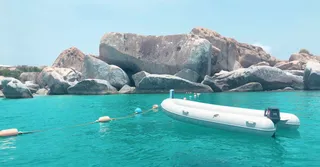
A snorkelling day on the southern Caribbean coast. At Anse Dufour and Anse Noire (black volcanic sand, reached down a stairway), you’ll regularly swim with green turtles just a few metres from shore — a mask and snorkel are all you need. Push on to Grande Anse d’Arlet, with its jetty and its church right at the water’s edge. It’s a low-budget day: only lunch costs anything. Allow 30-40 min of driving.
Day 4 — Le Diamant and the Rum Route
Head for Le Diamant and its long beach buffeted by the trade winds, facing the spectacular Diamond Rock. Along the way, work in a distillery: La Mauny or Trois-Rivières (Sainte-Luce / Rivière-Pilote) are easy to visit. A tasting of AOC agricultural rum is included, with entry often free up to €8. Buy your rum here rather than at the supermarket. Make a stop at the Cap 110 Memorial (Anse Caffard), a moving tribute to the victims of slavery.
Day 5 — The Centre: Trois-Îlets, Balata, Fort-de-France
A gentler day, with no long drives. In the morning, explore Les Trois-Îlets: the Pagerie Museum (childhood home of Joséphine de Beauharnais), the Pottery Village and the Savane des Esclaves. In the afternoon, drive up to the Balata Garden (on the Fort-de-France road): a tropical botanical garden with suspended canopy walkways — budget around €16 for entry. Local tip: reach Fort-de-France by maritime shuttle from Pointe du Bout to avoid the traffic and visit the Schoelcher Library and the covered market.
Day 6 — The North: Saint-Pierre and Mount Pelée
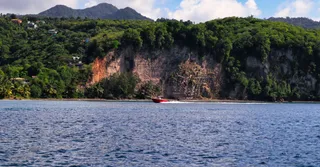
The busiest day, best tackled early. Drive up the Caribbean coast (about 1h-1h15) to Saint-Pierre, the former “little Paris of the West Indies” destroyed by the eruption of Mount Pelée in 1902. The ruins (theatre, Cyparis’s cell) and the museum tell this tragedy; the town holds the Ville d’art et d’histoire (Town of Art and History) label. Seasoned hikers can aim for the climb up Pelée (a very early start, 5 to 6 hours round trip). More accessible: the Balata Garden or a black-sand swim at Le Carbet. Get back on the road before nightfall — the northern bends don’t forgive fatigue.
Day 7 — Wild Atlantic or relaxation before heading home
Depending on your flight time, two options. If you leave in the evening, slip over to the Atlantic side towards Tartane and the Caravelle Peninsula: the nature reserve trail, the lighthouse, the ruins of Château Dubuc and surf spots. If your flight is early, save a last quiet swim near your base and pack up stress-free. Plan to be at the airport 2 hours before departure.
A realistic budget for one week
To help you plan, here’s what I see on the ground for two people, excluding airfare, over 7 days:
- Accommodation: €600 to €1,100 for the week for a well-located rental (studio to villa depending on the season).
- Car rental: €250 to €400 for the week, fuel included.
- Meals: €30 to €70/day for two, depending on lolos or restaurants.
- Activities: €80 to €150 in total (distillery, Balata, shuttle, free snorkelling).
A comfortable week thus comes to €1,300-2,000 for two on the ground. Accommodation is where you save the most by booking smart.
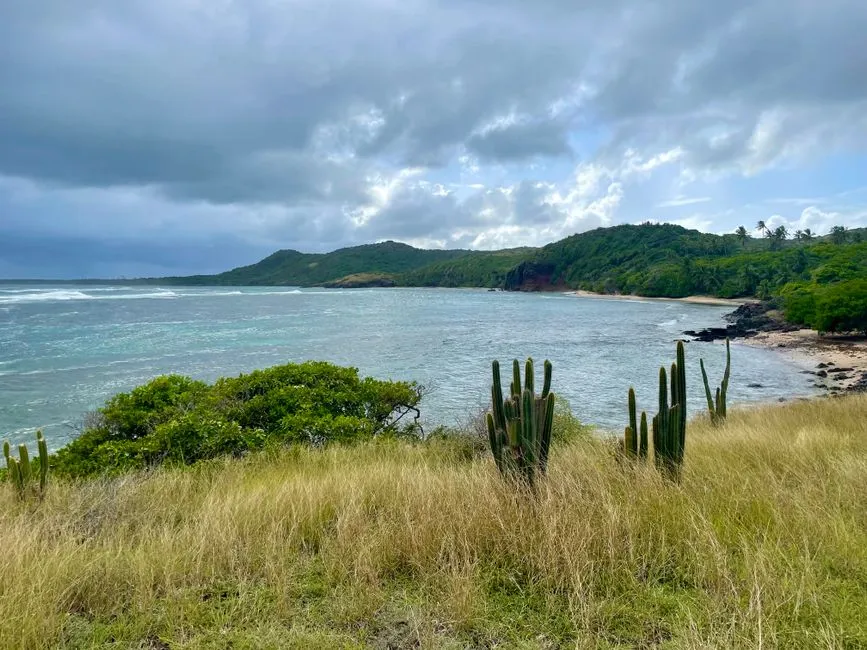
Book your base directly with Hostel Toucan
This whole itinerary rests on a good home base. At Hostel Toucan, we select properties in the strategic towns of this route — Trois-Îlets, Sainte-Anne, Le Diamant — designed for radiating out without moving on. By booking directly, you avoid platform fees, enjoy free cancellation up to 7 days before arrival (handy in cyclone season), and 7-day WhatsApp support for your on-the-ground questions, from tide times to the best lolos. Browse our rentals in Martinique to lock in your ideal base.
Do you own a property on the island and would like to offer it to these travellers? Discover our support for owners.
FAQ
Is one week enough to visit Martinique?
Yes, for the essentials. Seven days let you cover the beachy South, the cultural Centre and the heritage-rich North without rushing, provided you keep a single base. To explore the Atlantic and the Far North in depth as well, count on 10 to 14 days instead.
Do I need to rent a car for this 7-day Martinique route?
It’s strongly advised, even essential. The sites on this itinerary (Salines, Anses-d’Arlet, Saint-Pierre, Caravelle) are poorly served by public transport. Book your vehicle in advance, especially during the Carême and Carnival when demand soars.
Is it better to change accommodation during the week?
For a first 7-day Martinique road trip, no. A single base in the Trois-Îlets / Southern Caribbean area places you at the centre of the island and saves you losing half-days packing and unpacking. Moving only makes sense from two weeks onward.
What’s the best time of year for this route?
The dry season, from December to April (the Carême), offers the least rain and the safest roads for the northern stretches. Avoid cyclone season (June to November) if you can; if you do travel then, favour a flexible-cancellation booking.