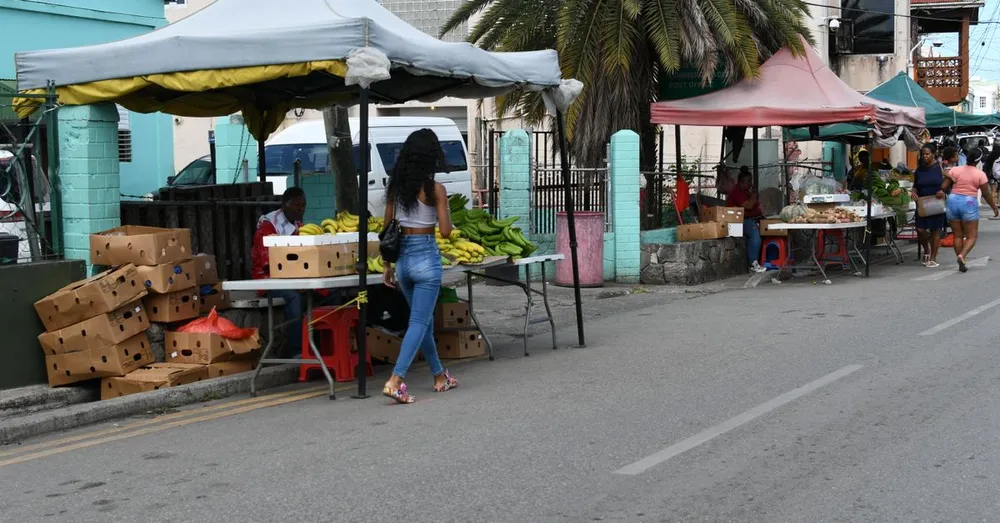
In Guadeloupe, food isn’t a sideshow to the trip: it is the trip. After years of welcoming travellers across the archipelago, I’ve built a Guadeloupe food itinerary that follows the cuisine like a guiding thread, from the spice market of Pointe-à-Pitre to the distilleries of Marie-Galante, by way of the lolos and the table d’hôtes. Here is this Guadeloupe culinary road trip day by day, between Grande-Terre, Basse-Terre and the islands, with real prices and the addresses a local recommends to their friends.
Why a culinary itinerary in Guadeloupe
Guadeloupe is shaped like a butterfly: Grande-Terre to the east (sugar cane, rum, turquoise beaches) and Basse-Terre to the west (the Soufrière volcano at 1,467 m, rainforest, high-altitude cocoa and coffee). This contrasting geography is what makes Creole cooking so rich, a blend of African foundations, Indian heritage (the colombo) and Caribbean produce.
For this Creole food journey, I recommend a single base in southern Grande-Terre — Sainte-Anne, Saint-François or Le Gosier — with day trips radiating out: you unpack once and keep the same fully equipped kitchen for your returns from the market. Our complete guide to Guadeloupe compares these towns if you’re undecided.
Host tip: the best time to come is the dry season, from December to April. The markets overflow with local fruit and the crossings to the islands are rarely cancelled.
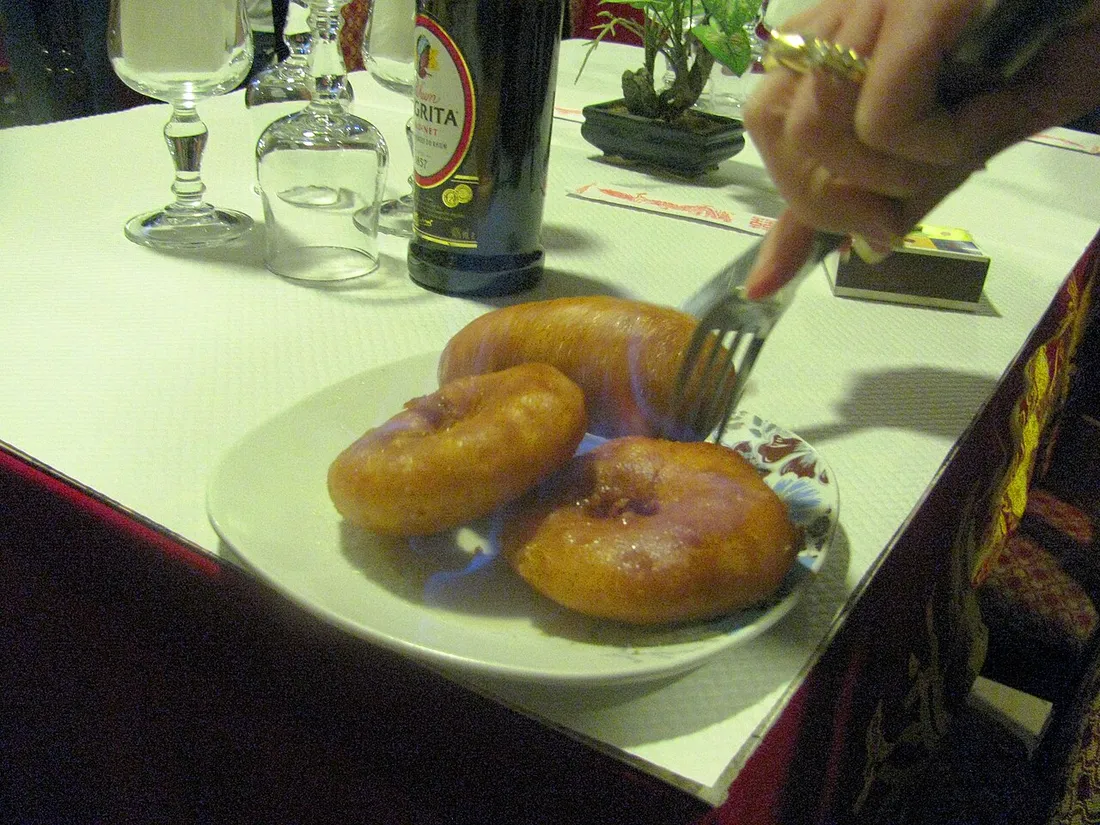
Day 1 — Arrival and your first bokit
Touch down at Pôle Caraïbes airport (Pointe-à-Pitre), pick up the car (€30 to €40 a day in the dry season, book ahead) and drive to Sainte-Anne (30 to 40 min). A simple first meal: the bokit, Guadeloupe’s king of sandwiches, fried bread stuffed with cod, chicken or conch, for €5 to €9, eaten standing at a lolo. With the time difference (5 h behind Paris in winter, 6 h in summer), you’ll be up early: perfect for the next day’s markets.
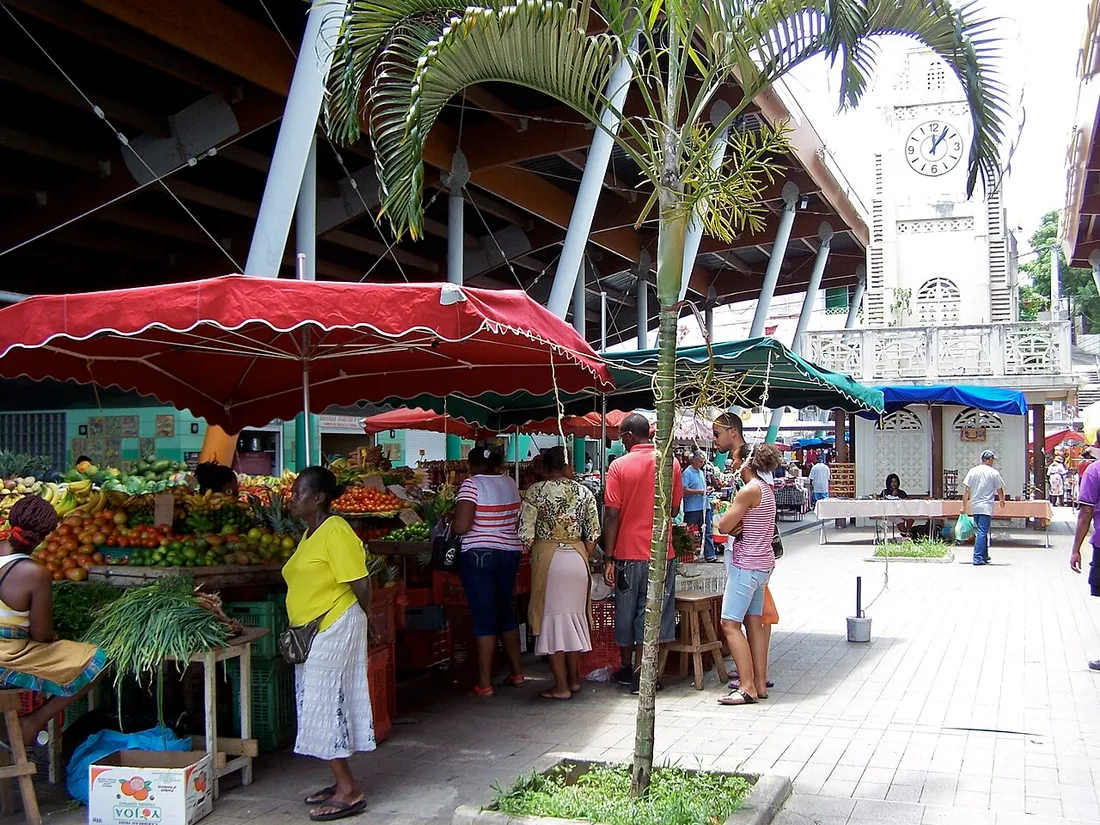
Day 2 — The spice market of Pointe-à-Pitre
Visit the Saint-Antoine market before 9 a.m., when the vendors are setting up their colourful pyramids. This is where you learn to read Creole cooking.
- Colombo powder (turmeric, coriander, fenugreek): €3 to €6 a packet.
- Guadeloupe vanilla: €2 to €4 a pod.
- Bay rum leaf, massalé, scotch bonnet pepper: pantry essentials.
- Local jams and syrups: guava, coconut, ginger, perfect as souvenirs.
My tip: buy several packets from the same stall and you’ll get a better price, often with a little gift thrown in. And taste first: good vendors always hand you a piece.
For lunch, a Creole plate in the town centre (chicken colombo, christophine gratin, €14 to €18). In the afternoon, the Mémorial ACTe (around €15) tells the story of slavery and sugar — to understand where everything you’re eating comes from.
Day 3 — Lolos and grilled fish with your feet in the sand
Morning swim in the lagoon of Caravelle or Bois Jolan (Sainte-Anne), still quiet before 10 a.m. Lunch is the institution of the lolo: a little Creole shack facing the sea, home cooking at gentle prices. The lolos of Sainte-Anne are among the most renowned.
- Smoked chicken (poulet boucané, smoked over cane): €10 to €14 with rice and lentils.
- Grilled catch of the day (snapper, mahi-mahi): €14 to €20.
- Cod fritters (accras) to start: €4 to €6 a portion.
In the afternoon, head to Sainte-Anne’s craft market for infused rums and homemade hot sauces, or the Saint-François night market if it’s on. End with a ti-punch at sunset: white agricole rum, lime, cane sugar. Everyone pours their own.
Day 4 — The agricole rum trail in Grande-Terre
Guadeloupe distils an agricole rum from pure cane juice (the vesou), and Grande-Terre is home to several distilleries open for visits.
- Tour + tasting: free or €5 to €8, with access to the ageing cellars.
- Direct purchase: €18 to €35 for a bottle of aged rum, far cheaper than in mainland France.
- Responsible tasting: appoint a sober driver, never drive after several rums.
Between two estates, have a kid or pork colombo at a country table (€15 to €22). This slow-simmered dish, inherited from indentured Indian labourers, is the soul of Guadeloupean cooking. Don’t leave without a 50° white rum for your ti-punches and an infused rum (pineapple, vanilla) to carry the trip home with you.
Day 5 — Basse-Terre: cocoa, coffee and a table d’hôte
A change of scenery: Basse-Terre, the volcanic, humid wing. Set off early (7 to 7:30 a.m.) to avoid the traffic around Pointe-à-Pitre. The Route de la Traversée climbs through the rainforest of the National Park. Over on the Côte-sous-le-Vent, around Vieux-Habitants and Pointe-Noire:
- Café Bonifieur from Guadeloupe, tasted at the plantation (€8 to €12).
- Cocoa and local chocolate: bean-to-bar workshops.
For lunch, treat yourself to a Creole table d’hôte up in the hills, the most authentic experience of the trip: fish court-bouillon, octopus fricassée (chatrou), local vegetables, €22 to €30 with apéritif and dessert. Book the day before — these tables cook to order. In the afternoon, a free swim at the Cascade aux Écrevisses (10 min walk).
Day 6 — Marie-Galante, the island of 59° rum
The high point of the route. Set off early for Marie-Galante from Pointe-à-Pitre or Saint-François (45 min to 1 h, €40 to €55 adult return). Nicknamed “the island of a hundred mills”, it’s the land of powerful 59° agricole rum.
- Bielle Distillery: elegant rums, a lovely shop.
- Bellevue Distillery: a large estate, an informative tasting.
- Poisson Distillery (Père Labat): the most iconic, its 59° is a legend.
Free or token tastings at each, €22 to €35 a bottle if you buy direct, always with a sober driver. On the table side, bébélé (tripe, breadfruit, green banana) and the grilled fish at the lolos of Saint-Louis are a treat. Hand-churned coconut sorbet sold on the street is the signature dessert (€2 to €4 a scoop). If your budget allows, stay overnight: Marie-Galante at dusk is worth the detour.
Day 7 — A final market and edible souvenirs
Last-minute shopping depending on your flight time, at a market in Sainte-Anne, Saint-François or Pointe-à-Pitre:
- Vacuum-packed colombo and massalé spices, light and unbreakable.
- Vanilla and local jams in an airtight jar.
- Rum: check your baggage allowance for alcohol in the hold.
- Café Bonifieur and local chocolate to keep your Creole breakfasts going.
One last bokit on the go, and off to the airport, 10 minutes from Pointe-à-Pitre.
A realistic budget for this foodie week
For two people in the dry season, excluding flights and accommodation:
- Car (7 days): €210 to €280
- Fuel: €60 to €90
- Marie-Galante crossing (2 adults): €80 to €110
- Tours and tastings: €60 to €120
- Meals: €45 to €80 a day for two, mixing lolos, markets and table d’hôtes
- Edible souvenirs: €60 to €150
A rental with a fully equipped kitchen changes the bill: cooking your market hauls easily saves €150 over the week.
Where to base yourself for this culinary road trip
Hostel Toucan directly manages holiday rentals in Sainte-Anne, Saint-François and Le Gosier — the ideal triangle for reaching out to Basse-Terre and the island ferry docks. By booking on our Guadeloupe rental page, you pay the direct price with no platform fees, with free cancellation up to 7 days before arrival and WhatsApp support 7 days a week: we’ll tell you the right market day, the lolo that grills the best fish, or the reliable Marie-Galante ferry schedule.
Our properties come with a fully equipped kitchen, because a food-focused stay is also lived at the stove. And if you own a property in the archipelago, discover our concierge service for owners.
Recap: 7 days of flavour
- Day 1: arrival and bokit.
- Day 2: spice market and Mémorial ACTe.
- Day 3: lolos and grilled fish on the beach.
- Day 4: rum trail and colombo in Grande-Terre.
- Day 5: cocoa, coffee and a table d’hôte in Basse-Terre.
- Day 6: Marie-Galante and 59° rum.
- Day 7: a final market and edible souvenirs.
Guadeloupe isn’t a place you visit, it’s a place you taste. Bon apeti!
FAQ
What’s the best time for a culinary itinerary in Guadeloupe?
The dry season, from December to April (the carême), is ideal: the markets overflow with local fruit and the crossings to Marie-Galante are rarely cancelled. The wet season (June to November) is still doable, with gentler prices, but build in some flexibility for days at sea.
How much does a foodie week in Guadeloupe cost for two people?
Excluding flights and accommodation, budget around €700 to €1,100 for two: car (€210–280), fuel (€60–90), Marie-Galante crossing (€80–110), tours and tastings (€60–120), meals (€45–80 a day) and souvenirs (€60–150). A rental with a fully equipped kitchen cuts your food spend by up to €150 over the week.
Can you follow this culinary itinerary without a car?
Hardly. The markets, distilleries and table d’hôtes of Basse-Terre aren’t served by public transport at practical times. A rental car remains essential; book it as soon as you buy your plane tickets, as prices climb during school holidays.
What edible souvenirs should you bring back from Guadeloupe?
The safe bets: colombo and massalé powder, Guadeloupe vanilla, local jams and syrups, Café Bonifieur, local chocolate and some agricole rum — an aged rum from Marie-Galante and a homemade infused rum. Remember to check your baggage allowance for alcohol and to protect the bottles in the hold.